MMA techniques
Every range in one fight: striking, clinch, takedowns and the ground. The fighters who put the whole game together. 82 techniques below.
Clinch
5The plum is Muay Thai's double collar tie: one hand over the other on the back of the opponent's head, forearms on the collarbones, elbows pinched…

An underhook slides your arm under the opponent's armpit and around their back. It lifts their shoulder, turns their body and gives you the inside…

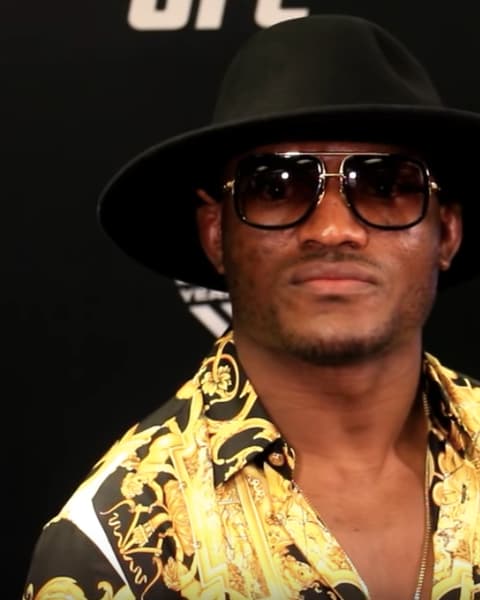
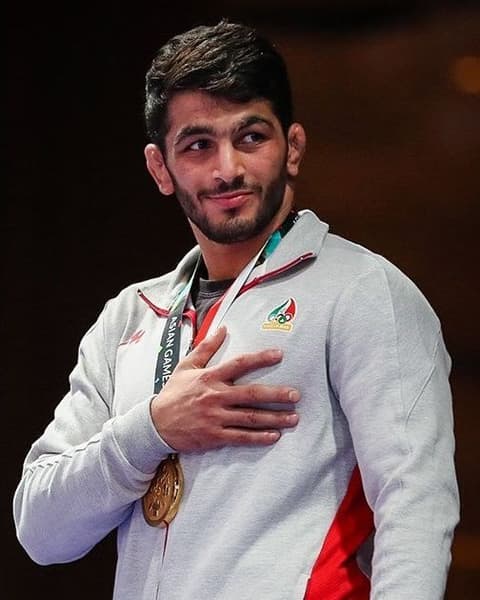
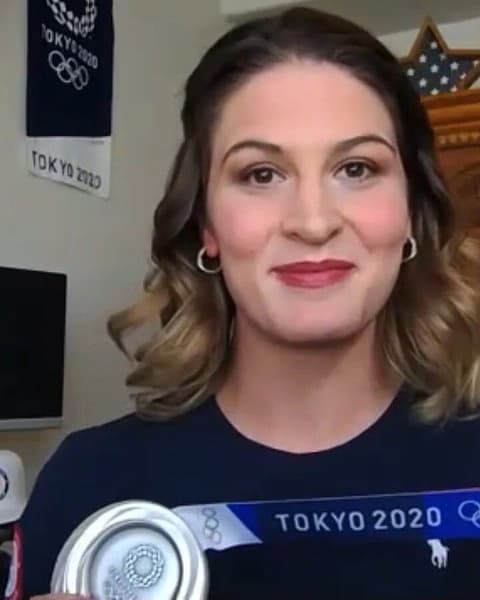
The arm drag pulls the opponent's arm across their body while you step to the side, so they stumble forward past you and you end up on their side…
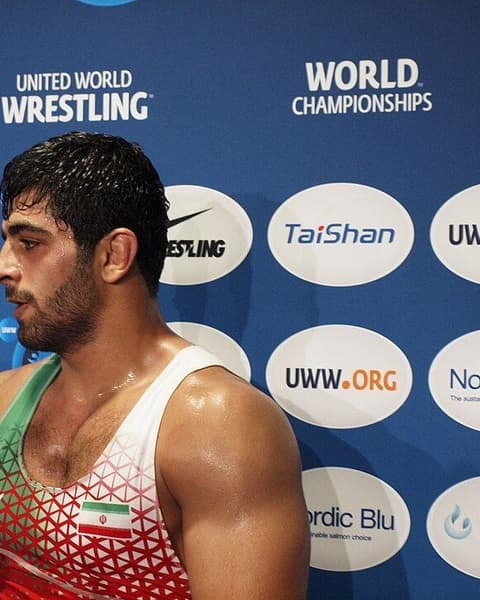
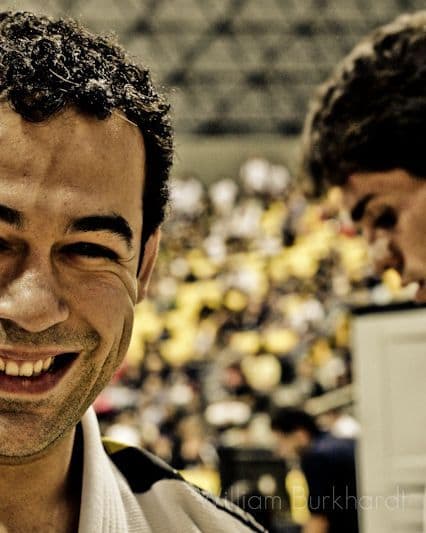
The snap down pulls the opponent's head sharply toward the mat from a tie-up, so they fall forward onto their hands and knees. From there you hold…
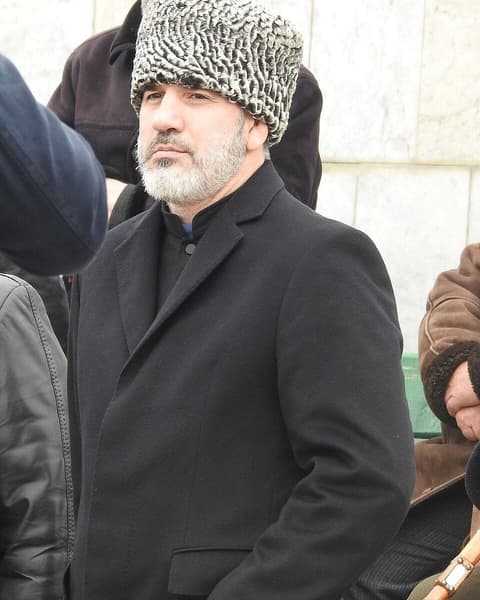
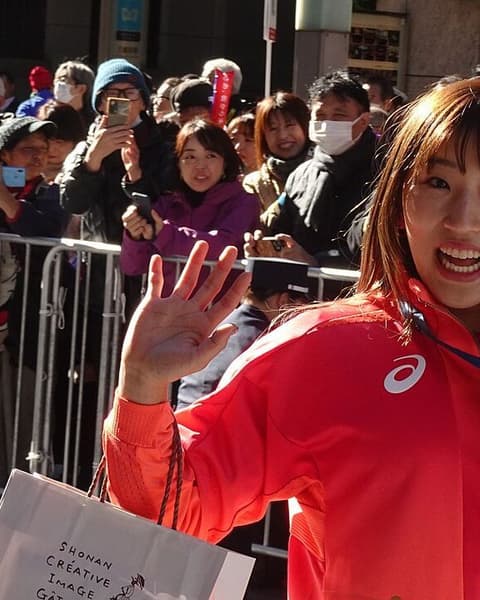
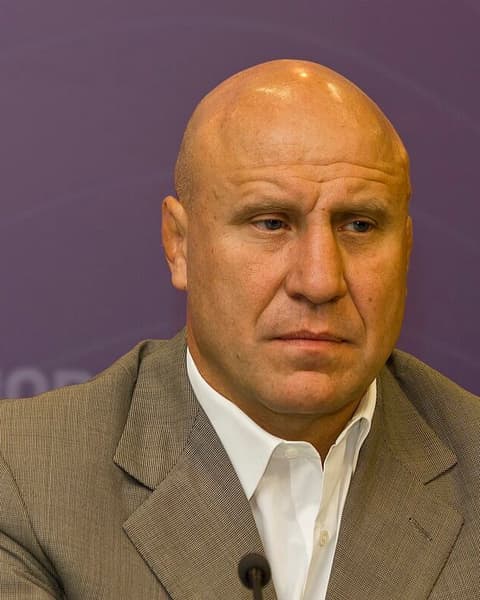
A boxing clinch ties up your opponent's arms at close range so neither of you can punch until the referee breaks it. Boxers use it to stop a…

Defence
9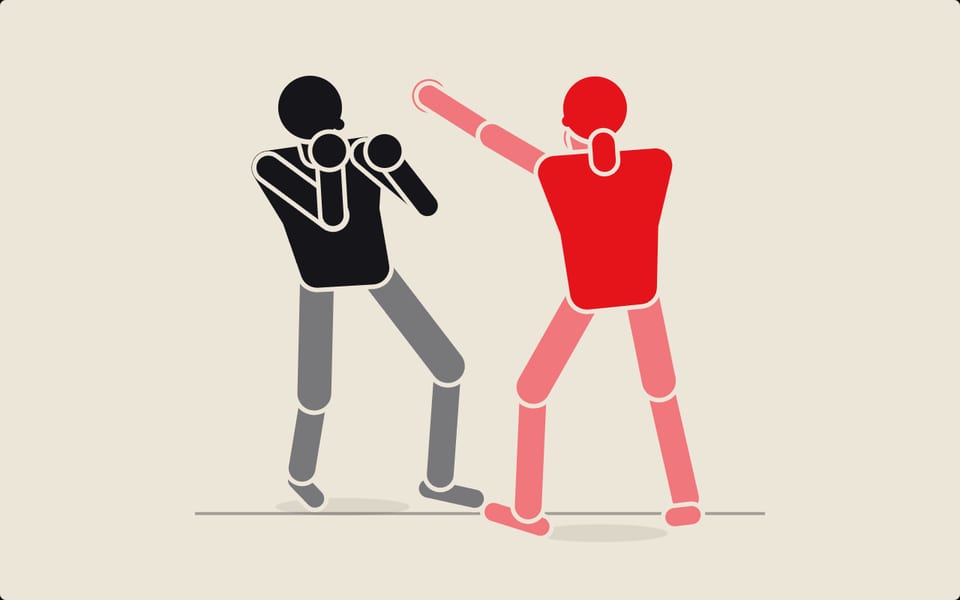
A slip moves your head just off the line of a straight punch, so it misses by centimetres while you stay in range to hit back. The movement comes…

 1984–2001
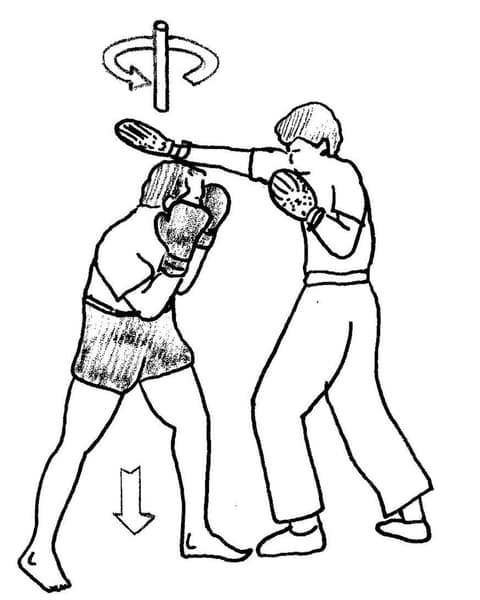
Bobbing and weaving takes your head down and under a hook, then across and up on the other side of the punch. The drop comes from bending your…
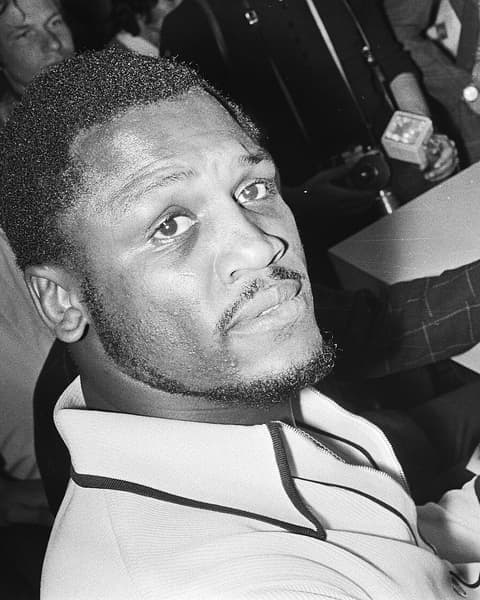
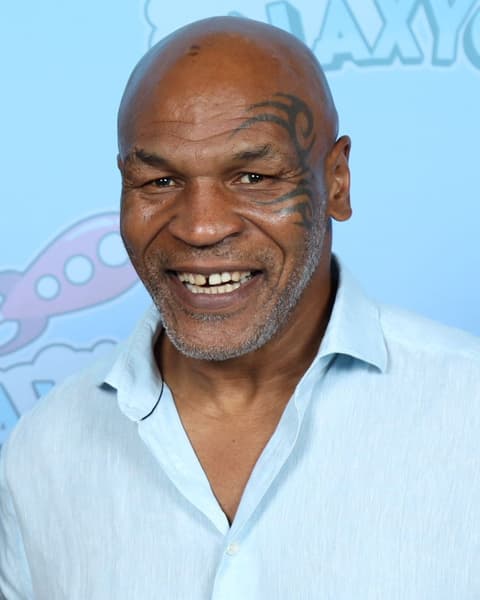
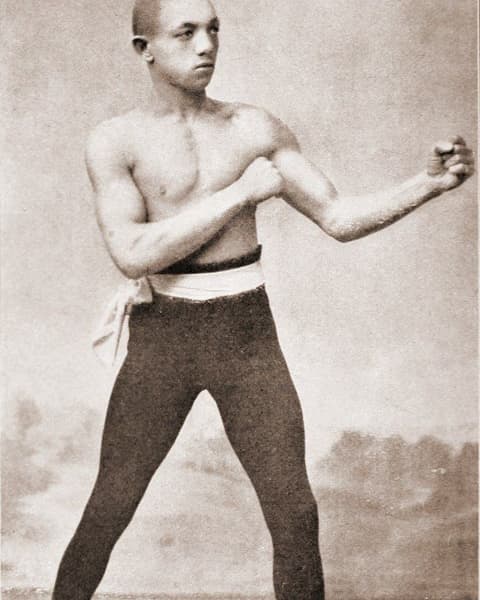
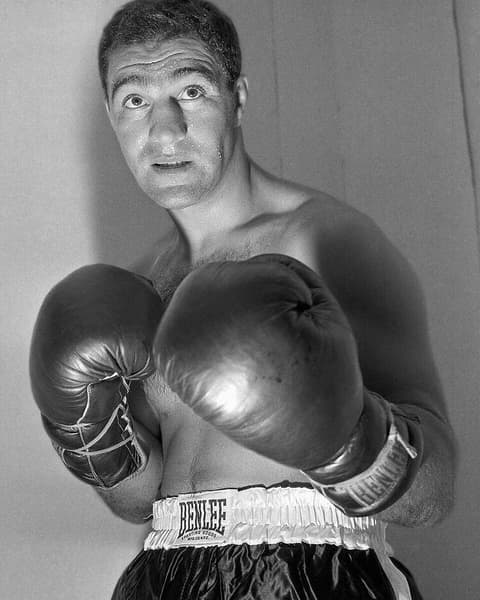
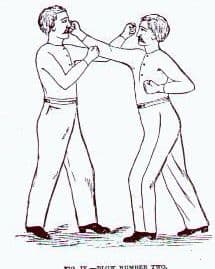
The shoulder roll turns your upper body away from a straight punch so it glances off your raised lead shoulder, then turns you back with a counter.…

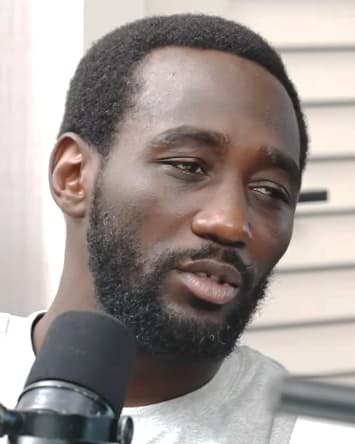
The pull counter shifts your weight back so the opponent's jab or lead punch falls just short, then fires your rear hand straight down the middle…
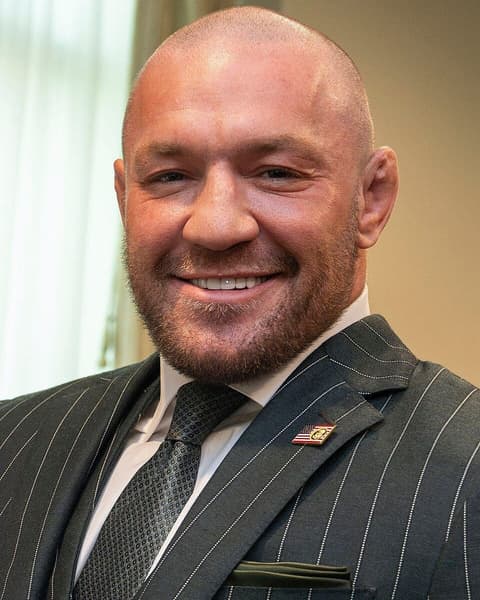
A check blocks a low or body kick by lifting the shin into its path, so the kick lands on your shin instead of your thigh or ribs. It is the…
 c. 1980–1996, 2000–2009
A kick catch traps the opponent's body kick or teep as it lands, leaving them hopping on one leg. From there you can sweep the standing leg, strike…
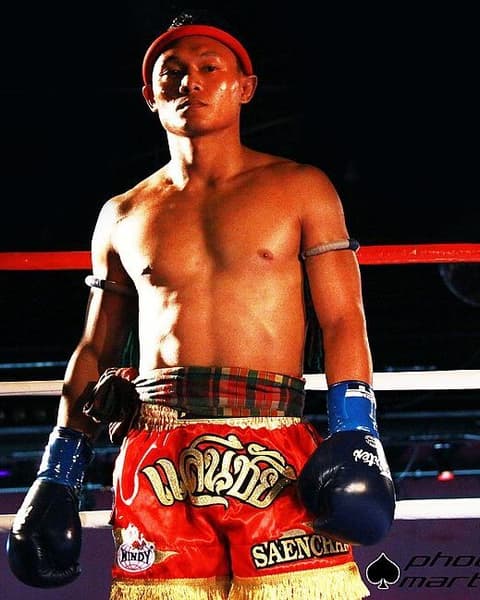
The sprawl stops a leg takedown by throwing your legs back, dropping your hips onto the attacker's head and shoulders and flattening them to the…
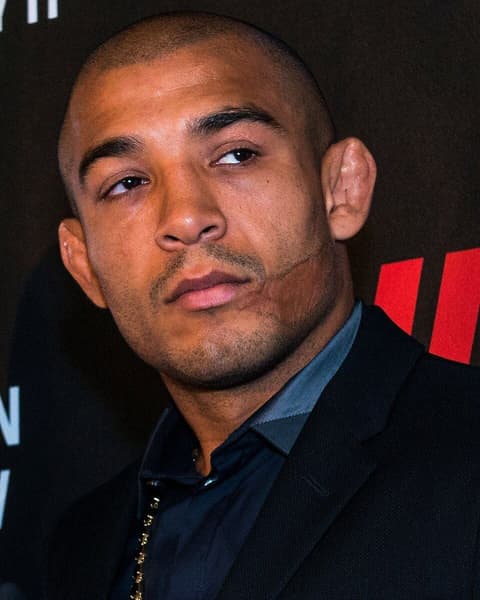
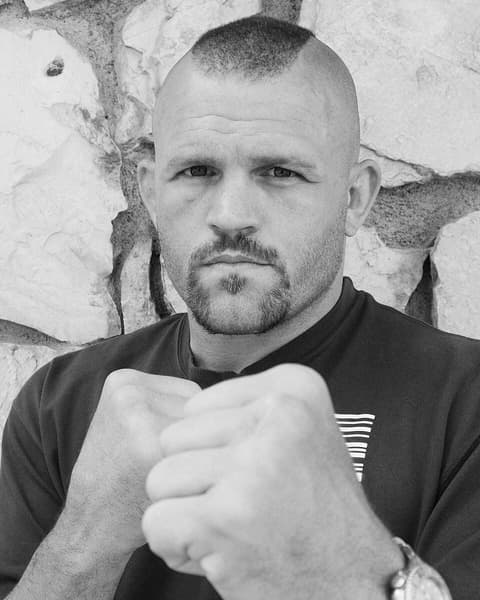
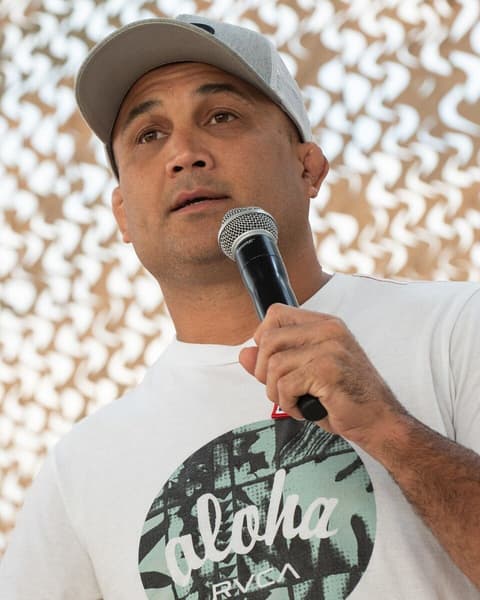
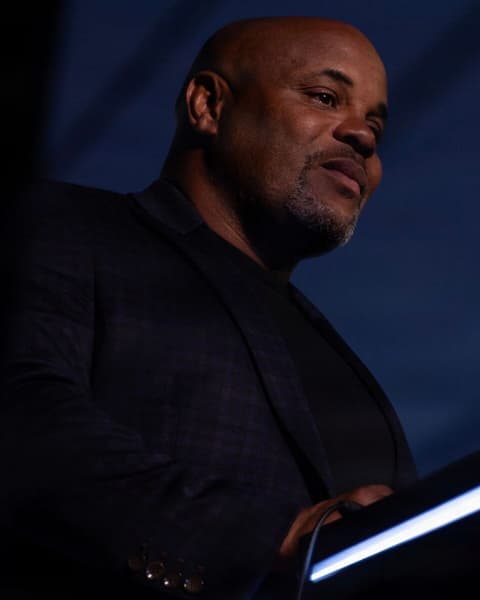
A parry is a short, sharp tap with the open glove that knocks an incoming straight punch off line, most often the jab. Unlike a block, it doesn't…
The high guard brings both gloves up to your forehead and your forearms together in front of your face, so punches land on gloves and arms instead…
Footwork
6The boxing stance is the ready position every punch, defence and step starts from and returns to. Orthodox boxers lead with the left foot and hand,…

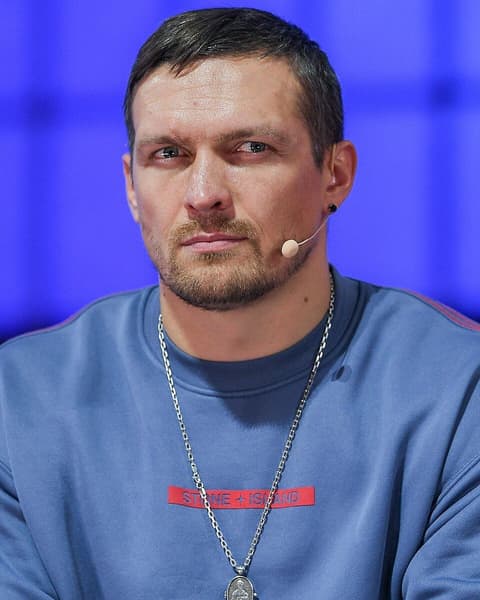
 2002–now
Step and slide is boxing's basic way of moving: the foot nearest the direction you want to go steps first, pushed by the other foot, and the other…
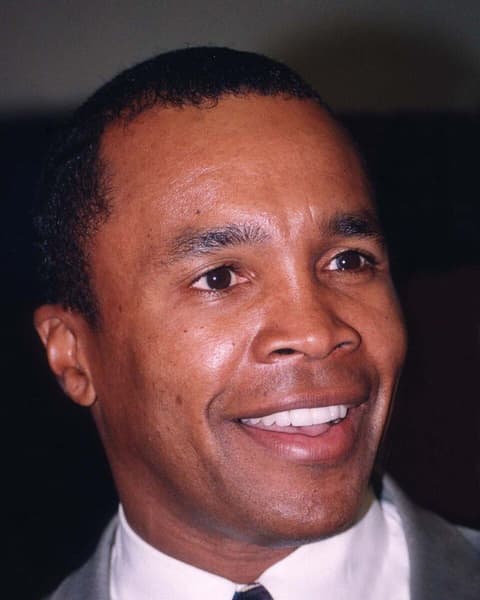
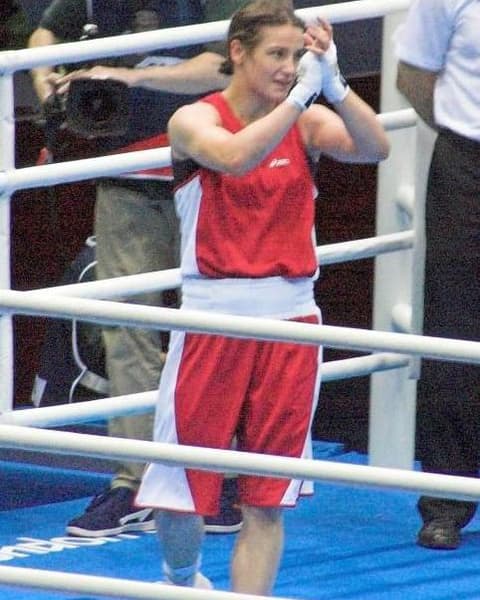
An angle step moves you off your opponent's centre line so you can hit them while their punches point at empty space. It is a short step out to the…
Cutting off the ring means using sideways footwork to take space away from a moving opponent until their back is on the ropes or in a corner.…
Switching stances means changing from orthodox to southpaw, or back, on purpose during a fight. It changes your angles, puts a different hand in…
A pivot turns your whole body around your lead foot, like a door on its hinge. The ball of the lead foot stays planted while the rear foot swings…
Kicks
7The teep is a straight push kick with the ball of the foot to the belly, hips or thigh. Thai boxers call it the foot jab: it keeps distance, stops…
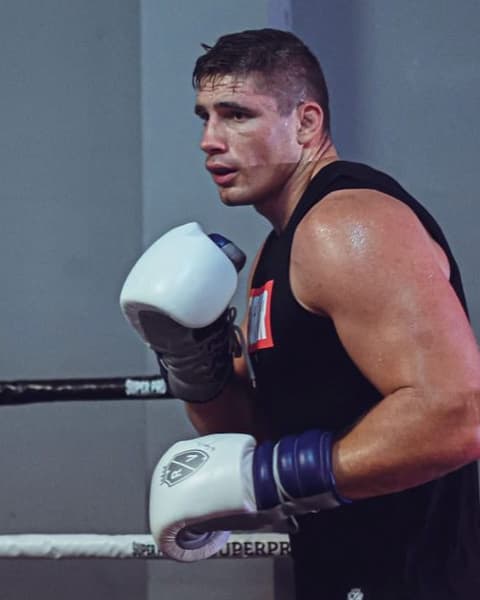
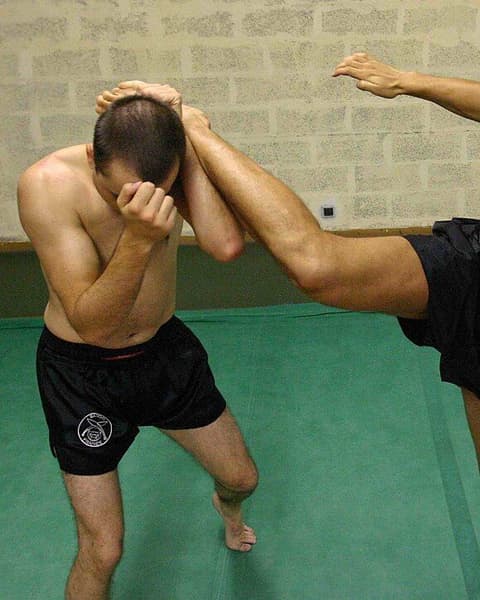
The roundhouse kick swings the leg in an arc into the opponent's side, powered by turning the standing foot and the hips over. Muay Thai lands it…
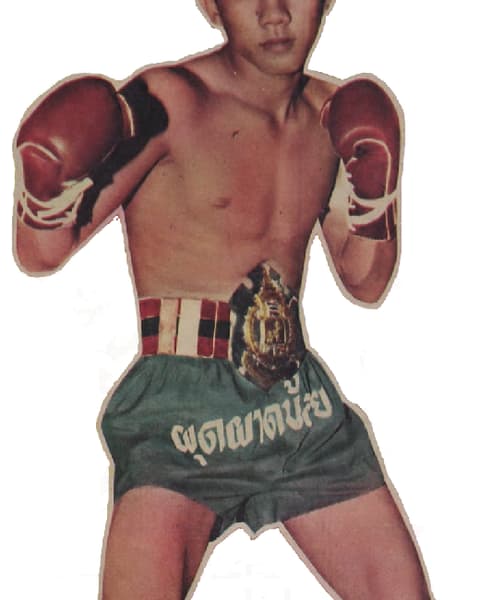
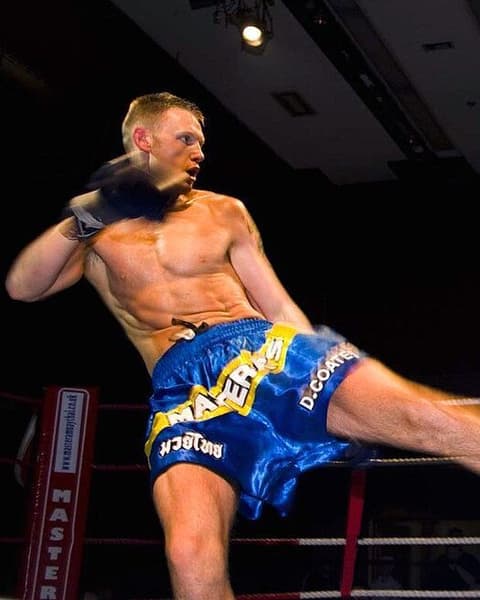
The low kick is a roundhouse kick with the shin to the opponent's thigh or calf. It is hard to see, costs little energy and adds up: repeated low…
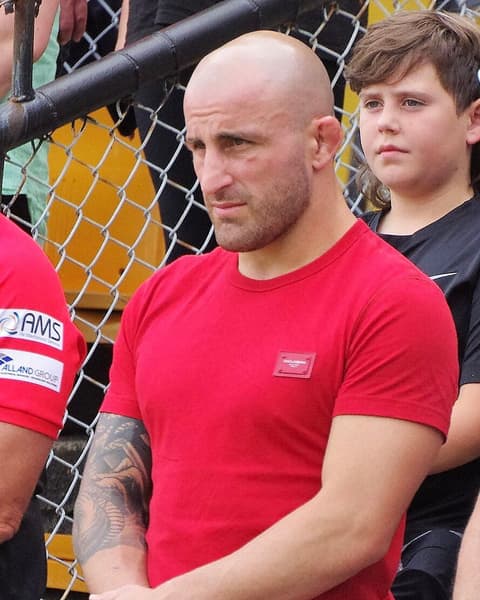
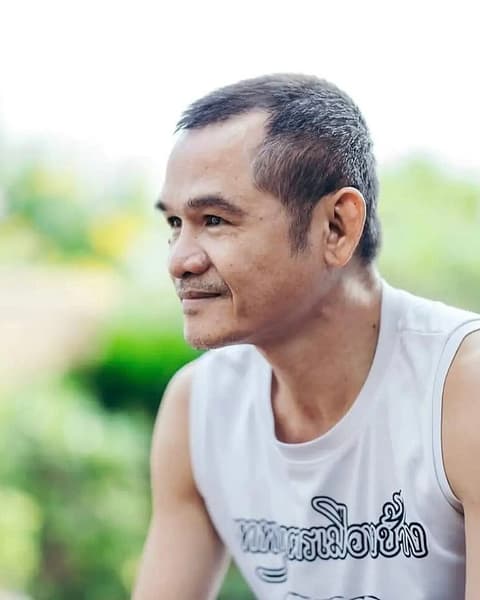
The head kick is a roundhouse kick aimed at the neck or jaw, usually with the rear leg. It needs hip flexibility and a setup, because it travels…
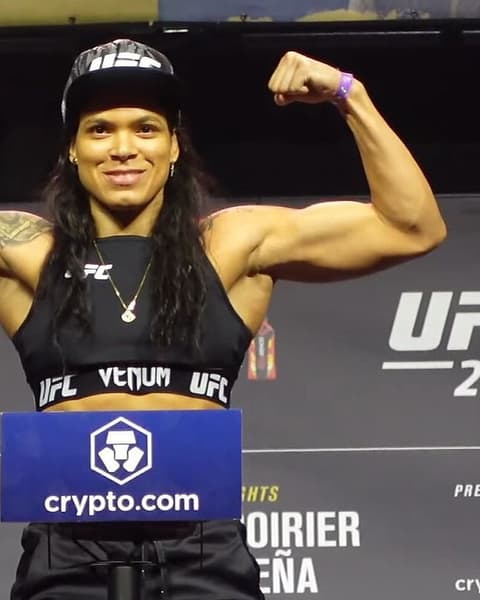
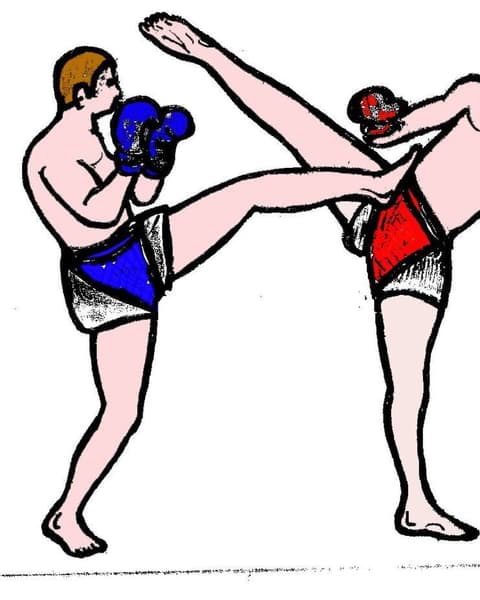
The front kick lifts the knee, then snaps the leg straight out to strike with the ball of the foot or the heel. Where the teep pushes, the front…
The spinning back kick turns your back to the opponent and drives the heel straight back into their body. The rotation and body weight go behind a…
 1977–2000
The hook kick extends the leg just past the side of the opponent's head, then snaps the heel back into it from an angle the guard does not cover.…
Knees and elbows
3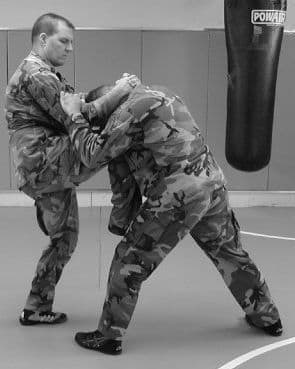
The straight knee drives the knee forward and up into the opponent's body, powered by thrusting the hips. It is the main weapon of the Muay Thai…
The flying knee jumps forward off one leg and drives a knee into the opponent's head or body as you arrive. It covers distance fast and catches…
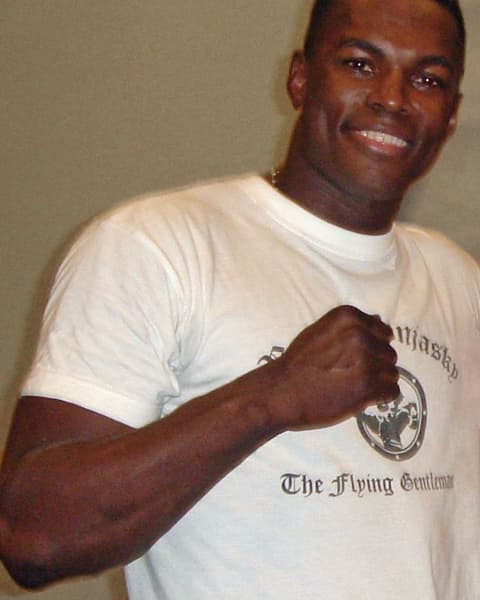
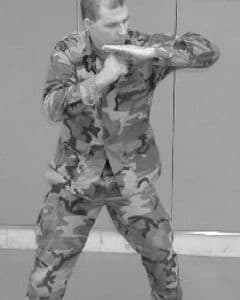
The elbow strike uses the point of the elbow or the forearm just below it as a short, heavy blade at close range. Muay Thai fighters throw it…
Punches
12Ground and pound means taking the opponent down, holding a dominant top position and striking with punches, hammerfists or elbows where the rules…
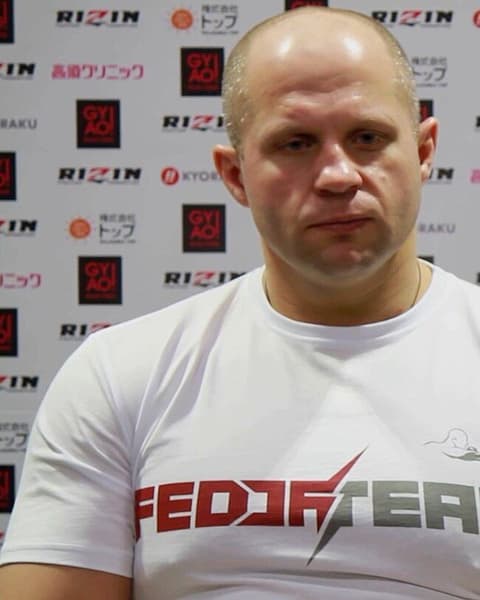


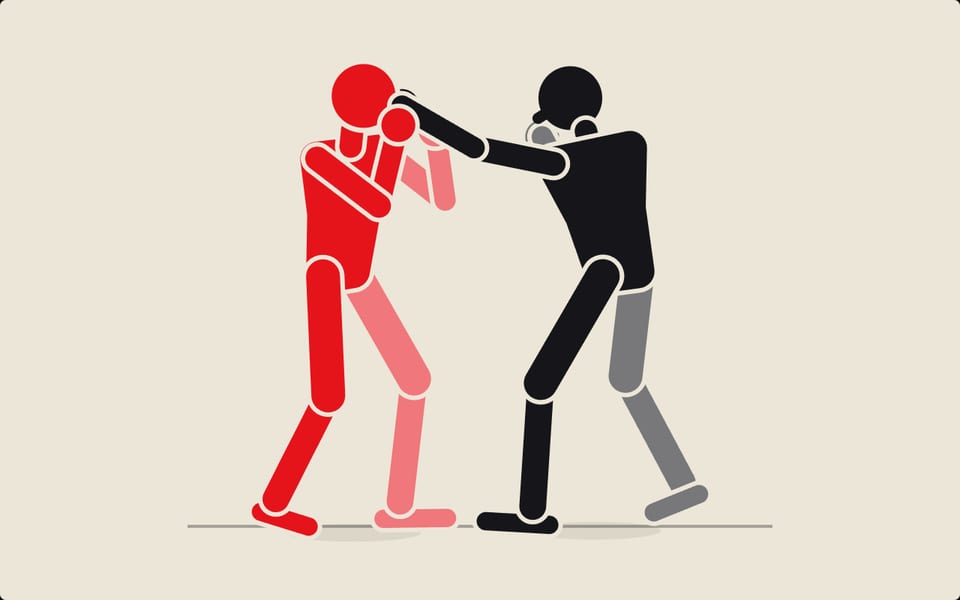
The jab is a fast, straight punch with your lead hand. It starts closest to the target and needs the least commitment, so it is the most-used punch…

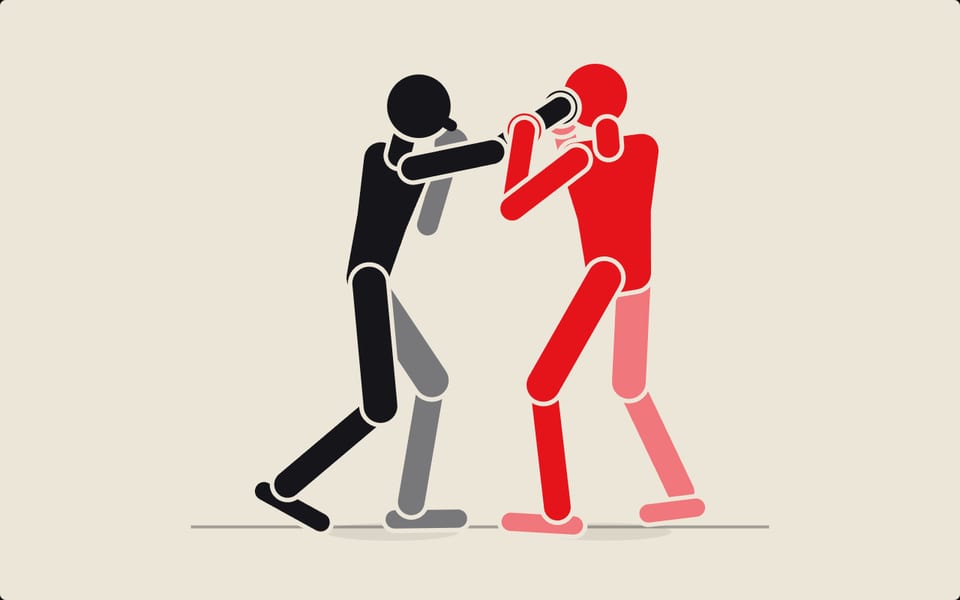
The cross is the straight punch with your rear hand: the right for an orthodox fighter, the left for a southpaw. The rear foot, hips and shoulders…
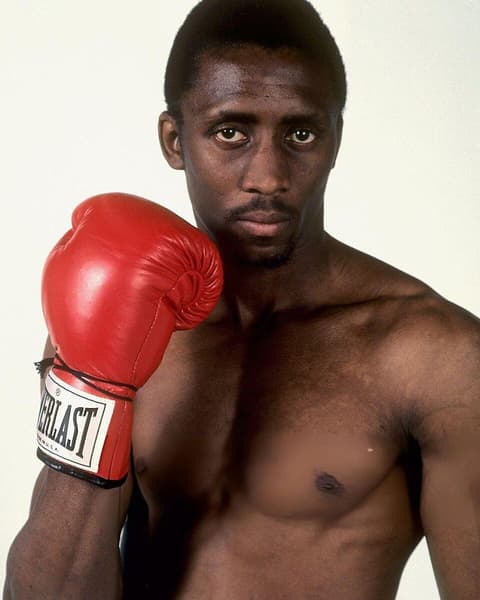
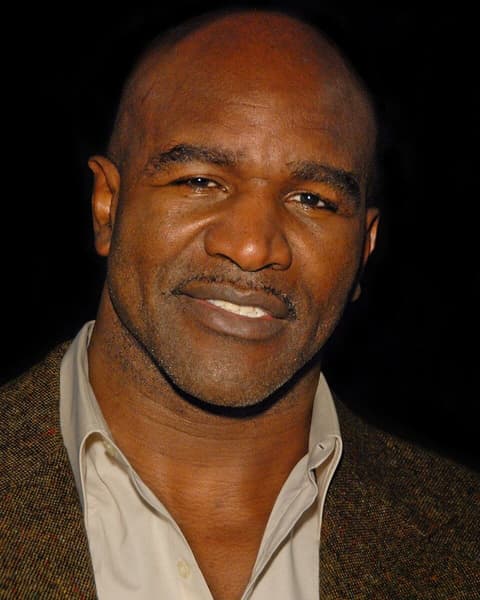
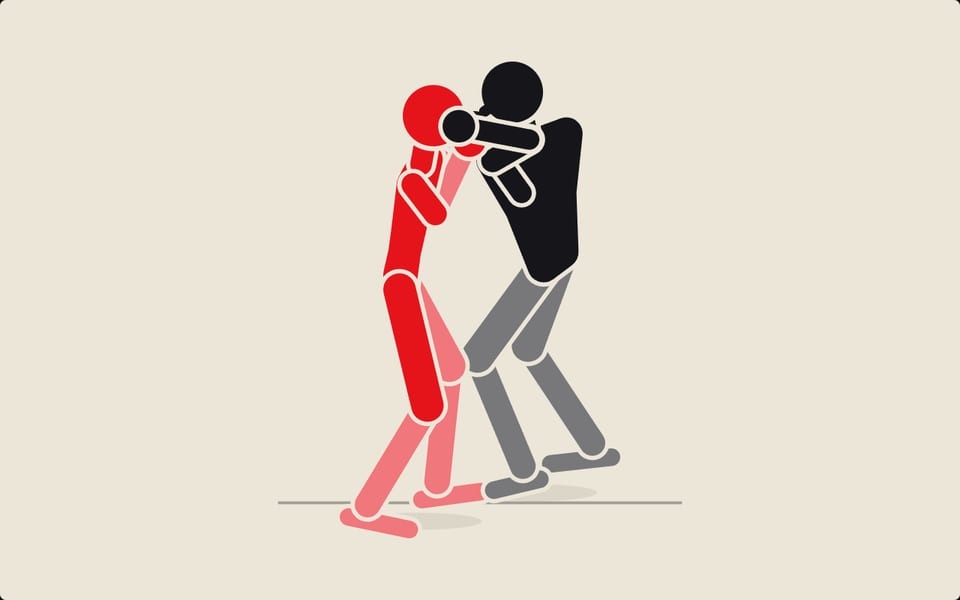
The hook is a bent-arm punch that travels on a short horizontal arc into the side of the jaw or the body. Its power comes from turning the foot,…
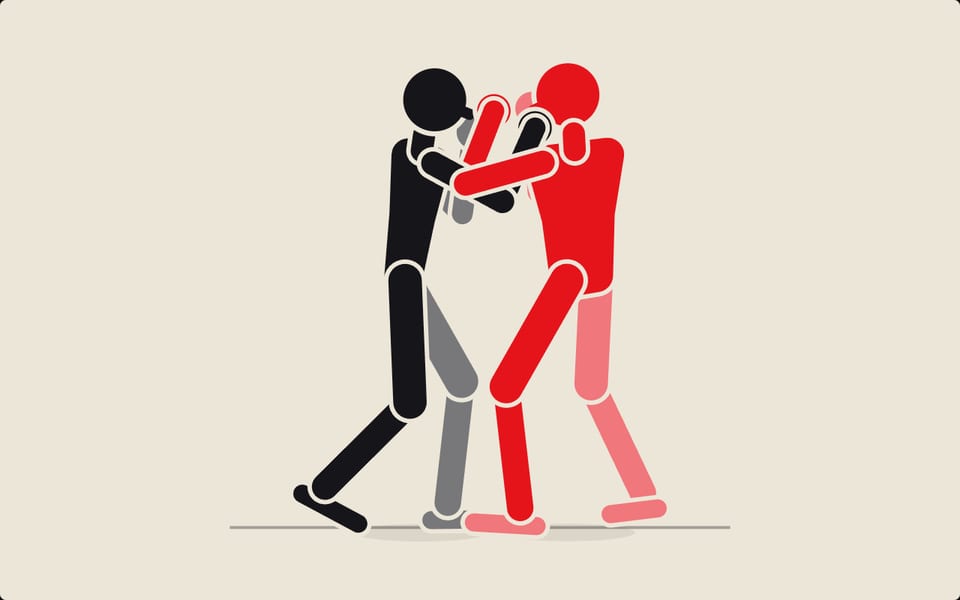
The uppercut is a close-range punch that rises vertically from below the opponent's line of sight into the chin or the solar plexus. It is the…
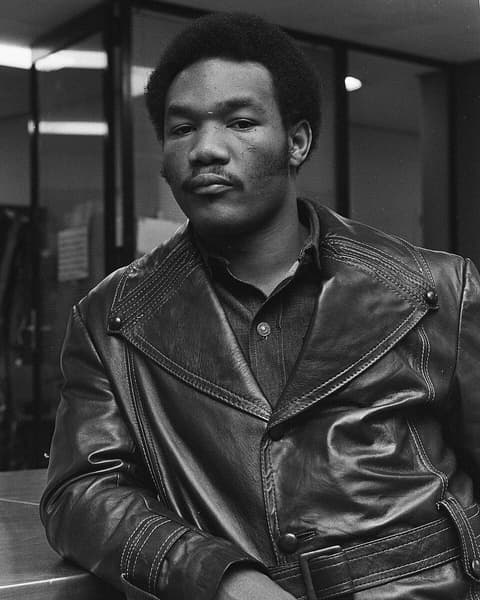
The overhand is a looping rear-hand punch that arcs over the opponent's lead hand or jab and drops onto the head from above. Dropping your body…
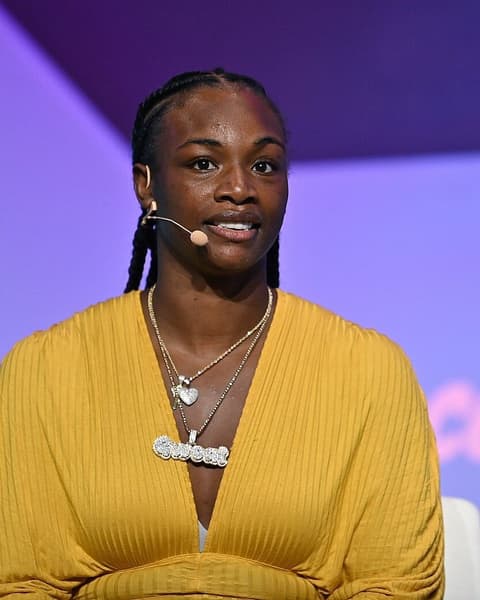
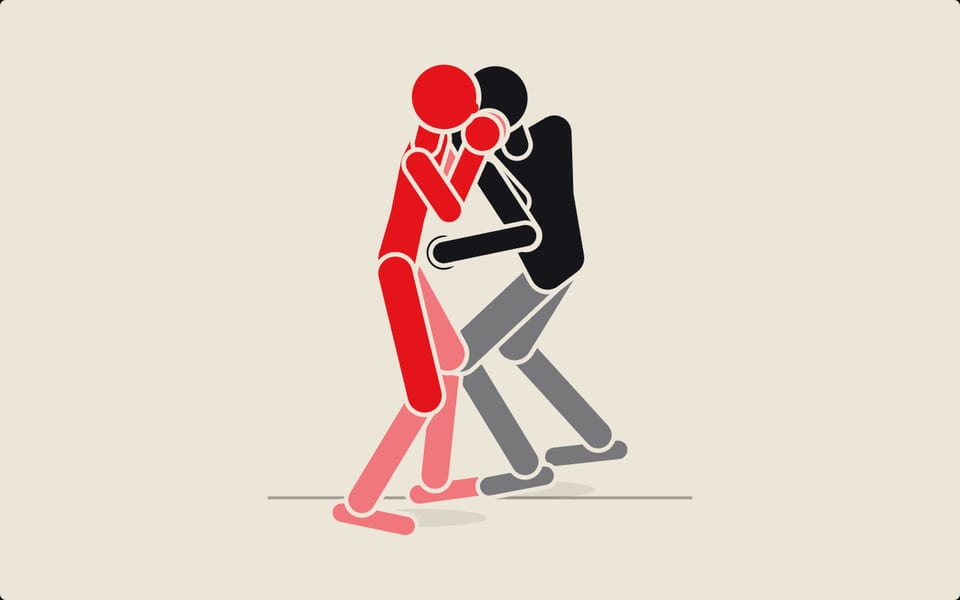
The body hook is a hook driven into the side of the ribcage. The classic version is the lead hook to the liver, which sits under the ribs on the…
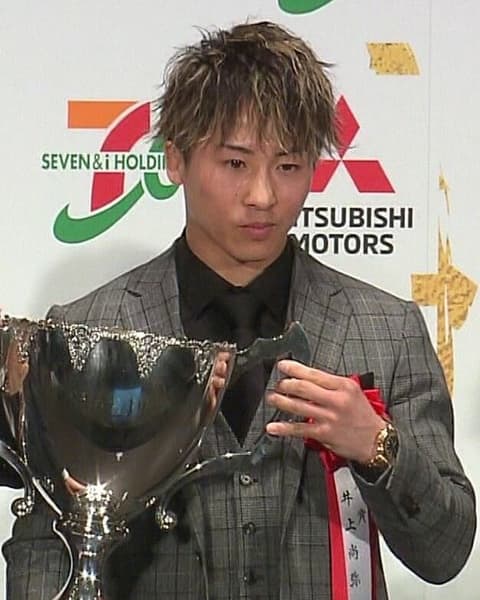
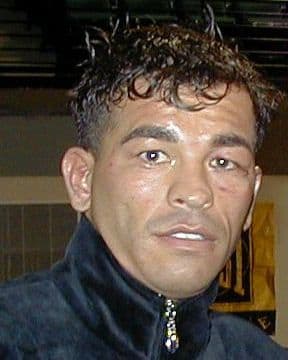
A combination is a planned chain of punches in which each one sets up the next: the jab blinds and measures, the cross turns the hips, and that…
The spinning backfist turns the body a full circle and lands the back of the fist on the side of the head. The spin adds momentum and arrives from…
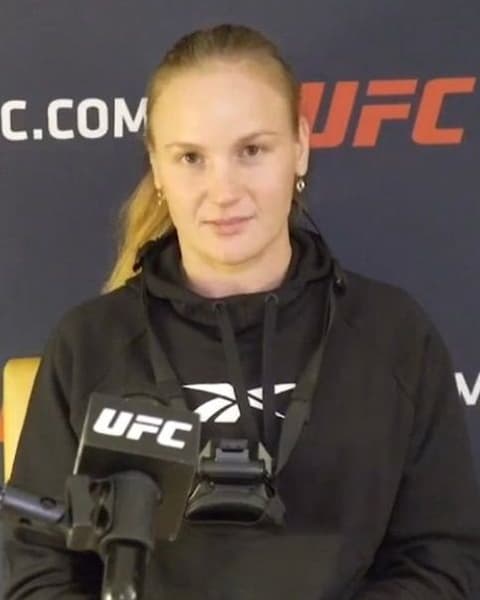
The check hook is a lead hook thrown as the opponent rushes in, combined with a pivot that takes you off their line. They run onto the punch and…
The shovel hook is a short hybrid of the hook and the uppercut: it travels forward and upward on a diagonal, with the elbow tucked and the fist…
The cross-counter is a rear-hand punch thrown the instant the opponent jabs: you slip your head inside the jab and drive a straight right over…
Positions
4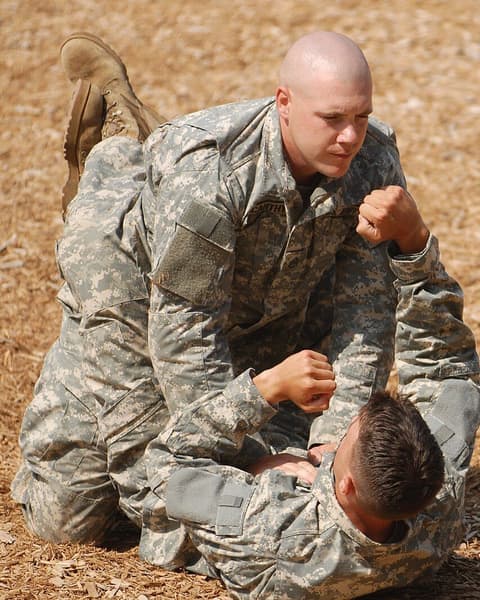
Closed guard is the bottom position with your legs wrapped around the opponent's waist and your ankles crossed. It controls their posture and…
 2010–now
Open guard is any guard where your legs control the opponent without being locked around them: feet on the hips or biceps, hooks inside the thighs,…
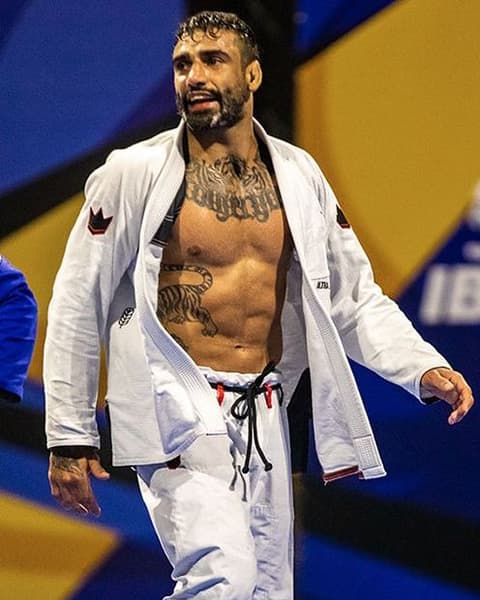
A guard pass gets you past the opponent's legs from the top into side control or mount. Most passes share the same ideas: control the hips or legs,…
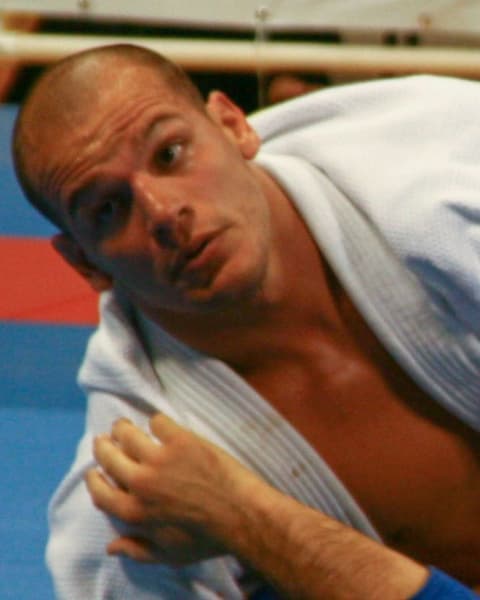
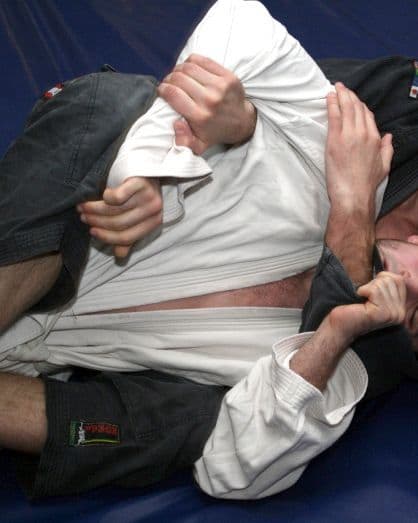
Back control means being behind the opponent with your chest on their back, usually with a seatbelt grip across their chest and your heels hooked…
Pins
4The mount is the top position where you sit astride your partner's torso with a knee on each side. In judo it becomes tate-shiho-gatame when you…
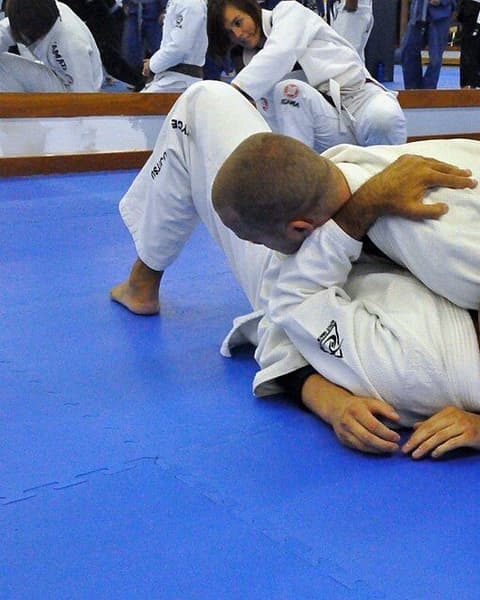
Side control pins your partner flat on their back from the side. You lie across them chest to chest, one arm under their neck and the other…


Kesa-gatame is judo's classic side pin. You sit beside your partner's chest, trap their near arm, wrap your other arm around their head and press…

Kami-shiho-gatame pins your partner from above their head. You lie chest to chest with your knees wide, slide your arms under their shoulders, grip…
Principles
2Kuzushi is breaking your partner's balance so they cannot resist your throw. In judo it is the first of three parts of every throw: kuzushi (break…
Kumikata is the way you take hold of your partner's jacket. In judo most attacks start here: the grip helps you control your partner and, under the…
Submissions
10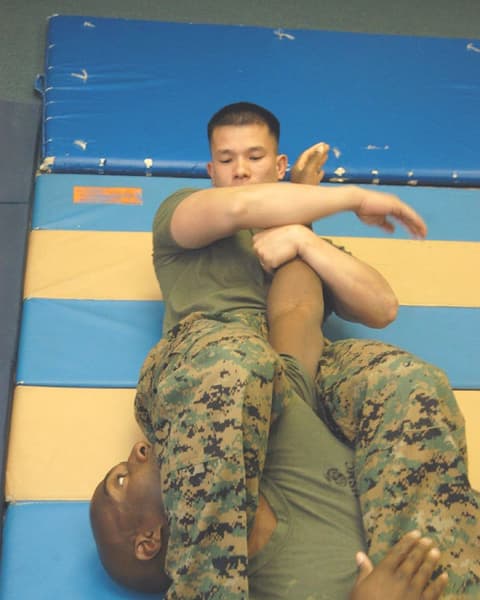
The armbar traps your partner's arm between your thighs, holds their wrist against your chest and lifts your hips so the elbow is forced straight,…

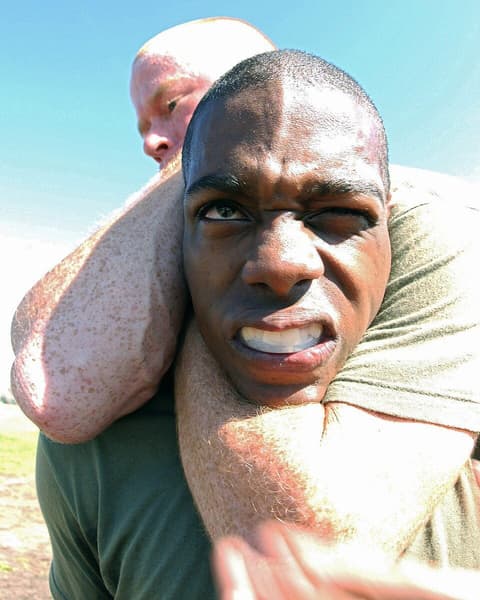
The rear naked choke is a strangle applied from behind. One arm wraps the neck with the crook of the elbow under the chin, that hand grips your…
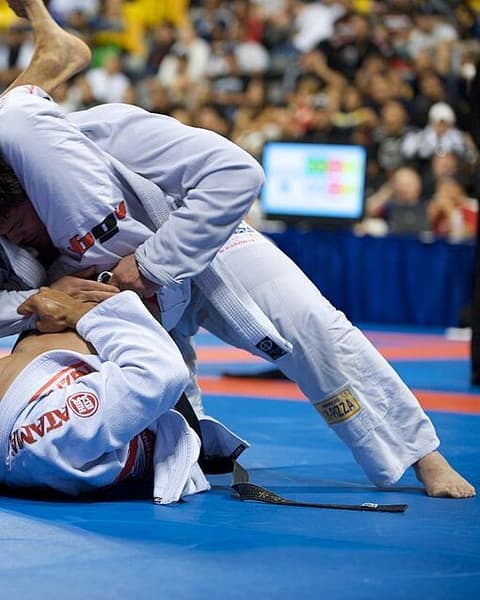
The triangle choke traps your partner's head and one of their arms inside a triangle made by your legs. One of your thighs and their own shoulder…
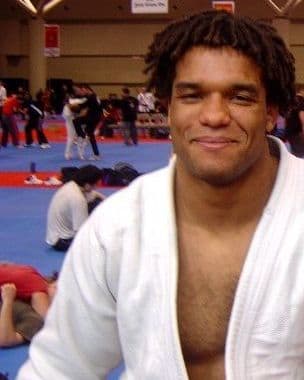
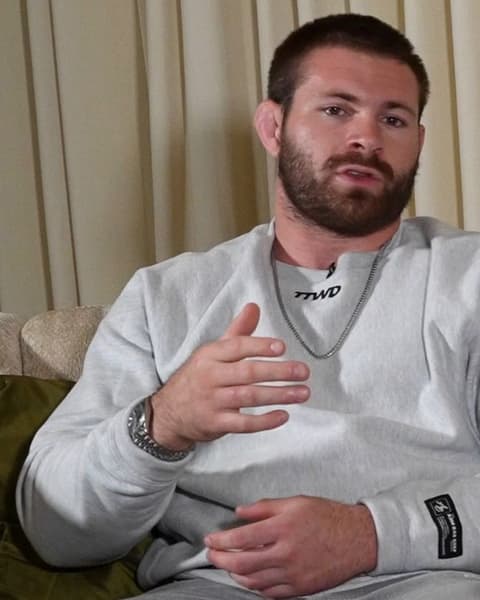
The kimura is a figure-four lock on the shoulder and elbow. You hold your partner's wrist, thread your other arm behind their upper arm, grip your…

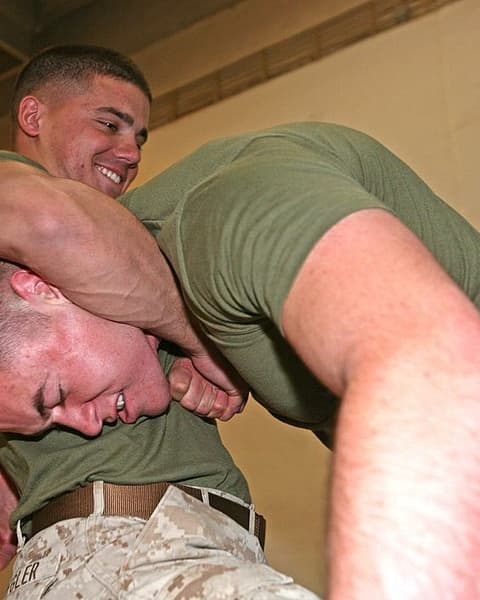
The guillotine is a front choke: wrap your arm around the opponent's neck so your forearm runs across their throat, lock your hands and lift. It…
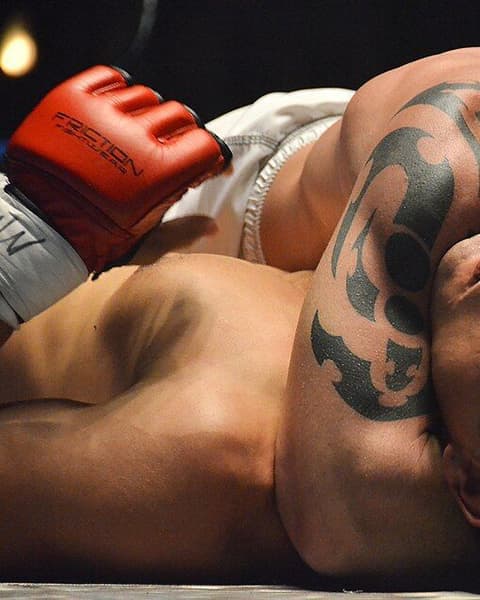
The arm-triangle traps the opponent's head and one arm together, so their own shoulder presses into one side of the neck while your arm presses the…
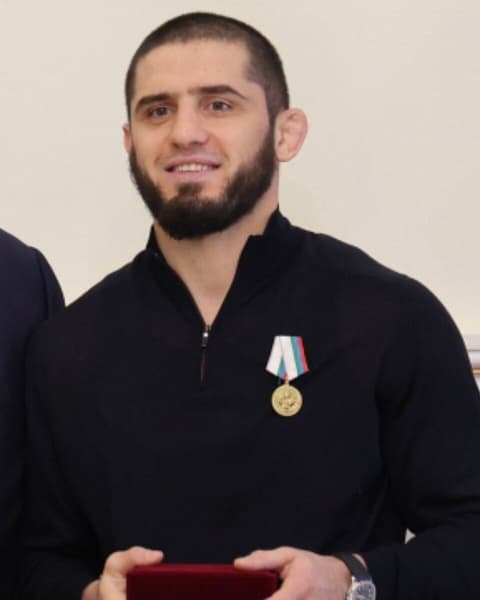
The toe hold is a figure-four foot lock: grip the top of the opponent's foot near the toes, thread your other arm under their Achilles tendon and…
The heel hook traps the opponent's heel in the crook of your elbow and rotates it, twisting the knee rather than the ankle. It is one of the most…
The kneebar is an armbar for the leg: trap the opponent's leg between yours, hug it to your chest with their kneecap pointing at you, and extend…
 2008–2023
The straight ankle lock traps the opponent's foot in your armpit and levers your forearm into the Achilles tendon while your hips push forward,…
Tactics
2Counterpunching means letting the opponent attack first, making the attack miss or land on your guard, and hitting back into the opening it leaves…
A feint is a threatened punch that you never throw: a twitch of the lead shoulder, a half-jab, a shift of the eyes or a dip of the knees. When the…
Takedowns
6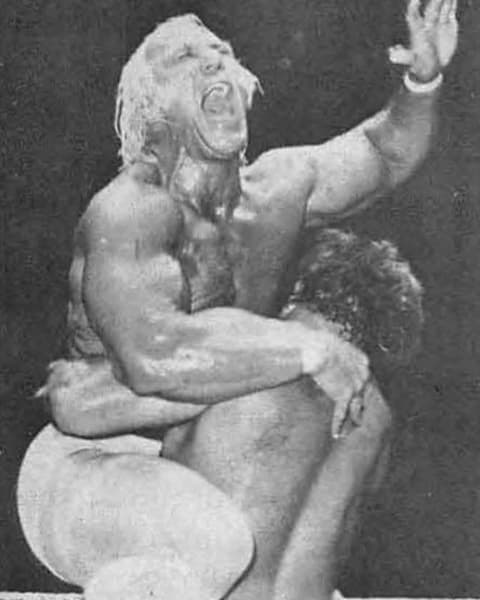
A body lock wraps both arms around the opponent's torso and locks the hands, pulling their hips tight to yours. From it you can lift, tilt or trip…
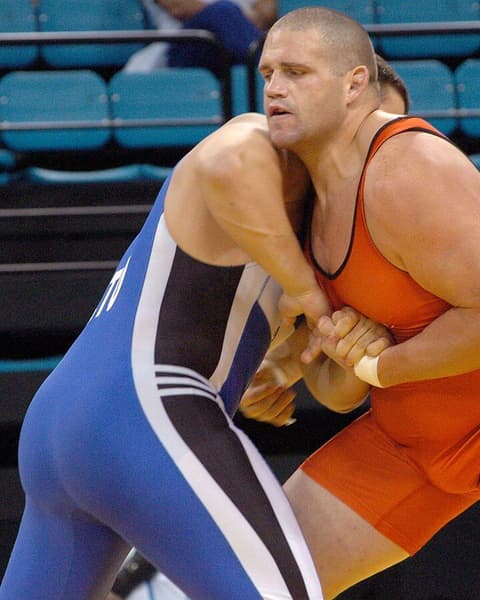
The double-leg takedown drops under the opponent's guard, wraps both legs and drives them to the mat. It is one of the most common takedowns in…
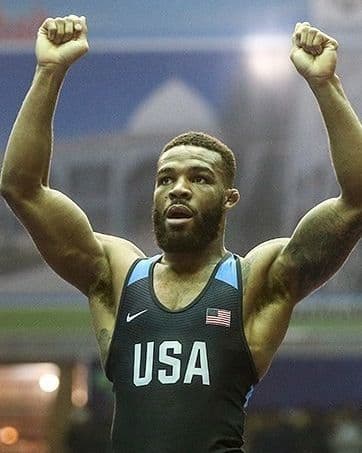
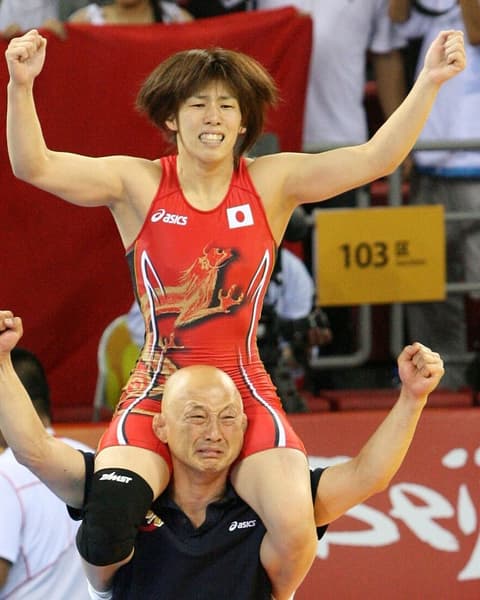

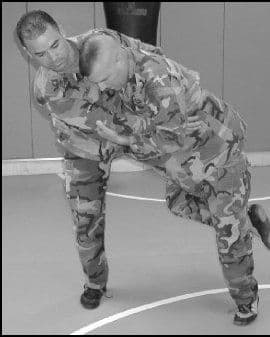
The single-leg takedown captures one of the opponent's legs and uses it to take away their balance, then finishes by turning the corner, tripping…

The fireman's carry drops under the opponent's arm, takes their thigh and rolls them across your shoulders to the mat. It is fast, scores well when…
Morote-gari is judo's double-leg takedown. You drop your level, step between your partner's feet, wrap both arms around their legs above the knees…
Kuchiki-taoshi is judo's single-leg takedown, sometimes translated 'dead tree drop'. You step outside your partner's leg, grab it with one hand…
Throws
12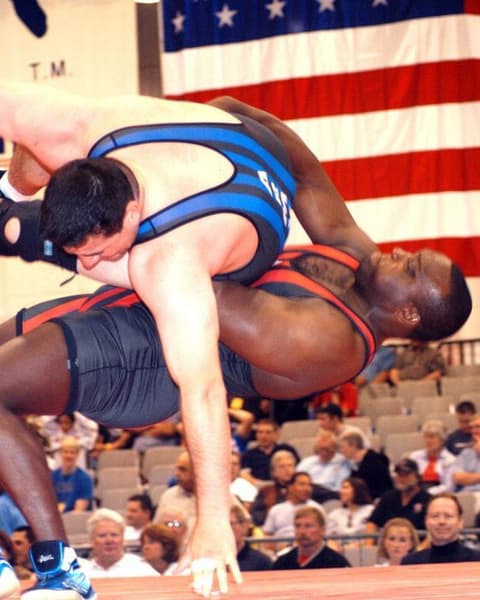
A suplex lifts the opponent from a tight body lock and throws them over by arching back and turning, so they land on their back and you land on…

 1948–1982
Uchi-mata is judo's inner thigh throw. You open your partner's feet, break their balance forward, turn in and swing your leg up between theirs,…
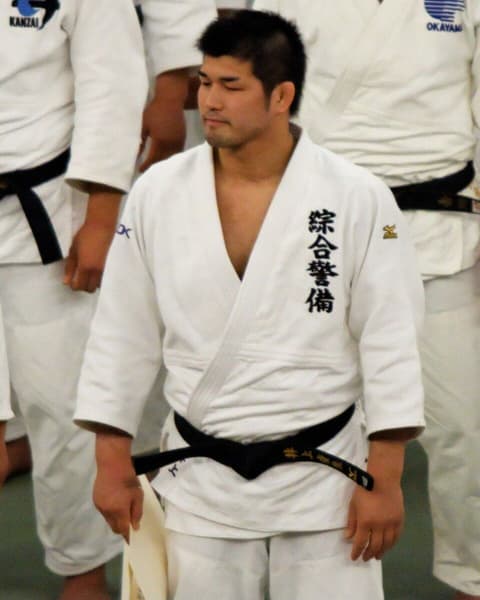

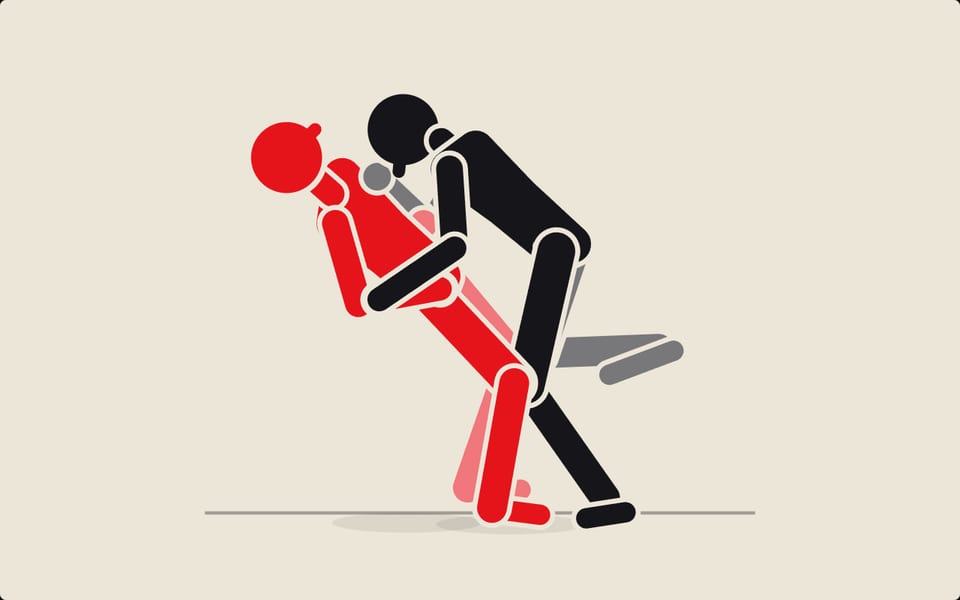
Osoto-gari is the 'major outer reap'. You break your partner's balance back onto one heel, step deep beside that leg and reap it away from behind…

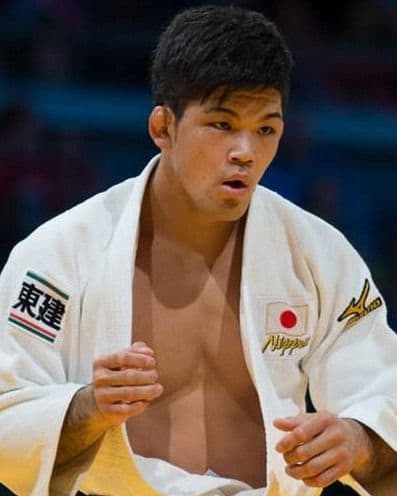
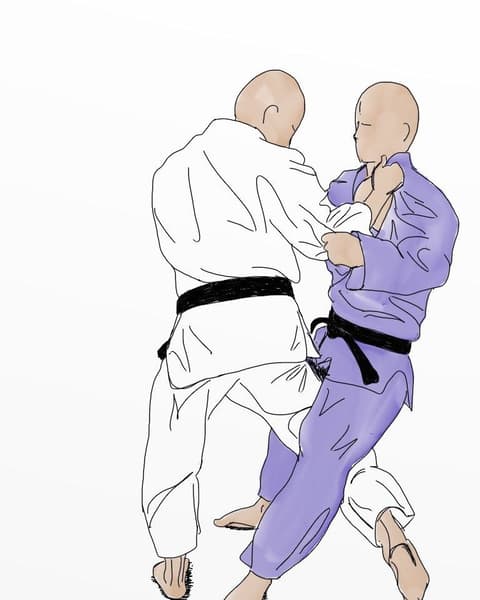
Ouchi-gari is the 'major inner reap'. You step in chest to chest, hook your leg around the inside of one of your partner's legs and sweep it out…
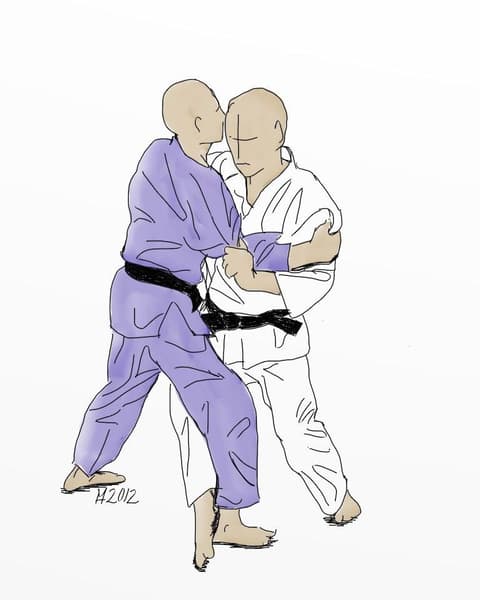
Kouchi-gari is the 'minor inner reap'. You catch your partner's heel from the inside with the sole of your foot and flick it forward just as their…
 2005–2019
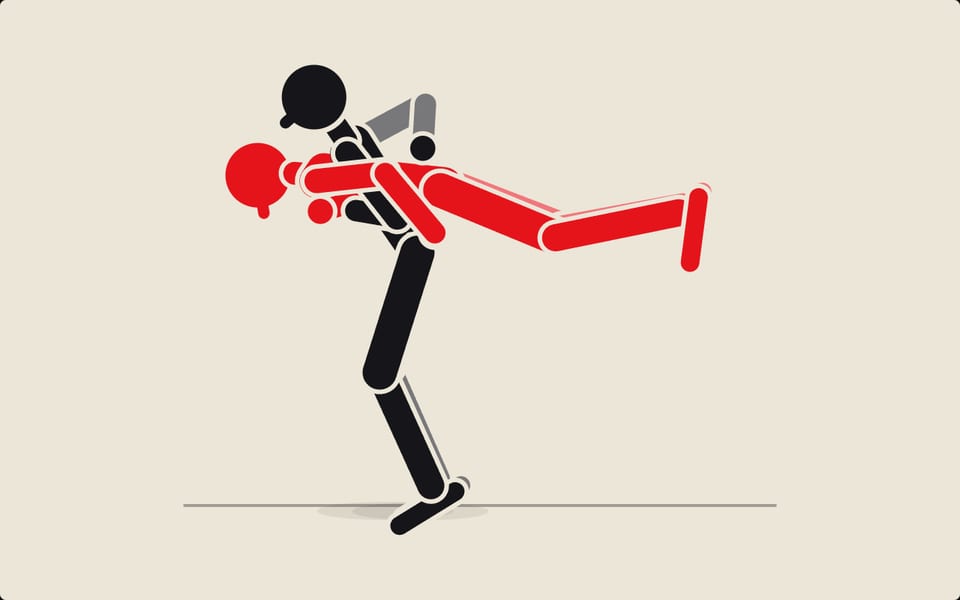
O-goshi is judo's major hip throw. You turn in with your hips lower than your partner's, wrap an arm around their back, load them onto your hips…
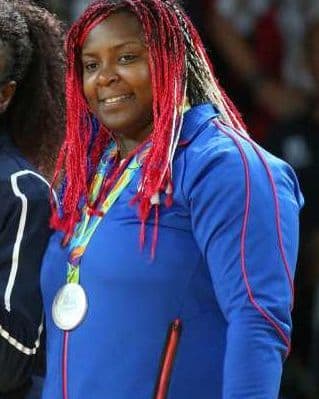
Kosoto-gari is the 'minor outer reap'. You drive your partner's weight back onto one heel, then sweep that heel away with the sole of your foot…
Kosoto-gake is the 'minor outer hook'. You drive your partner's weight back onto one leg, hook that ankle or calf from the outside with your own…
De-ashi-barai is the 'advancing foot sweep'. You wait for your partner to take a step, then sweep that foot along its path at the instant their…
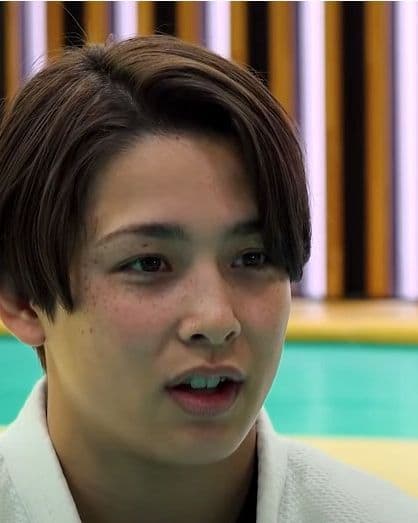
Okuri-ashi-barai is the 'sliding foot sweep'. You herd your partner sideways until their feet come together, then sweep both feet in the direction…
Sasae-tsurikomi-ashi is the 'supporting-foot lift-pull throw'. You pull your partner forward in a circle, block the leg they are stepping onto with…
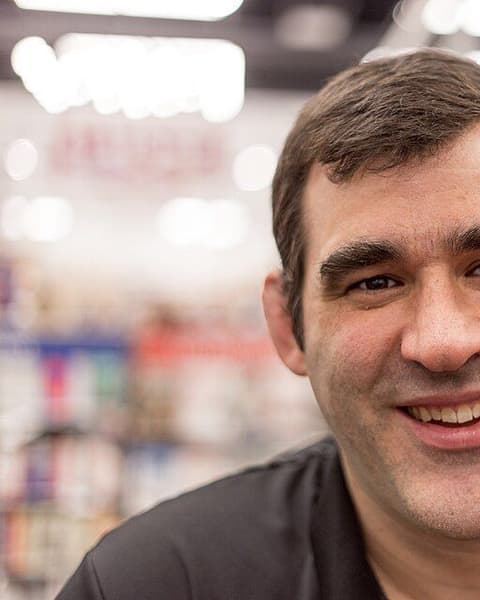
Harai-tsurikomi-ashi is the 'lift-pull foot sweep'. You lift and pull your partner forward onto their toes, then sweep their front ankle backward…
MMA legends

Coaches who fix the details, a system that shows you what to learn next. Join now and book your first class for $20, paid online.