Muay Thai: หมัดเสย Mat soei (“upward punch”)
Also called Lead uppercut, Rear uppercut, The 5 (lead) and the 6 (rear), Undercut (old name)
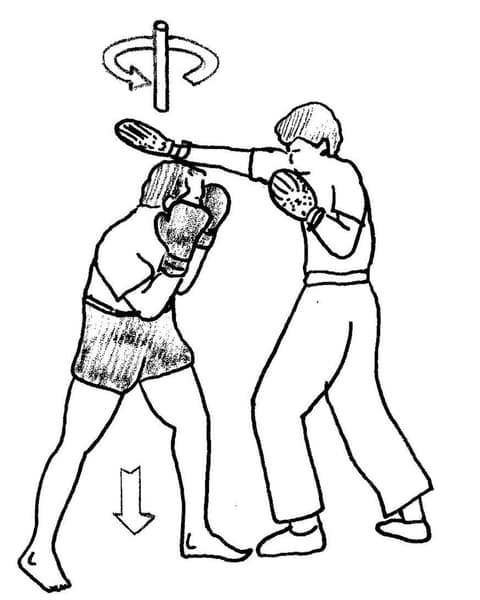
The uppercut is a close-range punch that rises vertically from below the opponent's line of sight into the chin or the solar plexus. It is the answer to an opponent who ducks, crouches or covers up in front of the face, and a knockout punch when it lands clean. The power comes from the legs and the turn of the hips, not from lifting the arm.
Satori's coaches are filming every technique, full speed and slow motion from two angles. Until it's up, the diagram shows the movement step by step.
Watch it
How to do it
Start: Close range, inside the jab, usually as the opponent ducks, crouches or walks forward behind a high guard. Knees slightly bent, both hands at your face.
- 1Sink a little by bending the knees, shifting your weight slightly toward the punching side.
- 2Let the punching hand drop only a few centimetres, elbow tucked in front of your ribs.
- 3Drive up from the legs and turn the hips toward the target; for the rear uppercut the rear heel turns out as in a cross.
- 4Bring the fist up on a short vertical path, palm facing you, forearm close to upright.
- 5Land on the point of the chin or under the breastbone with the big knuckles, and stop before the fist passes eye level.
- 6Bring the hand straight back to your face; the other hand stays on your cheek throughout.
- Legs lift the punch; the arm just rides along.
- Short: the elbow stays in front of your ribs.
- Eyes on the target, not the floor.
- Don't drop the hand to your hip.
- Winding up by dropping the hand to the waist. Fix: drop it only a few centimetres and let the knees do the loading.
- Throwing it from long range. Fix: save it for the inside; from outside it misses and leaves you open to a straight counter.
- Leaning back and lifting with the arm. Fix: drive up through the legs and hips with your chest over your hips.
- A big, obvious dip before it. Fix: dip small and fast, or hide it behind a hook or a body shot.
Safety: Spar uppercuts only once your coach approves, keep them controlled because they land where the opponent cannot see them, and always wear a mouthguard; never practise them on a partner without mitts.
When to use it
- When the opponent ducks, crouches or leans forward.
- Against a high, tight guard with the elbows apart: the uppercut comes up the middle.
- In close exchanges on the inside.
- To catch an opponent who rushes in head-first.
- Throw a lead hook first; the guard shifts to the side and the middle opens for the rear uppercut.
- Punch to the body to bring the elbows down, then bring the uppercut up between them.
- Slip the jab to the inside, then come up with the rear uppercut.
- Mike Tyson's favourite: a right hook to the body, then a right uppercut to the chin.
- Lead hook (the 6-3)
- Cross
- Step out at an angle
- A straight punch down the middle beats a telegraphed uppercut.
- Stepping back or to the side, since the uppercut has almost no reach.
- Smothering it by pressing forward and tying up the punching arm.
- Close the elbows and cover the chin with forearms and gloves.
- Lean back or step out of range instead of ducking straight down into it.
- At close range, post a hand on the shoulder or biceps to smother it.
The physics
The uppercut sends force upward, so its chain runs through the legs more vertically than a straight punch or a hook. Sink a little by bending your knees, then drive up through the legs as the hips turn, so the fist rises on a short, tight path between the opponent's gloves.
Keep the elbow bent and close to your body; a short, stiff arm passes the drive from the legs and hips on to the fist instead of soaking it up. An opponent who leans or steps in adds his own speed to the collision, and a blow under the chin tips the head back on the neck. Load with the legs, not by dropping the hand: a lowered fist telegraphs the punch and opens your own head to a hook.
- Myth: the uppercut is an arm swing. Elite boxers took less of their uppercut speed from the shoulder than juniors did (about 55% versus 67%) and produced far more force (Dinu & Louis 2020).
Switch on Physics and the punch on the diagram is worked out by a physics engine: the arm, the 10 oz glove and the head have their real masses, the glove is padded and the neck gives. We tuned it to a few numbers from the studies below; everything else is the engine's own answer, next to what was measured.
| Engine | Lab | Study | ||
|---|---|---|---|---|
| punch force (the study's estimate) | 4,160N | 3,242 N | +28% | Dinu & Louis, Front Sports Act Living 2020 |
Tuned to: top fist speed 10.2 m/s (Dinu & Louis, Front Sports Act Living 2020).
Masters and famous moments
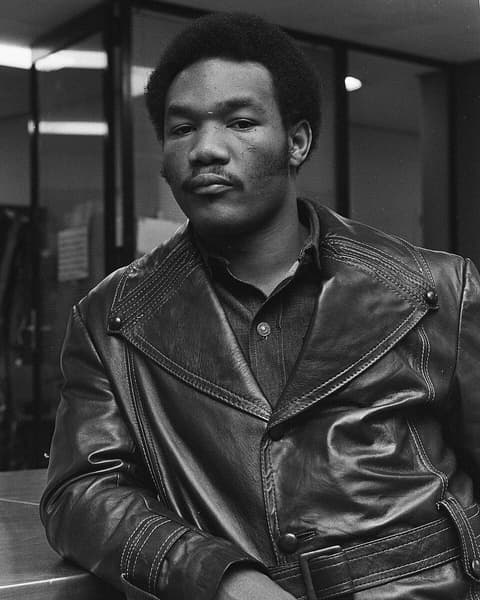
Less than two minutes in, Foreman dropped the unbeaten champion with a right uppercut, and another uppercut put him on his knees late in the round. After six knockdowns the fight was stopped in the second.
In the 11th round Joshua dropped Klitschko hard with a right uppercut, knocked him down again with a left hook and kept punching on the ropes until the referee stopped it.

After seven close rounds, Canelo landed a right uppercut in the eighth that reportedly fractured Saunders' right eye socket, and Saunders did not come out for the ninth.
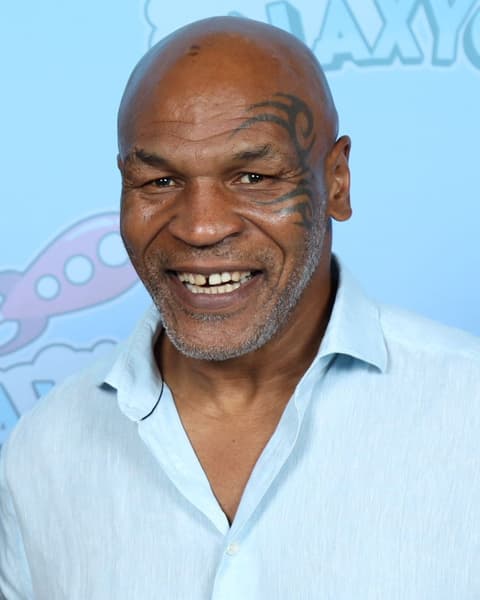
Tyson charged at the opening bell and landed two uppercuts in a row; the second knocked Frazier unconscious 30 seconds into the fight.
Across the arts
Thrown with the lead hand: sink onto the lead leg and drive up with a small turn of the lead hip. Quick at close range, often after slipping to the outside.
Thrown with the rear hand like a rising cross: the rear heel turns out and the hips turn as the knees push up. The heavier of the two.
Aimed at the solar plexus just below the breastbone. Lower your level with your legs so the punch travels up into the target rather than down onto it.
The hybrid of hook and uppercut, thrown at an angle with the elbow tucked. Jack Dempsey stressed the difference: the uppercut rises straight up with the hip under the punching arm moving aside, while the shovel sweeps sideways and up with that hip lifting into it.
History
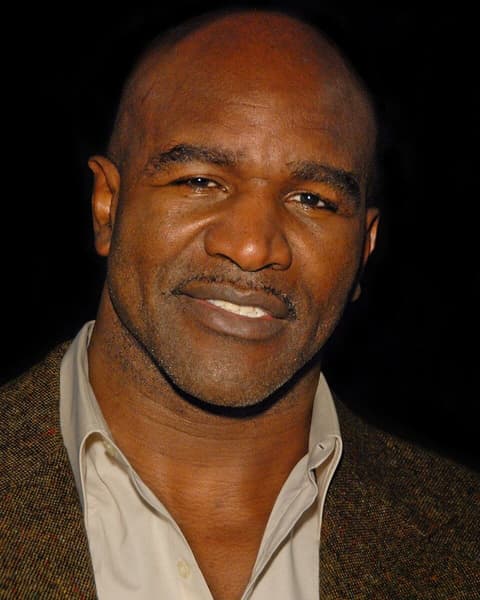
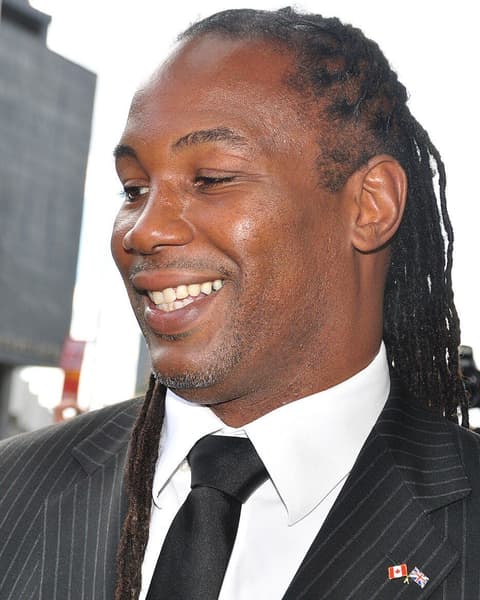
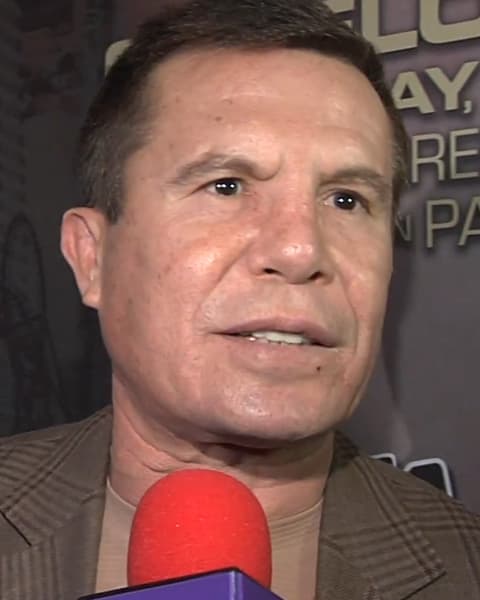
An older name for the punch was the "undercut", and early boxing writing links it to the Regency-era fighter Samuel Elias, known as Dutch Sam. Jack Dempsey's 1950 manual set it apart from the shovel hook: the uppercut shoots straight up while the hip under the punching arm fades aside. Boxers famous for the uppercut include Lennox Lewis, Joe Louis, Julio César Chávez, Sonny Liston, George Foreman and Mike Tyson, who threw it from a deep crouch so the spring of his legs added power.
In the rules
Drills
On a heavy or uppercut bag, start each round with 10 slow lead and rear uppercuts, checking that the knees bend and drive, the elbow stays in front of the ribs and the fist stops at chin height. Then three 3-minute rounds at speed.
Shadowbox pairs: lead hook then rear uppercut, and rear uppercut then lead hook. Bend and turn with each punch without letting your guard drop. Three rounds.
Your partner holds the mitts palm-down at chin height. Throw lead and rear uppercuts in pairs and add a lead hook after every third pair.
Legends known for it






We teach it in Boxing. A coach will fix the details you can't see yourself. Join now and book your first class for $20, paid online.
Related techniques
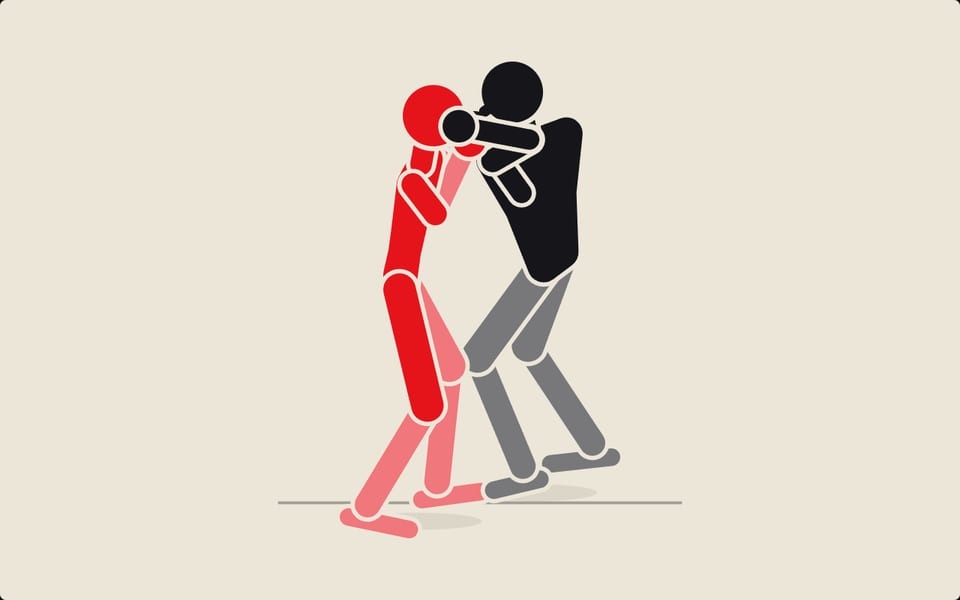
The hook is a bent-arm punch that travels on a short horizontal arc into the side of the jaw or the body. Its power comes from turning the foot,…
The shovel hook is a short hybrid of the hook and the uppercut: it travels forward and upward on a diagonal, with the elbow tucked and the fist…
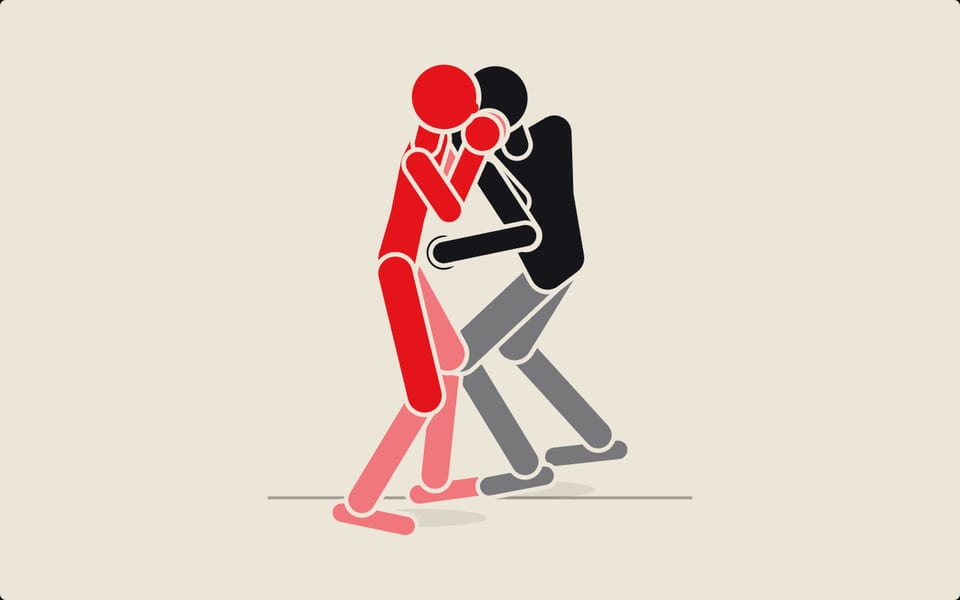
The body hook is a hook driven into the side of the ribcage. The classic version is the lead hook to the liver, which sits under the ribs on the…

A combination is a planned chain of punches in which each one sets up the next: the jab blinds and measures, the cross turns the hips, and that…
Bobbing and weaving takes your head down and under a hook, then across and up on the other side of the punch. The drop comes from bending your…
Counterpunching means letting the opponent attack first, making the attack miss or land on your guard, and hitting back into the opening it leaves…