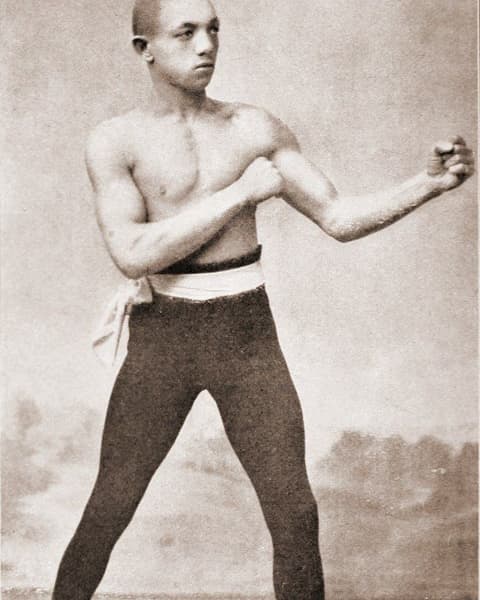
Also called Shovel, Upper-hook, Shovel punch
The shovel hook is a short hybrid of the hook and the uppercut: it travels forward and upward on a diagonal, with the elbow tucked and the fist tilted, so it digs under the opponent's elbows into the liver, the solar plexus or the chin. It is an inside punch, and Jack Dempsey ranked shovels just behind long straight punches in importance, especially against opponents who clinch or bob and weave.
Satori's coaches are filming every technique, full speed and slow motion from two angles. Until it's up, the diagram shows the movement step by step.
How to do it
Start: Close range, in the pocket or on the inside after a slip or a head shot. Elbow tucked close to your side, knees slightly bent, rear hand on your cheek.
- 1At close range, press the lead elbow in against the front of your hip for a body shot, or against your lower ribs for a head shot.
- 2Tilt the fist to about 45 degrees, palm partly up.
- 3Keep your eyes on the opponent's chest, not on the target.
- 4Turn the hips and shoulders sharply, letting the hip under the punching arm lift upward as you turn.
- 5Let the fist travel forward and up on a diagonal with the elbow still close, digging in under the ribs.
- 6Land with the knuckles and bring the hand straight back to guard.
- Elbow on the hip, fist at 45.
- The hip lifts the punch.
- Dig up and in, under the elbow.
- Short: no step, no wind-up.
- Dropping the hand low before throwing. Fix: start from the elbow-in position; the wind-up is only for learning the feel.
- Flaring the elbow so it becomes a wide hook. Fix: keep the elbow against the hip or lower ribs.
- Throwing it from outside. Fix: it is a pocket punch; get inside first with a slip or a combination.
- Glancing at the body before you throw. Fix: keep your eyes on the chest; a look down gives it away.
Safety: Practise shovels only into a bag, a body shield or a partner wearing a body protector; the rising angle into the liver can incapacitate even at moderate power.
When to use it
- In the pocket, where straight punches and wide hooks have no room.
- Against a high guard with the elbows apart.
- Against a bob-and-weaver or a fighter trying to clinch.
- Right after a head shot has lifted the guard.
- Throw hard hooks to the head a few times, then send the same motion to the liver.
- Jab to the head to bring the hands forward, then shovel to the body.
- Jab-cross, then step into range with the lead shovel.
- Slip outside a right hand and counter with a lead shovel to the liver.
- Lead hook to the head
- Rear uppercut
- Clinch or exit at an angle
- A short hook or uppercut to the head while the puncher is low and close.
- Tying up the punching arm in a clinch.
- In Muay Thai and MMA, a knee as the head comes forward.
- Keep the elbows tight to the body and turn slightly into the punch.
- Step back, since the shovel has almost no reach.
- Frame on the shoulder or tie up the arm at close range.
The physics
The shovel hook sits between a hook and an uppercut, travelling on a diagonal line upward and inward. Keep the elbow tucked against your ribs or hip, turn the palm partly up, then bend the knees slightly and drive up and around with the hips so the fist scoops in under the guard.
With the elbow in close, the arm is a short, stiff lever, so the power comes from the legs and the hip turn rather than from the arm swinging. The diagonal path slips between the opponent's elbows at close range, where straight punches and wide hooks have no room, and it can land on the liver, the solar plexus or the chin. Open the elbow or lean away and the lever gets long and weak, and your own ribs are left exposed.
Masters and famous moments
Set up behind the jab, Hopkins dug a short left up under the ribs into De La Hoya's liver, and De La Hoya went down and could not beat the count.
Having dropped Garcia with a counter left hook to the head in the second, Davis dug a left under Garcia's right arm into the ribcage in the seventh; Garcia went to a knee and could not get up.
Across the arts
The most common: an orthodox fighter's lead shovel digs under the opponent's right elbow into the liver.
Thrown with the rear hand to the body or the chin. Jack Dempsey found the right shovel easier for beginners because of the bigger shoulder and hip turn.
The same elbow-in, fist-tilted punch aimed at the chin from close range, with the elbow pressed against the lower ribs instead of the hip.
The uppercut rises straight up and the hip under the punching arm moves aside; the shovel sweeps sideways and up and that hip lifts into it.
History
Jack Dempsey described "shovel hooks" in his 1950 book Championship Fighting: short inside hooks thrown with the elbow pressed to the hip for the body or to the lower ribs for the head, the fist tilted about 45 degrees and the power coming from an upward hunch of the hip. He ranked shovels next to long straight punches in importance and recommended them against clinchers and bob-and-weavers. In Muay Thai, shovel punches arrived through cross-training with Western boxing. Coaching guides point to Bernard Hopkins's 2004 knockout of Oscar De La Hoya as a jab-to-shovel-hook finish.
In the rules
Drills
Stand close to the heavy bag with your elbow pressed to your hip and your fist tilted to 45 degrees. Throw 20 slow shovels on each side, feeling the hip lift the punch, then three rounds of shovel to the body, hook to the head.
Your partner holds a body shield at liver height at close range and throws slow hooks at your head. Cover, then return a shovel to the shield. Two-minute rounds.
We teach it in Boxing. A coach will fix the details you can't see yourself. Join now and book your first class for $20, paid online.
Related techniques
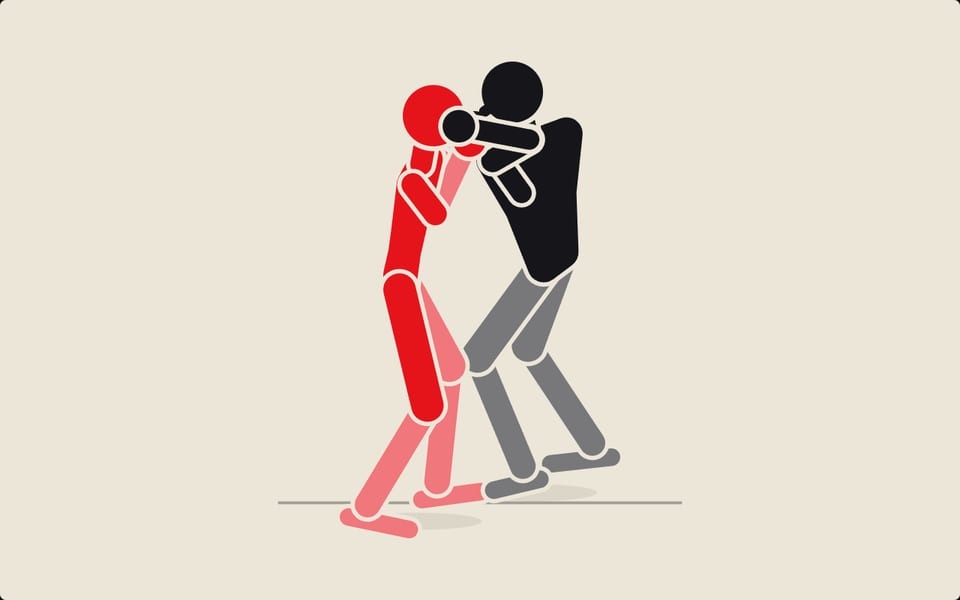
The hook is a bent-arm punch that travels on a short horizontal arc into the side of the jaw or the body. Its power comes from turning the foot,…


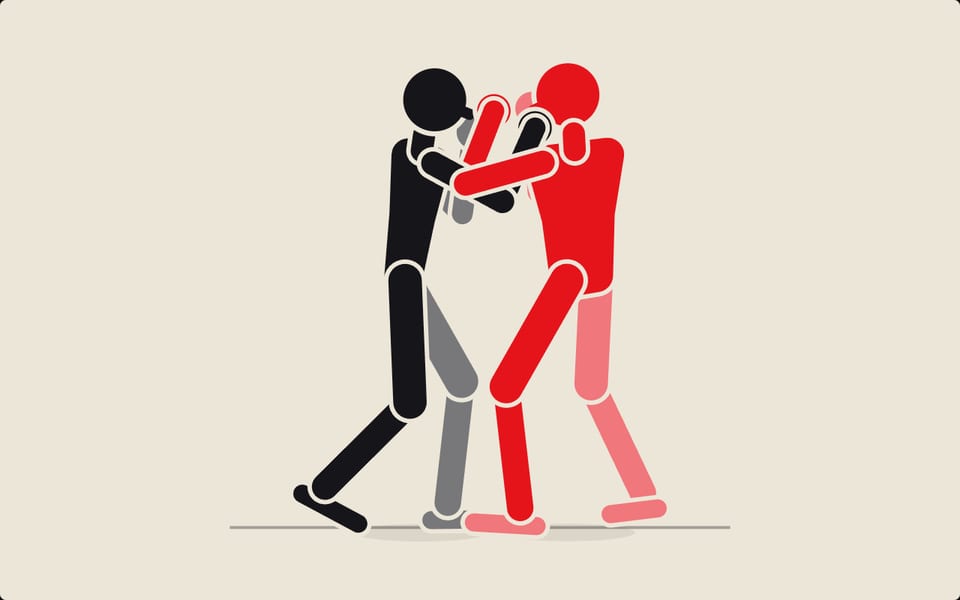
The uppercut is a close-range punch that rises vertically from below the opponent's line of sight into the chin or the solar plexus. It is the…


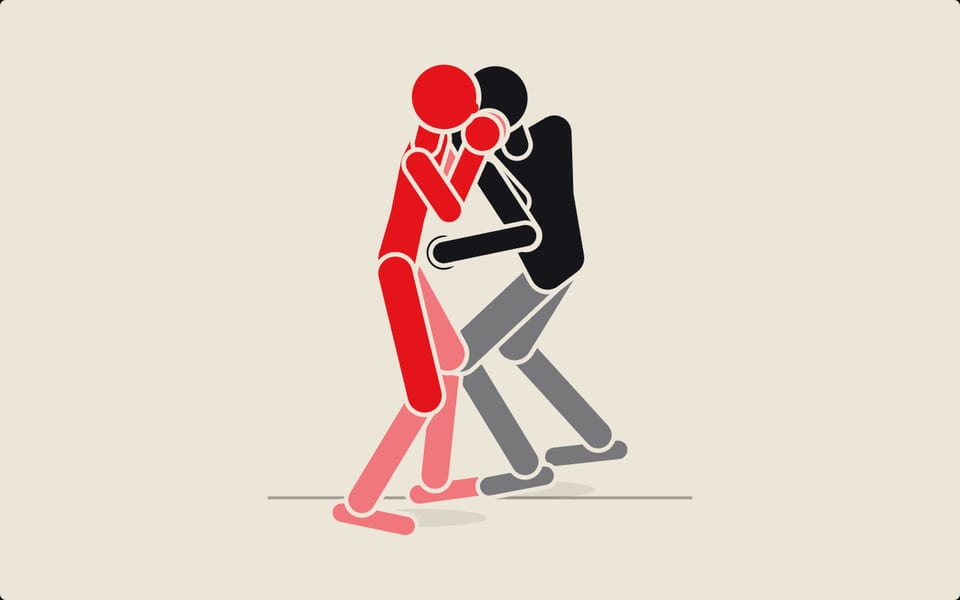
The body hook is a hook driven into the side of the ribcage. The classic version is the lead hook to the liver, which sits under the ribs on the…



A combination is a planned chain of punches in which each one sets up the next: the jab blinds and measures, the cross turns the hips, and that…
A slip moves your head just off the line of a straight punch, so it misses by centimetres while you stay in range to hit back. The movement comes…

 1984–2001
Bobbing and weaving takes your head down and under a hook, then across and up on the other side of the punch. The drop comes from bending your…