縦四方固Tate-shiho-gatame · say “TAH-teh SHEE-hoh gah-TAH-meh” · “straight four-corner hold”
Judo: 崩縦四方固 Kuzure-tate-shiho-gatame (“modified straight four-corner hold”) · Grappling & BJJ: Montada (“the mount”)
Also called Full mount, Tate-shiho-gatame, Straight four-corner hold, Montada
The mount is the top position where you sit astride your partner's torso with a knee on each side. In judo it becomes tate-shiho-gatame when you lean forward, press your chest onto theirs and control their head and an arm, a pin that wins at 20 seconds. In jiu-jitsu it is worth four points, and in MMA it is the best place from which to strike. Keeping it depends on balance and weight, not muscle.
Satori's coaches are filming every technique, full speed and slow motion from two angles. Until it's up, the diagram shows the movement step by step.
How to do it
Start: Your partner is on their back and you are on top at their side or over their guard, with your legs free of theirs. You reach the mount from side control by stepping a knee over their belly, or by sitting into it as you land after a throw.
- 1From side control, slide your near knee across their belly while your chest stays heavy, then swing your other leg over and sit astride them.
- 2Sit low on their belly first, with your hips heavy and your knees wide and tight against their ribs.
- 3Set your feet: hook them under your partner's thighs to stop the bridge, or keep your toes on the mat to stay light; ask your coach which they prefer.
- 4Keep your head over your hips and your back straight, and post a hand on the mat whenever they bridge so you do not tip.
- 5As they tire, move your knees up one at a time toward their armpits, keeping your hips heavy, to reach high mount.
- 6For the judo pin, lean forward and lie chest to chest, wrap their head with one arm, control an arm with the other and hook your legs round theirs.
- 7Hold for 20 seconds for ippon in judo, or choose your finish: a cross collar choke, an armbar or, where strikes are allowed, punches.
- Hips heavy, knees tight.
- Post wide when they bridge.
- Climb slowly, one knee at a time.
- Head over hips.
- Feet hooked or free: coaches differ, so pick one and commit.
- Sitting high on the chest too early, where one bridge rolls you off. Fix: start low on the belly and climb slowly.
- Posting both hands near their chest, where they can trap an arm and roll you. Fix: post wide and keep a hand ready to post.
- Leaning back or sitting straight up, which lets them bridge you off. Fix: keep your head over your hips, or lie forward on their chest for the pin.
- Letting your knees slip off their ribs. Fix: squeeze your knees in and keep your toes or hooks active.
Safety: Keep your weight on their hips and chest, never on their throat or neck, and release the instant they tap or say they cannot breathe. Do not bounce on the ribs. In training, leave out strikes unless your coach runs a padded drill. When a partner bridges and rolls you, relax and roll with it so your arm is not trapped under you.
When to use it
- After passing the guard or holding side control, to set up chokes and armlocks.
- To win a judo match by pin: hold tate-shiho-gatame for 20 seconds.
- In MMA, to punch and elbow from the top.
- To score in jiu-jitsu: holding the mount for three seconds is four points.
- From side control, slide your knee over their belly in one move before they can bring a knee in.
- When they turn onto their side to escape side control, follow the turn and step over.
- After a takedown into half guard, free your leg, pass to side control and then mount.
- From kesa-gatame or kami-shiho-gatame, when they push at your hips and open their guard.
- A cross collar choke or a choke from the back if they turn.
- An armbar on an arm that pushes against your chest.
- Kimura (ude-garami) on an arm trapped against the mat.
- Bridge and roll (upa): trap an arm and a foot on one side, bridge and roll you over.
- Elbow-knee escape: shrimp your hips away, bring a knee between you and recover guard.
- Back door: slide out sideways under you when you sit too high.
- Keep your elbows tight to your ribs and use your forearms as frames on their hips, not as pushes against their chest.
- Bridge hard the moment they climb high, before their knees reach your armpits.
- Shrimp to half guard or guard instead of lying flat.
The physics
The mount is a balance problem. You sit astride your partner's torso, and you stay on top as long as your centre of mass stays over the base made by your knees, feet and, when needed, your hands.
Heavy hips on their lower chest or belly put your weight on them, and knees tight to their sides keep them from pushing your hips away. Their main escape is the bridge and roll: they trap your arm and leg on one side, then drive their hips up to tip your centre of mass over that side, where you have nothing left to post on. The answer is to keep base on both sides, posting a hand or widening a knee as soon as a limb is trapped, and to ride the bridge with your hips rather than pushing down with your arms.
Masters and famous moments
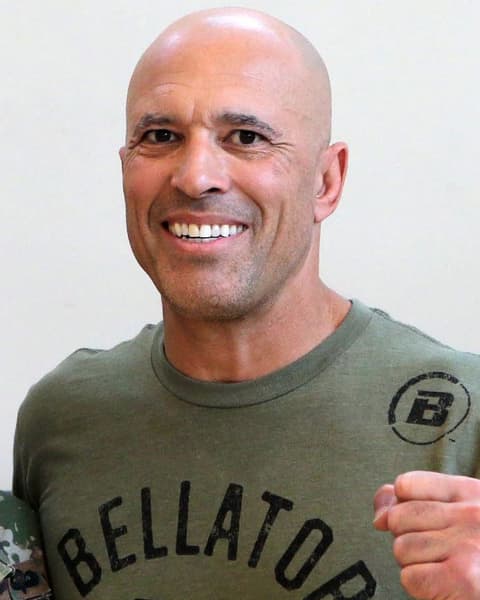
Gracie shot a double-leg takedown, mounted the boxer, wrapped his legs round Jimmerson's and tied up his arms, and Jimmerson tapped out at 2:18.
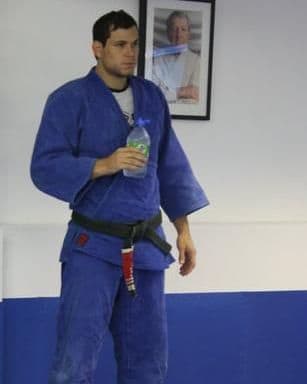
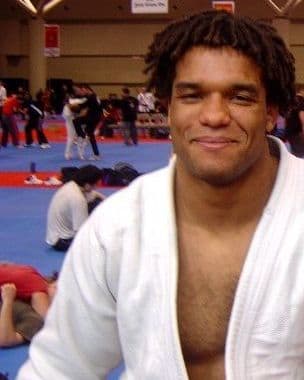
Roger finished Barral in the open-weight final with a choke from mount, part of a weekend in which he won every match by submission.
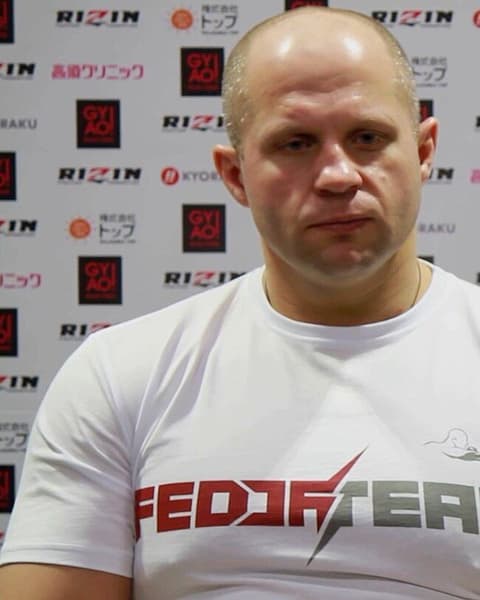
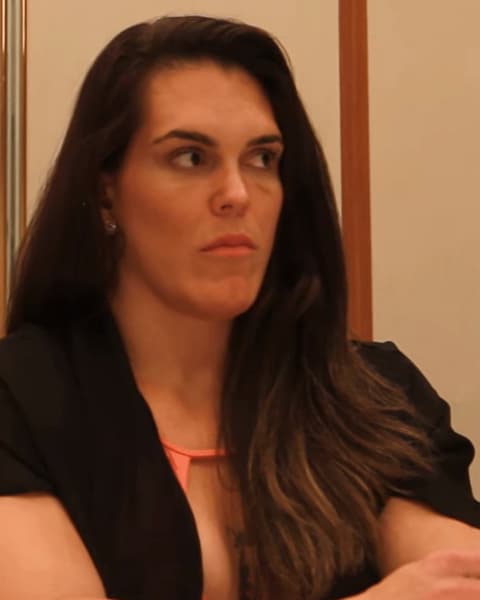
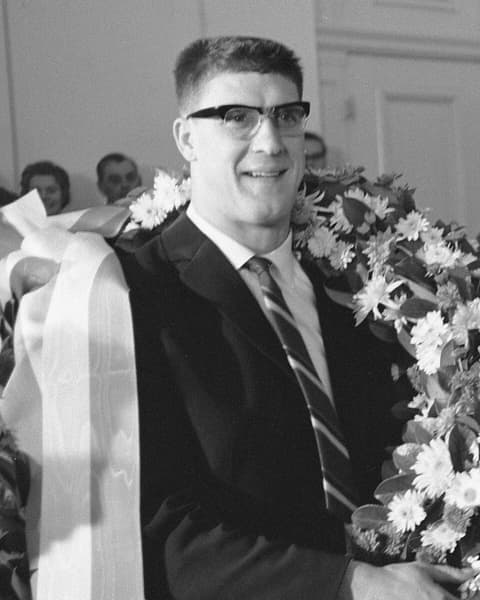
Trstenjak beat the home-crowd favourite by ippon with tate-shiho-gatame 3:39 into the match, on her way to the Olympic gold.
Across the arts
You sit astride the chest and lean forward, pressing the upper body down with your chest. The Kodokan's own description has you lying over your partner, holding an arm and the neck and wrapping your legs round theirs.
You control one of your partner's arms, together with your hold of the belt, instead of holding the neck.
High mount puts your knees near their armpits and traps an arm; low mount sits on the belly or thighs. In the S-mount one knee slides beside their head while the other leg curls under their armpit, which adds pressure to the ribs and sets up advanced attacks.
Punches and elbows to the head and body are allowed from here, which is why the fighter underneath works hard to bridge and recover guard. Strikes to the back of the head and spine are fouls.
Rudman's sambo textbook teaches a hold from the mount: take the opposite wrists and press them to the body, wrap the neck, go chest to chest and hold. Afterward you sit up, slide an arm under their bent arm, swing a leg over and finish with an armbar, the arm trapped between your legs.
History
Judo's mounted pin is tate-shiho-gatame, the 'straight four-corner hold', one of the ten pins on the Kodokan list. The Canon of Judo also lists a separate modified form in which you control an arm instead of the neck. Jiu-jitsu and MMA simply call it the mount, montada in Portuguese. The mount was on show from the very first UFC, in November 1993, when Royce Gracie mounted the boxer Art Jimmerson in his first fight. In IBJJF competition it is worth four points.
In the rules
Drills
Lay a heavy bag on the mat and sit astride it. Practise sitting low, climbing your knees up one at a time to high mount and coming back down, for five reps. Post a hand whenever you feel yourself tip.
Your partner has one minute to bridge and shrimp out while you keep the mount without submitting. Stay heavy, post wide and follow them. Switch after each round.
From mount, your partner pushes your chest with straight arms. Switch smoothly to an armbar or a cross collar choke at half speed and stop at the tap. Return to mount and repeat five times each side.
Legends known for it

We teach it in Wrestling & Grappling. A coach will fix the details you can't see yourself. Join now and book your first class for $20, paid online.
Related techniques
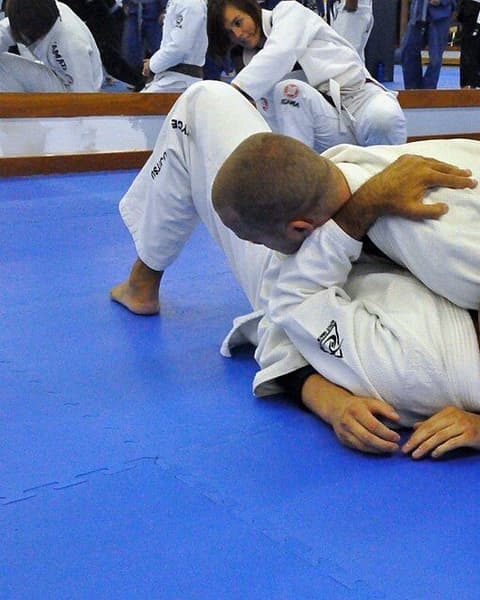
Side control pins your partner flat on their back from the side. You lie across them chest to chest, one arm under their neck and the other…
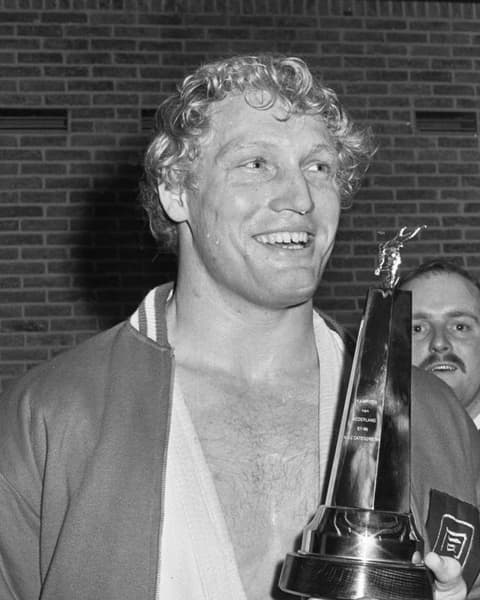


Kesa-gatame is judo's classic side pin. You sit beside your partner's chest, trap their near arm, wrap your other arm around their head and press…

Kami-shiho-gatame pins your partner from above their head. You lie chest to chest with your knees wide, slide your arms under their shoulders, grip…
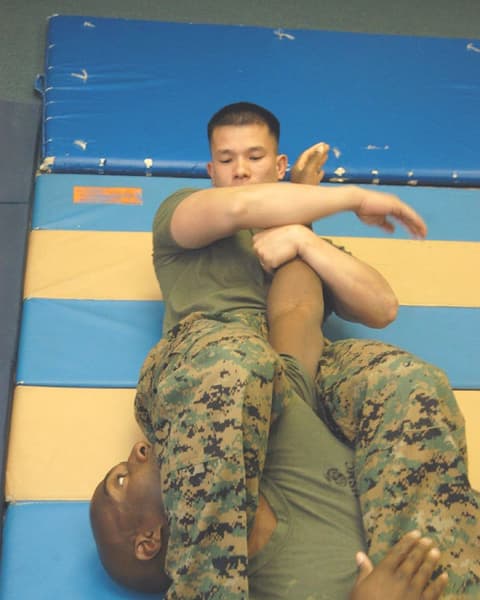
The armbar traps your partner's arm between your thighs, holds their wrist against your chest and lifts your hips so the elbow is forced straight,…


The cross collar choke uses your partner's own jacket. You feed both hands deep into their collar with your forearms crossed, then pull your elbows…
The kimura is a figure-four lock on the shoulder and elbow. You hold your partner's wrist, thread your other arm behind their upper arm, grip your…