双手刈Morote-gari · say “moh-ROH-teh GAH-ree” · “two-hand reap”
Sambo: бросок захватом обеих ног Brosok zakhvatom obeikh nog (“throw by grabbing both legs”)
Also called Two-hand reap, Double-leg takedown, Both-hands reap
Morote-gari is judo's double-leg takedown. You drop your level, step between your partner's feet, wrap both arms around their legs above the knees and drive your shoulder into their stomach or chest so they fall straight back. It is a core skill in wrestling and sambo, but the International Judo Federation has penalised leg grabs in competition since 2010, so judoka mostly meet it in training, in older footage and in other sports.
Satori's coaches are filming every technique, full speed and slow motion from two angles. Until it's up, the diagram shows the movement step by step.
How to do it
Start: Stand in a loose two-hand grip, or with both hands free in a hand fight, with your partner upright and close. A common Kodokan starting point is holding both wrists and pushing their hands up to stop their advance. Everything below is written for a right-handed stance (left-handers mirror it).
- 1Grip: start with both hands on your partner's wrists or sleeves, or with both hands free in a hand fight. Keep your head up and your back straight.
- 2Kuzushi (off-balance): push their hands upward to stop their advance, then let go. Their weight drops forward onto their toes and their arms are high, so they are open and cannot defend their legs. You can also draw them forward by stepping back.
- 3Tsukuri (fit-in): bend your knees to drop your level without bending at the waist. Take a deep step with your lead foot between their feet, so your shoulder reaches their stomach while your head stays up beside their body.
- 4Kake (finish), part one: wrap both arms around their legs, just above the knees, and press the shoulder on your lead-foot side into their stomach or chest.
- 5Kake, part two: drive forward with your legs and pull their legs toward you in a scooping reap, so their hips are taken out from under them.
- 6Keep driving through until they fall straight back. If you lift them and throw them forward, it is sukui-nage rather than morote-gari.
- 7Stay on your feet if you can and finish in top position. Watch for tawara-gaeshi, the counter that rolls you over their back.
- Level change, not a bow.
- Head up, shoulder into the belly.
- Wrap above the knees.
- Drive through; don't lift.
- Judge the distance first.
- Diving with your head down. Keep your head up beside their hip, because a head-first dive risks your neck.
- Reaching from too far away. Take a deep step so your shoulder can reach their belly.
- Lifting instead of driving. If you carry them forward, the throw becomes sukui-nage.
- Wrapping too low or too high. The IJF describes the arms just above the knees.
- Having no second move. If they sprawl, switch to a single leg or to another attack.
Safety: Morote-gari drives your partner straight backward and puts your head close to their hips and knees, so both of you need control. Keep your head up and to the side, never directly between their knees. Partners need a strong backward break-fall, and you should practise only where leg attacks are allowed and with a coach. Start at half speed on crash mats, and stop if a knee or ankle twists.
When to use it
- When your partner steps out carelessly or bends forward to recover their posture, says the Kodokan.
- When they lean back to block a forward throw such as seoi-nage.
- In training, freestyle wrestling, sambo, BJJ and MMA, where leg attacks are allowed.
- Hand fight: push up on both wrists, then let go as they push back.
- Seoi-nage feint: start ippon-seoi-nage, and when they lean back to block, turn half way and switch to morote-gari, says the Kodokan. A 360-degree spin into a mirrored stance is another version.
- Tomoe-nage to morote-gari: if they stand over a failed sacrifice throw, come up holding their legs. The Kodokan notes this was effective in the Meiji and Taisho eras but no longer scores.
- Startle them: the Kodokan describes a clap in front of your partner's face (nekodamashi) to make them lean back, then dropping in. Keep hands well clear of the eyes in practice.
- A hold-down or armlock in rule sets that allow it, such as BJJ or sambo.
- A second leg attack or a switch to a single leg if they sprawl.
- Sukui-nage if you decide to lift and carry them forward instead.
- Tawara-gaeshi: they hug over your back, fall and roll you over their shoulder (the Kodokan's own counter; Kyutaro Kanda was famously thrown this way in 1930).
- Sprawl: they throw their legs back and drop their hips onto your shoulders.
- Guillotine choke, in rule sets that allow chokes.
- Sprawl: push your hips back, drop your weight onto their shoulders and keep your chest over their head.
- Step back, keep your hands on their head or shoulders and do not stand flat-footed with your legs together.
- Learn tawara-gaeshi as a counter, but only under a coach.
The physics
Morote-gari is a couple applied by trunk and arms. Your shoulder drives into your partner's hips or belly and pushes their upper body back while your hands pull the backs of their knees toward you, and the two opposite forces rotate them backward around their centre of mass.
The height between your shoulder contact and your hands is the arm of the couple, so dropping your level and grabbing low increases the turning effect for the same effort. In the wrestling double-leg, the same movement, elite wrestlers pushed off the back foot harder and sooner than college wrestlers, moving the upper body forward faster and reaching the legs before the defender could react. The drive comes from the legs through a straight back, so your body mass, not just your arms, goes into the push.
Masters and famous moments
Tüvshinbayar, an almost unknown Mongolian, dumped the reigning Olympic champion Suzuki on his bottom with a morote-gari and was awarded a full ippon, even though AFP said Suzuki had twisted in the air. He went on to win Mongolia's first Olympic gold.
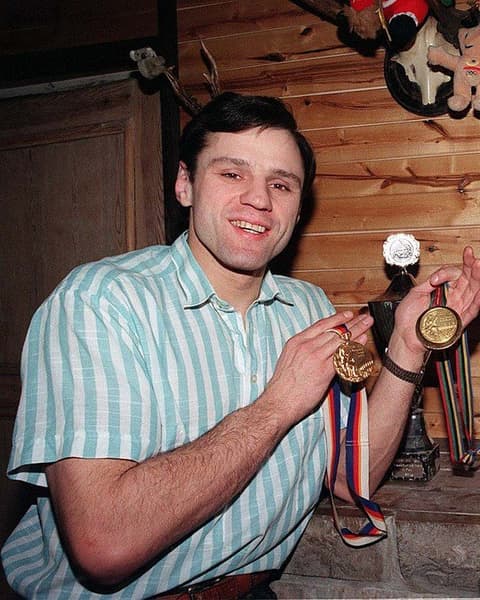
After a short pause, Legień lunged at Tayot's legs and scored a koka with a morote-gari in the closing seconds. It helped him become the first man to win Olympic gold in two weight classes.
Kanda, who named the throw, launched a morote-gari attempt against the former sumo wrestler Kinsaku Sudo, who answered with tawara-gaeshi and threw him about two metres. The throw scored no ippon because Kanda landed out of the area, and Kanda lost on a judges' decision. It is the classic picture of the counter.

Brazil's Silva was disqualified for an illegal leg grab against Hungary's Karakas, a clear case of the rule that then made a direct leg grab hansoku-make. Four years later, in Rio, she beat Karakas in the quarter-final on her way to Olympic gold.
Across the arts
The Kodokan's study group counts a version in which you hold one leg with both hands, press your shoulder into the belly and roll them over. One hand on one leg is a different throw, kuchiki-taoshi.
The All-Japan Championships have allowed leg grabs once you hold a grip since 2025, but the Kodokan's own video excludes morote-gari. JudoInside notes you cannot simply dive for the legs; you need a grip first.
Wrestlers shoot for both legs from a stance. The Hall of Fame lists the double-leg as a signature of Jordan Burroughs and Tonya Verbeek. It is illegal in Greco-Roman wrestling.
The Kodokan calls morote-gari a basic throwing technique in wrestling and sambo. Sport sambo scores it like any other throw.
In Brazilian jiu-jitsu it scores 2 points when you land on top and hold for three seconds (IBJJF). The Hall of Fame lists the double-leg as a signature of Marcus Almeida.
The ABC foul list does not ban leg attacks, and judges count takedowns as effective grappling.
History
Jujutsu schools used leg-grab throws long before judo; the Kodokan says Fusen-ryu called one hizaori, and early Kodokan judoka called it ashitori-nage. Kyutaro Kanda, who favoured the throw, is credited with coining the name morote-gari in 1926, and the Kodokan recorded it in its official list in October 1982. It was legal in top competition until 2010: Waldemar Legień scored with it in the 1992 Olympic final, and Mongolia's Naidangiin Tüvshinbayar dumped the reigning Olympic champion with it at Beijing 2008. The IJF made direct leg attacks hansoku-make from 2010, removed the remaining exceptions in 2013, softened the penalty to shido then hansoku-make in 2017, and to a plain shido each time in 2018. That is still the rule for 2025–2028, and even the All-Japan Championships' own leg-grab rule leaves morote-gari out.
In the rules
Drills
Stand tall, then drop your level with a deep step and your back straight, head up, hands reaching at knee height. Stand and reset. Ten reps each side.
With a partner standing still, do twenty fit-ins: hand fight, drop, deep step, shoulder touches the belly, hands touch the knees, then stop. No throw.
With a partner who knows how to fall, drive through at half speed and finish in top position. Five each side, in a rule set that allows it.
Legends known for it


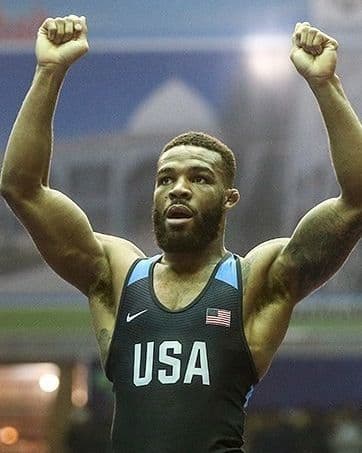

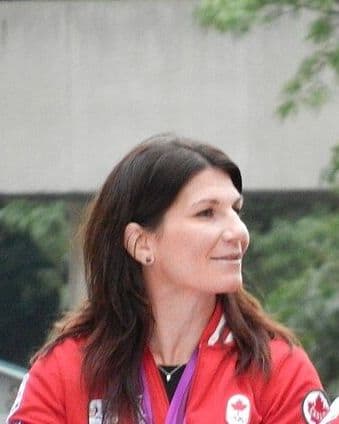

We teach it in Throws. A coach will fix the details you can't see yourself. Join now and book your first class for $20, paid online.
Related techniques
Kuchiki-taoshi is judo's single-leg takedown, sometimes translated 'dead tree drop'. You step outside your partner's leg, grab it with one hand…

Kosoto-gake is the 'minor outer hook'. You drive your partner's weight back onto one leg, hook that ankle or calf from the outside with your own…
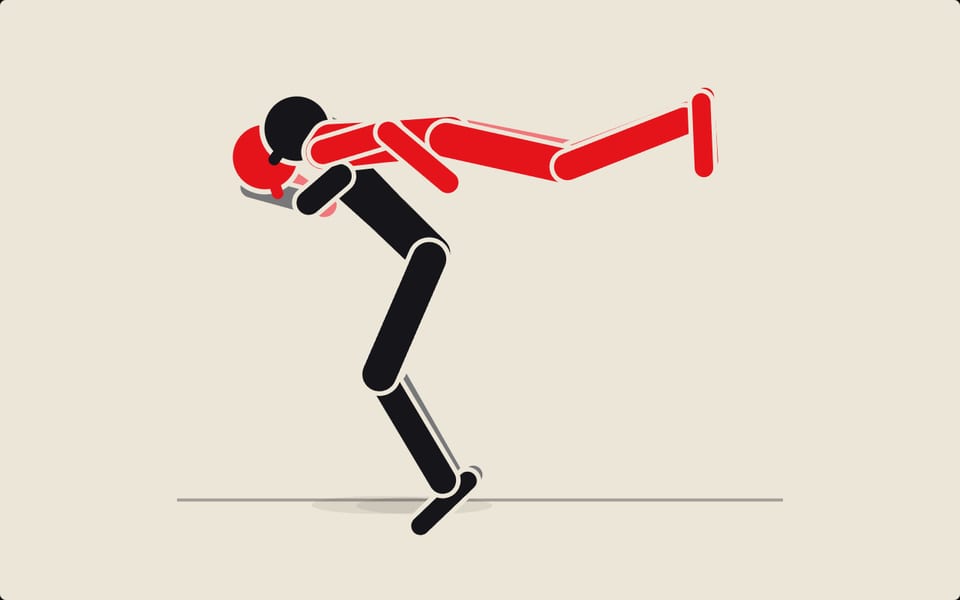
Seoi-nage is judo's shoulder throw. You turn your back into your partner, tuck an arm under theirs, load them onto your back and tip them forward…
 1985–2000
Tomoe-nage is the circle throw. You drop onto your back right in front of your partner, put a foot on their lower belly, and push them up and over…
Kata-guruma is judo's shoulder wheel. You get under your partner, load their upper body across your shoulders and roll them over like a wheel. The…
Ukemi is the art of falling safely. Judo teaches four breakfalls (rear, side, forward and the forward roll) that spread the impact over your arm,…