小外掛Kosoto-gake · say “koh-SOH-toh GAH-keh” · “minor outer hook”
Sambo: зацеп снаружи Zatsep snaruzhi (“outside hook”)
Also called Minor outer hook, Small outer hook, Ko-soto-gake
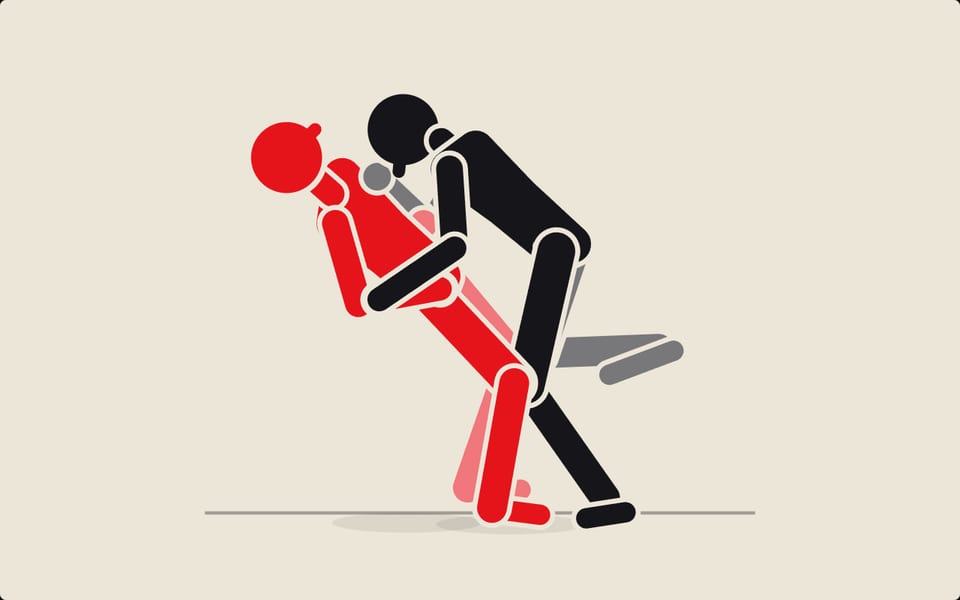
Kosoto-gake is the 'minor outer hook'. You drive your partner's weight back onto one leg, hook that ankle or calf from the outside with your own foot and lift it while your chest pushes them backward. It looks like kosoto-gari, but the leg is hooked and lifted rather than swept away.
Satori's coaches are filming every technique, full speed and slow motion from two angles. Until it's up, the diagram shows the movement step by step.
How to do it
Start: Stand tall in a sleeve-and-lapel grip. Your partner is leaning back or has just stopped, with their weight on the leg you will hook. In the Kodokan's description you hook their right leg with your left foot (left-handers mirror everything).
- 1Grip: sleeve in one hand, lapel or collar in the other. Stay tall with soft elbows.
- 2Kuzushi (off-balance): pull with the sleeve and drive with the lapel hand so your partner's weight rolls back onto the heel of the leg you will hook, toward that rear corner. If the weight is not on that leg, the hook will not work.
- 3Tsukuri (fit-in): step your other foot forward on a diagonal, close to their other foot. Bend the supporting knee a little, bring your chest near theirs and keep your head up.
- 4Kake (finish), part one: wrap the back of your free ankle or calf around the back of their ankle or calf, from the outside, like a hook.
- 5Kake, part two: pluck their ankle up and toward you while your chest drives into theirs, so their body is lifted and sent backward over the hooked leg.
- 6Keep the drive going until they land flat on their back, still holding the sleeve so they can fall safely.
- 7Stay balanced on the supporting leg, then follow them down into a hold if the rules allow it.
- Weight on the leg first, then hook.
- Hook and lift, don't just sweep.
- Step in close: no gap.
- Chest drives while the leg hooks.
- One fluid motion.
- Hooking a leg that carries no weight. Your partner simply stays stable. Break the balance first.
- Stepping in too far away. Put your supporting foot close to theirs so the hook can reach.
- Only hooking with the leg. Drive your chest through so the hook lifts their body.
- Leaning away from your partner. Keep your chest over your supporting foot.
- Hooking from the inside. That is ouchi-gari; kosoto-gake hooks from the outside.
Safety: Kosoto-gake sends your partner straight back and hooks a leg that is carrying their weight, so they need a solid backward break-fall before you throw them for real. Hold the sleeve through the fall. Hook with control in drills, never twisting the ankle or knee of a foot that is fixed to the mat. Practise on mats only.
When to use it
- When your partner leans back or stands flat-footed after resisting your push or pull.
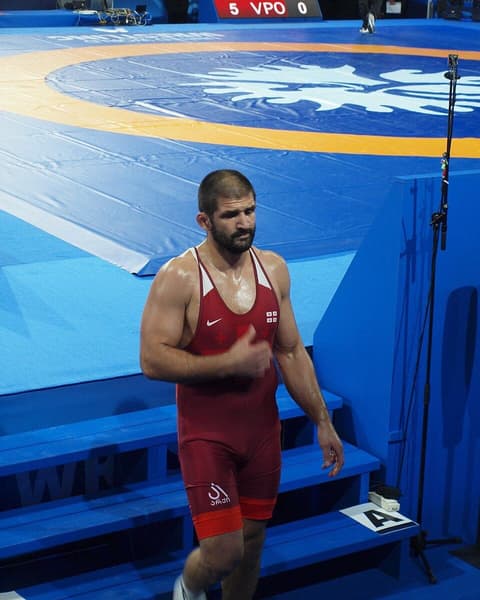
- As a direct attack straight off the grip, as Takeshi Takeoka showed at the 2024 Worlds.
- As a counter to tai-otoshi, after you step over your partner's blocking leg.
- Go straight from the grip fight. Japan's Takeshi Takeoka makes it his tokui-waza (favourite throw) this way, says the IJF's 2024 technical analysis by referee director Armen Bagdasarov.
- Follow a big attack. In the 1992 Olympic final Waldemar Legień opened with uchi-mata for yuko, then scored with kosoto-gake for koka.
- Pull and step back so they step forward, then hook the leg that takes the weight.
- Push up on the lapel so they push back and plant their heel, then hook that leg.
- A hold-down such as kesa-gatame as they land on their back.
- Ouchi-gari or osoto-gari on the other leg if they escape the hook.
- Seoi-nage or another forward throw if they push back hard against the hook.
- Lift the hooked leg out and step forward, turning into a forward throw while your attacker is on one leg.
- Sit your hips down and bend the knee so the hook has nothing to lift.
- Sweep the attacker's supporting foot while they stand on one leg, since the hook leaves them with only one foot on the mat.
- Keep your weight on both feet with soft knees so there is no single loaded leg.
- Step in close and keep your chest against theirs, which smothers the hook.
- If you start to go over, tuck your chin and slap the mat.
The physics
Kosoto-gake is a couple applied by arm and leg, but where kosoto-gari sweeps the foot, gake hooks it. Your leg wraps behind your partner's heel or lower calf from the outside and holds it in place while your hands and chest drive their upper body backward.
The top of their body moves while the bottom cannot follow, so they rotate backward, and the height between your hook and your chest contact is the arm of the couple. The hook also blocks the backward step a person normally takes to widen the base and catch a push. It suits moments when their weight is already on that leg: you are anchoring the foot, not sweeping it, so the friction under it now works for you.
Masters and famous moments
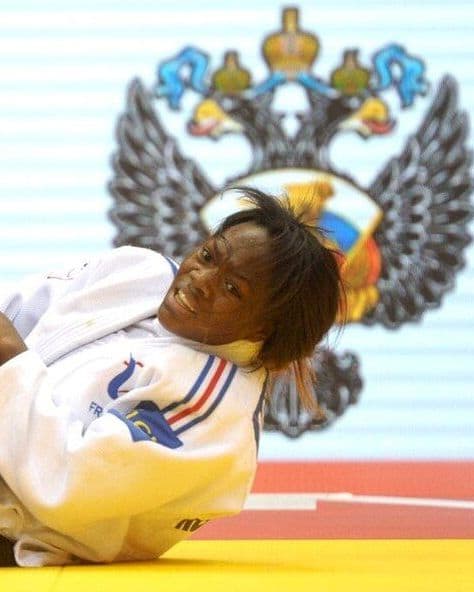
The final ran past nine minutes, with more than five of them in golden score. Then Heydarov threw France's Gaba for ippon with a kosoto-gake to take the Olympic gold.
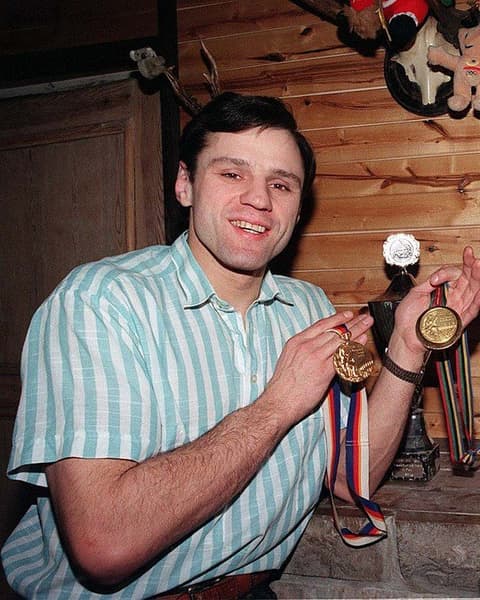
Legień led with an uchi-mata yuko, then widened his lead with a kosoto-gake for koka. JudoInside adds that he closed out the final with a morote-gari for another koka and so became the first man to win Olympic gold in two weight classes.
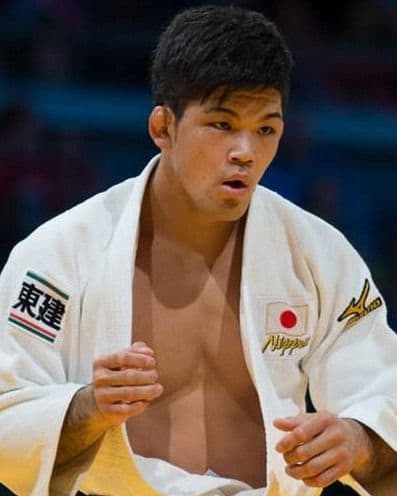
Takeoka threw the Olympic silver medallist with kosoto-gake, then used it again in the semi-final against Tajikistan's Nurali Emomali. IJF Head Referee Director Armen Bagdasarov called it a rarely seen, direct and devastating use of the hook.
After the Japanese teenager went ahead with an o-uchi-gaeshi, Canada's Elnahas equalised and then won the match in golden score with a kosoto-gake. He went on to reach his first world final.
Across the arts
The modern competition version. The IJF described Takeshi Takeoka's 2024 Worlds ippons over Vazha Margvelashvili and Nurali Emomali as a direct, devastating use of the hook.
The Kodokan's own guide says that if you grab your partner's leg with one hand and sweep the supporting foot with the other leg, the throw is called kosoto-gake. IJF events now forbid the grab; the All-Japan Championships allow it once you have a grip.
When your partner steps across your leg for tai-otoshi, you hook the leg they are standing on and drive them backward.
Russian-language judo and sambo texts call the outside hook a zatsep snaruzhi. Sport sambo scores it like any other throw.
Wrestlers use outside hooks and trips from a collar tie. Leg trips are legal in freestyle and illegal in Greco-Roman wrestling.
In Brazilian jiu-jitsu it scores 2 points when you land on top and hold for three seconds (IBJJF). In MMA the ABC foul list does not ban hooks or trips, and judges count takedowns as effective grappling.
History
Kosoto-gake was not among the forty-two throws of the Kodokan's 1895 list. The 1920 revision placed it in the third group of the Gokyo no waza, beside tsuri-goshi, harai-tsurikomi-ashi and kata-guruma. The Kodokan defines it as hooking the leg from the outside, breaking balance backward and uplifting the body. It has featured in two Olympic finals: Waldemar Legień scored a koka with it in the 1992 final, and Azerbaijan's Hidayat Heydarov finished the Paris 2024 men's 73 kg final with it after more than five minutes of golden score.
In the rules
Drills
Hold a wall for balance. Step in on a diagonal and hook an imaginary calf with your free ankle, then lift and reset. Ten slow reps each side.
With a partner standing still, grip, step in and touch your hooking ankle to theirs, then reset. Twenty reps each side, no throwing.
Your partner walks forward while you step back. When their weight lands, hook the leg with control and stop. After ten light reps, throw five times on crash mats with a partner who can fall.
Legends known for it

We teach it in Throws. A coach will fix the details you can't see yourself. Join now and book your first class for $20, paid online.
Related techniques
Kosoto-gari is the 'minor outer reap'. You drive your partner's weight back onto one heel, then sweep that heel away with the sole of your foot…
 2005–2019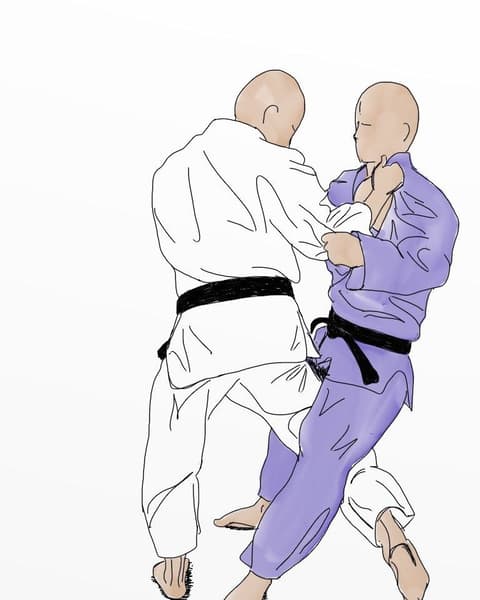
Ouchi-gari is the 'major inner reap'. You step in chest to chest, hook your leg around the inside of one of your partner's legs and sweep it out…


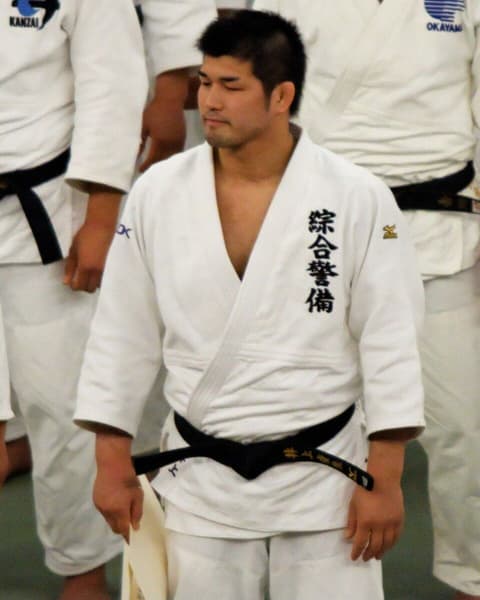

Osoto-gari is the 'major outer reap'. You break your partner's balance back onto one heel, step deep beside that leg and reap it away from behind…
Tai-otoshi is judo's body drop. You turn away from your partner, stretch one leg across the front of their foot as a barrier, and pull them forward…
Morote-gari is judo's double-leg takedown. You drop your level, step between your partner's feet, wrap both arms around their legs above the knees…

Kuchiki-taoshi is judo's single-leg takedown, sometimes translated 'dead tree drop'. You step outside your partner's leg, grab it with one hand…
 1984–1992