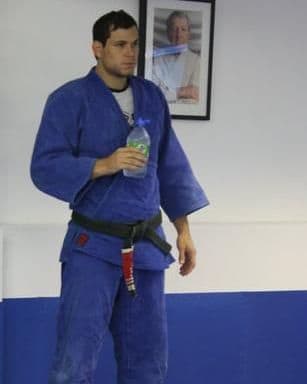
Also called Guard passing, Passing the guard
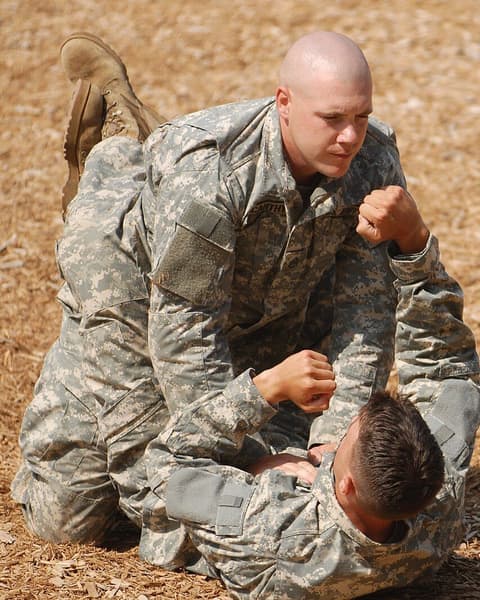
A guard pass gets you past the opponent's legs from the top into side control or mount. Most passes share the same ideas: control the hips or legs, move around or through the legs, then pin with chest pressure before they recover. The knee slice, toreando and leg drag are common examples.
Satori's coaches are filming every technique, full speed and slow motion from two angles. Until it's up, the diagram shows the movement step by step.
How to do it
- 1Posture up and break the opponent's grips on your sleeves and collar first.
- 2Control their legs at the knees or hips with your hands.
- 3Move to one side, pushing their legs the other way or slicing your knee across their thigh.
- 4Get your chest onto theirs and your hips past their legs.
- 5Settle side control with an underhook or crossface before they can turn in.
- Trying to pass while their grips are still in place.
- Keeping your hips high and far away once past, so they recover guard.
- Posting a hand on the mat inside their guard, where it can be armbarred.
Safety: Pass with controlled pressure and ease off if a partner's neck gets stacked against the mat.
Drills
Passing rounds: start in the opponent's open guard; score a pass by holding side control for three seconds, then restart.
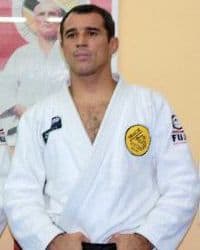
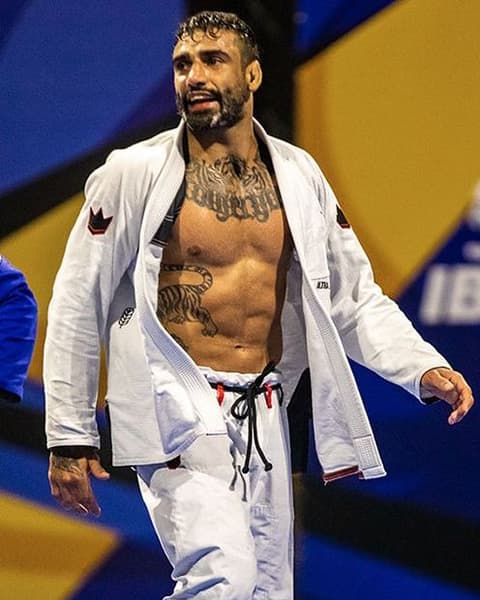
Legends known for it

We teach it in Wrestling & Grappling. A coach will fix the details you can't see yourself. Join now and book your first class for $20, paid online.
Related techniques
Closed guard is the bottom position with your legs wrapped around the opponent's waist and your ankles crossed. It controls their posture and…
Open guard is any guard where your legs control the opponent without being locked around them: feet on the hips or biceps, hooks inside the thighs,…
Back control means being behind the opponent with your chest on their back, usually with a seatbelt grip across their chest and your heels hooked…