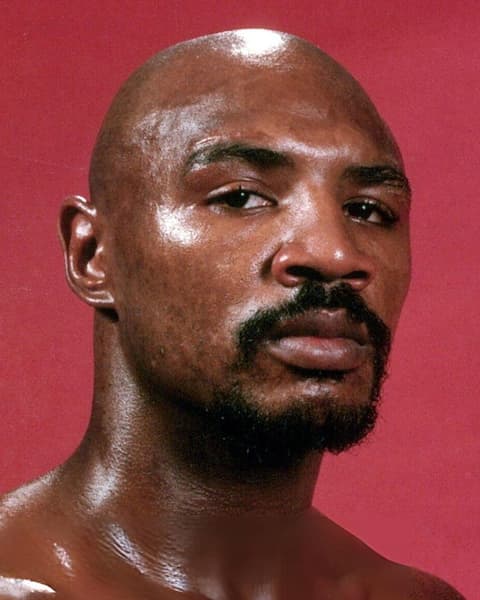
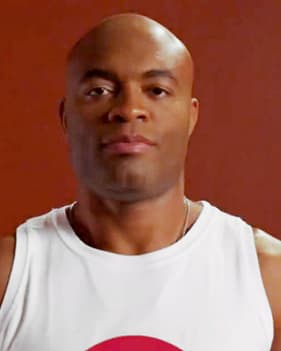
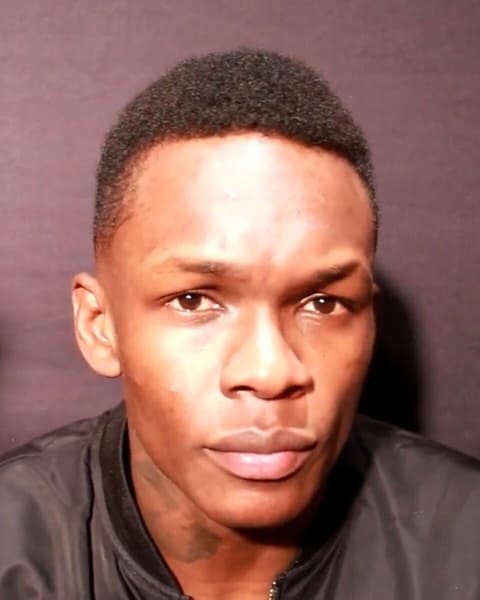
Also called Pivot hook, Counter hook with a pivot, Turning the corner
The check hook is a lead hook thrown as the opponent rushes in, combined with a pivot that takes you off their line. They run onto the punch and past you, like a bull missing a matador, while you end up at an angle ready to hit again. It is the classic answer to a pressure fighter who charges straight forward.
Satori's coaches are filming every technique, full speed and slow motion from two angles. Until it's up, the diagram shows the movement step by step.
How to do it
Start: Mid range, often near the ropes or a corner, as an aggressive opponent steps or lunges straight at you. Weight centred or slightly on the lead leg, lead hand ready to hook, rear hand on your cheek.
- 1Read the rush: the opponent steps or lunges straight in, head forward.
- 2Throw a short lead hook to the jaw as they arrive, landing it before your turn is finished.
- 3At the same time, pivot on the ball of your lead foot.
- 4Swing your rear foot around behind you, about 45 to 90 degrees, so your body turns off their line.
- 5Keep the rear hand on your cheek and the chin tucked through the turn.
- 6Finish facing their new position, ready to follow up while they stumble past or into the ropes.
- Hit and turn the corner.
- Plant the lead foot, swing the back foot.
- Short hook; let their rush supply the power.
- A quarter-turn at most.
- Pivoting before the punch lands. Fix: the hook lands first and the feet finish the turn.
- Over-rotating past 90 degrees. Fix: turn a quarter at most so you stay balanced.
- Slow feet. Fix: drill the pivot until it is one motion with the hook; a late pivot leaves you in front of their punches.
- Looping the hook wide. Fix: keep it short and tight.
- Using it every time. Fix: mix it with straight counters and exits so the rusher cannot time your turn.
Safety: Drill it at walking pace first, because a charging partner and a pivoting hook can clash heads, and wear headgear when you add speed. Use it in sparring only with a coach watching.
When to use it
- Against a pressure fighter who charges straight in or lunges with the head forward.
- Near the ropes, to spin off instead of being trapped.
- Once the opponent has started following you in straight lines.
- Back up in straight lines for a few steps to invite the rush, then plant and pivot.
- Jab and retreat to draw them forward.
- Show them an exit on your rear side so they commit to cutting it off, then turn the other way.
- Cross to their exposed side
- A second hook as they turn back
- Step out to the centre of the ring
- Cutting off the ring instead of chasing in straight lines.
- Faking the rush to draw the pivot, then following the turn with a hook.
- Coming in behind a jab and a high guard rather than head first.
- Don't lunge: step in with your guard up and your chin down.
- Enter at an angle or behind a jab so you are not on a straight line.
- Keep the rear glove high at your temple when you close the distance.
The physics
The check hook turns the opponent's momentum against him: as he rushes in, you hook while pivoting on your lead foot so your body swings out of his path.
Your fist and his head are moving toward each other, so the closing speed is the sum of both, and his own forward motion adds to the impact. The pivot carries your rear foot around behind you and moves your centre of mass off his line, so his momentum takes him past where you were standing, often off balance. Timing matters more than power: the hook only needs to be tight and firm, because the collision supplies much of the energy. Throw it while backing straight up and you stay on the line of his attack with your weight on your heels, where he can run straight through you.
- Myth: the check hook is a hook thrown while retreating. It works because the pivot takes you off his line; stepping straight back keeps you in front of him.
Masters and famous moments

As Hatton lunged in, Mayweather caught him with a checked left hook from the hip; Hatton pitched head first into the turnbuckle and down, and two more lefts ended the fight.
Across the arts
The classic: hook, pivot on the lead foot and swing the rear foot around 45 to 90 degrees.
Step back with the rear foot as you hook instead of pivoting. Simpler, but you stay more in front of the opponent.
Step back with the lead foot into the opposite stance and hook with the new lead hand; a rusher who expects the hook from the other side is caught off guard.
Step to your lead side instead of pivoting and hook at close range; often used orthodox against southpaw and against taller opponents.
History
BoxRec describes the check hook as a counter-hook for catching an aggressive fighter coming forward: you step back, pivot on the lead leg and swing the rear leg while hooking, like a matador sidestepping a bull. It is hard to pull off at a high level because it needs footwork, reflexes and hand speed at the same moment. Floyd Mayweather Jr. said he learned it in the Michigan amateurs, and BoxRec calls his tenth-round knockdown of Ricky Hatton in 2007 possibly the best example of the punch.
In the rules
Drills
Stand on a line. Throw a short lead hook and pivot on the lead foot, swinging the rear foot a quarter-turn. Reset and repeat 30 times, then practise the switch-stance version.
Your partner walks toward you quickly with a mitt at jaw height. As they arrive, land the check hook on the mitt and pivot so they walk past you. Start at walking pace and build up.
With your back to the ropes, your partner steps in to pressure you; land a light check hook and pivot out to the centre. Two-minute rounds, then swap roles.
Legends known for it

We teach it in Boxing. A coach will fix the details you can't see yourself. Join now and book your first class for $20, paid online.
Related techniques
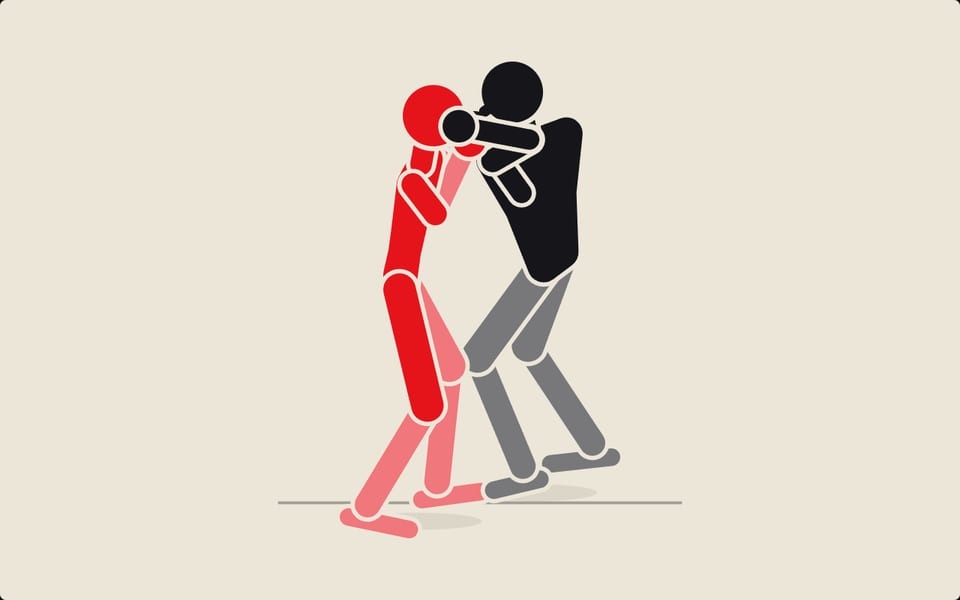
The hook is a bent-arm punch that travels on a short horizontal arc into the side of the jaw or the body. Its power comes from turning the foot,…


Counterpunching means letting the opponent attack first, making the attack miss or land on your guard, and hitting back into the opening it leaves…
An angle step moves you off your opponent's centre line so you can hit them while their punches point at empty space. It is a short step out to the…



Cutting off the ring means using sideways footwork to take space away from a moving opponent until their back is on the ropes or in a corner.…

The pull counter shifts your weight back so the opponent's jab or lead punch falls just short, then fires your rear hand straight down the middle…

Switching stances means changing from orthodox to southpaw, or back, on purpose during a fight. It changes your angles, puts a different hand in…