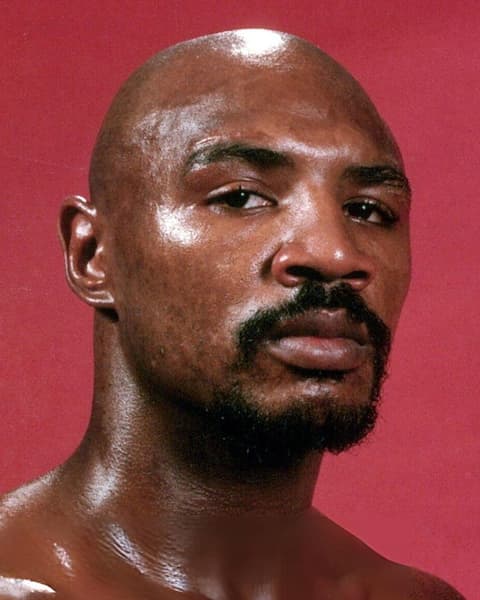
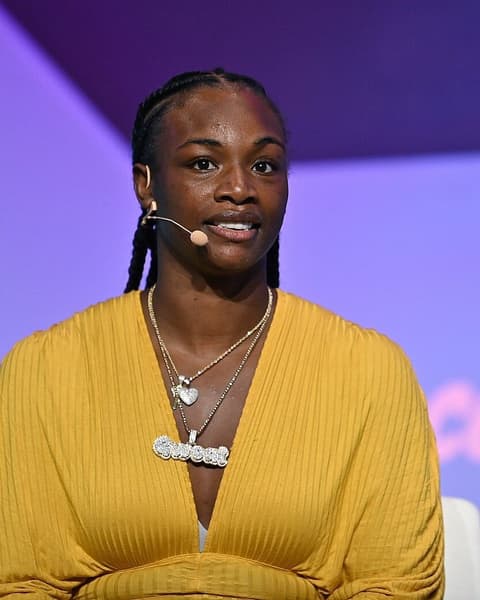
Karate & Taekwondo: 逆突き Gyaku-zuki (“reverse punch: the hand opposite the front foot”) · Savate: Direct bras arrière (“rear-arm straight”) · Muay Thai: หมัดตรง Mat trong (“straight punch”)
Also called Straight right (orthodox), Straight left (southpaw), Rear straight, Right cross, The 2, One-two (with the jab)
The cross is the straight punch with your rear hand: the right for an orthodox fighter, the left for a southpaw. The rear foot, hips and shoulders turn together behind it, so it hits much harder than the jab, and it is one of the most common knockout punches in boxing, kickboxing and MMA. Thrown behind the jab it makes the one-two, the most-used combination in the sport.
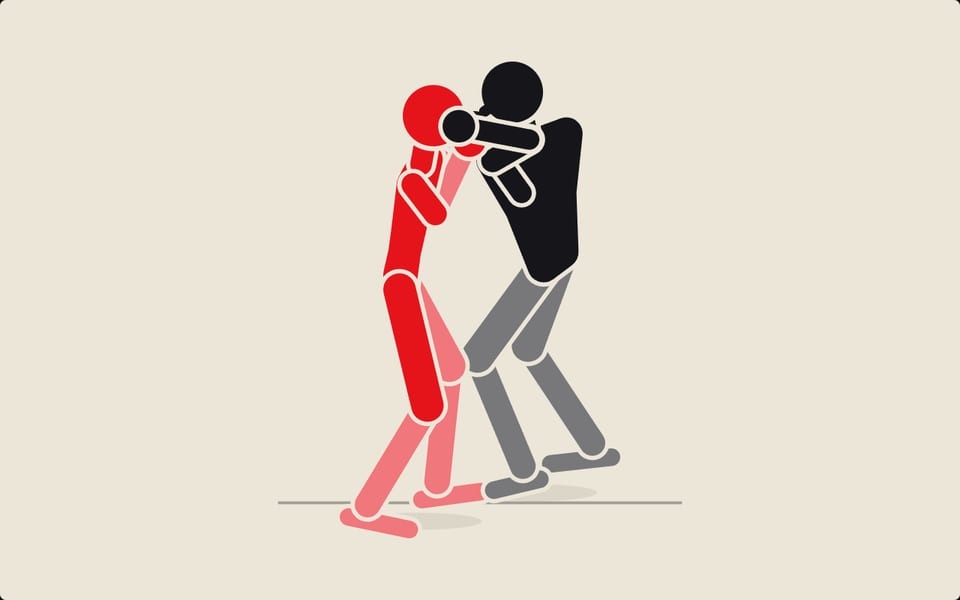
Satori's coaches are filming every technique, full speed and slow motion from two angles. Until it's up, the diagram shows the movement step by step.
Watch it
How to do it
Start: Fighting stance at jab range, rear hand on your cheek, weight roughly even. You should be close enough that the punch reaches with your front knee bent and your head still over your lead foot.
- 1Start from the guard with no wind-up: the rear hand leaves straight from your cheek.
- 2Drive off the ball of the rear foot and turn the rear heel out as your hips rotate toward the target.
- 3Let the rear shoulder come through so the arm extends in a straight line to the chin.
- 4Turn the fist over late to land with the first two knuckles, wrist straight.
- 5Pull the lead hand back to your face to guard your chin as the cross goes out.
- 6At full extension, line up the punching shoulder, front knee and ball of the front foot; your head does not go past the front knee.
- 7Bring the hand straight back to your cheek and reset your feet, or turn back into a lead hook.
- Turn the back heel out.
- Hips before hands.
- Nose over the front knee, not past it.
- Other hand home.
- Straight out, straight back.
- Winding up or dropping the hand first. Fix: throw from the guard; practise in a mirror until nothing moves before the fist.
- Arm punching with a flat rear foot. Fix: turn the rear heel out every time; it is the engine of the punch.
- Leaning past the front knee. Fix: stop your upper body over the front foot and step in if you need more reach.
- Dropping the lead hand as the cross goes out. Fix: bring the lead glove to your face; that is where the counter hook lands.
- Curling the cross into a hook. Fix: keep the elbow behind the fist so the punch travels straight.
Safety: Wrap your hands and keep the wrist straight on impact: a bent wrist on a hard cross is a common training injury. Build speed on pads before adding power.
When to use it
- Behind the jab, once the jab has found the range (the one-two).
- As a counter over or inside a lazy jab.
- When the opponent drops the lead hand or leaves a gap down the middle.
- Against a southpaw, whose stance is open to the straight right.
- Jab to the head, cross to the head; or jab to the body, cross to the head.
- Feint the jab and throw the cross through the gap as they react.
- Slip their jab to the inside and fire the cross over it (the cross-counter).
- Against a southpaw, get your lead foot outside theirs and throw the straight down the middle.
- Lead hook (the 1-2-3)
- Rear hook or rear uppercut to the body
- Angle step out to the lead side
- Slip outside the cross and come back with a lead hook.
- Roll the cross off the lead shoulder and return a counter right.
- Step back so it falls short and counter as it returns.
- Tuck the chin behind the raised lead shoulder, or catch the punch with the lead glove.
- Slip to the outside of the punch and counter with a lead hook to the head or body.
- Take a half-step back out of range and counter as the arm comes back.
The physics
The cross is the textbook kinetic chain: force starts at the floor and passes through the legs, hips, trunk and shoulder before it reaches the fist, with each link starting slightly before the next.
Drive off the rear foot and turn the rear heel out so the hips rotate first, let the trunk and shoulder follow, and extend the arm last, so every segment adds speed to the one after it. Your front leg acts as a brace for that rotation, and your weight moves toward it without your head drifting past the front knee. Studies of boxers link punch force to leg strength more than to upper-body strength, and tiring the legs and trunk cuts the force of crosses more than jabs. At impact, most of the push into the target comes from the momentum of the punching arm itself, so the job of the legs and trunk is to get that arm moving fast and keep the whole chain stiff when it lands. Bring the hand straight back and keep your chin behind the rear shoulder, because a missed cross leaves your weight forward and your jaw open.
- Myth: power comes from big arms and a strong bench press. In 28 highly trained amateur boxers, peak punch force was linked to lower-body strength, while upper-body strength and power showed no meaningful link (Dunn et al. 2022).
- Myth: 'body weight behind the punch' means your whole mass lands on the target. In a lab test, about 95% of the punch's impulse came from the punching arm's own momentum; the legs and trunk matter because they get that arm moving fast and keep it stiff at contact (Nakano et al. 2014).
Switch on Physics and the punch on the diagram is worked out by a physics engine: the arm, the 10 oz glove and the head have their real masses, the glove is padded and the neck gives. We tuned it to a few numbers from the studies below; everything else is the engine's own answer, next to what was measured.
| Engine | Lab | Study | ||
|---|---|---|---|---|
| effective punch mass (impulse ÷ fist speed) | 2.6kg | 2.9 kg | −11% | Walilko, Viano & Bir, Br J Sports Med 2005 ± 2.0 kg across the 7 boxers |
| head rotational acceleration | 6,131rad/s² | 6,343 rad/s² | −3% | Walilko, Viano & Bir, Br J Sports Med 2005 |
| impulse that comes from the punching arm's own momentum | 90% | 95 % | −5% | Nakano, Iino, Imura & Kojima, J Sports Sci 2014 |
Tuned to: fist speed at contact 9.14 m/s (Walilko, Viano & Bir, Br J Sports Med 2005); punch force on the head 3,427 N (Walilko, Viano & Bir, Br J Sports Med 2005); first movement to contact 357 ms (Piorkowski, Lees & Barton, Sports Biomech 2011); head acceleration 58 g (Walilko, Viano & Bir, Br J Sports Med 2005).
Masters and famous moments
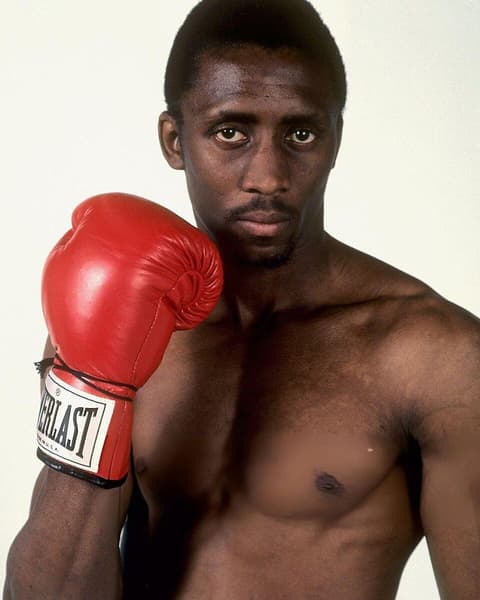
Hearns kept Durán on the end of his long jab, dropped him with a hard right hand late in the first round and stopped him in the second, becoming the first man to knock Durán out. A model of the long jab and straight right working together.
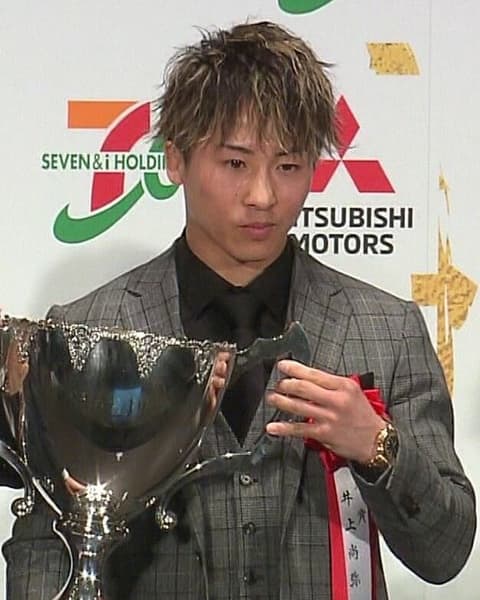
Inoue touched Payano with a jab and followed it with a straight right that put him flat on his back 70 seconds into the fight, The Ring's Knockout of the Year. The one-two at its purest.

The southpaw Pacquiao beat De La Hoya to the punch with straight lefts from the first round and piled combinations behind them; De La Hoya's corner retired him before the ninth. The straight left is the southpaw's cross.
Across the arts
The same punch mirrored: a southpaw's rear left is the power straight. Against an orthodox opponent it runs down the middle between the two lead hands, which is why southpaws and orthodox fighters fight over the outside position of the lead foot.
Strictly, a rear straight that travels inside the opponent's guard is a straight, and one thrown over their extended lead arm as they jab is a cross (see cross-counter). Today most gyms call both "the cross".
Karate's reverse punch, thrown with the hand opposite the front foot. Power passes from the rotation of the feet through the hips and upper body to the fist, and a clean one scores yuko in WKF kumite.
Savate's rear straight, one of only four punches allowed in competition savate.
Often the punch that sets up a kick: after a jab-cross the opponent covers high, and a low kick lands on the lead leg. The squarer stance means a little less hip turn but a faster return to checking kicks.
History
The name comes from the counter: a right hand thrown the instant an opponent jabs travels over the jabbing arm, crossing it. Jack Dempsey's 1950 manual called that right cross the deadliest of all counterpunches and insisted it be kept straight rather than hooked. Over time "cross" came to mean any rear straight, and CompuBox counts it as a power punch. Dempsey also advised using a light jab only as the first half of the one-two, to tip the opponent's head back for the straight right.
In the rules
Drills
On the heavy bag, throw one-twos at half speed for a 3-minute round, pausing after each cross to check that the rear heel turned out, the lead glove is on your face and your head is over the front knee. Then two rounds at full speed.
Shadowbox three rounds: jab, cross, then step or pivot off the line to your lead side. Say the numbers out loud to lock in the rhythm.
Your partner jabs slowly at your face with a mitt. Catch it with your rear glove, then return a cross to the mitt on their other hand. Swap roles each round.
Legends known for it


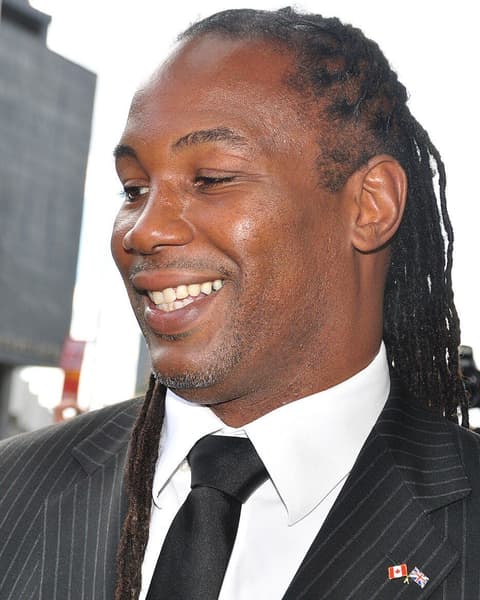

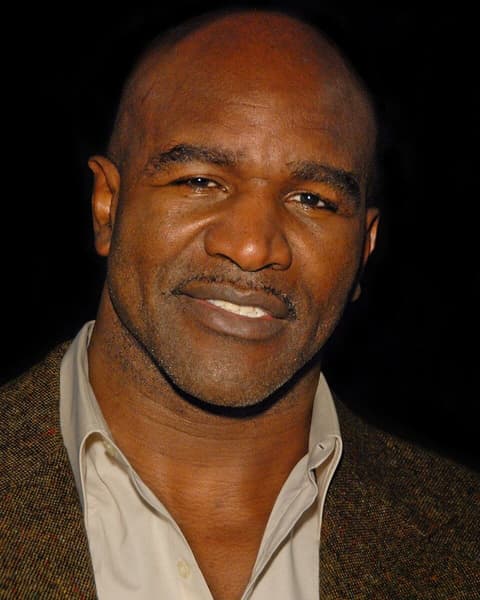
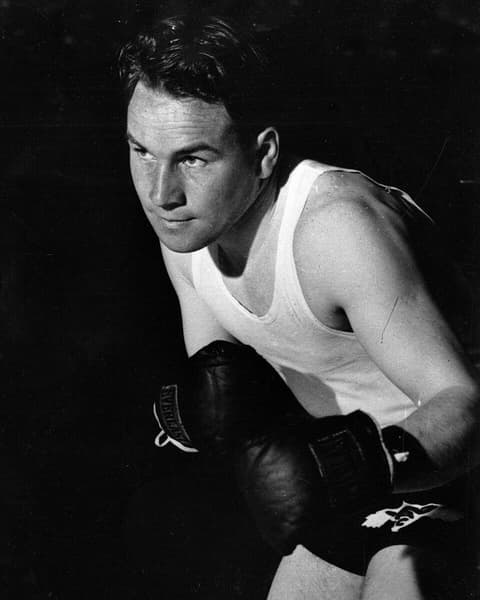



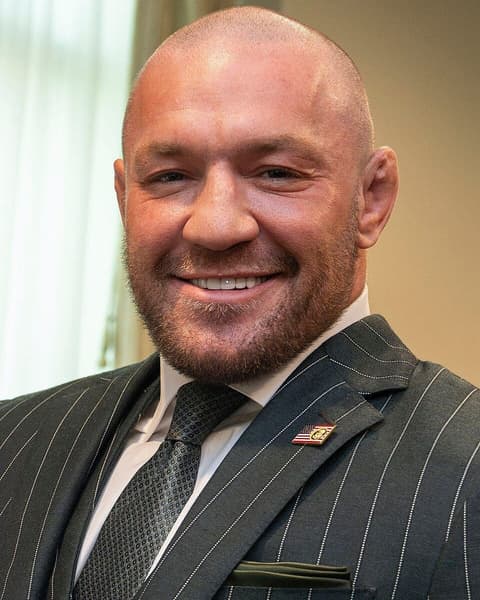

 c. 1996–now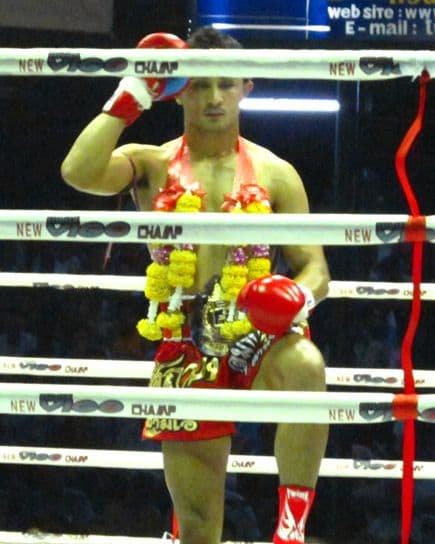
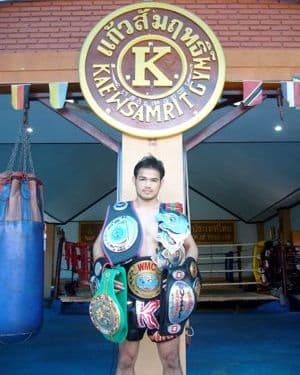
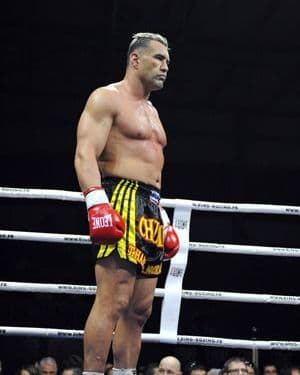

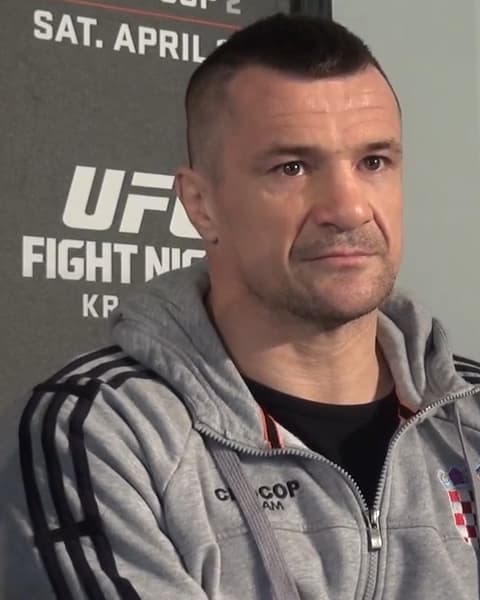



 2007–now
We teach it in Boxing. A coach will fix the details you can't see yourself. Join now and book your first class for $20, paid online.
Related techniques
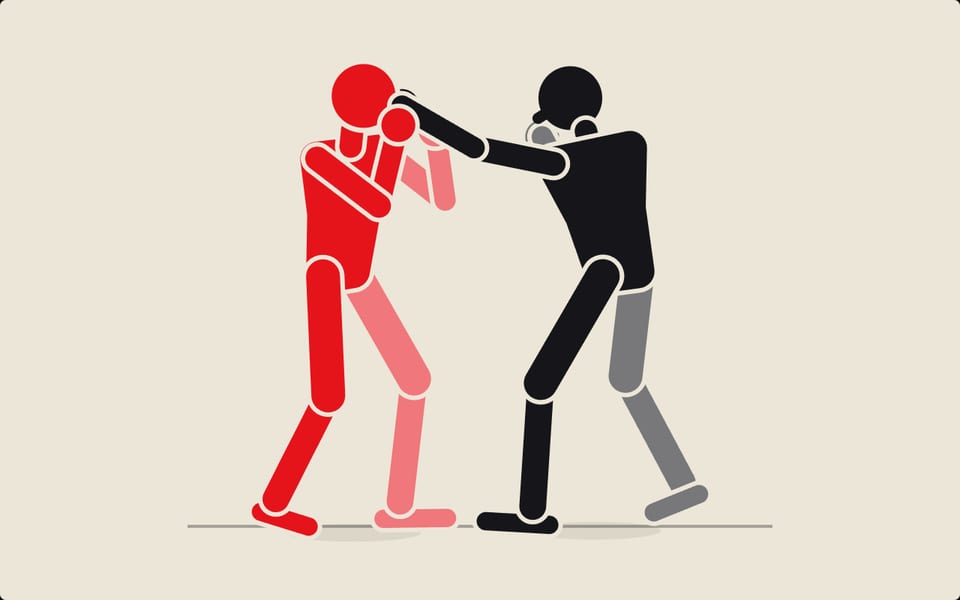
The jab is a fast, straight punch with your lead hand. It starts closest to the target and needs the least commitment, so it is the most-used punch…

A combination is a planned chain of punches in which each one sets up the next: the jab blinds and measures, the cross turns the hips, and that…
The cross-counter is a rear-hand punch thrown the instant the opponent jabs: you slip your head inside the jab and drive a straight right over…
The pull counter shifts your weight back so the opponent's jab or lead punch falls just short, then fires your rear hand straight down the middle…
The hook is a bent-arm punch that travels on a short horizontal arc into the side of the jaw or the body. Its power comes from turning the foot,…
The overhand is a looping rear-hand punch that arcs over the opponent's lead hand or jab and drops onto the head from above. Dropping your body…