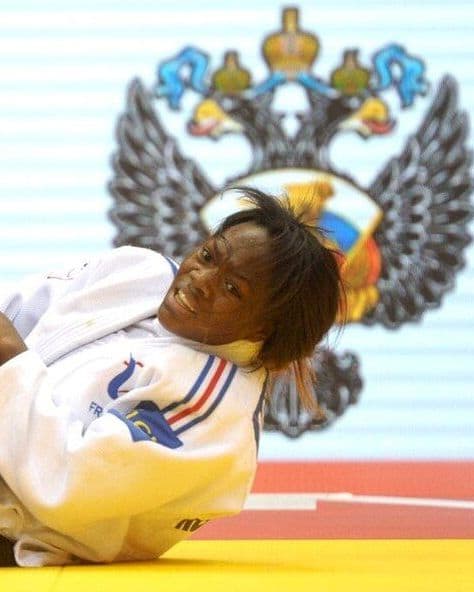
内股Uchi-mata · say “OO-chee MAH-tah” · “inner thigh”
Also called Inner thigh throw, Inner thigh reaping throw
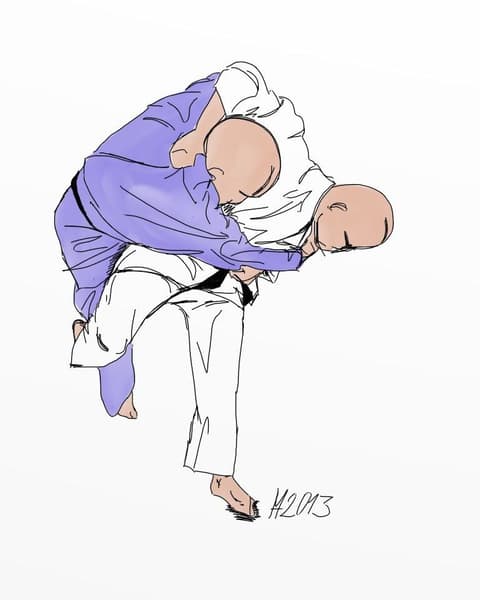
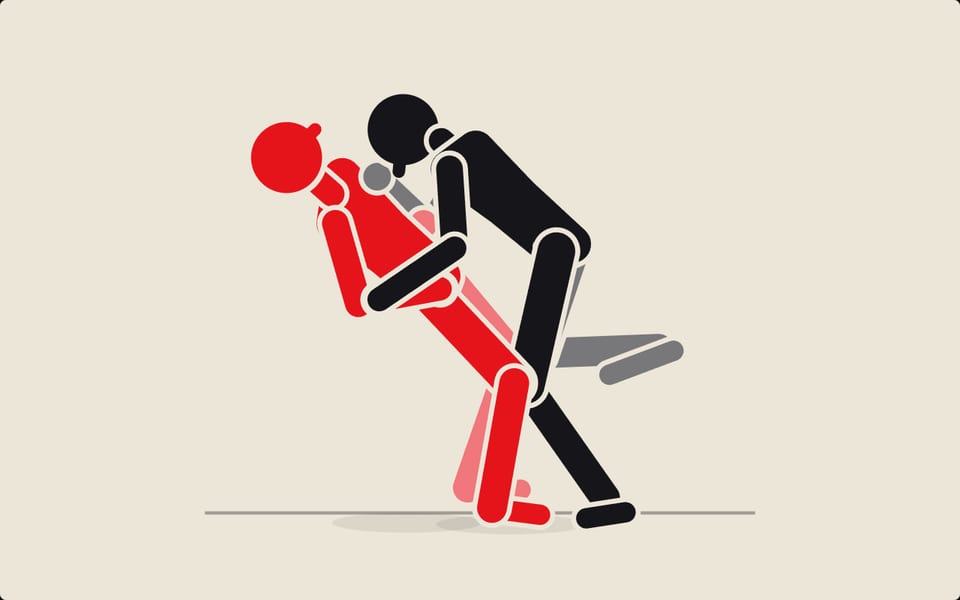
Uchi-mata is judo's inner thigh throw. You open your partner's feet, break their balance forward, turn in and swing your leg up between theirs, reaping the inside of their thigh so they rotate over you. The Kodokan lists it as an ashi-waza (foot and leg technique), even though your body turns in like a hip throw, because the swinging leg does the work. It is consistently among the throws that score most often in elite competition.
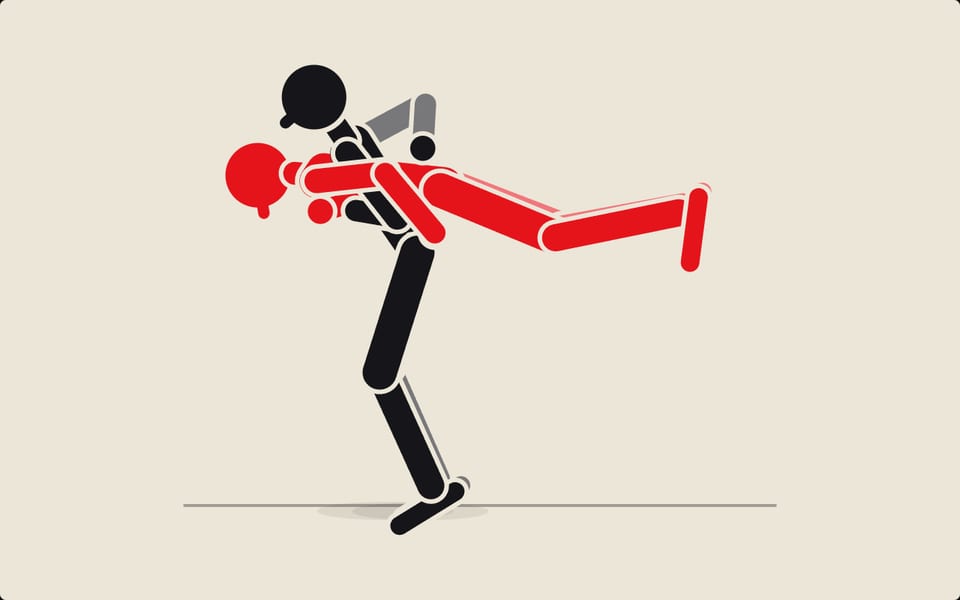
Satori's coaches are filming every technique, full speed and slow motion from two angles. Until it's up, the diagram shows the movement step by step.
Watch it
How to do it
Start: Take the classic right-handed grip: left hand on their right sleeve, right hand on their left lapel. Stand a step apart in a natural stance. You want your partner standing upright or bending forward, with their feet a little apart.
- 1Grip. Sleeve in your left hand, lapel in your right. Keep your elbows loose so you can walk them round.
- 2Kuzushi, open their feet. Step your left foot forward and your right foot back on a diagonal, pulling them round in a wide circle toward your right rear corner. They step round with you, their feet spread and their weight drifting onto their toes.
- 3Kuzushi, bend them forward. Keep circling them until their stance is wide and their knees and hips are bent. As they put their weight on the left foot, pull your right hand to your right armpit. This breaks their balance forward and makes them bend.
- 4Tsukuri, base. Plant your left foot and carry your weight on the bent left leg. Lower your body and turn in to the left so your hips press against the front of theirs.
- 5Tsukuri, leg. Slide your right leg in between theirs, with the back of your thigh against the inside of their left thigh. Keep pulling the sleeve to your hip.
- 6Kake. Sweep the leg up, reaping the inside of their thigh with the back of your thigh, and twist to the left. They go up and round in the direction they were already moving.
- 7Finish. Keep the sleeve through the landing so they fall on their back, then stay balanced and move into a hold if needed.
- Open their feet first, then get them bending forward.
- Plant the support foot deep and keep the knee bent. The deeper the foot, the higher the leg can go.
- Reap with the back of the whole thigh. It isn't a kick with the foot.
- Turn your head and chest to the left and keep pulling the sleeve to your hip.
- Sweeping without first pulling them forward. Fix: break the balance before the leg goes.
- Bending forward at the waist instead of turning. Fix: turn your chest to the left and keep your hips against theirs.
- A shallow support foot, so the leg can't rise. Fix: plant the foot deeper and bend the knee.
- Kicking with the lower leg. Fix: reap with the back of the whole thigh.
- Letting go of the sleeve. Fix: keep it so they land on their back.
Safety: Learn breakfalls first, throw only onto mats, and keep hold of your partner's sleeve so they can land on their back. Reap the thigh, not the knee joint, and never dive head-first.
When to use it
- When they stand upright with their feet apart, or bend forward.
- After a reap such as o-uchi-gari makes them shift their weight. An IJF report on the first day of the 2019 Worlds said o-uchi-gari into uchi-mata was the combination that triumphed.
- As they step their left foot forward and their weight comes onto it. This is the moment the Kodokan describes.
- From close or long grips against an upright opponent.
- Walk them in a circle to open their feet, as the Kodokan teaches.
- O-uchi-gari into uchi-mata: the combination Kosei Inoue was known for.
- Feint uchi-mata, then drop into kata-guruma if they lean forward to defend.
- A hold-down such as kesa-gatame. After a real attack that doesn't score, the IJF rules let you go straight to the ground.
- Kata-guruma: the Kodokan shows switching from an uchi-mata feint into kata-guruma with a knee down.
- Harai-goshi or hane-goshi if they stand tall to escape the reap.
- Uchi-mata-sukashi: step back out of the throw and throw them forward over your leg as they fall. The Kodokan and the IJF list it as a separate throw.
- Te-guruma, a recognised counter, and uchi-mata-gaeshi, the counter-throw on the IJF's list.
- Step back and away so their swinging leg finds only air.
- Keep your stance narrow and your hips back so their leg can't get between yours.
- Stay tall instead of bending forward, and keep your own grips active.
- Step back out of the turn as they commit.
The physics
Uchi-mata is a couple of forces applied by trunk and leg. Your chest and head drive your partner's upper body down while your throwing leg lifts the inside of their thigh up and back, and they spin around their own centre of mass.
Sacripanti points out that it is the mirror image of osoto-gari: the same couple, applied from the front instead of the back. Because a couple turns the partner about their own centre, you do not have to lift their weight, and Sacripanti rates the trunk-and-leg couples as cheaper in energy than lever throws. Skilled throwers move forward faster during the turn and reach higher hip, shoulder and arm turning speeds, giving the partner more angular momentum; the forward drive appears to feed the rotation. Specialists also finish the throw with lower hips and a higher sweeping foot than non-specialists, a sign of a fuller lift.
- Myth: whether uchi-mata is a leg throw or a hip throw changes how it works. Schools classify it differently, but Sacripanti shows that every version is the same trunk-and-leg couple; only the contact point and the entry change (Sacripanti 2016).
Switch on Physics and the throw on the diagram is worked out by a physics engine: two 75 kg bodies with human-strength muscles, grips that can slip and a tatami that gives. Next to each number is what was measured in the lab.
| Engine | Lab | Study | ||
|---|---|---|---|---|
| sweeping foot's height at the end of the throw (other elite judoka 104 cm, uchi-mata specialists 121 cm) | 102cm | 104–121 cm | 2% below | Brito et al., J Funct Morphol Kinesiol 2025 |
| thrower's hip height at that moment (specialists 62 cm, other elite judoka 76 cm) | 77cm | 62–76 cm | 1% above | Brito et al., J Funct Morphol Kinesiol 2025 |
Masters and famous moments

Douillet, the 1995 world champion in both the heavyweight and open classes, beat Spain's Pérez with uchi-mata for ippon in 2:03 and took the Olympic heavyweight title.
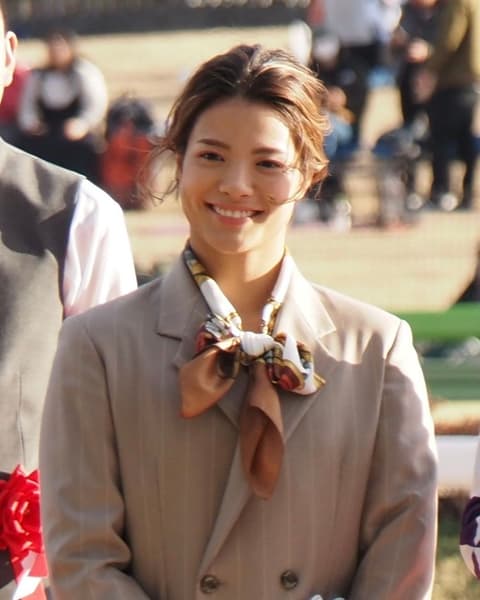
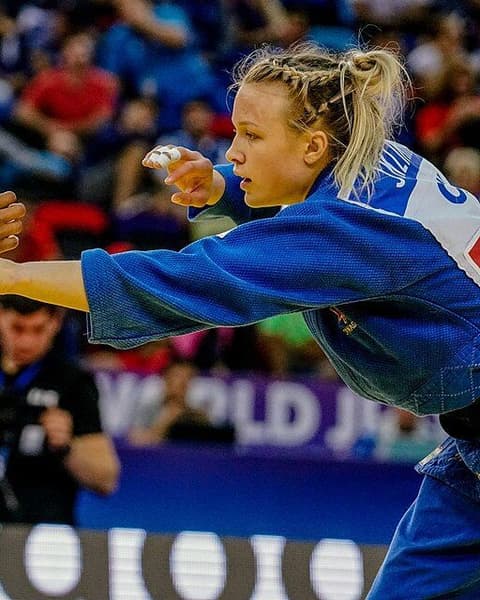
In an all-Japan final, Abe threw Shishime with uchi-mata for ippon. IJF commentator Neil Adams called it one of the most amazing throws of the championships and said her support foot was so deep that Shishime had no escape.
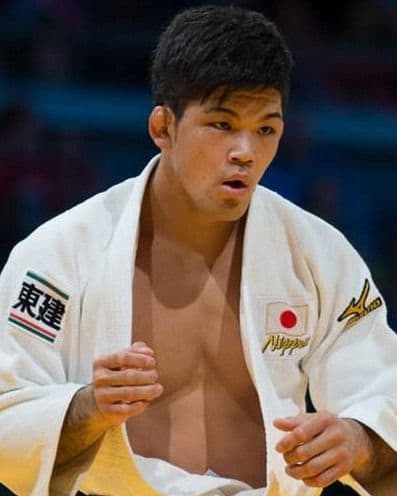
In a rematch of the Rio 2016 Olympic final, Ono won his third world title by ippon with what the IJF called his devastating uchi-mata.
Yoshida had won all his earlier bouts by ippon. He ended the final the same way, with uchi-mata on America's Morris at 3:35.
Across the arts
The form in the steps: a wide circle to open their feet, a deep support foot and a reap of the inside of the thigh.
The IJF list includes uchi-mata-sukashi (the dodge), uchi-mata-gaeshi (the counter-throw) and uchi-mata-makikomi (the wrap-round version) as separate techniques.
Top players attack from many grips. An IJF technical review praised Joshiro Maruyama's uchi-mata variations with one hand or two, going forward, sideways or backward, and Shohei Ono scored with a double-sleeve version in his 2013 world final.
History
Uchi-mata is one of the original forty throws of Jigoro Kano's Gokyo, in the second group, and the third of the three ashi-waza in the Nage-no-kata. It has consistently been one of the highest-scoring techniques in competition. Yasuhiro Yamashita, Kosei Inoue, David Douillet, Shohei Ono and Uta Abe are among the legends known for it. Douillet won the 1996 Olympic heavyweight final with it and Hidehiko Yoshida the 1992 half-middleweight final.
In the rules
Drills
Hold a wall or post with your left hand, stand on a bent left leg and swing your right leg up and back ten times, then switch sides. Keep the supporting knee bent.
Your partner stands tall. Circle them, fit in and hold the top position for a count of two. Ten reps each side, then add a moving entry once the static one is clean.
Throw at half speed with a trained partner, five reps each side, keeping the sleeve through the landing.
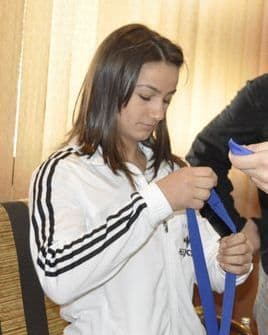
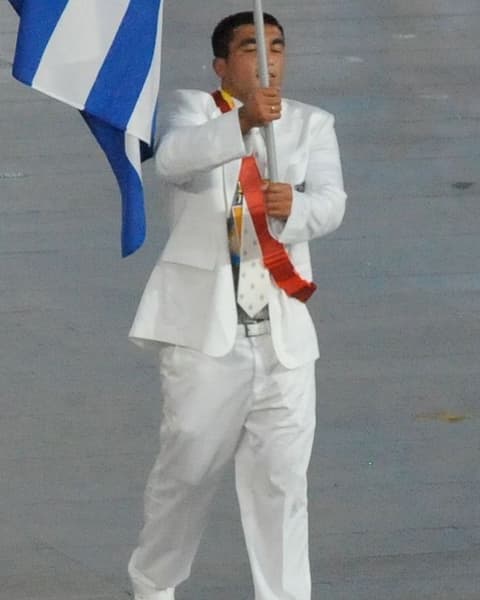
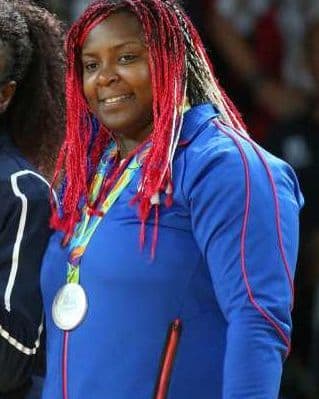
Legends known for it



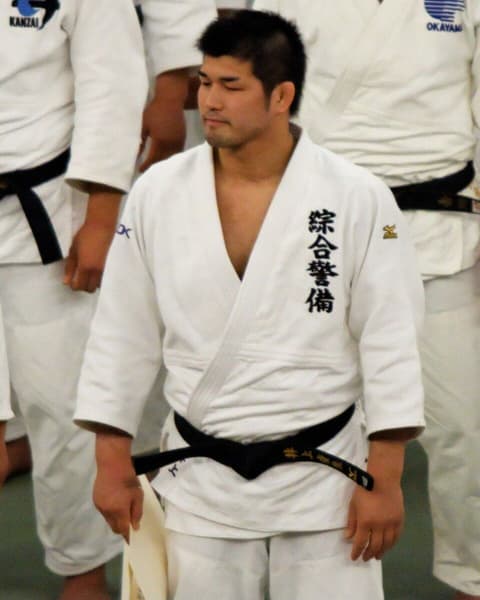







We teach it in Throws. A coach will fix the details you can't see yourself. Join now and book your first class for $20, paid online.
Related techniques
Harai-goshi is judo's sweeping hip throw. You pull your partner onto their toes, turn in with your hip against theirs and sweep your straight leg…



Hane-goshi is the spring hip throw. You pull your partner tight against your side, then spring your leg and hip up from underneath their body so…
O-goshi is judo's major hip throw. You turn in with your hips lower than your partner's, wrap an arm around their back, load them onto your hips…


Tai-otoshi is judo's body drop. You turn away from your partner, stretch one leg across the front of their foot as a barrier, and pull them forward…
Kata-guruma is judo's shoulder wheel. You get under your partner, load their upper body across your shoulders and roll them over like a wheel. The…
Osoto-gari is the 'major outer reap'. You break your partner's balance back onto one heel, step deep beside that leg and reap it away from behind…