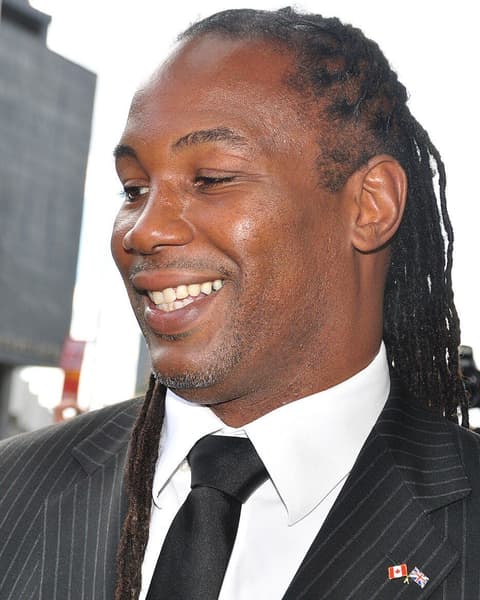
Also called Push step, Step-drag, Boxing steps
Step and slide is boxing's basic way of moving: the foot nearest the direction you want to go steps first, pushed by the other foot, and the other foot slides after it by the same distance. Your stance never changes shape, so you can punch or defend at any moment of the movement. Every other piece of footwork is built on it.
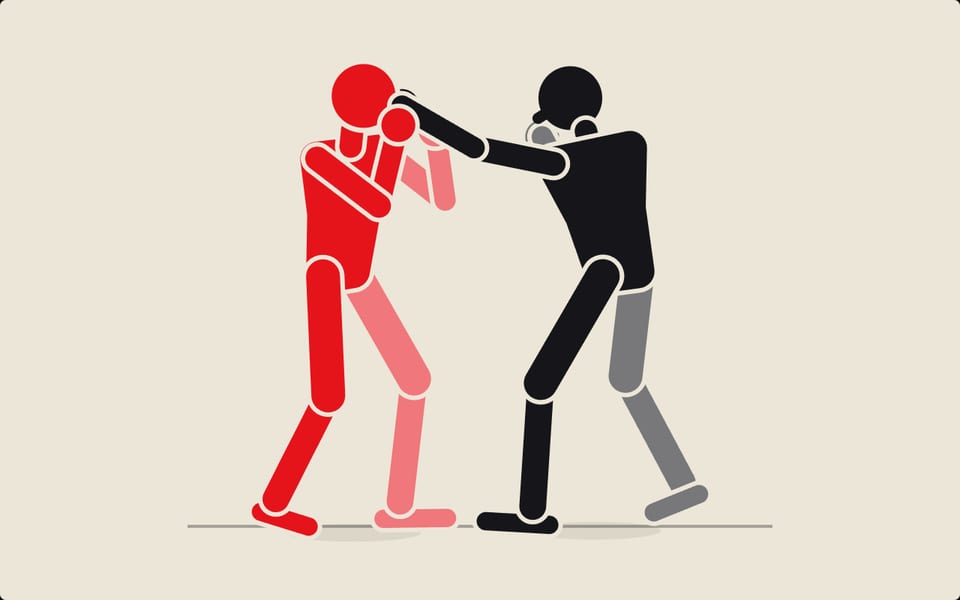
Satori's coaches are filming every technique, full speed and slow motion from two angles. Until it's up, the diagram shows the movement step by step.
How to do it
Start: Your boxing stance, weight even on both feet, rear heel slightly raised, hands up.
- 1To move forward, push off the ball of your rear foot.
- 2Let your lead foot glide forward a short distance, just above the floor.
- 3As the lead foot lands, slide the rear foot forward the same distance.
- 4Check that you're back in your stance: same width, weight even.
- 5To move back, push off the lead foot, step the rear foot back first, then slide the lead foot after it.
- 6To move sideways, step first with the foot on the side you're going to, then slide the other foot after it.
- 7Keep your steps short and your head level; never cross your feet or bring them together.
- The foot nearest where you're going moves first.
- Push, don't pull.
- Small steps, same stance.
- On the balls of your feet, never the heels.
- Hands up while the feet move.
- Crossing your feet when moving sideways. Fix: always move the foot on the side you're going to first.
- Big steps that leave you stretched out. Fix: small steps; your stance should look the same after every one.
- Moving flat-footed or on your heels. Fix: keep your weight on the balls of your feet, rear heel slightly raised.
- Uneven weight, so you lean over one leg. Fix: finish every step with your weight shared between both feet.
- Dropping your hands as your feet move. Fix: drill the steps with your gloves touching your face.
Safety: Footwork drills are low risk, but slippery floors and socks cause twisted ankles. Use a dry, non-slip surface and proper shoes, and build speed gradually.
When to use it
- Closing or opening distance for your jab without losing balance.
- Stepping in to land and back out before your opponent can answer.
- Staying in range of an opponent who moves.
- Any time you need to punch or defend in the middle of moving.
- Jab as your lead foot lands, so the step and the punch finish together.
- Feint, then step in behind the feint.
- Step back to draw your opponent forward, then step in with a counter.
- A jab or one-two as your foot lands
- A pivot or angle step to leave the line
- A step back out of range
- A counter jab timed to the moment your lead foot is in the air.
- Cutting off the ring: an opponent who steps sideways to meet you takes away the space you're stepping into.
- Reading your rhythm: if you always move the same distance at the same pace, a counterpuncher will time you.
- Hold your ground behind a stiff jab so their step-in runs into it.
- Cut the ring off instead of following them.
- Counter the moment they land from a step, before they reset.
The physics
Step-and-slide footwork keeps your base of support intact while you move. Push off the foot away from where you're going and step first with the foot nearest that direction, then slide the other foot the same distance, so your stance returns to the same shape and width after every step.
Your centre of mass stays between your feet the whole time, which means you can punch, stop or change direction at any moment. Crossing your feet collapses the base into a narrow line, so a punch or push can move your centre of mass outside it, and you can't push off in a new direction until you untangle. Keep the steps short and on the balls of the feet; big bouncing steps put you in the air, where you can't generate force or react.
- Myth: crossing your feet is fine if you move quickly. Speed doesn't widen your base: for the moment your feet cross, a light push can tip you over or leave you unable to punch.
Masters and famous moments
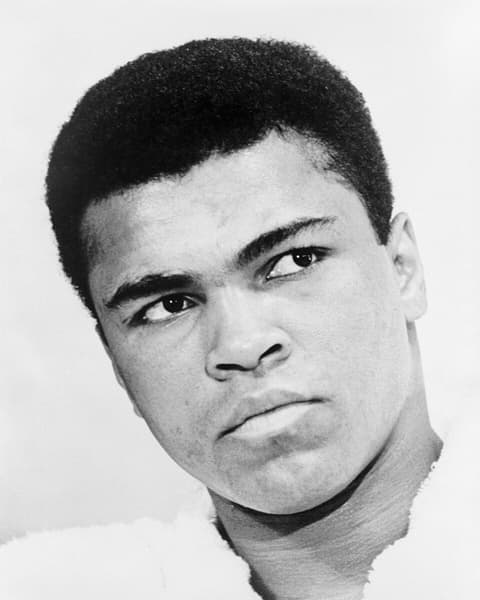
Ali spent the fight on the move, circling and slipping out of the corners whenever Williams tried to trap him, and stopped him in the third round. Many experts, Mike Tyson among them, rate it his finest performance.
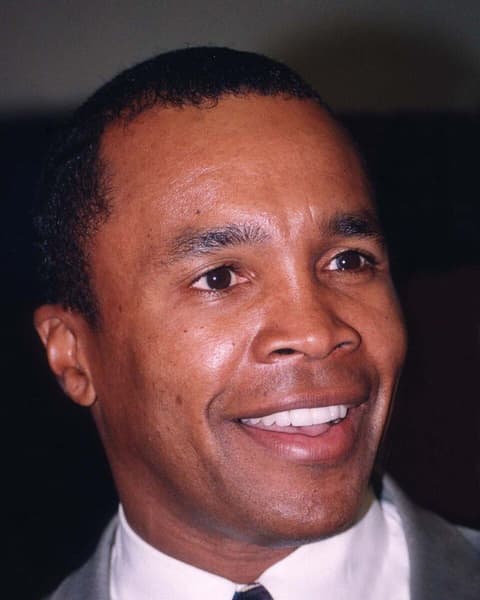
Leonard boxed in bursts, stepping in to land combinations and retreating before Hagler could answer, and flurried in the last 30 seconds of rounds to win them. He took a split decision.
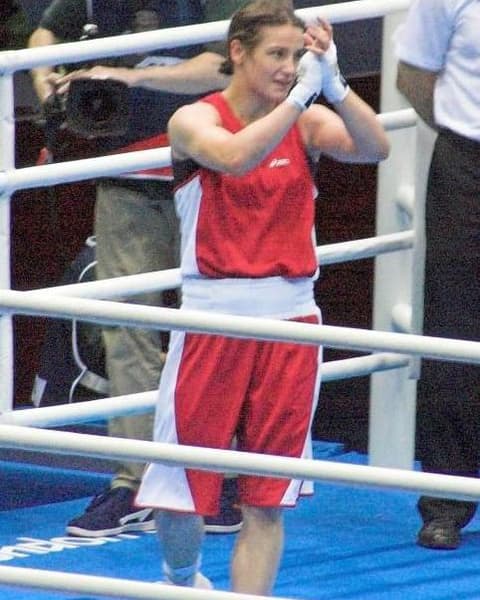
When Volante stood her ground in the centre of the ring, Taylor's footwork let her get in and out before Volante could land anything meaningful. Taylor stopped her in the ninth to add the WBO title.
Across the arts
The rear foot slides up and the lead foot adds a small hop to cover ground quickly; USA Boxing teaches it with its advanced footwork.
Light bouncing on the balls of the feet, which Muhammad Ali made famous; USA Boxing teaches it, along with shuffling, as advanced footwork.
The same push step, with more weight kept on the rear leg so the lead leg can react to kicks or throw a teep.
Karate and taekwondo favour fast, straight-line advances and retreats that cover the distance in one burst.
History
The push step has changed little over the centuries and is shared by Western boxing, kickboxing and Muay Thai. When Daniel Mendoza beat Richard Humphries in 1789, observers noted that his hand and foot work were far superior. James J. Corbett's 'scientific' boxing let him dodge John L. Sullivan's rushes and wear him down with jabs when he won the heavyweight title in 1892. In the 1960s Muhammad Ali popularized a bouncing, dancing style of footwork that Bruce Lee later studied.
Drills
Put a strip of tape on the floor and stand with one foot on each side of it. Step and slide forward, back and sideways for 2-minute rounds; your feet should stay the same distance from the tape the whole time.
A partner moves a mitt slowly around the room. Follow it with step and slide, keeping the same distance, and jab each time it stops.
Skip rope for a round, then shadowbox a round using only step and slide, one punch per step.
Legends known for it






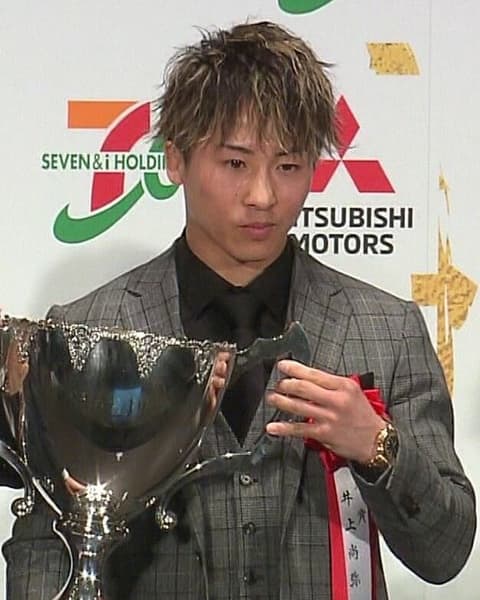

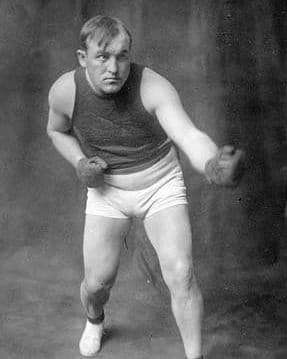



We teach it in Boxing. A coach will fix the details you can't see yourself. Join now and book your first class for $20, paid online.
Related techniques
The boxing stance is the ready position every punch, defence and step starts from and returns to. Orthodox boxers lead with the left foot and hand,…

 c. 1993–2024
 2002–now
A pivot turns your whole body around your lead foot, like a door on its hinge. The ball of the lead foot stays planted while the rear foot swings…


An angle step moves you off your opponent's centre line so you can hit them while their punches point at empty space. It is a short step out to the…



Cutting off the ring means using sideways footwork to take space away from a moving opponent until their back is on the ropes or in a corner.…
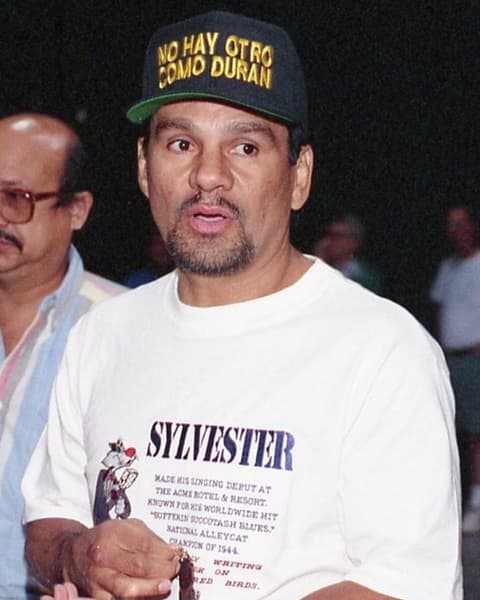

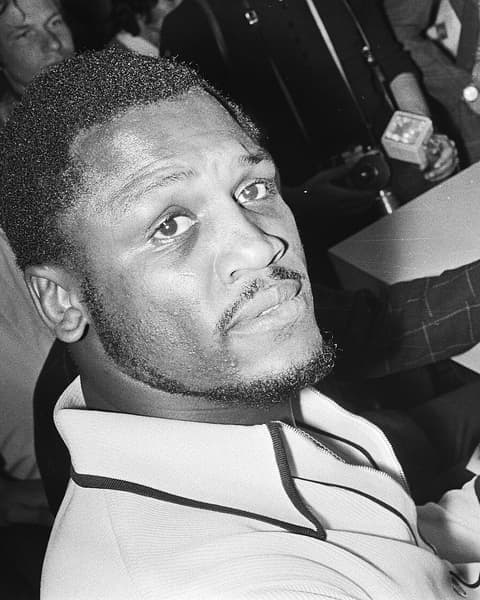
The jab is a fast, straight punch with your lead hand. It starts closest to the target and needs the least commitment, so it is the most-used punch…