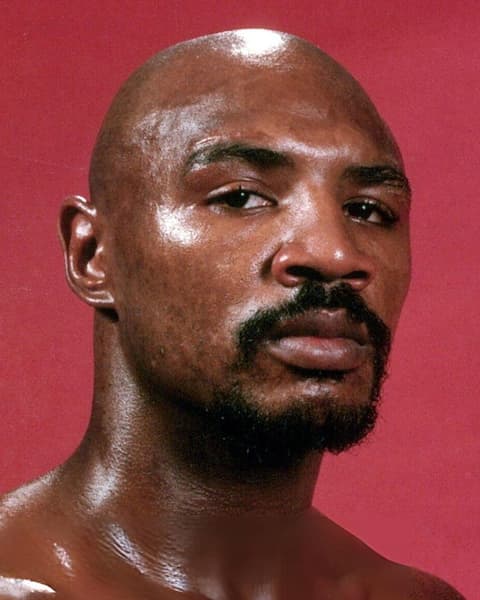
Also called Right cross counter, Counter right over the jab
The cross-counter is a rear-hand punch thrown the instant the opponent jabs: you slip your head inside the jab and drive a straight right over their extended arm to the chin. It is where the word "cross" comes from, because the punch crosses the opponent's arm. Jack Dempsey called it the deadliest of all counterpunches, because it meets the opponent while their weight is coming forward.
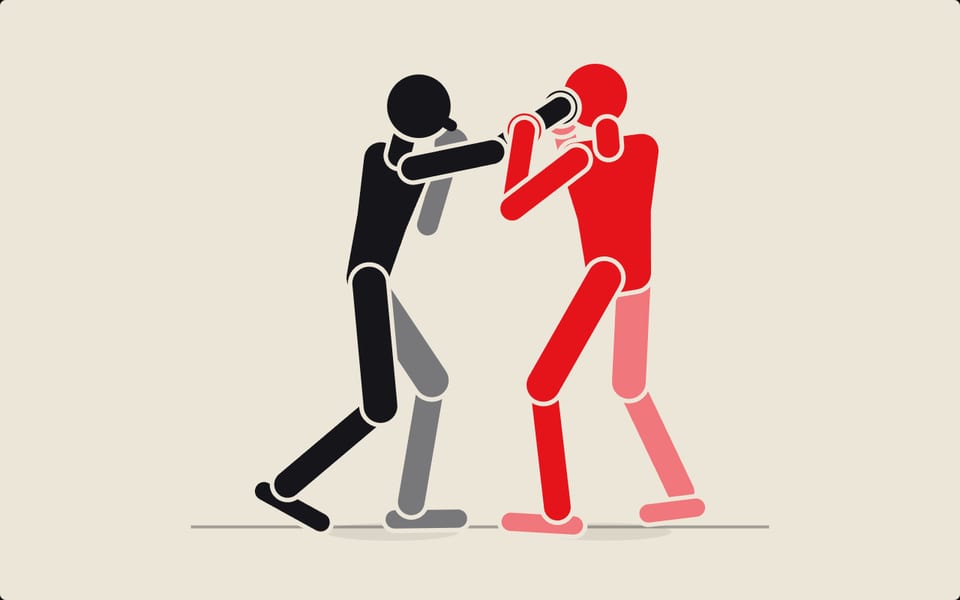
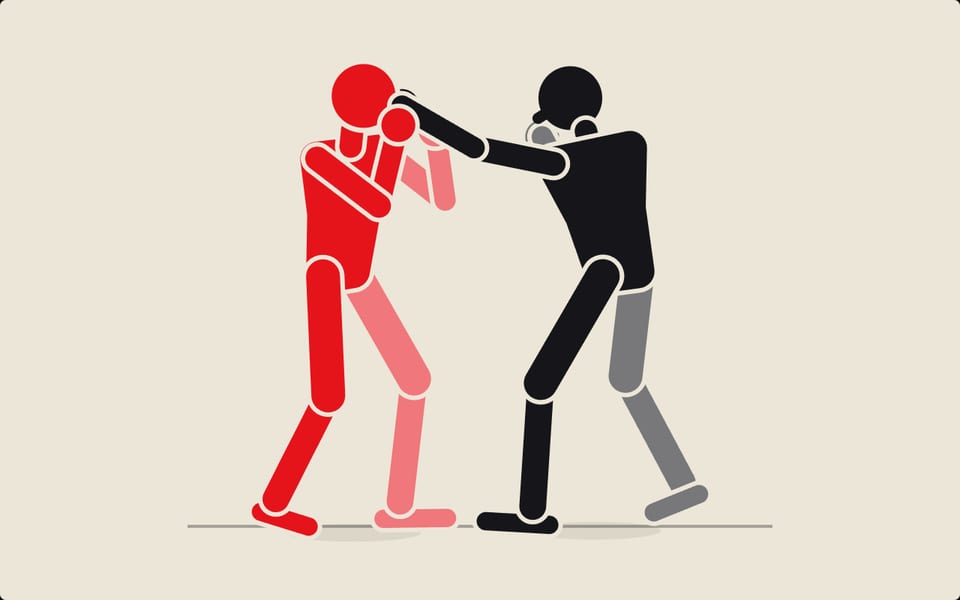
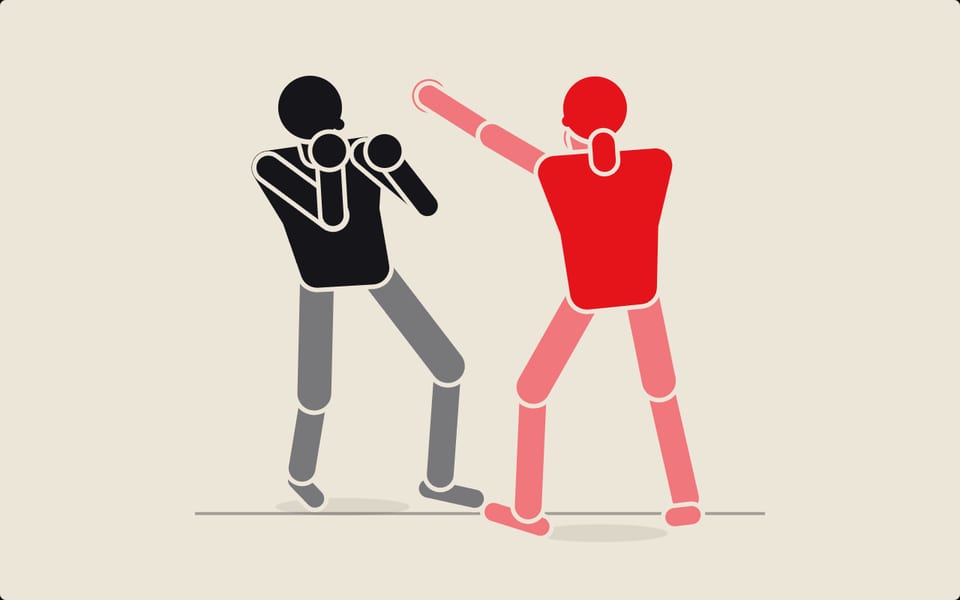
Satori's coaches are filming every technique, full speed and slow motion from two angles. Until it's up, the diagram shows the movement step by step.
How to do it
Start: Closed stance (orthodox against orthodox, or southpaw against southpaw) at the edge of the opponent's jab range. Rear hand loaded at your chin; you have timed their jab and seen that they don't cover the chin with the lead shoulder when they throw it.
- 1Time the jab: learn the habit that tells you it is coming, and be ready to answer the next one.
- 2As the jab starts, slip your head slightly to the inside so the jab passes over your rear shoulder.
- 3At the same moment, step in and drive your rear hand straight over their extended arm.
- 4Turn the rear foot and hips as in a normal cross, keeping the punch straight rather than hooked.
- 5Land on the chin while their weight is still moving forward.
- 6Recover to guard, or follow with a lead hook as they stumble.
- Same time, not after.
- Over the arm, straight to the chin.
- Keep it straight; don't hook it.
- Only when their chin is open on the jab.
- Hooking the cross. Fix: keep the elbow behind the fist; the straighter it is, the more explosive it is.
- Waiting until the jab has passed. Fix: start the counter the moment the jab starts; a late counter meets a guard.
- Throwing it when the chin is covered. Fix: use it only on a jabber who leaves the chin open.
- Slipping too far. Fix: move the head just enough for the jab to pass over your shoulder.
Safety: Both fighters are moving into each other, so the impact is much greater than a normal cross. Practise it slowly with mitts and headgear, and never at full speed on a partner's chin.
When to use it
- Against a jabber who doesn't cover the chin with the lead shoulder, or drops the hand after jabbing.
- Against a lazy, pawing or repetitive jab.
- In closed stance, where your rear hand lines up over their jab arm.
- Draw the jab by holding your rear hand slightly low, ready to counter.
- Let them land a few jabs to learn the rhythm, then answer the next one.
- Back up in straight lines so they have to reach with the jab to follow you.
- Lead hook
- A second right hand
- Step off to the lead side
- Covering the chin with the lead shoulder on every jab.
- Jabbing while stepping to an angle instead of straight down the middle.
- Feinting the jab to draw the counter, then punishing it with a lead hook.
- Raise the lead shoulder and tuck the chin as you jab, and bring the jab hand straight back.
- Keep your rear glove high on your cheek.
- Don't jab from a fixed rhythm or distance.
The physics
The cross-counter answers the opponent's jab with your rear hand, thrown over his extended lead arm. As his jab comes, move your head just off its line while your rear hand travels the other way, so defence and attack happen in one motion instead of block, then punch.
His forward motion adds to your fist's speed at contact, and your rear hand carries the long push from the rear foot and a full hip turn, so it hits far harder than the jab it answers. Because his lead arm is extended, it can't cover his face on that side. Throw it late and his jab is already back on guard; throw it early, or without moving your head, and you simply trade punches.
- Myth: the cross-counter is just trading shots. It works because your head leaves the line of the jab at the same moment your punch is thrown.
Masters and famous moments
Schmeling had studied Louis's habit of lowering his left after the jab. In the fourth round Louis pawed out a slow jab, Schmeling pounced with a counter right that stunned him and a second right that dropped him, and he went on to knock Louis out in the 12th.
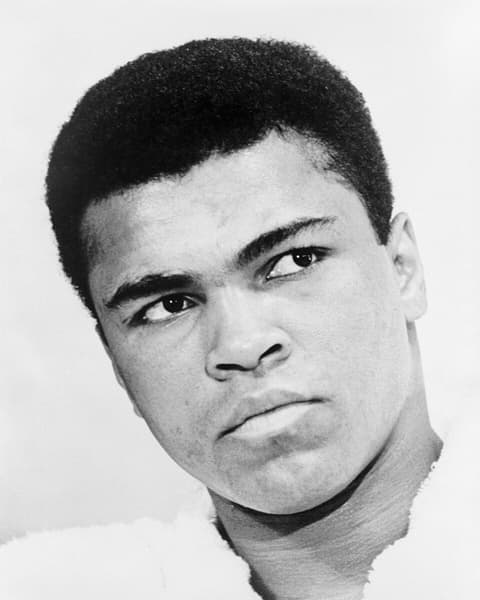
With Foreman worn out from punching at him on the ropes, Ali landed several right hands over Foreman's jab, then a five-punch combination ending in a left hook and a hard right that dropped him; Foreman was counted out.
Across the arts
Dempsey's version: slip inside the jab so it passes over your rear shoulder, then shoot the straight right over the arm.
Southpaw against southpaw, the same move is a straight left over the opponent's right jab.
Orthodox against southpaw, the rear hand does not cross the jab arm. The counter that goes over the jab there is the lead hook; a southpaw's right hook over an orthodox jab is sometimes called the "Manila Ice".
When the jab comes in high, the rear hand can loop over it as an overhand instead of travelling straight.
History
Jack Dempsey's 1950 manual Championship Fighting called the right cross the deadliest of all counterpunches and described it step by step: slip inside the left jab, step in and shoot a straight right over the opponent's extended arm, which is why it is called a cross. He stressed that it is a head counter used only against a left jab, that it must stay straight, and that it must start at the same instant as the jab. Max Schmeling's 1936 upset of Joe Louis was built on it: he had studied Louis's habit of lowering his left after jabbing.
In the rules
Drills
Your partner throws slow jabs at your face with a mitt on the rear hand held at chin height. Slip slightly inside and land a straight right over their jabbing arm onto the mitt. Speed up only when your counter starts with their jab.
Shadowbox imagining a jab every few seconds: slip inside, rear straight, step off. Three rounds.
In light sparring one partner may only jab; the other learns the rhythm and tries to land a light cross-counter on every third jab.
Legends known for it

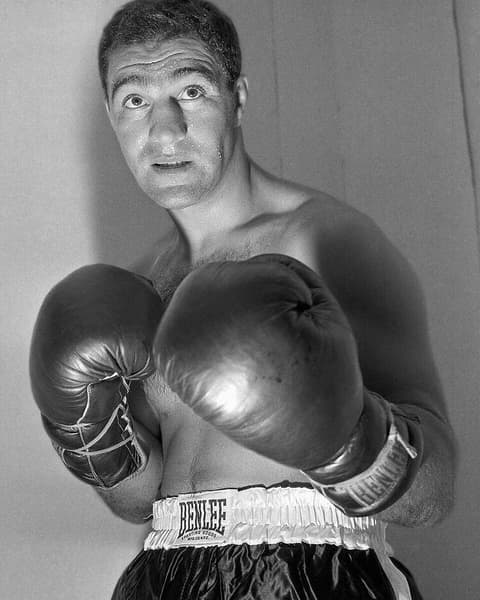
We teach it in Boxing. A coach will fix the details you can't see yourself. Join now and book your first class for $20, paid online.
Related techniques
The cross is the straight punch with your rear hand: the right for an orthodox fighter, the left for a southpaw. The rear foot, hips and shoulders…

The jab is a fast, straight punch with your lead hand. It starts closest to the target and needs the least commitment, so it is the most-used punch…

Counterpunching means letting the opponent attack first, making the attack miss or land on your guard, and hitting back into the opening it leaves…
The pull counter shifts your weight back so the opponent's jab or lead punch falls just short, then fires your rear hand straight down the middle…


A slip moves your head just off the line of a straight punch, so it misses by centimetres while you stay in range to hit back. The movement comes…

The overhand is a looping rear-hand punch that arcs over the opponent's lead hand or jab and drops onto the head from above. Dropping your body…