Karate & Taekwondo: 刻み突き Kizami-zuki (“lead-hand jab, thrown as the front foot steps in”) · Savate: Direct bras avant (“lead-arm straight”) · Muay Thai: หมัดหน้า Mat na (“front punch”)
Also called Lead straight, Left jab (orthodox), Right jab (southpaw), The 1, Direct du bras avant
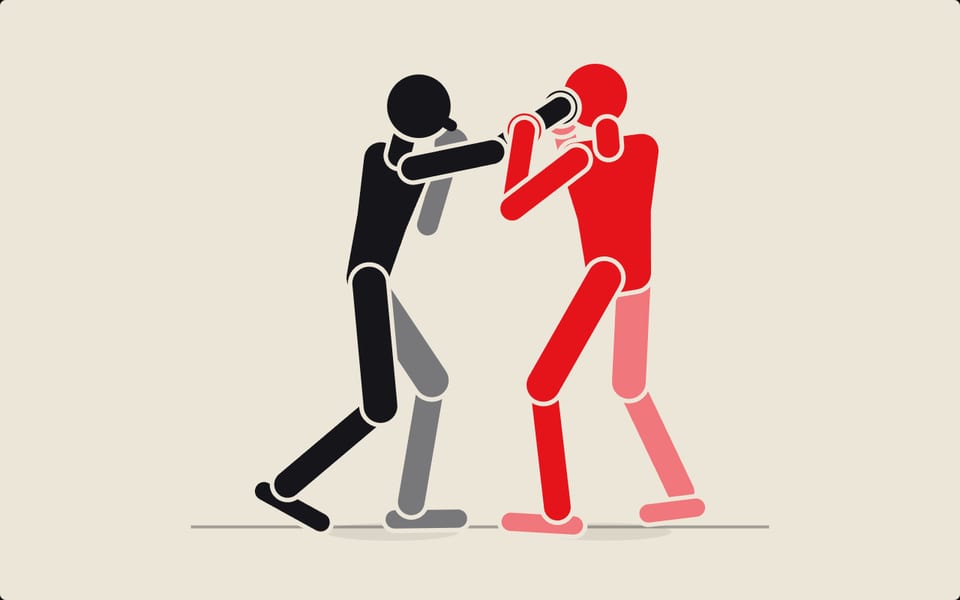
The jab is a fast, straight punch with your lead hand. It starts closest to the target and needs the least commitment, so it is the most-used punch in boxing: it measures distance, breaks up the opponent's rhythm and sets up everything else. Whoever controls the jab usually controls the range.
Satori's coaches are filming every technique, full speed and slow motion from two angles. Until it's up, the diagram shows the movement step by step.
Watch it
How to do it
Start: Fighting stance, lead foot and lead hand forward (left for orthodox, right for southpaw), hands at cheek height, chin down, elbows in. Stand at the edge of range: one small step should let your jab touch the opponent's face, and they should need a step to reach you.
- 1Push lightly off the ball of your rear foot to start your weight moving forward.
- 2Drive the lead hand straight out from your cheek, elbow down, on the shortest line to the target.
- 3Turn the fist over late so it lands with the first two knuckles, and let the lead shoulder rise to cover your chin.
- 4Keep the rear glove on your cheek and the rear elbow on your ribs.
- 5For more reach, step in with the lead foot as the punch lands, then slide the rear foot up the same distance.
- 6Snap the hand straight back along the same line, faster than it went out.
- 7Move your head or feet after the jab so you never stand still on the centre line.
- Out and back on the same line.
- Shoulder up, chin down.
- Rear hand stays home.
- Jab with your feet, not just your arm.
- Palm-down or upright fist? Coaches differ; keep the wrist straight either way.
- Dropping the hand after the jab. Fix: bring it back along the same line to your cheek; it was Joe Louis's lowered left that Max Schmeling timed in 1936.
- Pawing without intent. Fix: aim at a real target and push off the rear foot so the jab has weight.
- Reaching by leaning over the lead knee. Fix: step with the lead foot for distance and keep your head above your knees.
- Telegraphing by pulling the hand back or dipping the shoulder first. Fix: start the jab straight from the guard.
- Jabbing and standing still. Fix: follow with another punch or move your head or feet after every jab.
Safety: Wrap your hands and use 14–16 oz gloves for bag and partner work, keep the wrist straight on impact, and keep partner drills light until your coach approves contact.
When to use it
- To find and hold your range at the start of a round and after every exchange.
- To interrupt an opponent who is setting their feet or loading a big punch.
- To open combinations: the jab covers the eyes while the cross follows.
- To win rounds from the outside against a slower or shorter opponent.
- Feint a jab to the body, then jab to the head.
- Double up: the first jab finds the range and draws the guard, the second lands.
- Step your lead foot to an angle outside theirs and jab from there.
- Jab as they step in, so their forward motion adds to the impact.
- Cross (the one-two)
- Lead hook after a double jab (1-1-3)
- Angle step out to the lead side
- Cross-counter: a rear hand thrown over a lazy jab.
- Slip inside or outside the jab and counter to the head or body.
- Pull back so it falls short, then fire the rear straight as it returns.
- Catch it in the palm of your rear glove and return a jab or cross.
- Parry it across with a small tap of the rear hand, not a big swat.
- Slip to the outside or take a half-step back, then counter as the arm retracts.
The physics
The jab is a speed punch: your lead hand starts closest to the target, so it has the shortest path and lands before anything else you throw.
Push lightly off the rear foot and turn the lead shoulder in as the arm extends, which puts some body mass behind the fist without slowing it down. What the target feels is momentum, so a fast fist backed by a firm wrist, arm and shoulder hits harder than a loose one; a second burst of muscle tension just before contact is thought to stiffen the arm for exactly this job. Range decides the rest: a straight punch reaches top speed just before it lands, so aim slightly past the target and throw from a distance you choose, not one you are stuck at. Snap the hand back along the same line, because an extended arm can't protect your face. Keep your chin down behind the lead shoulder while you throw, since the jab puts you at the range where you can be countered.
- Myth: the jab is too light to matter. In lab tests the rear hand hits much harder, yet in a measured pro heavyweight fight the lead-hand punches that landed were, on average, as forceful as the rear-hand ones (Pierce et al. 2006).
- Myth: hand speed is something you are born with. In amateur boxers, jab speed was linked to boxing experience while cross speed tracked arm reach (Kimm & Thiel 2015), which suggests jab speed improves with training.
Switch on Physics and the punch on the diagram is worked out by a physics engine: the arm, the 10 oz glove and the head have their real masses, the glove is padded and the neck gives. We tuned it to a few numbers from the studies below; everything else is the engine's own answer, next to what was measured.
| Engine | Lab | Study | ||
|---|---|---|---|---|
| lead-hand punch force: from the average landed in a pro fight to elite boxers' maximum on a punch dynamometer | 1,629N | 1,125–2,847 N | in range | Pierce et al., J Quant Anal Sports 2006 · Smith, Dyson, Hale & Janaway, J Sports Sci 2000 |
Tuned to: first movement to contact 405 ms (Stanley, Thomson, Smith & Lamb, Int J Perform Anal Sport 2018).
Masters and famous moments
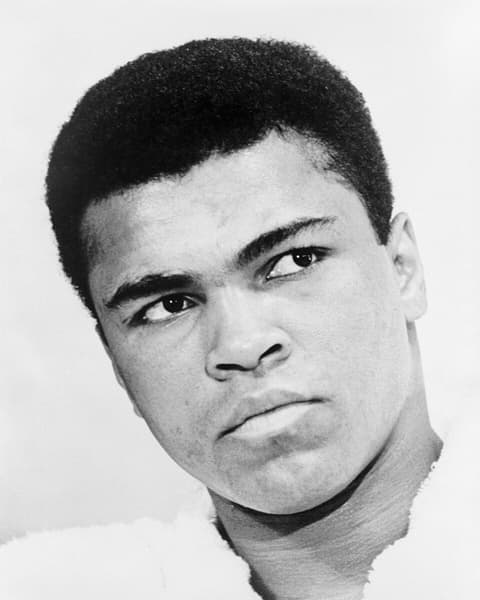
Fighting as Cassius Clay, he used speed and footwork to make the feared champion miss, jabbed him repeatedly from the end of the first round and cut him with a combination in the third; Liston did not come out for the seventh. The classic case of the jab and movement beating a bigger puncher.
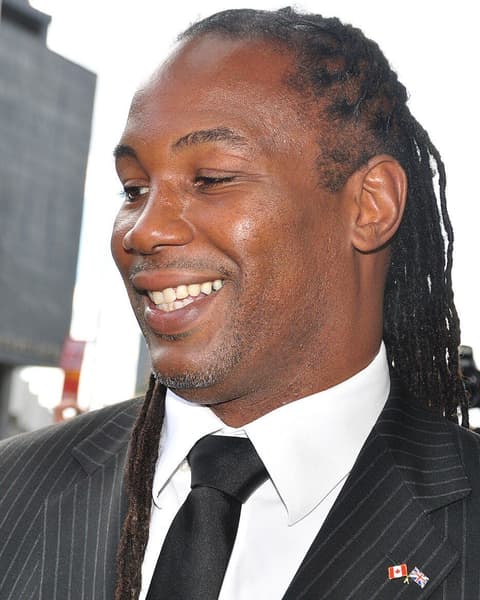
Lewis kept Tyson on the end of his jab round after round, landing mostly jabs in the middle rounds to stop the rushes and set up his right hand, and knocked Tyson out in the eighth.

St-Pierre landed 55 jabs to Koscheck's head; one in the first round swelled his right eye, which ended the fight shut from a broken orbital bone, and St-Pierre won every round. It showed how a boxing jab carries over into MMA.
Across the arts
Two or three jabs in a row without bringing the hand all the way back between them. The first finds the range or blinds the opponent; the second or third lands as they react. Step on one of them to keep moving forward.
Lower your level (most coaches want the bend in the knees, not the waist) and jab to the chest or solar plexus. It has little power, but it pulls the guard down for a jab or cross to the head. Move your head off the centre line as you throw it, because it leaves you open to a counter over the top.
The stance is more upright and square, with the front leg light so it can kick and check kicks, and the hands high for the clinch. The jab is shorter and used mainly to measure and set up kicks, knees and elbows, usually as a single shot or a two-punch combination rather than a long boxing flurry.
The stance is wider to defend takedowns and kicks, and small MMA gloves give less cover, so the jab is used as much to hide level changes and measure distance as to score. Georges St-Pierre's jab closed Josh Koscheck's eye at UFC 124.
Karate's lead-hand punch: from a longer stance you step in with the front foot and punch to the head with the lead fist, drawing the rear foot up quickly without letting your head rise. In WKF kumite a clean one scores yuko (1 point).
Savate's lead straight, one of only four punches allowed in competition savate (with the rear straight, the hook and the uppercut). It is used like a boxing jab to measure and to set up kicks.
History
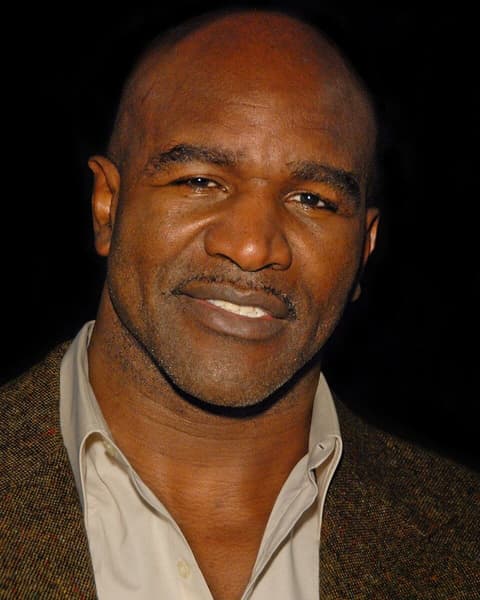
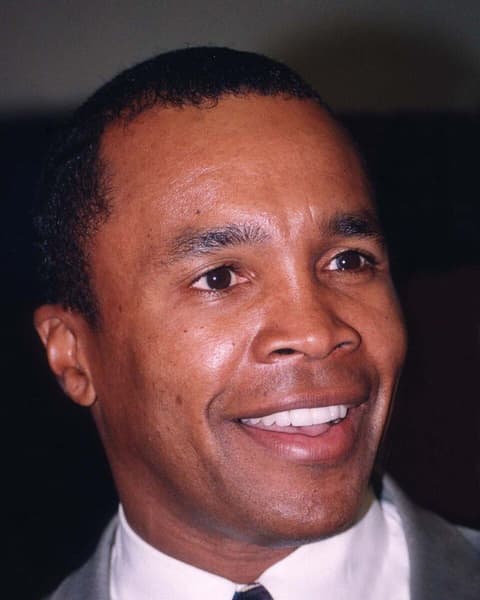
The word "jab" was first used in 1825 to mean a thrust with a point; it is a Scottish variant of "job", to strike or pierce. Jack Dempsey's 1950 manual Championship Fighting complained that most boxers had turned the lead hand into a light tap and taught a stepping "left jolt" instead, keeping the light jab only for the one-two. Historians count Sonny Liston, Larry Holmes, Muhammad Ali and George Foreman among the best jabbers, with Ali's jab famous for speed and Liston's for power; Lennox Lewis and Wladimir Klitschko later built heavy jabs under the same trainer.
In the rules
Drills
Stand in stance in front of a mirror and throw slow jabs, checking four things every rep: rear hand on the cheek, lead shoulder over the chin, fist back to the same spot, feet still in stance. Three 3-minute rounds, adding speed only when all four hold.
Use a line on the floor. Step-jab forward, step back, pivot, repeat; make every third rep a double jab. Keep both feet sliding and never cross them.
Your partner wears one mitt and moves around the ring. Hit it only when they show it at head height, with single, double and step-in jabs, returning to guard each time. The partner taps back lightly with the other hand to catch a dropped guard.
Legends known for it




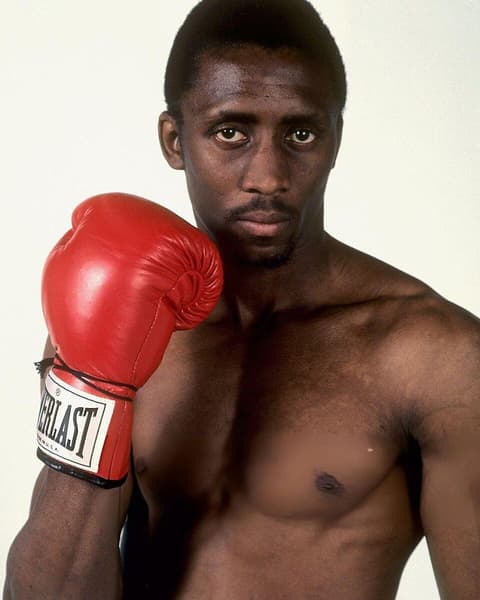
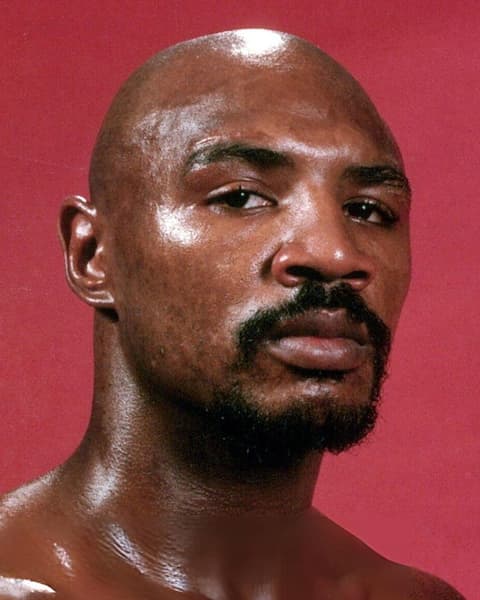
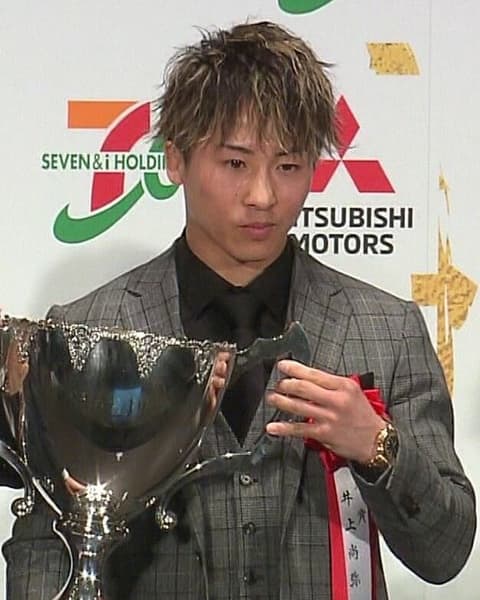

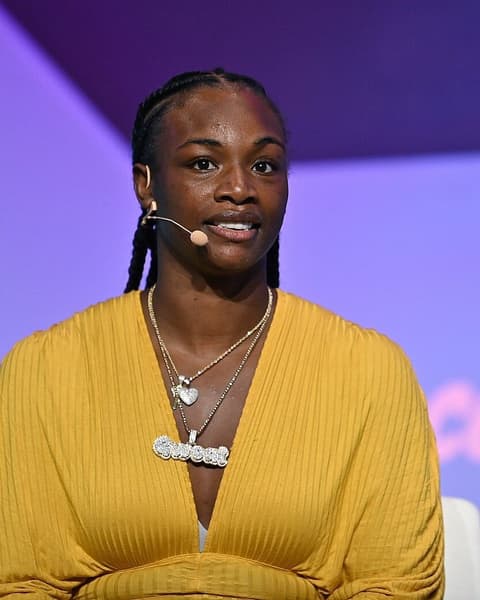
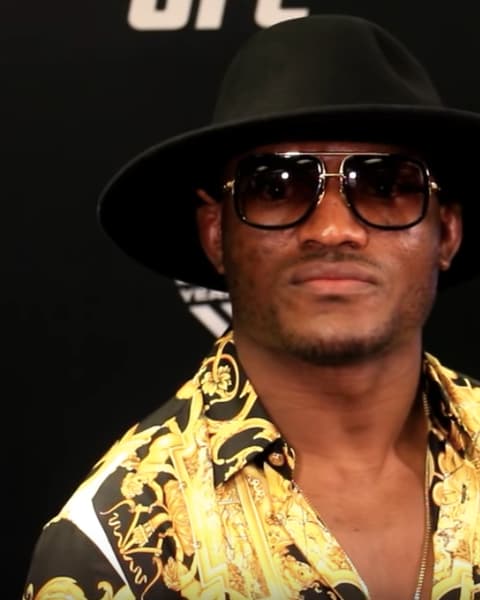
 2002–now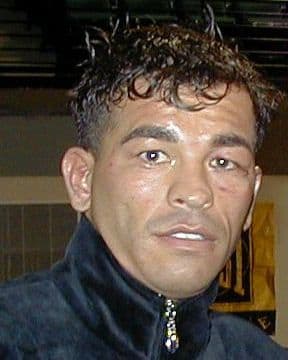





We teach it in Boxing. A coach will fix the details you can't see yourself. Join now and book your first class for $20, paid online.
Related techniques
The cross is the straight punch with your rear hand: the right for an orthodox fighter, the left for a southpaw. The rear foot, hips and shoulders…
A combination is a planned chain of punches in which each one sets up the next: the jab blinds and measures, the cross turns the hips, and that…
A feint is a threatened punch that you never throw: a twitch of the lead shoulder, a half-jab, a shift of the eyes or a dip of the knees. When the…

Counterpunching means letting the opponent attack first, making the attack miss or land on your guard, and hitting back into the opening it leaves…
The cross-counter is a rear-hand punch thrown the instant the opponent jabs: you slip your head inside the jab and drive a straight right over…
The pull counter shifts your weight back so the opponent's jab or lead punch falls just short, then fires your rear hand straight down the middle…