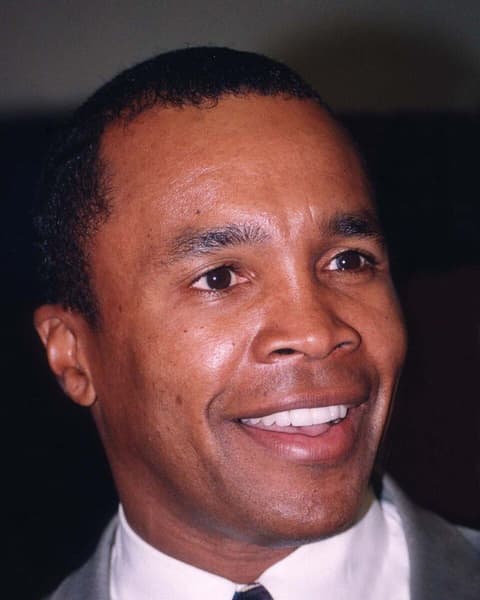
Also called Clinching, Tying up, Holding
A boxing clinch ties up your opponent's arms at close range so neither of you can punch until the referee breaks it. Boxers use it to stop a combination, recover from a hard shot, kill an opponent's momentum or slow a fight they are winning. The rules only allow it briefly: holding too much draws warnings and point deductions.
Satori's coaches are filming every technique, full speed and slow motion from two angles. Until it's up, the diagram shows the movement step by step.
How to do it
Start: Close range, usually just after your opponent steps in, throws a combination or hurts you.
- 1Step in close enough that your chest is near theirs, so their punches have no room.
- 2Loop your arms over the outside of their arms, near the shoulders.
- 3Scoop your forearms under theirs and squeeze their arms against your body.
- 4Put your head beside theirs, not in front of it, and keep your chin tucked.
- 5Lean a little of your weight on them so they have to hold you up.
- 6Keep your feet under you in stance so you can't be turned or pushed off balance.
- 7When the referee calls 'break', let go and take a full step back before you punch.
- Chest to chest: no room, no punches.
- Tie the arms, not the neck.
- Lean, don't hang.
- On 'break', step back before you punch.
- Hanging on without working. Fix: use the clinch to recover, then fight; excessive holding costs points.
- Holding behind the head or neck. Fix: tie up the arms; locking the head is a foul.
- Punching with one hand while holding with the other. Fix: hitting while holding is a foul, so wait for the break.
- Punching on the break. Fix: take a full step back first.
- Driving your head low into the clinch. Fix: head beside theirs, chin tucked, to avoid clashes.
Safety: Clinch work can cause head clashes and wrenched shoulders. Go slowly, keep heads to the side, never twist a partner's arm or neck, and let go as soon as the coach calls 'break'.
When to use it
- After you've been hurt, to buy time for your head to clear.
- To stop a pressure fighter's combinations or body attack.
- When an opponent lunges in off balance and is easy to tie up.
- Late in a close fight, to slow the pace.
- Slip or roll under a punch and come up already inside, ready to tie up.
- Throw a combination and finish it by wrapping the arms before they can reply.
- Step in behind a jab when your opponent loads up on a big punch.
- A step back out of range on the break
- Punching out of the clinch, where the referee allows it
- A pivot to change position against the ropes
- Keeping one hand free and working short punches to the body until the referee steps in.
- Stepping back or pivoting away as you reach, so you grab at air.
- Letting the referee see it: persistent holding brings warnings and point deductions.
- Move sideways so they can't close the distance to grab you.
- Keep your hands inside and your punches short when they come in.
- Stand tall with your feet under you so they can't lean their weight on you.
The physics
The clinch shuts down the physics that make punches hurt. A punch needs room to build speed, so when you close to chest-to-chest range and tie up the opponent's arms at or above the elbows, his fists have almost no distance to accelerate.
Lean some of your weight onto him with your head beside his and your feet still under your own hips, and he has to hold you up, which costs him energy while you recover. Your control comes from staying chest to chest and keeping his arms pinned; a gap between your bodies gives him room to pull a hand free and punch at short range. Lean so far that your feet trail behind you and you'll stumble forward when the referee separates you.
Masters and famous moments
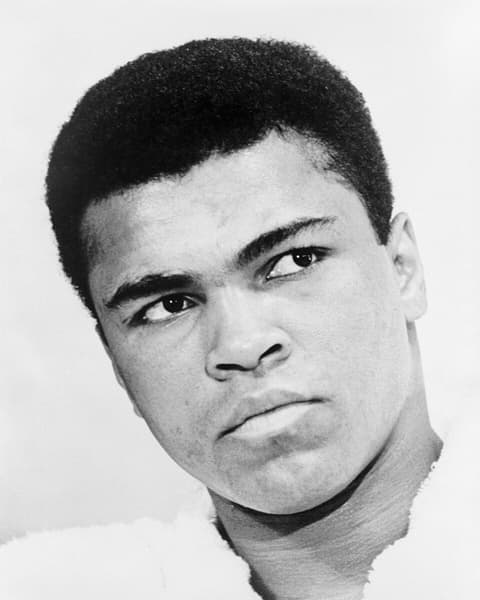
Ali tied Frazier up again and again, holding him behind the neck with his left hand while trapping Frazier's left arm with his right, which smothered his inside work. The referee allowed it and Ali won a unanimous decision, but locking the head is a foul under today's rules.
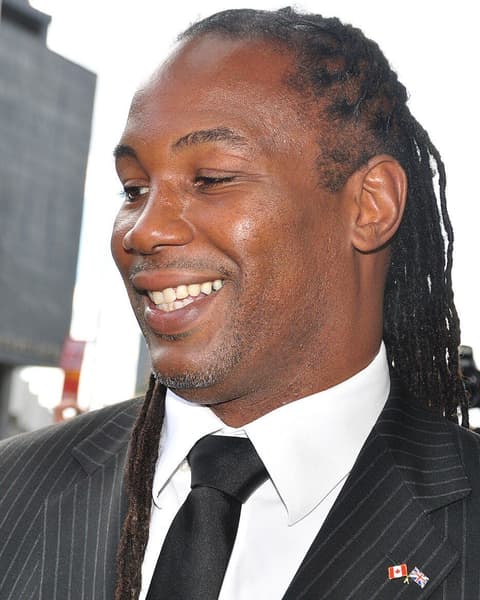
Lewis used the clinch to fend off Tyson's body attacks; he was warned for holding and docked a point for pushing Tyson down, then knocked him out in the eighth round.

Mayweather tied Pacquiao up whenever he got close; when Pacquiao trapped him on the ropes in round 3, his lunge made him easy to clinch. Mayweather won a unanimous decision.
Across the arts
A scoring weapon rather than a pause: fighters use neck control, such as the double collar tie, to land knees and elbows and to throw opponents off balance.
The clinch sets up knees, elbows, trips and takedowns, and can take the fight to the ground.
History
Early prize fighting allowed much more grappling: Jack Broughton's rules of 1743 banned hitting a man who was down and grabbing below the waist. The 1867 Queensberry Rules went further with 'No wrestling allowed', which turned the clinch into a brief tie-up that the referee breaks. It stayed a key tactic: Muhammad Ali held Joe Frazier behind the neck to smother his inside work in their 1974 rematch, and before their third fight Frazier's trainer Eddie Futch worked to stop him repeating it. Modern rule books list holding and hitting while holding as fouls.
In the rules
Drills
In light partner rounds, one boxer throws slow combinations while the other steps in and ties up the arms. Hold for three seconds, step back on the coach's 'break', and repeat.
During light clinch work the coach calls 'break' at random; both boxers let go and take a full step back before throwing anything.
Shadowbox, and after each combination step in and rehearse the arm wrap, then step back out into your stance.
Legends known for it


We teach it in Boxing. A coach will fix the details you can't see yourself. Join now and book your first class for $20, paid online.
Related techniques
The rope-a-dope is a tactic, not a single technique: you lean on the ropes behind a tight guard, let a big puncher wear himself out and counter…

The plum is Muay Thai's double collar tie: one hand over the other on the back of the opponent's head, forearms on the collarbones, elbows pinched…


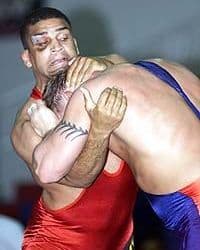
An underhook slides your arm under the opponent's armpit and around their back. It lifts their shoulder, turns their body and gives you the inside…

The high guard brings both gloves up to your forehead and your forearms together in front of your face, so punches land on gloves and arms instead…

A pivot turns your whole body around your lead foot, like a door on its hinge. The ball of the lead foot stays planted while the rear foot swings…