裸絞Hadaka-jime · say “hah-DAH-kah JEE-meh” · “naked strangle, done without gripping the jacket”
Grappling & BJJ: Mata-leão (“lion killer”)
Also called RNC, Hadaka-jime, Mata leão, Naked strangle, Lion killer
The rear naked choke is a strangle applied from behind. One arm wraps the neck with the crook of the elbow under the chin, that hand grips your other biceps, and your free hand pushes their head forward. Squeezing your elbows together closes both sides of the neck and cuts blood flow to the brain. It is hadaka-jime in judo and mata leão in jiu-jitsu, and it needs no jacket, which is why it is called naked. It ended the final of the first UFC in 1993.
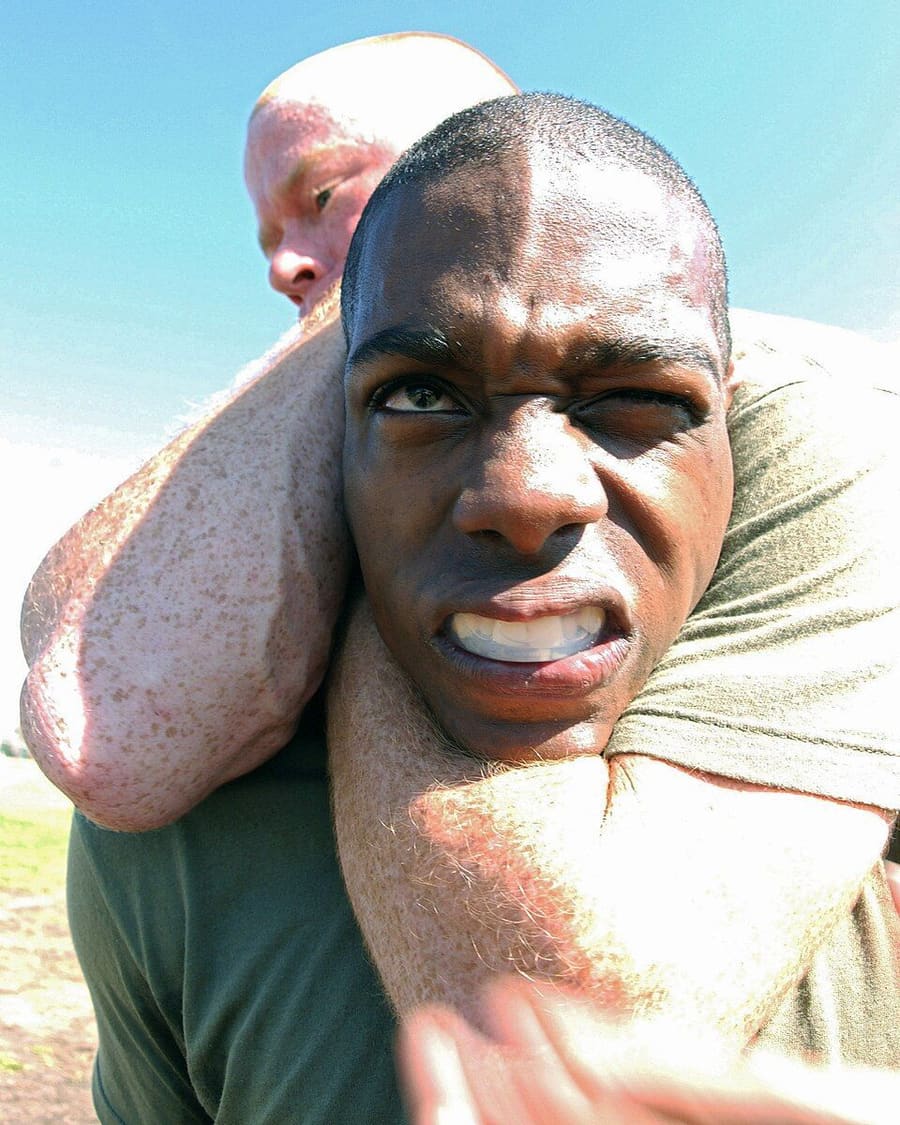
Satori's coaches are filming every technique, full speed and slow motion from two angles. Until it's up, the diagram shows the movement step by step.
How to do it
Start: You are behind your partner with control of their upper body: you are lying on the mat with your chest on their back and your legs wrapped round their waist, or seated behind them. One arm is already over their shoulder and the other under their arm.
- 1From back control with your chest tight to their back, slide your choking arm across the front of their neck until the crook of your elbow is centred under their chin.
- 2Grip your other biceps with the hand of the choking arm.
- 3Put your free hand flat behind their head, or on your own shoulder, so it can push their head into the choke.
- 4Bring your head tight beside theirs so they cannot turn or tuck their chin away.
- 5Keep your chest glued to their back and use your legs or hooks to control their hips.
- 6Squeeze your elbows together and pull your shoulder blades back, pushing their head forward with the free hand, until they tap.
- 7Let go the instant you feel the tap or your partner goes limp.
- Elbow under the chin, not across the throat.
- Head to head.
- Squeeze with your back, not just your arm.
- Chest glued to their back.
- Coaches differ on the free hand: behind the head pushes it forward, on your shoulder closes the gap and gives fewer ways out.
- Squeezing across the jaw or face instead of getting under the chin. Fix: slide the elbow under the chin first.
- Forcing the choke without back control, so they turn into you. Fix: settle your chest and hips before you attack the neck.
- Leaving space between your chest and their back. Fix: pull your chest into them and keep your head tight.
- Pressing on the front of the throat. Fix: aim the pressure at the sides of the neck; air chokes hurt more and are riskier to the throat.
Safety: A correctly sunk choke puts people to sleep fast: in a study of 81 choke blackouts between trained, resisting fighters, the average time from a fully set choke to loss of consciousness was about nine seconds (Stellpflug et al., 2020). The choke works on blood flow to the brain, and an unconscious partner cannot tap. Squeeze smoothly and never jerk. Let go the moment you feel a tap, see a hand slap, or your partner goes limp. In video of strangle blackouts at the judo world championships, athletes who were held four seconds or more after going out were much more likely to convulse or stagger when they woke (Sasaki et al., 2022). If someone does go out, release, ease them onto their back, stay with them and call your coach or a medic. Judo Canada tournament rules require a medical check for any athlete who loses consciousness before they may carry on.
When to use it
- After you take the back in a scramble, from a turtle or following a throw.
- When your partner turns away from you to escape a pin or a mount.
- When their hands come off their chin to defend something else.
- When you want a finish that needs no jacket, as in no-gi grappling and MMA.
- Arm drag or snap-down to the back, then take the seatbelt grip.
- From a turtle, insert a hook and flatten them before you go for the arm.
- Win the hand fight: clear the hand that guards the chin with your free hand, or make them move it by attacking something else.
- From the mount, when they turn to their stomach to escape.
- Body triangle or hooks to keep the back if they defend.
- An armbar on the arm that fights the choke.
- Okuri-eri-jime (the sliding collar choke) if they are wearing a jacket.
- Tuck the chin and fight the choking arm with both hands before it gets under the chin.
- Turn into the attacker and escape your hips toward guard.
- Peel the choking wrist and slide out the back door.
- Tuck your chin to your chest the moment they take your back and fight the choking arm first.
- Protect the neck with both hands and keep your elbows down, then work on escaping the hooks.
- If it is sunk, tap early; do not wait for the vision to narrow.
The physics
The rear-naked choke is a blood choke. Your biceps and forearm press on the two sides of your partner's neck, squeezing the carotid arteries that carry blood to the brain, while the crook of your elbow sits in front of the windpipe so the airway is not the target.
Your other hand behind their head pushes it forward into the loop, so the arms close like scissors and the pressure comes from squeezing, not from pulling back on the throat. In a study of police officers held in a similar arm-around-the-neck restraint, blood-flow speed in the main brain arteries fell sharply and signs of imminent blackout appeared after about 9.5 seconds on average, with no significant change in heart rate or blood pressure, pointing to carotid compression as the main mechanism. Pressure on the neck veins, which slows blood leaving the head, may also play a part. An air choke on the windpipe works far more slowly, because the brain still receives blood, and it is hard on the throat, which is why the blood choke is the goal. Because it works so fast, let go the instant your partner taps or goes limp.
- Myth: a choke works by cutting off air. This is a blood choke: it compresses the carotid arteries on the sides of the neck, and the windpipe sits in the crook of the elbow, away from the pressure (Mitchell et al. 2012).
- Myth: blackout comes from a reflex that slows the heart. In the police study, heart rate and blood pressure did not change significantly; the main cause was the fall in blood flow to the brain (Mitchell et al. 2012).
Masters and famous moments
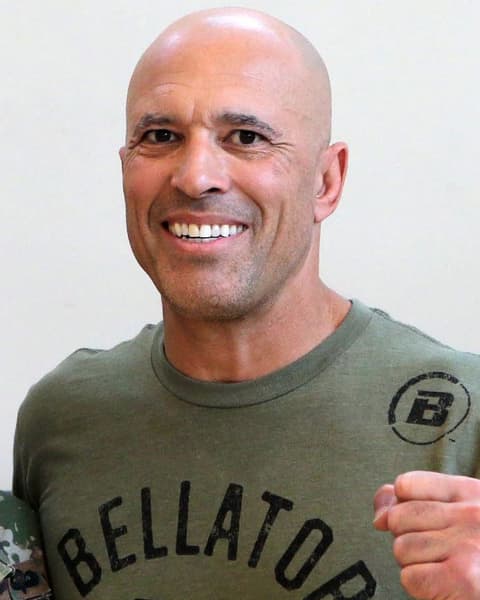
Gracie submitted Shamrock with a rear naked choke in 57 seconds, then beat Gerard Gordeau with the same choke at 1:44 in the final to win the tournament.

Nurmagomedov finished Poirier with a rear naked choke at 2:06 of the third round to keep the UFC lightweight title.

St-Pierre, the Canadian former welterweight champion, won the middleweight title with a rear naked choke at 4:23 of the third round, recorded as a technical submission.
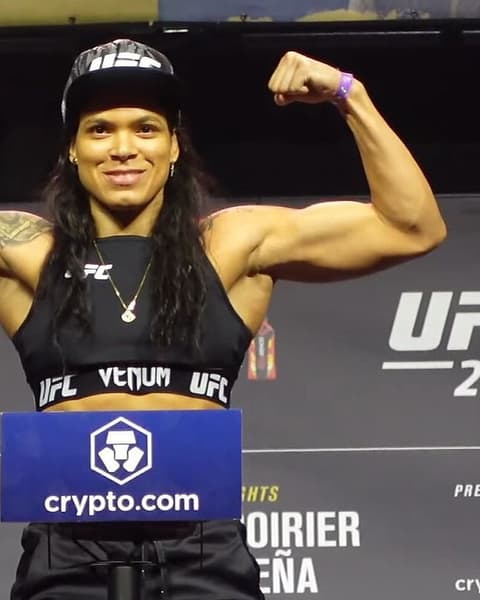
Nunes won the UFC women's bantamweight title with a rear naked choke at 3:16 of the first round.
Across the arts
From behind, put the inner forearm across the front of the neck, palm down, and clasp your hands above the far shoulder without gripping the jacket. The pressure comes from both arms together. This clasped-hands form is taught in the Kodokan list and in the Katame-no-kata.
The choking hand grips the other biceps and the free hand goes behind the head or onto your shoulder. This is the common version in jiu-jitsu and MMA, and the one most coaches mean by rear naked choke.
Both hands clasp. It gives more pressure but less control of the head, and it can turn into an air choke, which hurts more and is slower. It is less common at advanced judo level but has finished MMA fights.
You can control the hips with hooks inside their legs, or by crossing your legs over their stomach in a body lock. Hooks leave your legs open to attack; the body lock limits their movement and stays close to the back.
Sport sambo bans chokes, so the hold does not appear there. Combat sambo allows a 'painful (choke) hold' of up to one minute, and a bout can end with a choke-out judged a clear victory.
History
Judo calls the hold hadaka-jime, the 'naked strangle', because it does not grip the jacket, and it is one of the five strangles in the Katame-no-kata. Brazilian jiu-jitsu calls it mata leão, 'lion killer'. The hold was on show at the first UFC in November 1993, when Royce Gracie beat Ken Shamrock and then Gerard Gordeau with it. It has since decided title fights such as Amanda Nunes against Miesha Tate at UFC 200, Georges St-Pierre against Michael Bisping at UFC 217 and Khabib Nurmagomedov against Dustin Poirier at UFC 242.
In the rules
Drills
Hug a heavy bag from behind. Slide your choking arm to the top of the bag, grip your biceps, put the free hand behind the top and squeeze with your elbows and back. Ten slow reps each arm, feeling where the elbow sits.
From back control, your partner tucks their chin and fights the choking arm at 30 per cent. Win the hand fight with your free hand, slide the arm under the chin and stop at the light squeeze. Switch every two minutes.
From a well-set back control, apply the choke slowly to the point where your partner feels the pressure and taps. Release at once, reset and repeat. The partner taps early and often; the point is learning the feel, not the finish.
Legends known for it





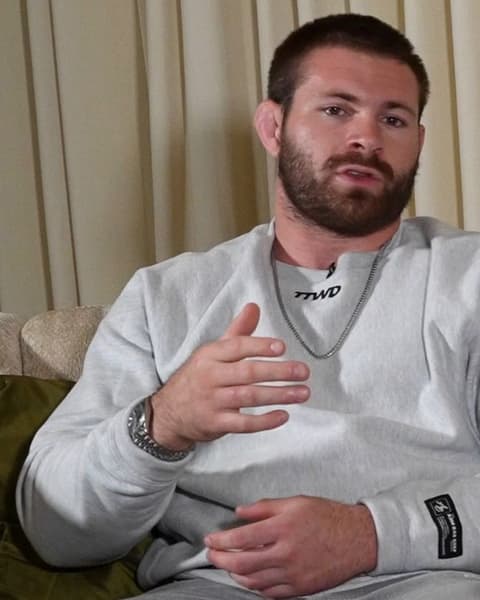
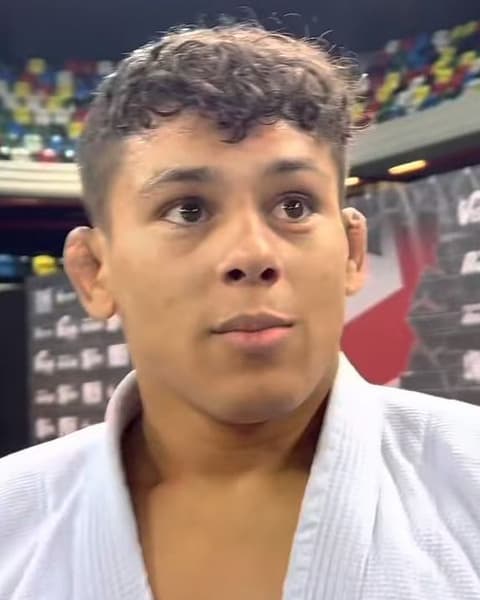


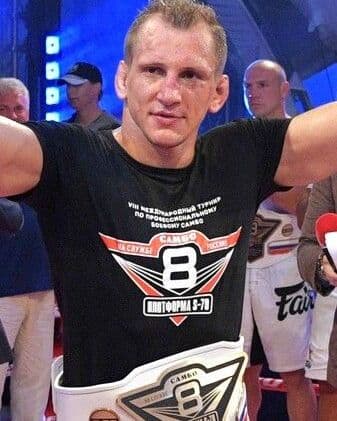

We teach it in Wrestling & Grappling. A coach will fix the details you can't see yourself. Join now and book your first class for $20, paid online.
Related techniques
Okuri-eri-jime is judo's sliding collar strangle. It is applied from behind and uses your partner's own jacket: one hand reaches deep into the far…

The cross collar choke uses your partner's own jacket. You feed both hands deep into their collar with your forearms crossed, then pull your elbows…
The triangle choke traps your partner's head and one of their arms inside a triangle made by your legs. One of your thighs and their own shoulder…
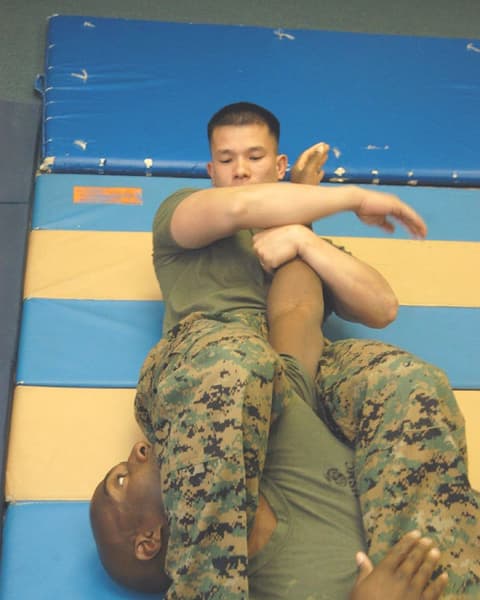
The armbar traps your partner's arm between your thighs, holds their wrist against your chest and lifts your hips so the elbow is forced straight,…


The kimura is a figure-four lock on the shoulder and elbow. You hold your partner's wrist, thread your other arm behind their upper arm, grip your…

The mount is the top position where you sit astride your partner's torso with a knee on each side. In judo it becomes tate-shiho-gatame when you…