The Greatest MMA Fighters of All Time
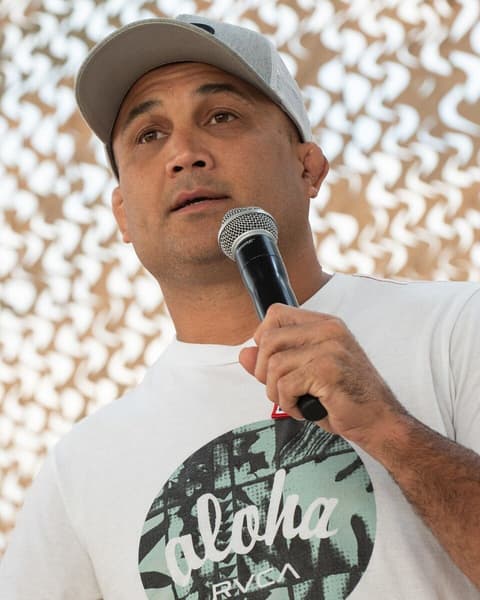
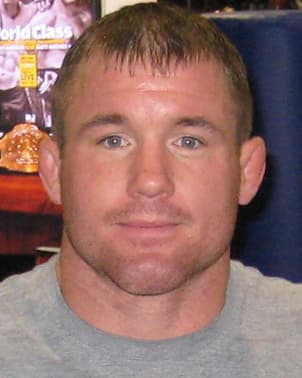
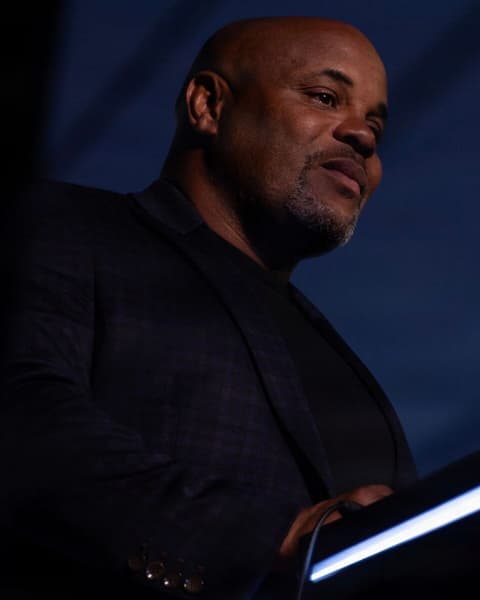
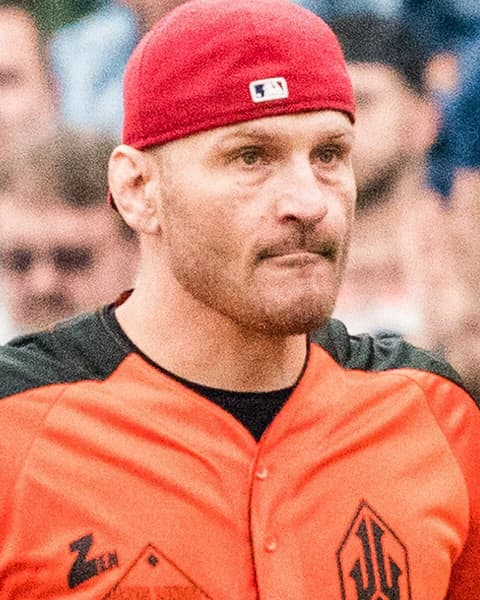
Mixed martial arts asks one athlete to strike, wrestle and fight on the ground in the same bout, so its best champions had to be complete fighters. This guide profiles the names most often raised in the greatest-of-all-time debate, from Canada's Georges St-Pierre to Anderson Silva, Fedor Emelianenko and Khabib Nurmagomedov. It also explains where the sport came from, how today's Unified Rules work and the dates that turned a no-holds-barred experiment into a regulated sport.
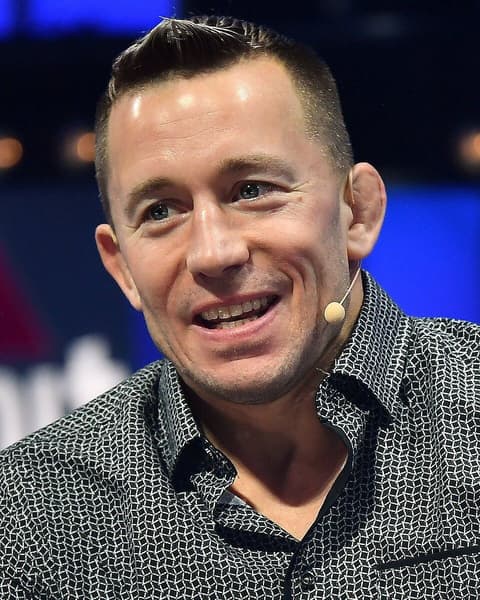
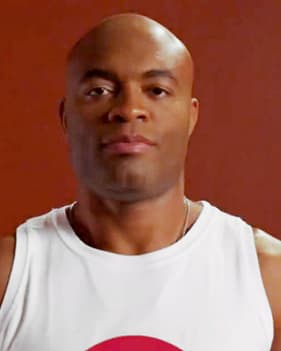
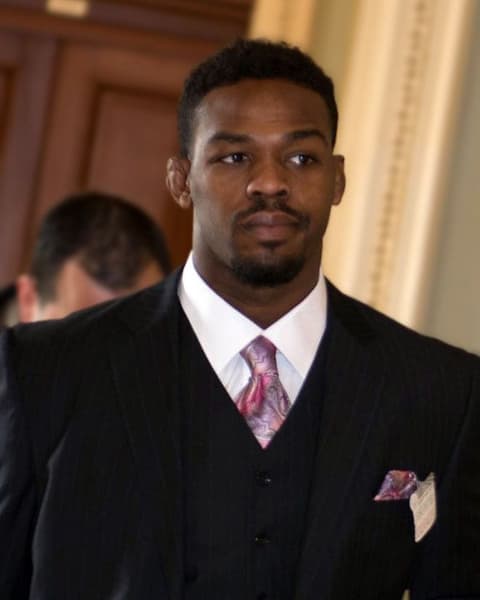
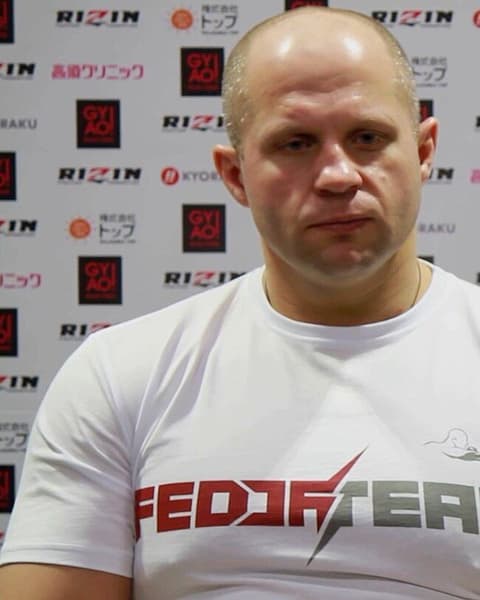
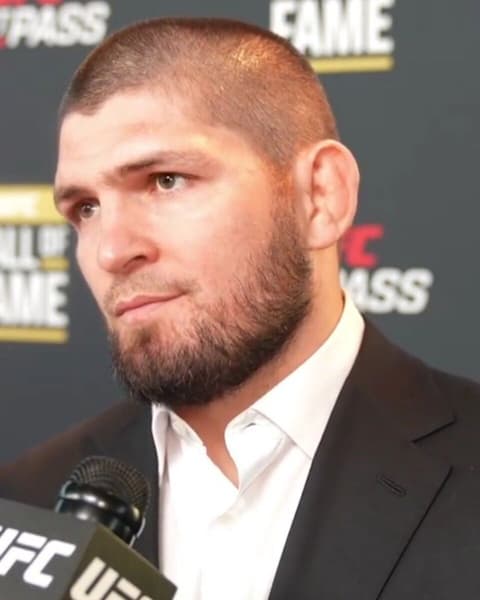
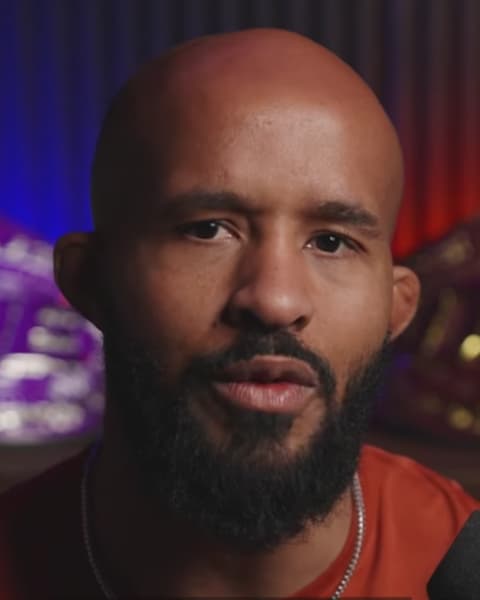
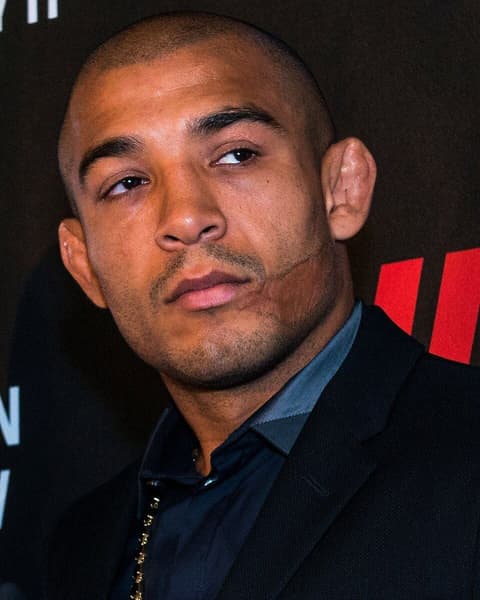
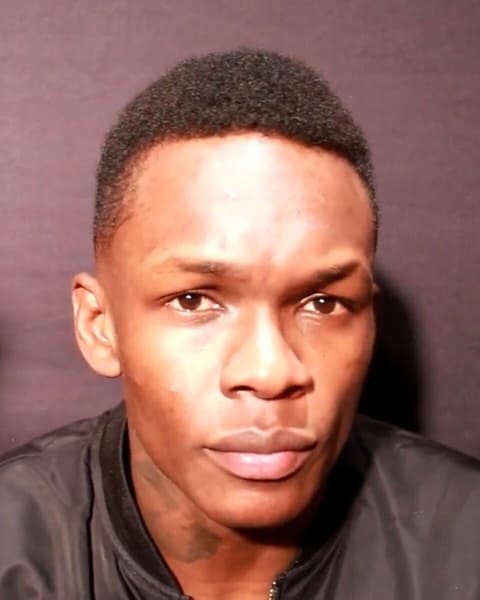
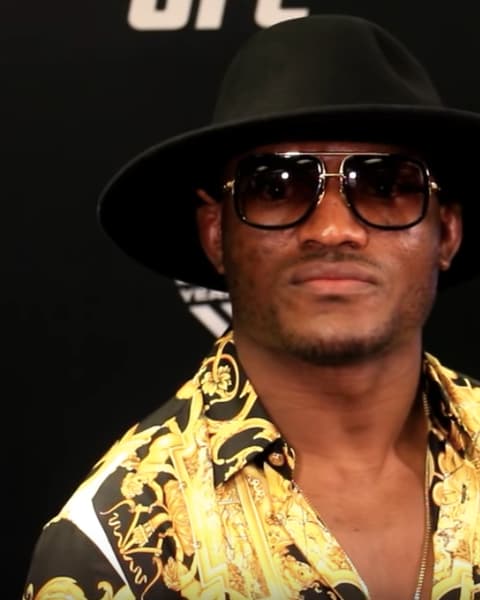
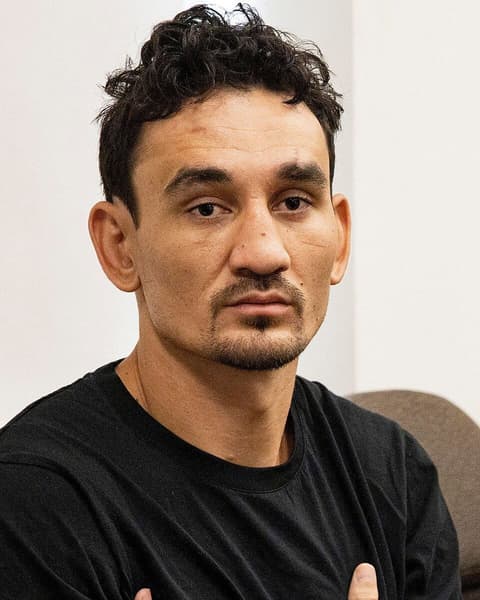
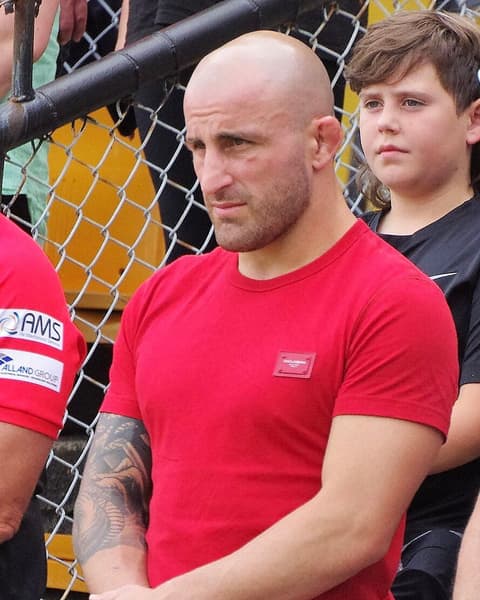
The legends


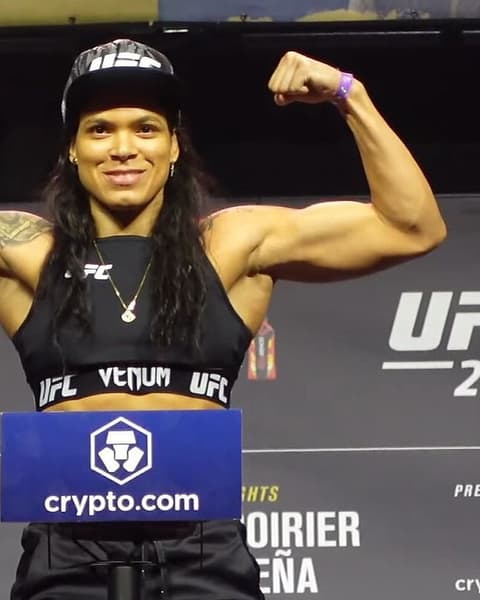
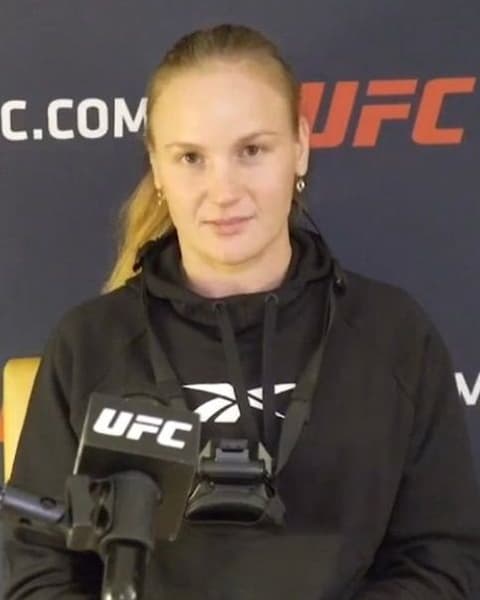





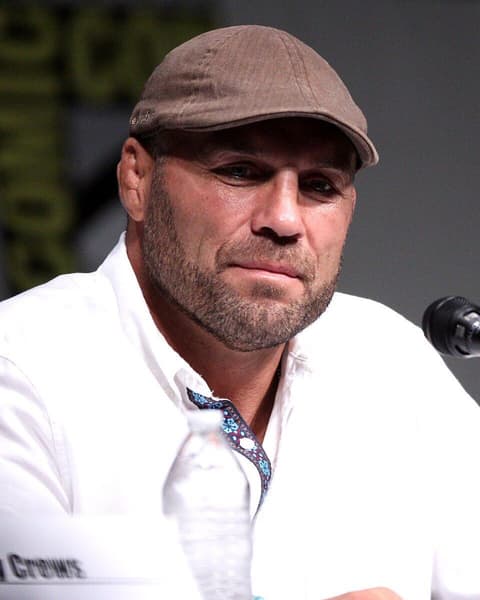
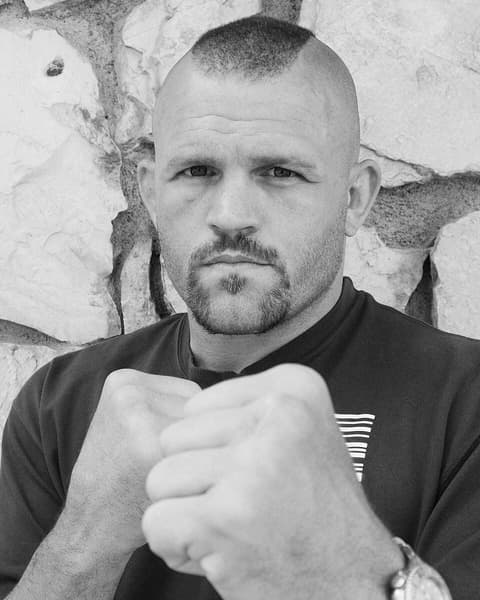
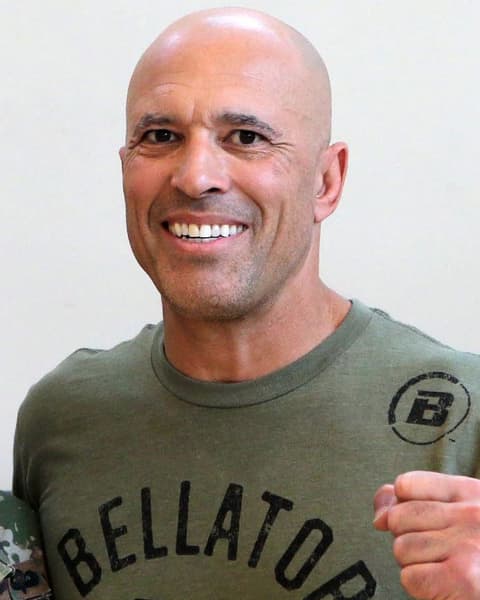


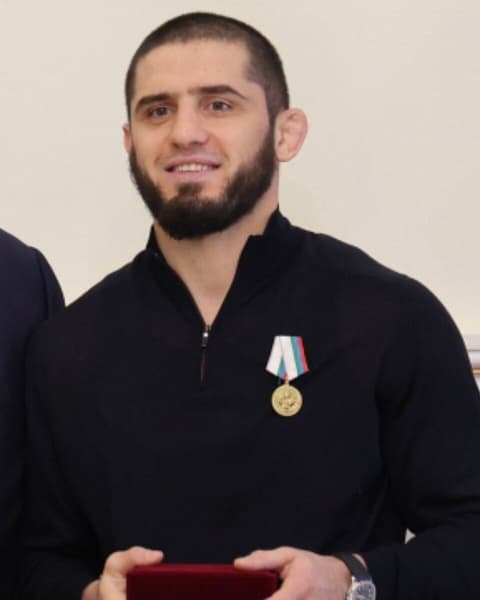
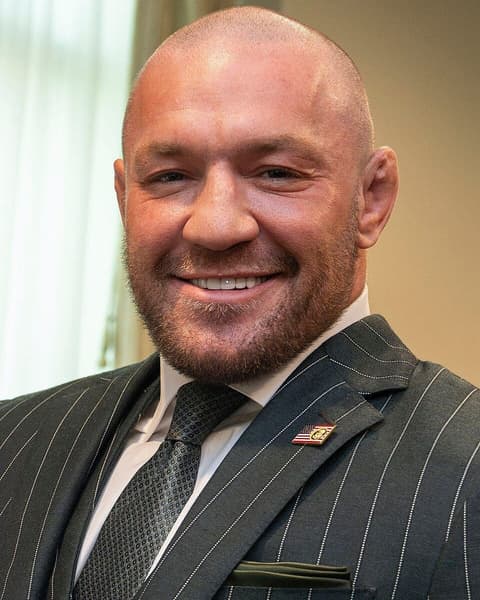


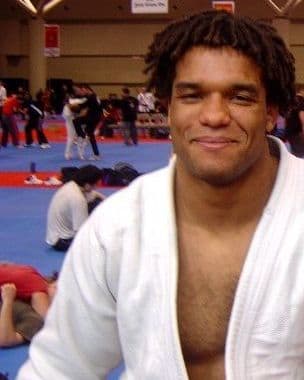
A short history of MMA
Contests that mix striking and grappling are ancient. Pankration, a blend of boxing and wrestling, entered the Olympic Games of Greece in 648 BC. In the 20th century, Brazil's vale tudo bouts and the Gracie family's open challenges pitted one style against another, and a 1976 exhibition in Tokyo between boxer Muhammad Ali and wrestler Antonio Inoki, which ended in a 15-round draw, later inspired Japanese promotions such as Shooto, Pancrase and PRIDE.
The modern sport dates to November 12, 1993, when the first Ultimate Fighting Championship was staged in Denver with minimal rules and no weight classes. Royce Gracie won the eight-man tournament by submitting all three of his opponents. The early events also drew fierce criticism: U.S. Senator John McCain called the sport "human cockfighting", and 36 states passed laws against no-holds-barred fighting. The UFC responded with reforms, adding weight classes at UFC 12 in 1997 and making gloves mandatory at UFC 14.
Regulation followed. In January 2001 Frank and Lorenzo Fertitta bought the UFC for $2 million, and that April the New Jersey State Athletic Control Board brokered what became the Unified Rules of Mixed Martial Arts. The reality series The Ultimate Fighter (2005) brought in new fans, the UFC's owners bought Japan's PRIDE in 2007, and Ronda Rousey and Liz Carmouche fought the first women's bout in UFC history in 2013. In Canada, Ontario legalized the sport in 2010, UFC 129 drew 55,724 fans to Toronto's Rogers Centre in 2011, and Parliament decriminalized MMA in 2013.
Today the Unified Rules are the standard across North America, adopted by the state and provincial commissions that regulate the sport. The International Mixed Martial Arts Federation, set up in 2012, organizes amateur world championships, and MMA was added as a medal sport for the 2026 Asian Games. It is not part of the Olympic program.
- Fights end by knockout, technical knockout, submission, judges' decision or disqualification.
- Rounds last five minutes with a minute's rest; non-title bouts are three rounds, and title fights can be five.
- Three judges score each round on the 10-point must system: 10 points to the winner, nine or fewer to the loser.
- Fighters wear 4–6 oz open-fingered gloves, a mouthguard and a groin guard; shoes and gis are not allowed.
- Fouls include headbutts, eye gouging, groin strikes, strikes to the spine or back of the head, and small-joint manipulation.
- Kicks and knees to the head of a grounded opponent are illegal under the Unified Rules.
Milestones
- 1976Muhammad Ali and wrestler Antonio Inoki fight to a 15-round draw at Tokyo's Nippon Budokan
- 1993UFC 1 held in Denver; Royce Gracie wins the tournament by submitting Gerard Gordeau
- 1997UFC 12 becomes the first UFC event with weight classes, splitting heavyweights and lightweights
- 2001New Jersey regulators agree on a uniform rule set, later called the Unified Rules of MMA
- 2005The Ultimate Fighter reality series debuts on Spike TV, bringing the UFC to cable audiences
- 2011UFC 129 draws 55,724 fans to Toronto's Rogers Centre; Georges St-Pierre retains his title
- 2012The International Mixed Martial Arts Federation is founded to organize amateur MMA worldwide
- 2013Ronda Rousey beats Liz Carmouche at UFC 157, the first women's fight in UFC history
- 2013Canada decriminalizes MMA through Bill S-209, letting provinces sanction professional bouts
Techniques to steal
The jab is a fast, straight punch with your lead hand. It starts closest to the target and needs the least…
RangeThe cross is the straight punch with your rear hand: the right for an orthodox fighter, the left for a southpaw. The…
RangeThe hook is a bent-arm punch that travels on a short horizontal arc into the side of the jaw or the body. Its power…
RangeThe uppercut is a close-range punch that rises vertically from below the opponent's line of sight into the chin or…
RangeThe overhand is a looping rear-hand punch that arcs over the opponent's lead hand or jab and drops onto the head from…
RangeThe body hook is a hook driven into the side of the ribcage. The classic version is the lead hook to the liver, which…
RangeA combination is a planned chain of punches in which each one sets up the next: the jab blinds and measures, the…
RangeThe spinning backfist turns the body a full circle and lands the back of the fist on the side of the head. The spin…
RangeThe teep is a straight push kick with the ball of the foot to the belly, hips or thigh. Thai boxers call it the foot…
RangeThe roundhouse kick swings the leg in an arc into the opponent's side, powered by turning the standing foot and the…
RangeThe low kick is a roundhouse kick with the shin to the opponent's thigh or calf. It is hard to see, costs little…
RangeThe head kick is a roundhouse kick aimed at the neck or jaw, usually with the rear leg. It needs hip flexibility and…
Questions people ask
There is no official ranking, but these four are widely cited. Georges St-Pierre won the UFC welterweight title twice, made nine successful defences and avenged both of his career losses. Anderson Silva defended the middleweight belt 10 times between 2006 and 2013. Fedor Emelianenko held the PRIDE heavyweight title from 2003 to 2007 and never lost it, and Khabib Nurmagomedov finished his career unbeaten at 29-0.
Most train several. Wrestling and Brazilian jiu-jitsu decide where a fight takes place and how it ends on the ground, while boxing, Muay Thai and kickboxing supply the striking. Other arts have produced champions too: Fedor Emelianenko and Khabib Nurmagomedov were combat sambo world champions, and Georges St-Pierre trained in Kyokushin karate. The best fighters blend these skills rather than relying on one style.
MMA covers every range a real confrontation can pass through: striking, clinching, takedowns and getting back up from the ground. Regular sparring also builds fitness and composure under pressure. The limits come from the sport itself: one opponent, a referee, a padded surface and no weapons. Good self-defence still starts with awareness and avoiding trouble, and MMA training works best as a complement to that.
No. MMA is not part of the Olympic program. Amateur competition is organized by bodies such as the International Mixed Martial Arts Federation, founded in 2012, and MMA was added as a medal sport for the 2026 Asian Games. Professional MMA in North America is regulated by state and provincial athletic commissions, which apply the Unified Rules of Mixed Martial Arts.
If nobody is knocked out or submitted, three judges score each five-minute round on the 10-point must system: the round's winner gets 10 points and the loser nine or fewer, and the referee can deduct points for fouls. After the last round the scorecards are totalled, which produces a unanimous, split or majority decision, or a draw.
More disciplines
All four phases, live, with the transitions drilled on purpose. Join now and book your first class for $20, paid online. A coach calls you within a day to answer questions.