大外刈Osoto-gari · say “oh-SOH-toh GAH-ree” · “major outer reap”
Sambo: отхват Otkhvat (“the Russian word for this kind of outside reap”)
Also called Major outer reap, Large outer reap, Big outer reap, O-soto-gari
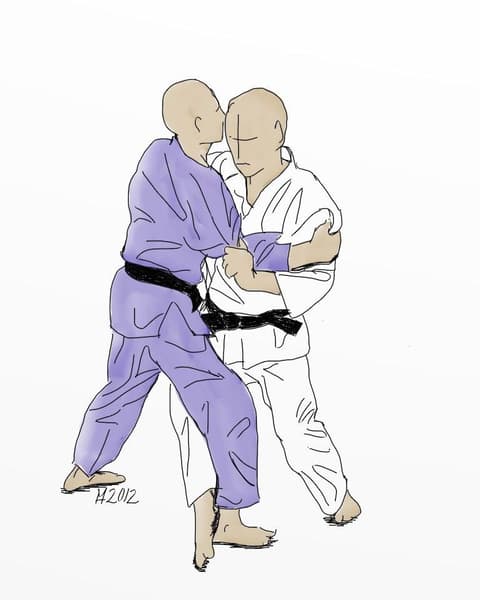
Osoto-gari is the 'major outer reap'. You break your partner's balance back onto one heel, step deep beside that leg and reap it away from behind with your own leg while your upper body drives them backward. It is taught early in judo, and world-class judoka still win Olympic finals with it.
Satori's coaches are filming every technique, full speed and slow motion from two angles. Until it's up, the diagram shows the movement step by step.
Watch it
How to do it
Start: Stand upright in a normal sleeve-and-lapel grip: left hand on your partner's right sleeve, right hand on their left lapel or collar (left-handers mirror everything). Your partner is standing tall or backing away, with their weight drifting onto the heel of their right foot.
- 1Grip: left hand on their right sleeve near the elbow, right hand on their left lapel or collar. Stay tall and keep your elbows soft.
- 2Kuzushi (off-balance): step or turn so your partner steps back, then push up and across their chest with your right hand while your left hand draws their sleeve down. Their weight should roll onto the heel of the right foot, toward their rear-right corner.
- 3Tsukuri (fit-in): step your left foot deep beside their right foot, toes pointing the way theirs point, your left thigh almost touching theirs. Bend the left knee a little and bring your chest close to theirs with your head up.
- 4Kake (finish), part one: swing your right leg forward and up beside their right leg, then whip it back so the back of your thigh meets the back of theirs.
- 5Kake, part two: at the same moment tip your head and chest forward and drive their upper body back and down across your chest, pulling the sleeve down.
- 6Keep reaping through until their leg leaves the mat and they land flat on their back, still holding the sleeve so they can fall safely.
- 7Stay balanced on your bent left leg and follow them down into a hold if the rules allow it.
- Step deep, then reap. No deep step, no throw.
- Chest to chest, head up.
- Reap the leg that carries the weight.
- Hips go forward while the leg goes back, like a see-saw.
- Hold the sleeve all the way down.
- Reaping before their balance is broken, so they step over your leg. Wait until the weight is on the heel and use the sleeve to pull them first.
- Stepping in too far away, so the leg cannot reach. Put your foot beside theirs with your thigh almost touching.
- Leaning back as you reap, which invites osoto-gaeshi. Keep your chest forward and your hips pushing ahead.
- Letting go of the sleeve, so they drop on their head. Keep pulling it down all the way to the mat.
- Looking at the floor. Look past their far shoulder.
Safety: Osoto-gari sends your partner straight backward, so the back of the head is the danger. Only throw someone who can already do a backward break-fall, hold the sleeve through the fall, and use mats. Lab tests that threw a crash-test dummy with osoto-gari and ouchi-gari found the highest head acceleration when the back of the head hit the mat, and an extra under-mat did not cut the rotational acceleration, which is why falling skills come before throwing.
When to use it
- When your partner is backing away from your push or standing tall on their heels.
- When a hard grip fight has left them leaning back with their hands high.
- Right after a forward attack that they block by leaning back, such as a missed seoi-nage or uchi-mata.
- Ouchi-gari first: drive the inside reap until they step back and plant, then reap the leg that has just taken their weight (Teddy Riner's chain).
- Push up on the lapel hand so they push back; their weight moves to their heels.
- Fake a forward throw so they lean back to block it, then step in and reap.
- Cross-grip or one-handed version: keep only a high collar grip and drive their chest back with it, as Christa Deguchi did at the 2023 Worlds.
- Kesa-gatame or yoko-shiho-gatame: follow them down and turn a half-score into a hold (Yasuhiro Yamashita's habit).
- If they step back out of the reap, switch to uchi-mata or harai-goshi (Lukáš Krpálek's osoto chain).
- Osoto-gaeshi: they swing the leg you were attacking back through and reap your supporting leg with it (the Kodokan lists this as the counter).
- Step the targeted leg back and away as your leg swings through, then throw forward.
- Where leg grabs are legal, step back and pick up your reaping leg with one hand to push you over (kuchiki-taoshi, described by the Kodokan).
- Keep your knees bent and your hips low with weight on both feet, so there is no heel to reap.
- Step the targeted leg back as their foot lands, or turn your hips in to face them.
- If you are going over, tuck your chin, slap the mat with your free arm and never post a hand behind you.
The physics
Osoto-gari is a couple of forces applied by trunk and leg. Your chest and hands push your partner's upper body backward while your reaping leg drives their supporting leg forward, and the two opposite forces spin them backward around their own centre of mass.
The height between your chest contact and your leg contact is the arm of the couple: the bigger it is, the less force each side needs. The reap works like a whip, not a club: straightening the pivot leg turns your whole body, tipping your head and trunk forward speeds the leg, and pointing the ankle at contact adds the final burst, with black belts reaching about 4 m/s at contact. Black belts also put more turning speed into the partner's trunk than novices do, because the upper-body push is half the couple. The partner falls straight back with a lot of rotation, so the head is at risk: a dummy that could not breakfall hit its head with extreme rotational acceleration, while a skilled faller kept it far lower.
- Myth: osoto-gari is just a leg reap. Black belts differ from novices mainly in faster trunk rotation and stronger upper-body contact; the push on the upper body is half of the couple (Imamura & Johnson 2003; Liu et al. 2024).
- Myth: a softer mat makes a bad fall safe. In dummy tests an extra under-mat did not reduce the head's rotational acceleration after osoto-gari or ouchi-gari; a breakfall that keeps the head off the mat is what works (Murayama et al. 2014, 2020).
Switch on Physics and the throw on the diagram is worked out by a physics engine: two 75 kg bodies with human-strength muscles, grips that can slip and a tatami that gives. Next to each number is what was measured in the lab.
| Engine | Lab | Study | ||
|---|---|---|---|---|
| reaping leg's speed (ankle, at its fastest backwards) | 3.3m/s | 4.16 m/s | −21% | Liu et al., PeerJ 2025 ± 0.97 m/s across 17 black belts |
| partner's head acceleration on landing, with a breakfall | 6g | 10.3 g | −43% | Murayama et al., Neurol Med Chir (Tokyo) 2020 |
| partner's head rotational acceleration, with a breakfall | 323rad/s² | 679 rad/s² | −52% | Murayama et al., Neurol Med Chir (Tokyo) 2020 |
Masters and famous moments
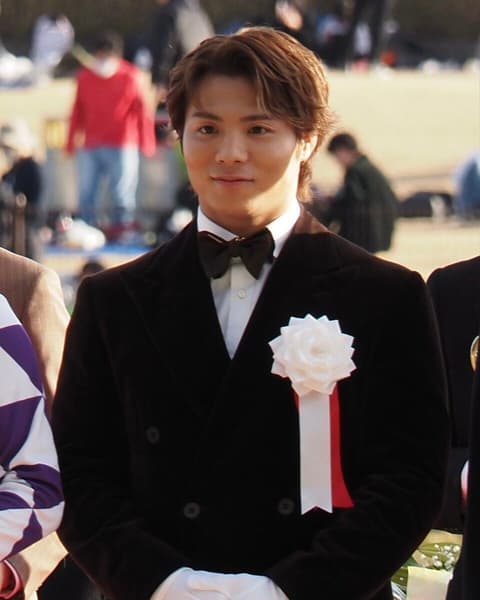
Abe scored a waza-ari with osoto-gari early in the final and held on for gold, on the same day his sister Uta won hers. Olympedia says he beat three of his four opponents that day with the same throw.
The Soviet Union's Novikov threw West Germany's Neureuther with osoto-gari for ippon just over a minute into the final to win Olympic gold.
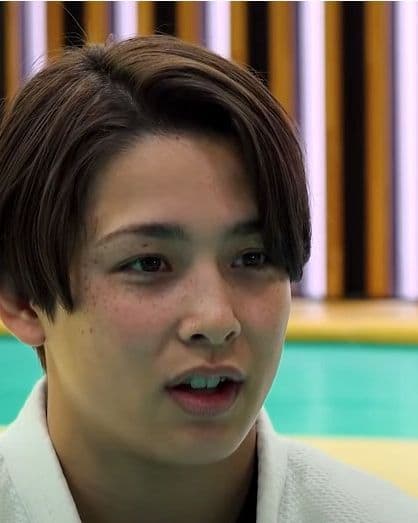
Two shidos down and with three seconds left, Deguchi fired in a quick one-sided osoto-gari for ippon. She went on to win her second world title that day.
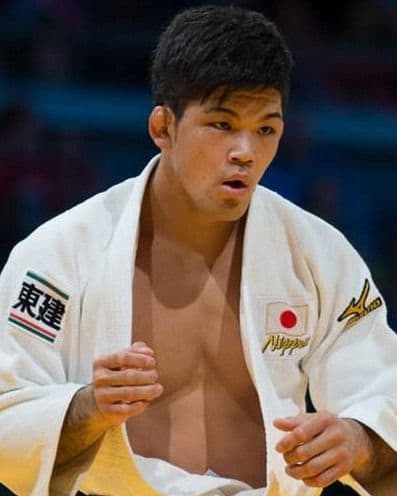
Ono beat Belgium's Van Tichelt with osoto-gari for ippon to reach the final, which he also won. He later wrote his master's dissertation on the throw.
Across the arts
You drop the sleeve and throw 'off the grip' with only a high collar or lapel hand driving the chest back. The IJF describes this version in Christa Deguchi's 2023 world-title run.
Both hands on the sleeves, reaping from long range. The IJF called it Hifumi Abe's 'homemade' version at Tokyo 2020.
Related throws from the same entry. Otoshi slides your leg down the back of their thigh to drop them straight down; guruma puts your leg behind both their legs to turn them around it; makikomi wraps them around you as you fall with them.
Russian-language judo and sambo texts call this reap an otkhvat. Sport sambo scores it like any other throw by how your partner lands and whether you stay on your feet.
In Brazilian jiu-jitsu it scores as a takedown: two points under IBJJF rules when you land on top and hold the position for three seconds.
History
Osoto-gari is one of the forty throws of the Gokyo no waza, the teaching list the Kodokan revised in 1920, and it sits in the first group. Masahiko Kimura is said to have practised it on a tree, and many partners reportedly asked him not to use it on them. Shohei Ono wrote his master's dissertation on it, and the IJF noted in 2019 that he had finished it. The IJF's current rules still name it among the throws that stay legal even when the thrower's leg wraps the partner's leg.
In the rules
Drills
Stand beside a wall for balance. Step your supporting foot forward, swing the reaping leg up and back, tip your chest forward and freeze on one leg for two seconds. Ten slow reps each side.
With a partner standing still, do twenty fit-ins: grip, off-balance, step in and touch the back of their thigh with your reaping leg, then reset. No throwing.
Your partner walks backward slowly. Time the reap for when their weight lands on the heel. After ten light reps, throw five times onto crash mats with a partner who can fall.
Legends known for it




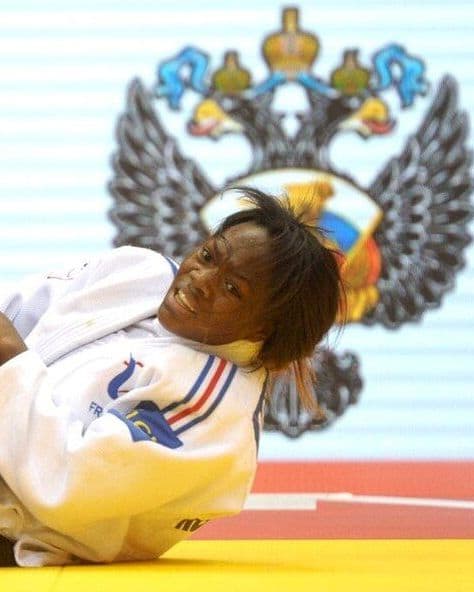


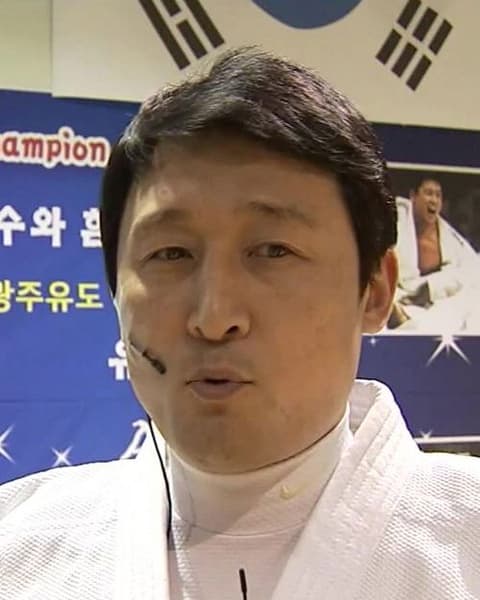

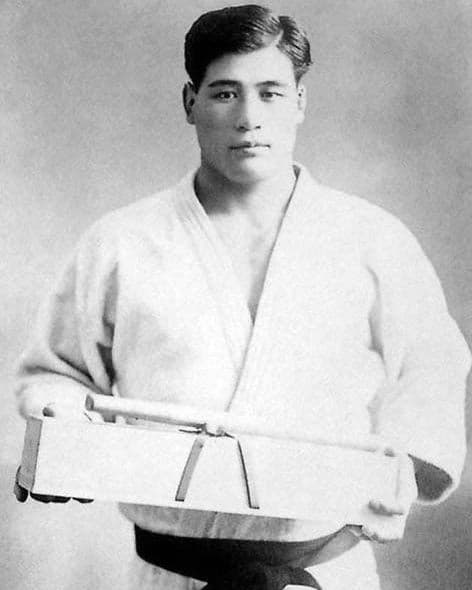

We teach it in Throws. A coach will fix the details you can't see yourself. Join now and book your first class for $20, paid online.
Related techniques
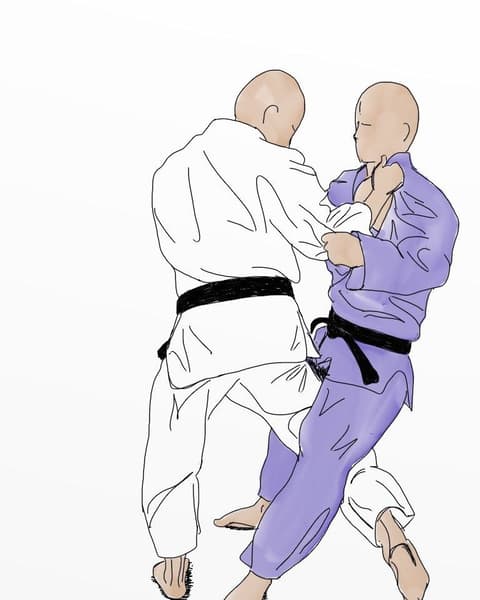
Ouchi-gari is the 'major inner reap'. You step in chest to chest, hook your leg around the inside of one of your partner's legs and sweep it out…

Kouchi-gari is the 'minor inner reap'. You catch your partner's heel from the inside with the sole of your foot and flick it forward just as their…
 1996–2014
Kosoto-gari is the 'minor outer reap'. You drive your partner's weight back onto one heel, then sweep that heel away with the sole of your foot…
Kosoto-gake is the 'minor outer hook'. You drive your partner's weight back onto one leg, hook that ankle or calf from the outside with your own…

Uchi-mata is judo's inner thigh throw. You open your partner's feet, break their balance forward, turn in and swing your leg up between theirs,…

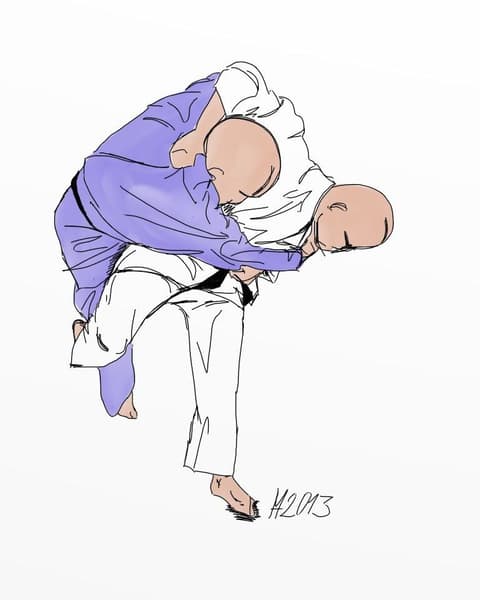
Harai-goshi is judo's sweeping hip throw. You pull your partner onto their toes, turn in with your hip against theirs and sweep your straight leg…