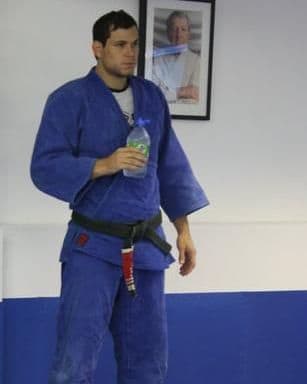
Also called Full guard, Guard
Closed guard is the bottom position with your legs wrapped around the opponent's waist and your ankles crossed. It controls their posture and distance, stops them from passing and gives you sweeps and submissions such as the armbar, triangle and cross collar choke. In MMA it is the classic place to survive and attack from your back.
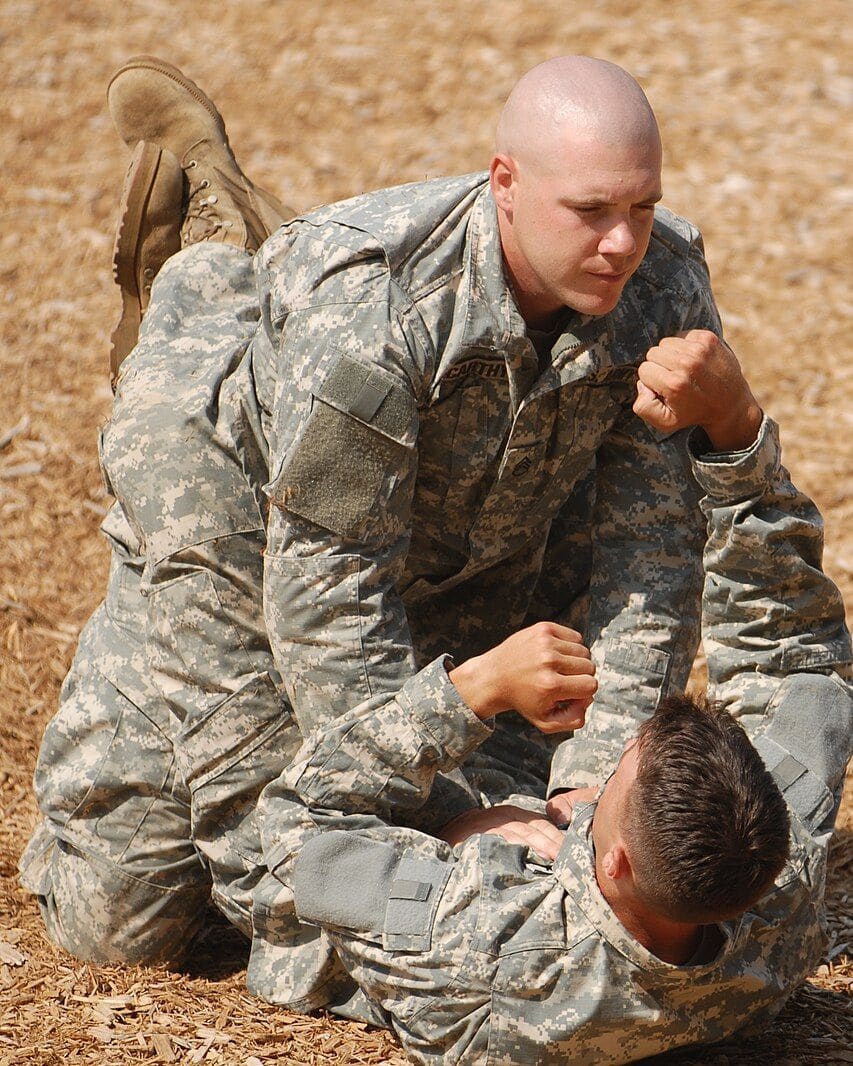
Satori's coaches are filming every technique, full speed and slow motion from two angles. Until it's up, the diagram shows the movement step by step.
How to do it
- 1Lock your ankles behind the opponent's back and squeeze their ribs with your knees.
- 2Break their posture by pulling with your knees and gripping the collar or the back of the head.
- 3Control one sleeve or wrist so they cannot post or punch freely.
- 4Move your hips to the side to create angles for sweeps and submissions.
- 5If they stand or break the lock, switch to an open guard rather than holding on.
- Lying flat and just holding on, which lets them posture up and strike or pass.
- Leaving both of their hands free to pin your hips.
- Opening the legs without a plan, which gives up the position.
Safety: Keep the leg squeeze controlled and let go immediately when your partner taps.
Drills
Positional rounds: your partner starts in your closed guard and tries to posture up and open it; you break their posture and attack for 90 seconds, then switch.
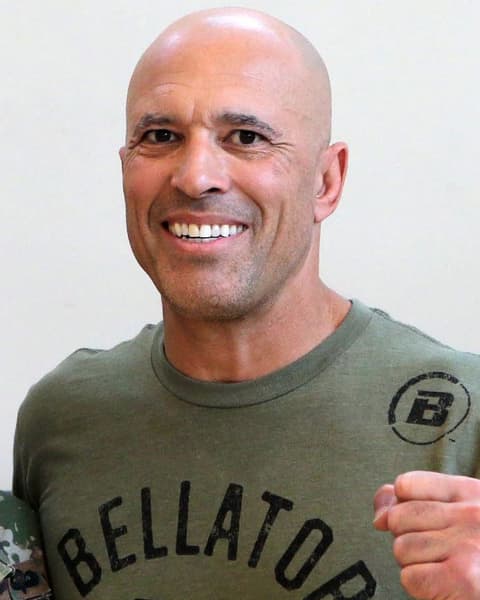
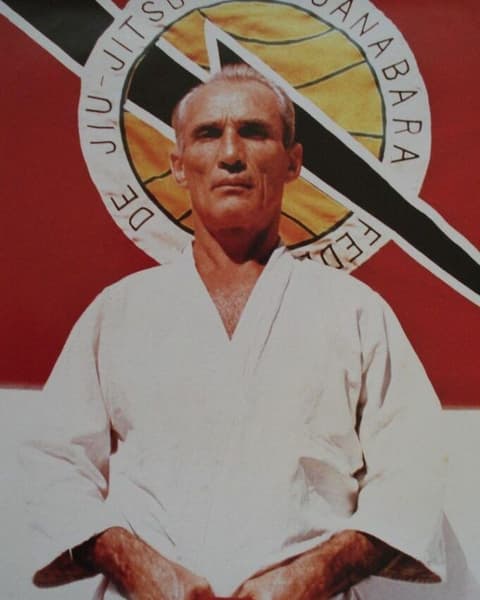
Legends known for it

We teach it in Wrestling & Grappling. A coach will fix the details you can't see yourself. Join now and book your first class for $20, paid online.
Related techniques
Open guard is any guard where your legs control the opponent without being locked around them: feet on the hips or biceps, hooks inside the thighs,…
A guard pass gets you past the opponent's legs from the top into side control or mount. Most passes share the same ideas: control the hips or legs,…
Back control means being behind the opponent with your chest on their back, usually with a seatbelt grip across their chest and your heels hooked…