小外刈Kosoto-gari · say “koh-SOH-toh GAH-ree” · “minor outer reap”
Sambo: подсечка под пятку снаружи Podsechka pod pyatku snaruzhi (“outside sweep under the heel”)
Also called Minor outer reap, Small outer reap, Ko-soto-gari
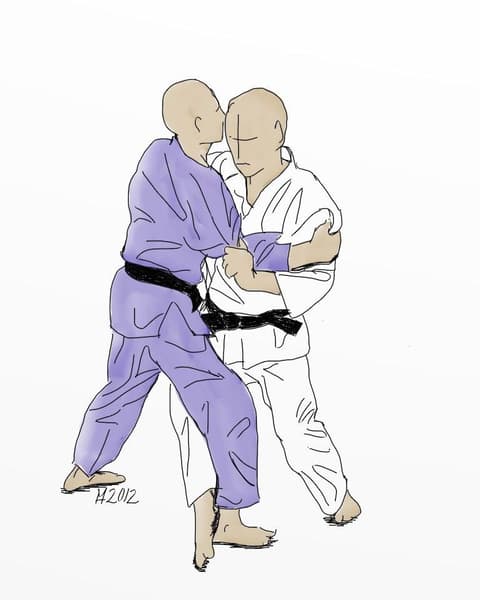
Kosoto-gari is the 'minor outer reap'. You drive your partner's weight back onto one heel, then sweep that heel away with the sole of your foot from the outside while your chest pushes them backward. It is quick and low, so it works as a finishing throw and as a counter.
Satori's coaches are filming every technique, full speed and slow motion from two angles. Until it's up, the diagram shows the movement step by step.
How to do it
Start: Stand tall in a sleeve-and-lapel grip. Your partner is walking or has just planted a foot, with their weight rolling onto the heel of the leg you will sweep. In the Kodokan's description you sweep their right foot with your left foot (left-handers mirror everything).
- 1Grip: sleeve in one hand, lapel or collar in the other. Stay tall with soft elbows and a little space between your chests.
- 2Kuzushi (off-balance): step back or circle so your partner steps toward you, or push up with the lapel hand so they step back. Take their weight to the rear corner on the side of the heel you will sweep, so it loads onto that heel.
- 3Tsukuri (fit-in): step your near foot up beside their other foot so your chest is close to theirs. Put your weight on that supporting leg with a soft knee, hips forward and head up.
- 4Kake (finish), part one: bring the sole of your other foot around the outside of their loaded heel, low, at ankle height.
- 5Kake, part two: sweep the heel across and forward, toward their other foot, in a short quick arc as the weight lands. Reap the heel away; do not hook the leg up, because that is kosoto-gake.
- 6At the same moment push their chest back and down with the lapel hand until their head finishes behind their heels.
- 7Keep hold of the sleeve through the fall, then follow them down on top.
- Load the heel first, then sweep it.
- Sole to heel, low and short.
- Chest pushes while the foot sweeps.
- Sweep, don't hook.
- Head up, eyes on their chest.
- Sweeping a foot that carries no weight yet. Kosoto-gari takes a planted foot, while de-ashi-barai takes a foot that has not landed. Wait for the weight.
- Kicking with the toe or shin. Use the sole of your foot against the back of the heel.
- Reaching with the leg while your body stays back. Step in close and push with the chest.
- Leaning back as you sweep. Keep your chest over your supporting foot.
- Lifting the leg like a hook. If it rises, it becomes kosoto-gake; keep the sweep low and forward.
Safety: Kosoto-gari drops your partner straight back onto the mat, so they need a solid backward break-fall before you throw them for real. Keep hold of the sleeve through the fall. Sweep with the sole against the heel, never with force across a foot that is fixed to the mat, which can twist an ankle or knee. Practise on mats only.
When to use it
- When your partner steps back and plants a heel, for example after they resist your push.
- As a fast finish after a bigger attack has made them shift their weight.
- As a counter when they attack forward and leave a heel loaded, as Thierry Rey did to win the 1980 Olympic final.
- Osoto-otoshi into kosoto-gari: the IJF reported Korea's Kim Minjong scoring ippon with this combination at the 2024 Worlds.
- Nidan-kosoto-gari, a two-stage attack: a first sweep forces a reaction and the second catches the heel that loads. Nils Stump scored waza-ari with it in a 2023 Worlds semi-final.
- Pull and step back so they chase with a forward step, then sweep the loaded heel.
- Push up on the lapel so they push back and plant, then sweep the heel that has taken the weight.
- A hold-down as they land. After his kosoto-gari waza-ari, Stump went straight to kuzure-kami-shiho-gatame for the win, per the IJF.
- Ouchi-gari or osoto-gari on the same leg if they step out of the sweep.
- Seoi-nage or another forward throw if they push back hard against the sweep.
- Tsubame-gaeshi: they fend off the sweep and counter-sweep with the same foot (the Kodokan lists this counter to foot sweeps).
- Lift or slide the targeted foot back as your sole arrives, so the sweep misses, then step in and throw forward.
- Step in and press your chest into theirs so there is no room for your foot to get behind the heel.
- Keep your knees soft and your weight on the balls of both feet so there is no loaded heel to sweep.
- Lift the attacked foot as their foot comes in, then counter with tsubame-gaeshi or a forward throw.
- Keep your hips forward and your chest up. If you do go over, tuck your chin and slap the mat.
The physics
Kosoto-gari is a couple of forces applied by arm and leg. The sole of your foot reaps the back of your partner's heel from the outside, toward where their toes point, while your hands push their upper body backward on the diagonal.
It works when that foot carries little weight, as it steps or just before it takes their weight, because friction under a foot grows with the load on it. With the heel moving forward and the chest moving back, the opposite forces turn them backward around their centre of mass. Sacripanti groups kosoto-gari with couples applied sideways, in the frontal plane, and notes that the body resists unbalancing in that direction poorly.
Masters and famous moments
Rey, the reigning world champion, answered Cuba's attack-minded Rodríguez with a kosoto-gari counter for a koka, and that score decided the Olympic final.
Arai, a two-time world champion, scored early in the final with a kosoto-gari for waza-ari and held on for Olympic gold in front of her home crowd.
The IJF reports Stump threw the Uzbek with nidan-kosoto-gari for waza-ari and moved straight into kuzure-kami-shiho-gatame for the win. He went on to win the world title.
Kim combined osoto-otoshi with kosoto-gari to score ippon in under two minutes, the IJF said, on his way to his first world title.
Across the arts
A two-stage version in which a first attack sets up a second kosoto-gari. The IJF described Nils Stump's version at the 2023 Worlds.
You wait for your partner to attack, then sweep the heel they have just loaded. Thierry Rey used it this way to win the 1980 Olympic final.
The All-Japan Championships allow leg grabs once you have a grip. In 2025 eJudo described Masuyama Kosuke combining a leg grab with a small outer reap in a quarter-final. IJF events do not allow it.
Wrestlers trip the same heel from a collar tie. Leg trips are legal in freestyle but illegal in Greco-Roman wrestling.
Russian-language sources call this an outside sweep under the heel. The Hall of Fame lists heel trips as a signature of sambo champion Irina Rodina.
In Brazilian jiu-jitsu it scores 2 points when you land on top and hold for three seconds (IBJJF). In MMA nothing in the ABC foul list bans a foot sweep, and judges count takedowns as effective grappling.
History
Kosoto-gari is one of the original Gokyo throws. The Kodokan's 1895 list put it in the second group, and the 1920 revision kept it there beside kouchi-gari and okuri-ashi-barai. The Kodokan defines it as reaping the foot from the outside while breaking balance backward. Olympedia records it as the counter that won the 1980 Moscow final for France's Thierry Rey, and Japan's Chizuru Arai won the Tokyo 2020 women's 70 kg final with it on home mats. Danzan-ryu jujutsu has a variant it calls Soto Gama.
In the rules
Drills
Hold a wall for balance. With the free foot, sweep an imaginary heel in a short low arc, then reset. Twenty reps each side.
Your partner walks forward and back in a sleeve-and-lapel grip. Touch the sole of your foot to the back of their heel just as it lands, with no sweep. Ten minutes, both sides.
Sweep the heel with control, then follow your partner down into a hold on crash mats. Five throws each side with a partner who can fall.
Legends known for it
 2005–2019
We teach it in Throws. A coach will fix the details you can't see yourself. Join now and book your first class for $20, paid online.
Related techniques
Kouchi-gari is the 'minor inner reap'. You catch your partner's heel from the inside with the sole of your foot and flick it forward just as their…
 1996–2014
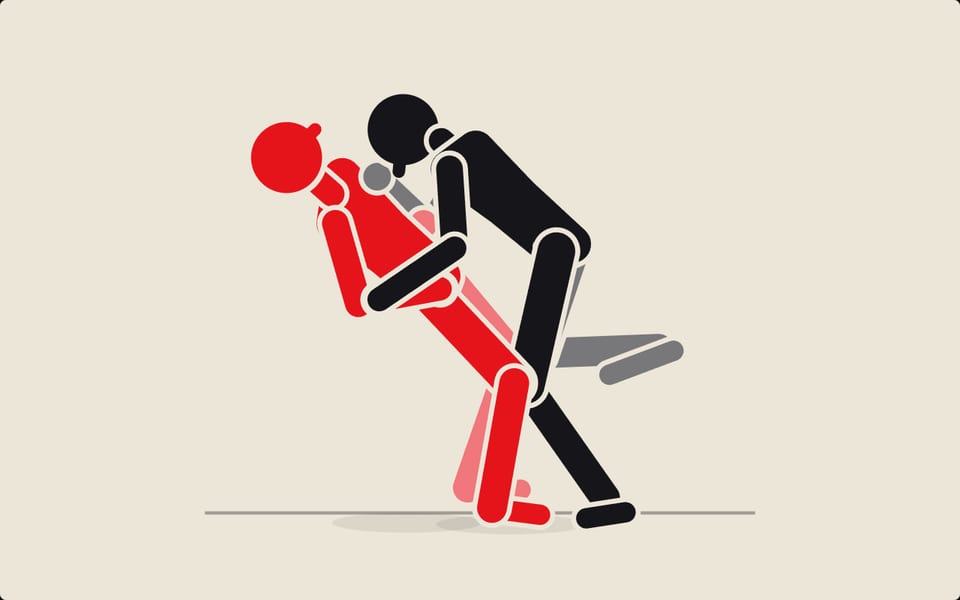
Osoto-gari is the 'major outer reap'. You break your partner's balance back onto one heel, step deep beside that leg and reap it away from behind…


Kosoto-gake is the 'minor outer hook'. You drive your partner's weight back onto one leg, hook that ankle or calf from the outside with your own…

De-ashi-barai is the 'advancing foot sweep'. You wait for your partner to take a step, then sweep that foot along its path at the instant their…
Okuri-ashi-barai is the 'sliding foot sweep'. You herd your partner sideways until their feet come together, then sweep both feet in the direction…

Kuzushi is breaking your partner's balance so they cannot resist your throw. In judo it is the first of three parts of every throw: kuzushi (break…