崩しKuzushi · say “koo-ZOO-shee” · “balance-breaking; from kuzusu, to level or pull down”
Judo: 八方の崩し Happo-no-kuzushi (“eight directions of off-balancing”) · Judo: 作り Tsukuri (“positioning or set-up: fitting your body in for the throw”) · Judo: 掛け Kake (“application or execution: the throw itself”)
Also called Off-balancing, Balance breaking, Unbalancing
Kuzushi is breaking your partner's balance so they cannot resist your throw. In judo it is the first of three parts of every throw: kuzushi (break the balance), tsukuri (fit your body in) and kake (finish the throw). Kano taught eight directions of off-balance, the happo-no-kuzushi. A throw without kuzushi is a contest of strength; with it the same throw takes far less effort.
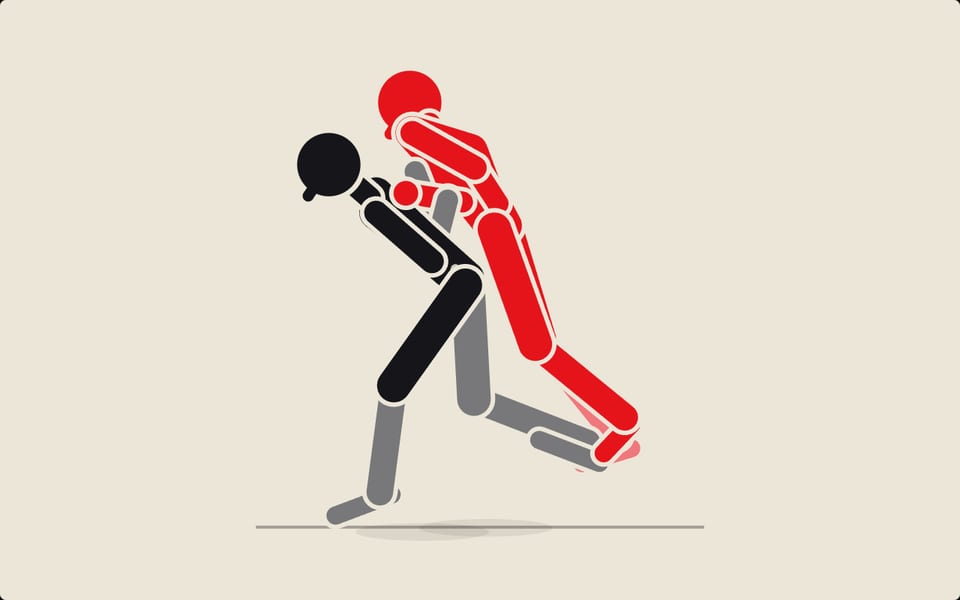
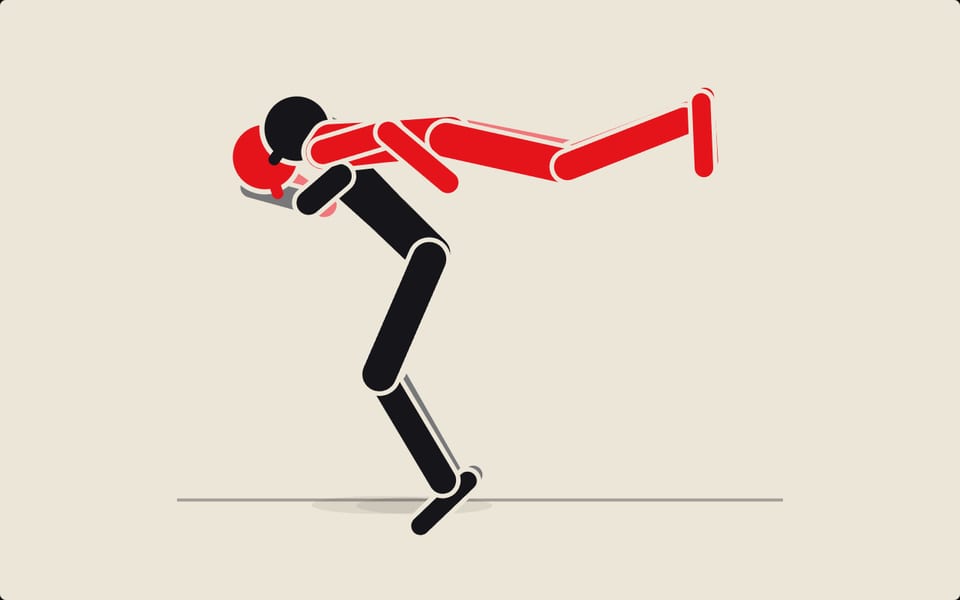
Satori's coaches are filming every technique, full speed and slow motion from two angles. Until it's up, the diagram shows the movement step by step.
How to do it
Start: Stand in a natural posture with a sleeve and lapel grip on a partner who is standing normally, your knees soft and your feet about shoulder-width apart. At first your partner lets you feel the movement; later they resist and move.
- 1Take a sleeve-and-lapel grip and stand tall with soft knees, facing a partner who is standing normally.
- 2Feel through your grips where their weight is: on the heels, on the toes, or on one foot.
- 3Move your own body first, with a step or a turn, so the pull is backed by your whole body and not just your arms.
- 4Pull or push toward one of the eight directions: front, back, left, right, or one of the four corners, with the sleeve hand and the lapel hand working together.
- 5Break the balance for an instant, in time with their step or with their reaction to a feint.
- 6Step in (tsukuri) in that instant, fitting your body to the throw while they are still off balance.
- 7Finish the throw (kake) in the same flow: kuzushi, tsukuri and kake are one movement, not three.
- 8Reset and repeat, changing the direction.
- Move your feet first, then pull.
- Pull with your whole body, not your arms.
- Kuzushi, tsukuri, kake in one breath.
- Use their reaction: push to make them pull, pull to make them push.
- Keep your own balance while you take theirs.
- Pulling with the arms alone. Fix: move your feet and hips first; the arms follow the body.
- Breaking the balance and then waiting. Fix: step in at once, because balance comes back in a moment.
- Pulling straight back against a braced partner. Fix: pull toward a corner, or use a feint to make them move first.
- Leaning and losing your own balance. Fix: keep your head over your hips while you pull.
- Jerking. Fix: make the pull smooth and timed to their step.
Safety: Break balance smoothly, not with a jerk. A partner who has not been warned can fall awkwardly when pulled off their feet suddenly. Practise on mats, agree the drill first, and make sure your partner knows how to fall (ukemi) before you take them far off balance. Never use a neck, head or shoulder pull to force a partner over.
When to use it
- Before every standing technique: a throw needs kuzushi first.
- In grip fighting, to make a partner step and open a gap.
- When a partner attacks: their own movement gives you kuzushi for a counter.
- On the ground, to move a partner out of their base before a pass or a sweep.
- Indirect: change your position with a step or a turn so they have to move.
- Direct: pull or push along one of the eight directions with your hands and body.
- By reaction: feint or attack one way so they push back or shift, then throw the other way (a combination).
- By their own action: counter throws, where their attack breaks their balance for you.
- O-soto-gari or ko-uchi-gari after a break to the back or back corner.
- Uchi-mata or a hip throw after a break to the front or front corner.
- De-ashi-barai or okuri-ashi-barai after a break to the side, timed to their step.
- Bend your knees and keep your feet wide and under you so the pull cannot move your weight.
- Step with the pull to stay under your own balance, or step behind it and counter.
- Fight the grip early so they never get the two hands needed to pull.
- Keep your head over your hips and your hips between your feet.
- Move your feet with every pull instead of leaning into it.
- Break their grip before they can set up a pull.
The physics
Kuzushi is applied balance physics. A standing person is stable while the vertical line through their centre of mass falls inside their base of support, the area under and between the feet.
Kuzushi moves that line to the edge of the base, or loads all the weight onto one foot, so your partner must step, freeze or fall, and the weakest directions are across the line joining the feet, where the base is narrowest. It rarely comes from one big pull: moving the partner so they react, or pulling as they push, uses their own momentum, and one lab study found that partners resisted during kuzushi, which briefly froze them and gave the thrower time to fit in. Sacripanti adds a distinction: lever throws need kuzushi to load the fulcrum, while couple throws can spin a partner about their own centre of mass even without a separate kuzushi. On a judo ergometer, elite players did far more work with the pulling arm than sub-elite players, even though their peak force was not significantly higher.
- Myth: kuzushi means pulling as hard as you can. Elite judoka did more work with the pulling arm than sub-elite players without a significantly higher peak force, and good kuzushi uses the partner's own reactions and momentum (Helm et al. 2018; Imamura et al. 2006).
- Myth: every throw needs a big kuzushi first. Sacripanti argues that lever throws do, but couple throws such as ouchi-gari and okuri-ashi-barai can rotate a partner who is only slightly unstable (Sacripanti 2010).
Masters and famous moments
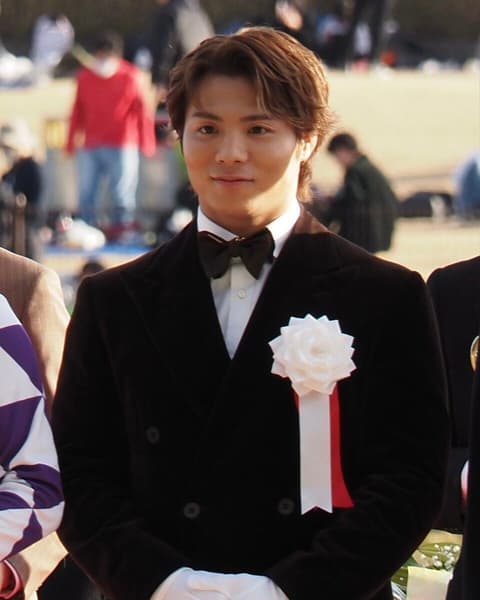
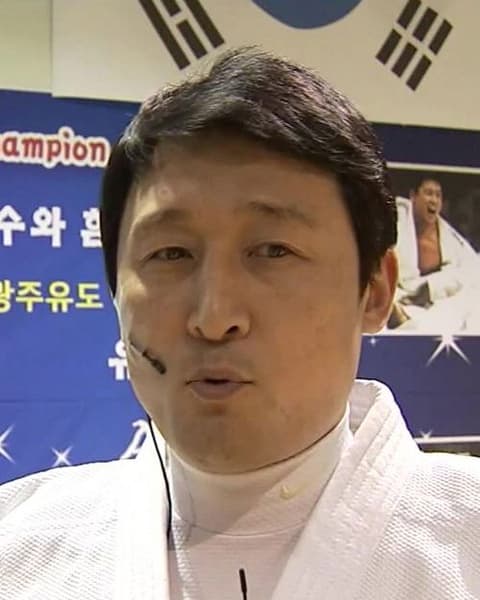
About a minute in, Nakatani pulled Hänni off his feet with de-ashi-barai, the foot sweep the Kodokan teaches for the instant a partner is about to put their weight on a stepping foot. The referee ignored it at first; after the judges stopped the contest to talk it over, he awarded a second waza-ari for it and Nakatani won.
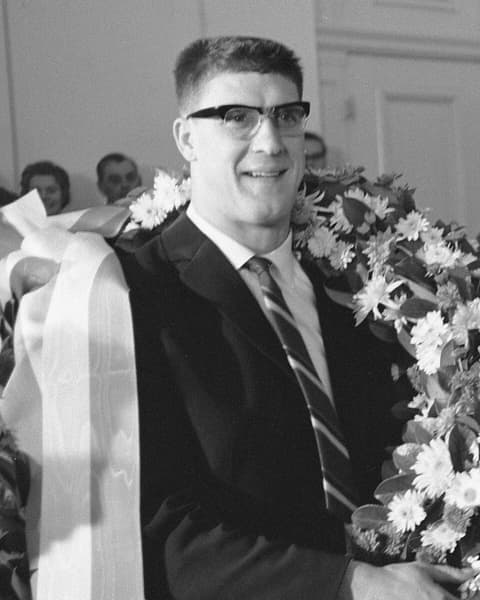
Kaminaga went for tai-otoshi. Geesink countered with uranage and threw him to the mat. This is kuzushi from your partner's own action: their attack puts their weight where you need it.
Across the arts
Front, back, right side, left side, and the four corners: front right, front left, back right and back left. Kano built it from the six directions of older jujutsu by adding the direct left and right.
The Kodokan teacher Kazuzo Kudo divided the front corners into three and the back corners into two to describe fourteen directions of off-balance.
Neil Adams calls the sleeve hand the control hand and the lapel hand the direction hand. He describes a horizontal and a vertical balance line: your partner is strong while they stand on them, and kuzushi displaces them around the lines.
Hando-no-kuzushi uses your partner's reaction to your first move, and kaeshi-waza use the energy of their own attack. Both let a small pull break a large balance.
History
The Kodokan teaches three steps for every throw: kuzushi, tsukuri and kake. Jigoro Kano built his approach on older jujutsu: the throwing methods of judo were inspired mainly by Kito-ryu, and in the classical Tenjin Shin'yo-ryu he found roppo-no-kuzushi, six directions of off-balance. He added the direct left and right to make the eight directions of happo-no-kuzushi. The IJF's own teaching notes point out that happo-no-kuzushi does not appear in the Kodokan's Japanese-English dictionary of judo. Later teachers added their own versions, such as Kazuzo Kudo's fourteen directions and Neil Adams's balance lines.
In the rules
Drills
Tie a judo belt around a post at chest height and grip it like a sleeve. Step and turn into each of the eight directions, keeping your head over your hips and feeling the pull come from your legs and body. Five reps in each direction.
Your partner stands relaxed and steps only when they lose balance. Take them out of balance one direction at a time, slowly, and stop the moment they step. After all eight, switch roles.
Take a grip, break the balance in the direction of your chosen throw, fit your body in for a second and stop without throwing. Twenty reps, checking that your partner is actually off balance each time.
We teach it in Throws. A coach will fix the details you can't see yourself. Join now and book your first class for $20, paid online.
Related techniques
Kumikata is the way you take hold of your partner's jacket. In judo most attacks start here: the grip helps you control your partner and, under the…
Ukemi is the art of falling safely. Judo teaches four breakfalls (rear, side, forward and the forward roll) that spread the impact over your arm,…
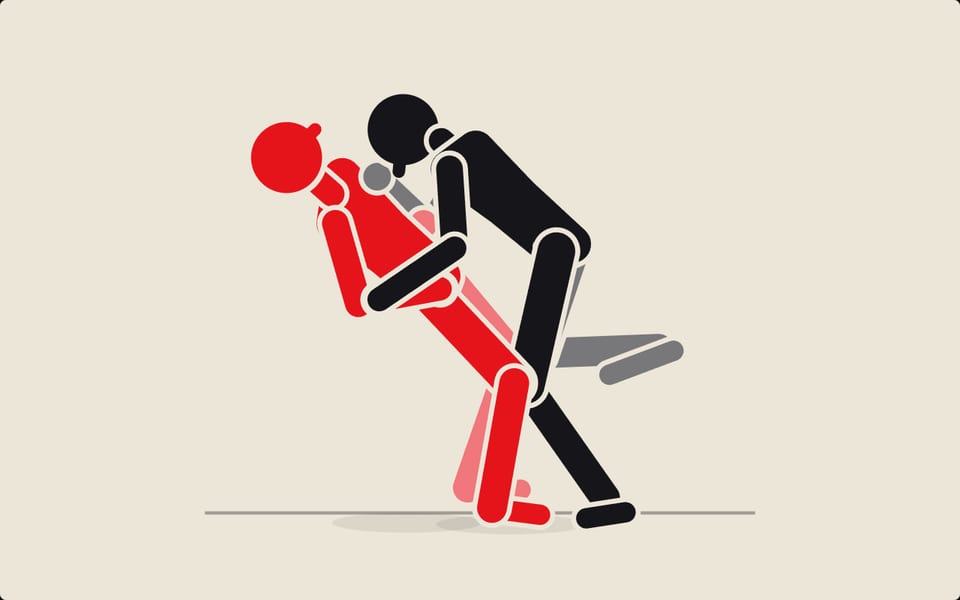
Osoto-gari is the 'major outer reap'. You break your partner's balance back onto one heel, step deep beside that leg and reap it away from behind…


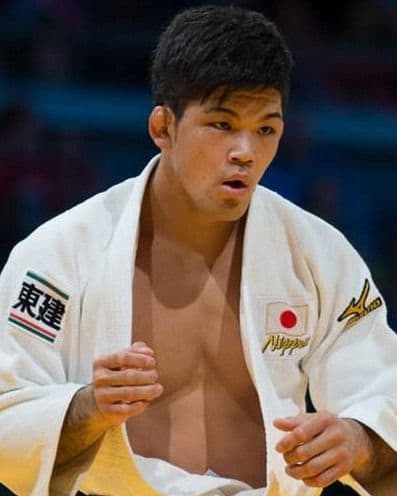
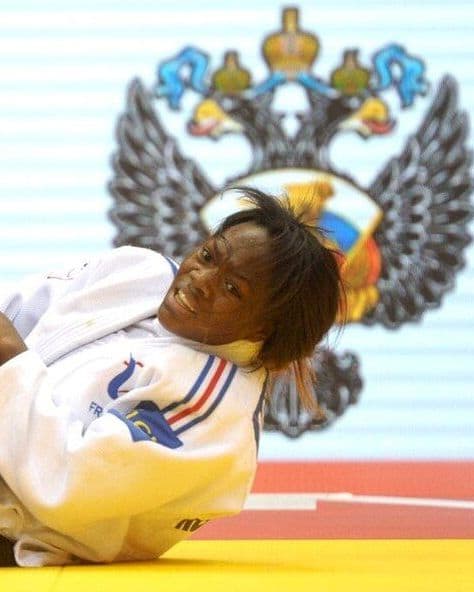
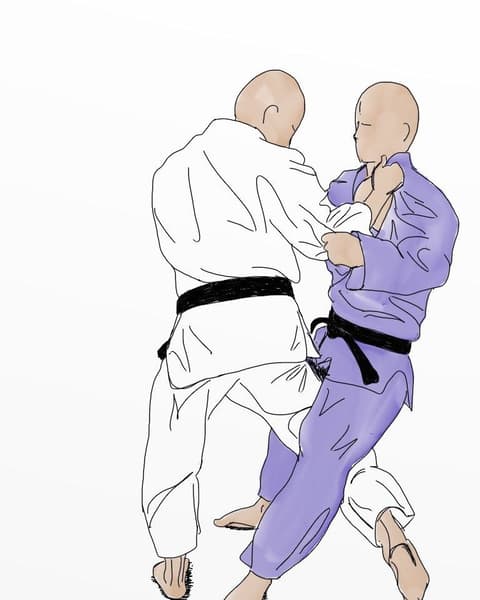
Ouchi-gari is the 'major inner reap'. You step in chest to chest, hook your leg around the inside of one of your partner's legs and sweep it out…

Uchi-mata is judo's inner thigh throw. You open your partner's feet, break their balance forward, turn in and swing your leg up between theirs,…

Seoi-nage is judo's shoulder throw. You turn your back into your partner, tuck an arm under theirs, load them onto your back and tip them forward…

 1985–2000