Also called Combination punching, Combos, Punch numbers, The one-two
A combination is a planned chain of punches in which each one sets up the next: the jab blinds and measures, the cross turns the hips, and that turn loads the lead hook. Gyms teach them by number (1 jab, 2 cross, 3 lead hook, 4 rear hook, 5 lead uppercut, 6 rear uppercut) so a coach can call "1-2-3" and you throw it without thinking. Combinations beat a guard that stops single shots, and switching between head and body makes them far harder to block.
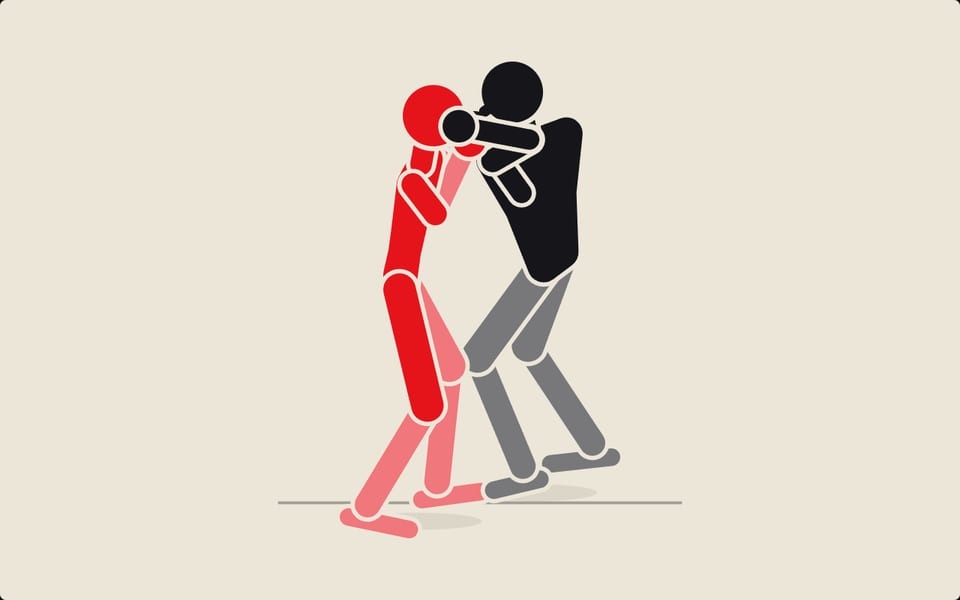
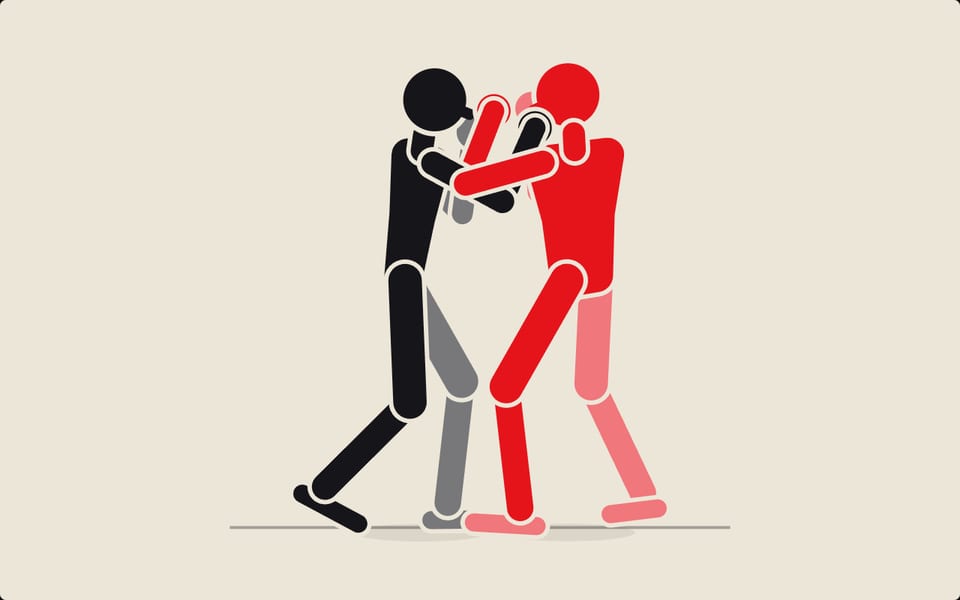
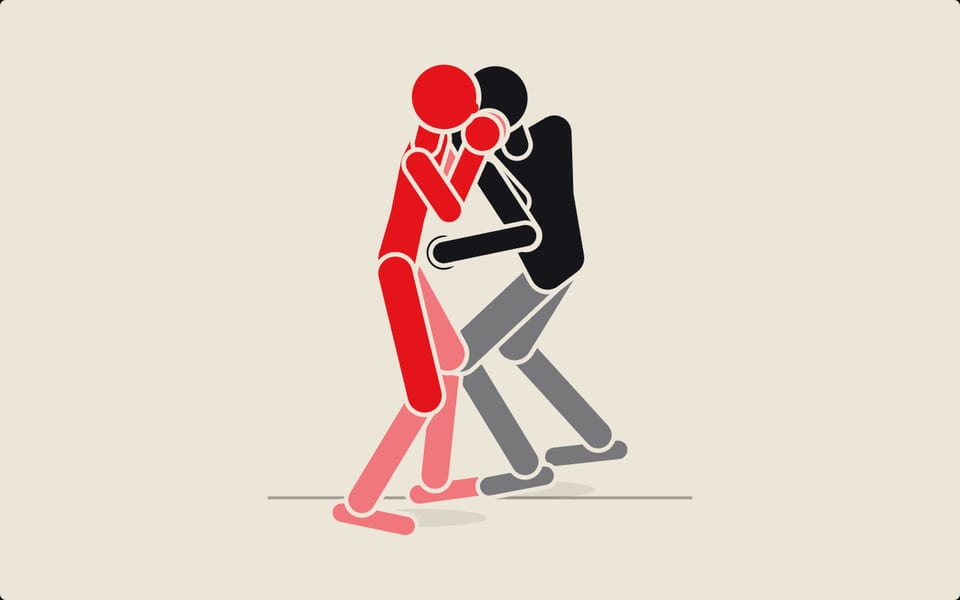
Satori's coaches are filming every technique, full speed and slow motion from two angles. Until it's up, the diagram shows the movement step by step.
How to do it
Start: Jab range in your fighting stance. You begin with the punch that reaches first, usually the jab, and plan to finish where you can defend or leave.
- 1Open with the punch that reaches first, usually the jab, to find the range and occupy the eyes.
- 2Throw the cross as the jab comes back, turning the rear foot and hips.
- 3Let that turn load your lead side and turn back into a lead hook (1-2-3).
- 4Change levels on purpose: one punch to the body, the next to the head, or the reverse.
- 5Bring each hand back to your face as the other one goes out.
- 6Finish with defence or an exit (a slip, roll, pivot or step off the line), never standing still in front of them.
- Each punch sets up the next.
- Hands home between punches.
- Up, down, up: change levels.
- Finish with defence.
- Say the numbers.
- Throwing every punch at the same target. Fix: mix head and body, inside and outside.
- Pausing to admire a punch. Fix: flow straight into the next one or leave.
- Letting the hands drift from the face between punches. Fix: each hand returns to guard as the other one fires.
- Loading up on every punch. Fix: fast, accurate punches first; power comes from turning, not effort.
- Finishing square and still. Fix: end every combination with a slip, pivot or step out.
Safety: Pad-holders should wear proper mitts, and a belly pad when kicks are added. Build speed only after each punch is clean; don't chain punches you can't throw correctly one at a time.
When to use it
- When single punches are being blocked or parried.
- When the opponent is hurt or backed onto the ropes.
- When the opponent covers up: go around or under the guard with hooks and body shots.
- A feint or a jab to the body to move the guard before the combination.
- Draw a lead from the opponent and counter with a combination.
- Start with the same first punch every time, then vary the second and third.
- Pivot or angle step out
- Slip or roll under the return punch
- Low kick to finish (kickboxing and Muay Thai)
- Countering into the gap after the second or third punch.
- Clinching to smother the combination.
- Stepping out of range as it starts, so the later punches fall short.
- Tight high guard with the elbows in, then counter as the combination ends.
- Move off the line after the first punch so the rest miss.
- Clinch or tie up the arms if you are hurt.
The physics
A combination works because each punch sets your body up for the next. When you throw a jab and then a cross, the hips turn one way and then the other, so the rotation that finishes one punch loads the next; alternating hands flows faster than repeating the same hand, which has to be pulled back before it can fire again.
The trade-off is speed per punch: without a full wind-up, each punch in a combination lands a little slower than a single all-out punch, but the whole sequence arrives much sooner. It also exploits reaction time, because the defender is still responding to the first punch while the second and third are already on the way. Keep your centre of mass over your base throughout; a combination that pulls your head past your front knee leaves you unable to defend or move when it ends.
- Myth: every punch in a combination should be a full-power shot. Punches inside combinations land a little slower than single all-out punches, but the sequence arrives far sooner, so flow and accuracy matter more than loading up each punch (Piorkowski et al. 2011).
Masters and famous moments
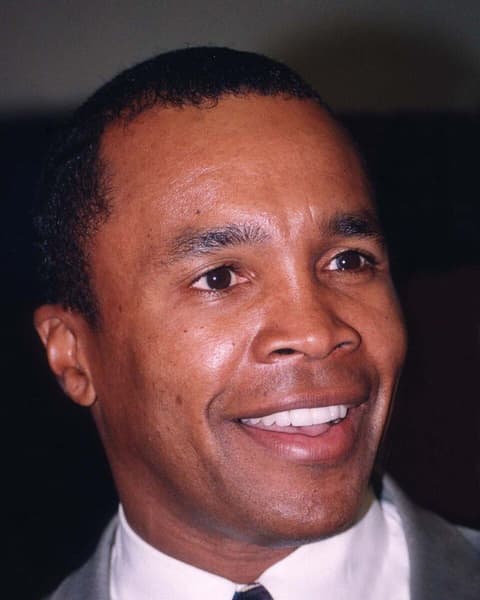
Behind on all three cards with his left eye badly swollen, Leonard hurt Hearns with a right and a burst of punches in the 13th, then staggered him with an overhand right in the 14th and pinned him on the ropes with a furious combination until the referee stopped it.

After a few seconds of feinting, Louis attacked non-stop with left hooks, body shots and right hands and dropped Schmeling three times; he threw 41 punches and landed 31, while Schmeling managed only two.

Tyson landed a four-punch combination late in the first round, dropped Berbick with another combination early in the second, and finished him with a right to the body followed by a left hook to the head, winning the title at 20.
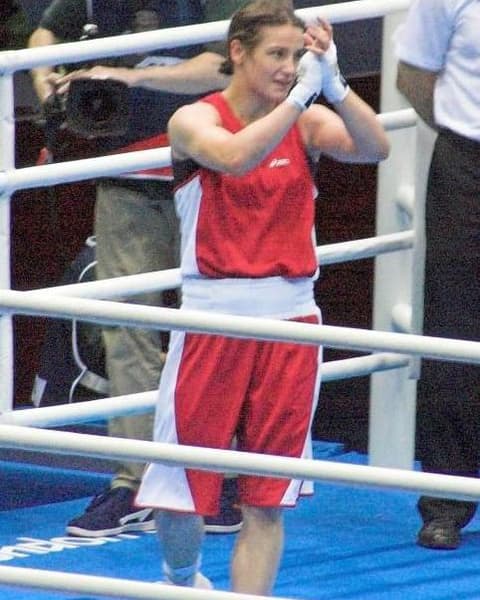
Taylor used fast combinations and movement from the first bell, dropped Volante with a right hand in round one and switched her attack between head and body; after an overhand right and a six-punch combination in the eighth, a flurry in the ninth brought the stoppage.
Across the arts
1 jab, 2 cross, 3 lead hook, 4 rear hook, 5 lead uppercut, 6 rear uppercut. Some systems count eight basic punches by adding the lead and rear overhands. For a southpaw the numbers stay the same and the hands mirror.
The ones every boxer drills: 1-2; 1-1-2 (double jab, cross); 1-2-3 (jab, cross, lead hook); 1-2-3-2; 1-6-3-2 (jab, rear uppercut, lead hook, cross); and the double hook, 3 to the body then 3 to the head.
Switching levels, such as 1-2 to the head, 3 to the body and 3 to the head, makes the opponent move the guard up and down. Katie Taylor broke down Rose Volante this way in 2019.
In kickboxing and Muay Thai, punches often end with a kick: after a jab-cross the opponent covers high and a low kick lands on the lead leg. Muay Thai fighters tend to use shorter strings of one or two punches to set up kicks, knees and elbows.
History
Gyms number the six most-used punches so combinations can be called quickly: jab 1, cross 2, lead hook 3, rear hook 4, lead uppercut 5, rear uppercut 6. The jab-cross "one-two" is the most common combination, because the jab hides the cross. Jack Dempsey's 1950 manual separated a practised "combination series" of three to six punches aimed at different targets from a wild barrage. In 1938 Joe Louis stopped Max Schmeling in 2 minutes and 4 seconds, landing 31 of the 41 punches he threw.
In the rules
Drills
Your coach or partner calls numbers on the pads (1-2, 1-1-2, 1-2-3, 3-2-3, 1-6-3-2). Throw each on the call, then move off before the pad-holder taps back.
Shadowbox three rounds: two-punch combinations in round one, three-punch in round two, four to six punches in round three, each finishing with defence or an exit.
On the heavy bag, every combination must include at least one body shot, for example 1-2, 3 to the body, 3 to the head.
Legends known for it


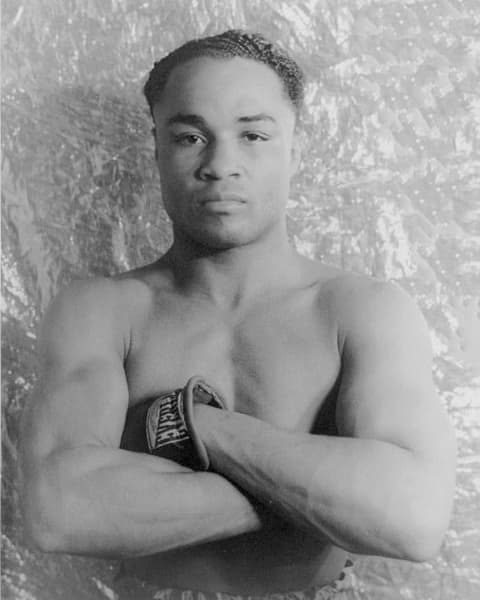
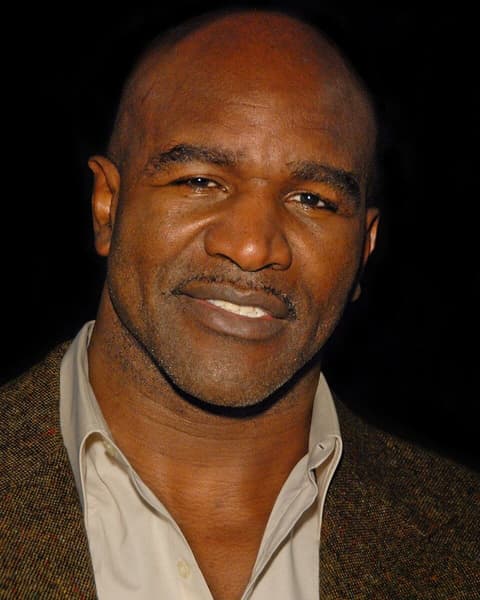



 c. 1977–2000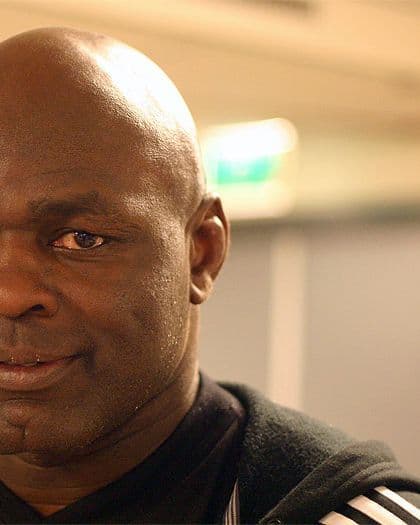

 1972–1999
 1997–2009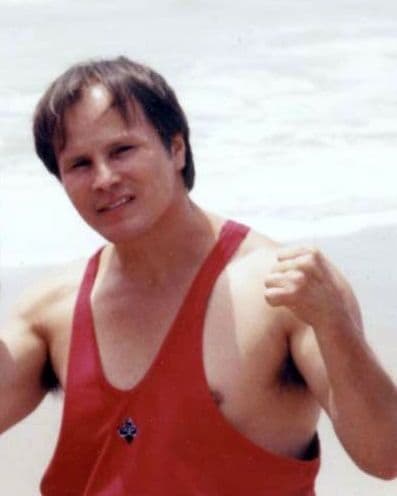


 1976–1995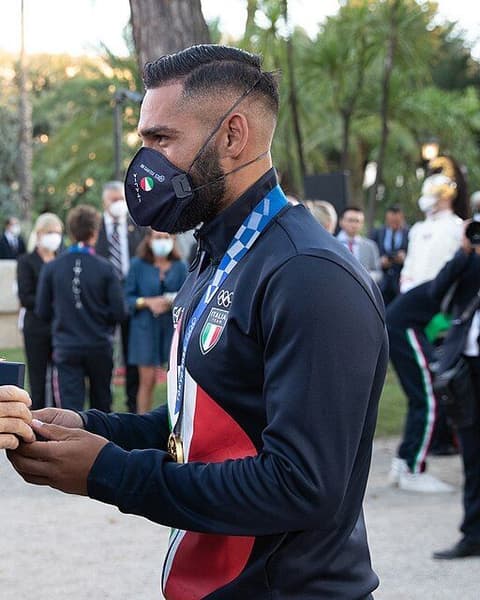


We teach it in Boxing. A coach will fix the details you can't see yourself. Join now and book your first class for $20, paid online.
Related techniques
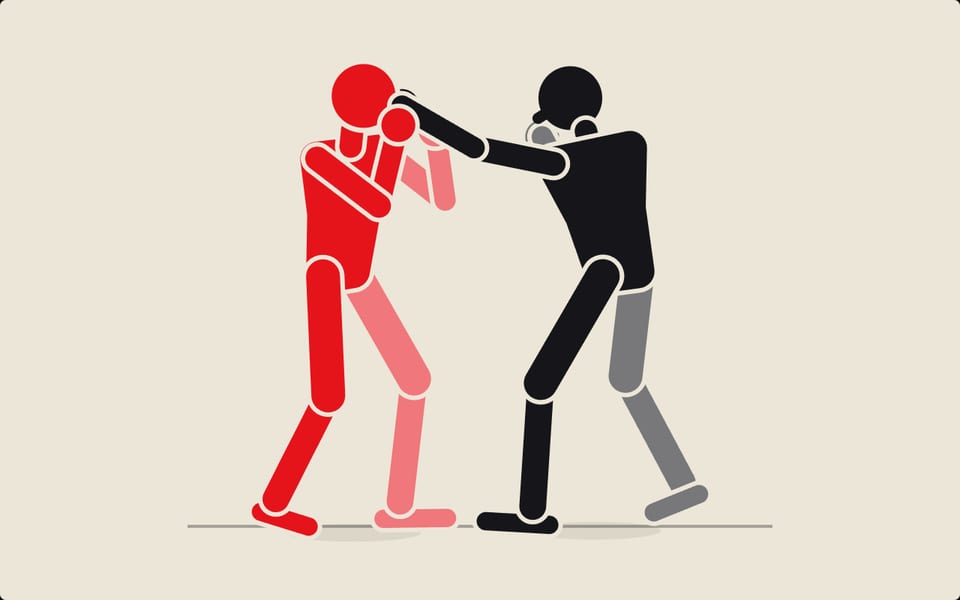
The jab is a fast, straight punch with your lead hand. It starts closest to the target and needs the least commitment, so it is the most-used punch…
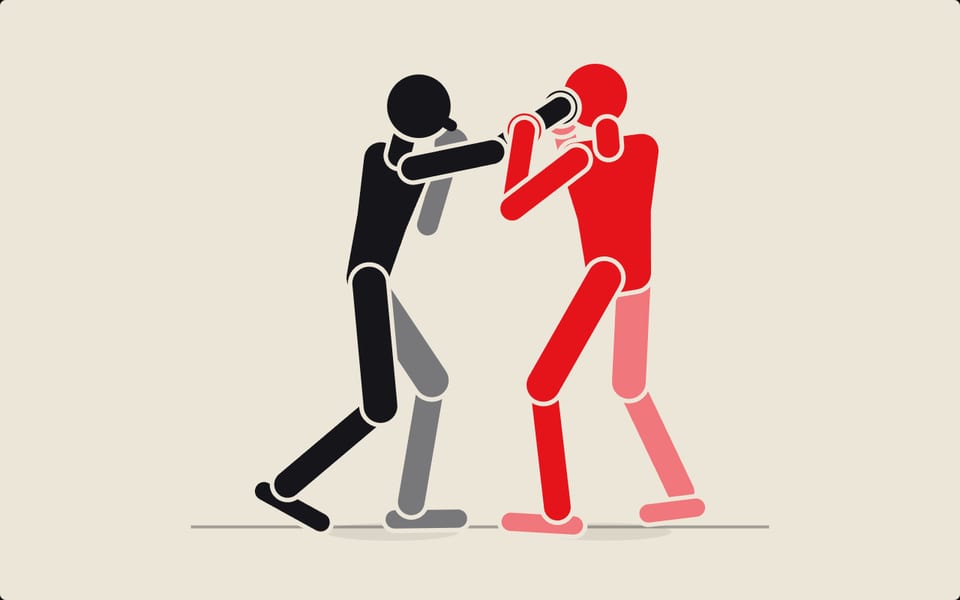
The cross is the straight punch with your rear hand: the right for an orthodox fighter, the left for a southpaw. The rear foot, hips and shoulders…
The hook is a bent-arm punch that travels on a short horizontal arc into the side of the jaw or the body. Its power comes from turning the foot,…
The uppercut is a close-range punch that rises vertically from below the opponent's line of sight into the chin or the solar plexus. It is the…

The body hook is a hook driven into the side of the ribcage. The classic version is the lead hook to the liver, which sits under the ribs on the…



A feint is a threatened punch that you never throw: a twitch of the lead shoulder, a half-jab, a shift of the eyes or a dip of the knees. When the…