腕緘Ude-garami · say “OO-deh gah-RAH-mee” · “entangled arm lock”
Judo: 逆腕緘 Gyaku ude-garami (“reverse arm entanglement, the judo name for the kimura”) · Sambo: обратный узел Obratny uzel (“reverse knot: the bent arm is turned inward, fist toward the feet”)
Also called Ude-garami, Gyaku ude-garami, Double wristlock, Reverse keylock
The kimura is a figure-four lock on the shoulder and elbow. You hold your partner's wrist, thread your other arm behind their upper arm, grip your own wrist and turn their hand up behind their back. In judo it is gyaku ude-garami, and catch wrestlers call it the double wristlock. Jiu-jitsu and MMA call it the kimura after Masahiko Kimura, who beat Hélio Gracie with it in 1951.
Satori's coaches are filming every technique, full speed and slow motion from two angles. Until it's up, the diagram shows the movement step by step.
How to do it
Start: Your partner's arm is bent with the hand planted on the mat or on your body, for example when they post a hand beside your hip from inside your closed guard. The steps are the version from the guard; other positions are under variations.
- 1From closed guard, when your partner posts a hand on the mat, grip that wrist with your hand on the same side.
- 2Sit up toward the trapped arm and pull the wrist down toward the mat so their elbow stays bent.
- 3Reach your other arm over their shoulder, around the back of their upper arm, and clasp your own wrist to make the figure-four.
- 4Squeeze their elbow tight against your chest so they cannot pull the arm back.
- 5Fall to the side of the trapped arm, keeping their body pulled down beside you.
- 6Turn your whole body and swing their hand up behind their back in a slow arc, keeping the figure-four tight.
- 7Stop at the first tap.
- Wrist first, then wrap.
- Elbow to your chest.
- Turn your body, not just your arms.
- Slow arc, never a yank.
- Letting a gap open between their elbow and your chest. Fix: hug the arm into your chest before you start to turn.
- Cranking with the arms alone. Fix: turn your whole torso and let your hips do the work.
- Pulling the wrist straight up or out. Fix: rotate it in a slow arc toward their back.
- Applying it fast, which can injure the shoulder before your partner can tap. Fix: slow down and stop at the tap.
Safety: The shoulder and elbow can be injured with very little warning. Turn slowly, stop at the first tap and tap early yourself when caught. Never crank or jerk it. Remember that Frank Mir's kimura broke Antônio Rodrigo Nogueira's arm in a real fight; in training you never need to go that far. In judo it has to work on the elbow, so do not crank the shoulder with strength.
When to use it
- When your partner posts a hand on the mat or on your hip from inside your guard.
- When you are on top in side control and their near arm is bent near their head.
- When they defend a choke or an armbar by bending the arm and pulling it in.
- When a partner on their hands and knees keeps one arm tucked and their elbow near the mat.
- Attack a cross collar choke or a guillotine so that they post a hand, then take that hand for the kimura.
- Start an armbar, and when they bend the arm to stop it, switch to the figure-four.
- From side control, wait for them to frame against your neck or hip, then take the wrist.
- From north-south, secure the near arm's wrist and thread the second arm over it.
- An armbar if they straighten the arm to escape.
- A sweep to the top, using the figure-four to roll them over.
- Back control if they turn away from the lock.
- Pull the hand back to your chest before the wrist is taken, or lock your hands together.
- Straighten the arm and turn into the attacker before the figure-four is locked, then pull the elbow out.
- Roll with the pressure toward the attacker's side to take the strain off the shoulder, then get your elbow back under you.
- Keep your elbow tight and your hand close to your body so there is no wrist to grab.
- If they take the wrist, clasp your own hands or grip your belt and pull the elbow in; do not let them thread the second arm behind you.
- Tap early: a shoulder can give way with little warning.
The physics
The kimura is a lever that twists the shoulder. You hold your partner's wrist with one hand, thread your other arm under their upper arm and grip your own wrist, making a figure-four frame that keeps their elbow bent at about a right angle.
Turning their wrist away from you, up behind their back, rotates the upper arm inward at the shoulder, and the forearm is the lever arm: the torque on the shoulder equals the force at the wrist times the length of the forearm. Your forearm under their upper arm, kept tight to your body, anchors the upper arm so the twist goes into the joint rather than moving the whole arm. If their elbow drifts away from your body or straightens, you lose both the lever arm and the anchor, and they can pull free.
Masters and famous moments
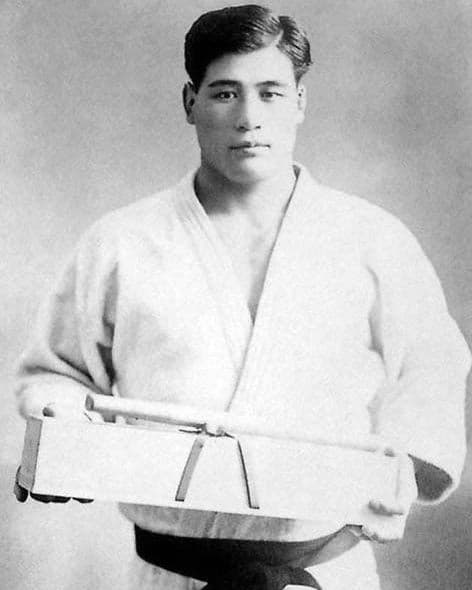
After pinning Gracie in kuzure-kami-shiho-gatame, Kimura switched to gyaku ude-garami. Gracie did not tap, and his brother Carlos Gracie stopped the fight. The hold has carried Kimura's name ever since.
Mir became the first man to submit Nogueira, catching a kimura that broke Nogueira's arm.
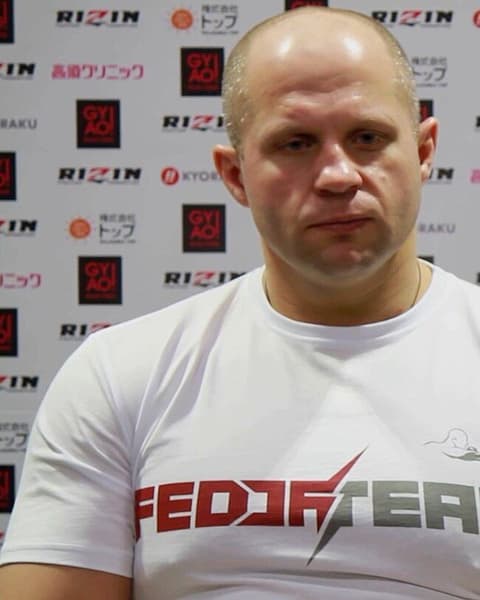
Randleman slammed Emelianenko headfirst with a German suplex. A few seconds later Emelianenko rolled to the top and forced Randleman to submit with a kimura.

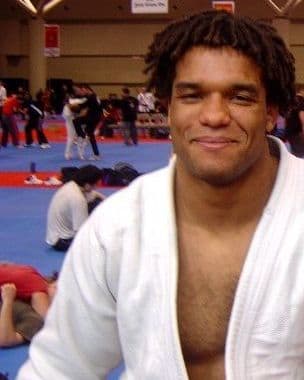
The two-time Olympic judo champion won the UFC title by kimura at 4:55 of the second round.
Across the arts
The IJF describes it as using both arms to entangle one of your partner's arms and twist it to the outside or inside to control the elbow. Judo competition allows locks only on the elbow, so the finish stays on the elbow and does not crank the shoulder.
The same figure-four with the opposite rotation: you hold the wrist with the opposite hand, thread your other arm under the upper arm and slide the wrist toward their hip. Judo still calls this ude-garami, and the kimura is the reverse version.
Catch wrestlers called it the double wristlock long before it was named after Kimura. The Olympic champion Robin Reed reportedly used it to force pins in 1924, and that in some versions the arm is taken behind the back like a hammerlock.
Sambo rotates a bent arm inward, fist toward the feet, in the hold it calls the reverse knot. Sport sambo limits how far you may bring the forearm behind the back.
It is legal because the shoulder counts as a large joint under the Unified Rules. Frank Mir's 2011 win in Toronto shows what happens when it is finished on a resisting opponent.
History
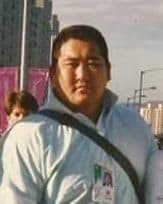
Masahiko Kimura, All-Japan champion in 1937, 1938 and 1939, beat Hélio Gracie at the Maracanã Stadium in Rio on 23 October 1951 with gyaku ude-garami. Brazilian sports writers renamed the hold 'Kimuriana' by Kimura's second tour of Brazil in 1959, and the name was later shortened to kimura. The lock was much older: catch wrestlers knew it as the double wristlock in the 1920s, and Robin Reed reportedly used it to force pins on his way to Olympic gold in 1924. It became widely known through the early UFC and Brazilian jiu-jitsu.
In the rules
Drills
Roll up a towel or use a training arm. Practise gripping the 'wrist', threading your other arm around the upper arm and clasping your own wrist, then falling to the side and turning. Ten reps each side, slowly.
Your partner kneels in your closed guard and posts a hand. Take the wrist, sit up, lock the figure-four and finish at about 30 per cent pressure. Switch after ten reps.
Start a kimura, and when your partner defends by straightening the arm, swing into an armbar; if they turn away, take the back. Do each link at half speed and switch.
Legends known for it



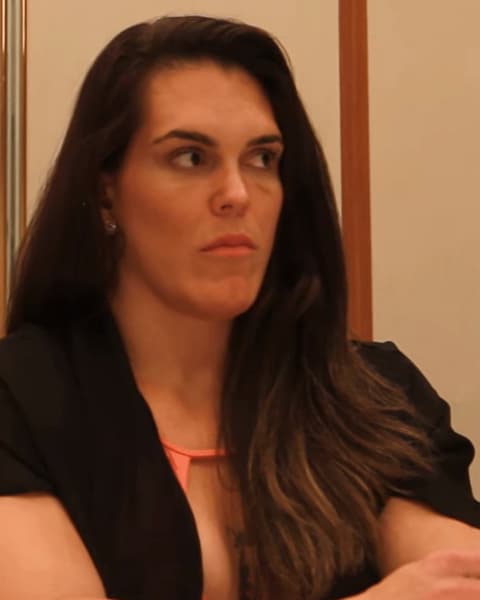


We teach it in Wrestling & Grappling. A coach will fix the details you can't see yourself. Join now and book your first class for $20, paid online.
Related techniques
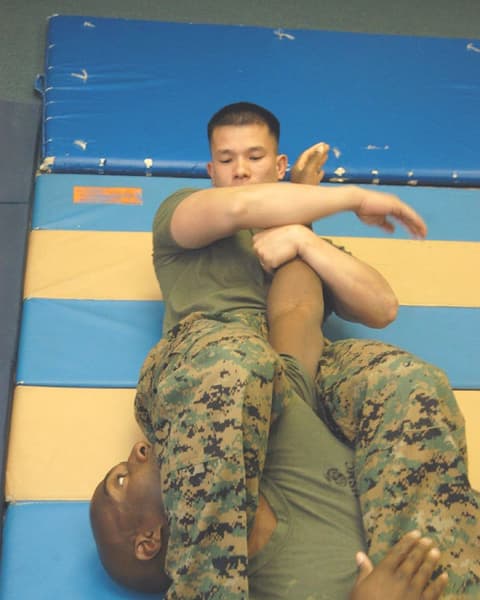
The armbar traps your partner's arm between your thighs, holds their wrist against your chest and lifts your hips so the elbow is forced straight,…

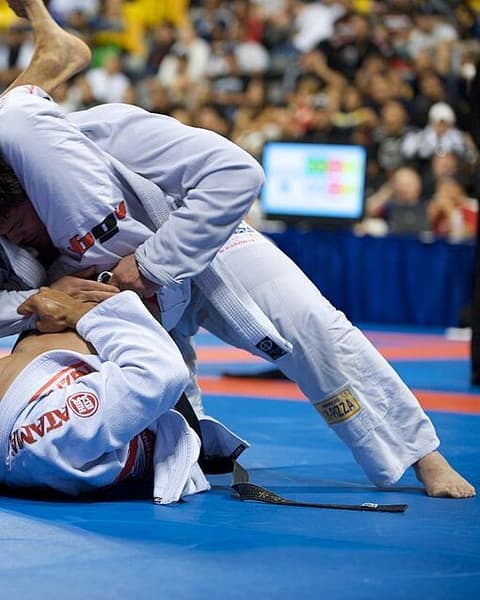
The triangle choke traps your partner's head and one of their arms inside a triangle made by your legs. One of your thighs and their own shoulder…
The cross collar choke uses your partner's own jacket. You feed both hands deep into their collar with your forearms crossed, then pull your elbows…
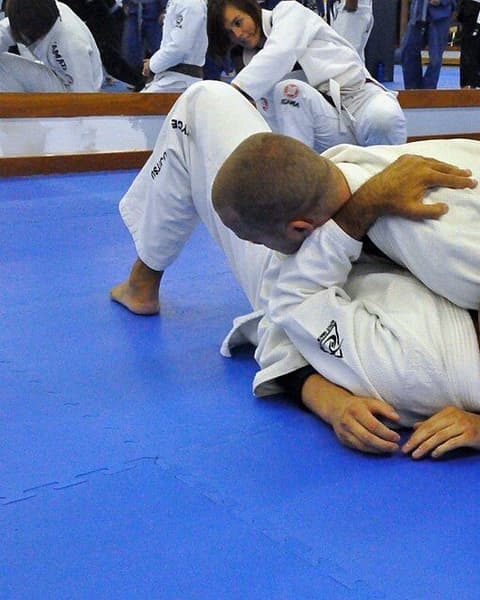
Side control pins your partner flat on their back from the side. You lie across them chest to chest, one arm under their neck and the other…


The mount is the top position where you sit astride your partner's torso with a knee on each side. In judo it becomes tate-shiho-gatame when you…

Kami-shiho-gatame pins your partner from above their head. You lie chest to chest with your knees wide, slide your arms under their shoulders, grip…