Also called Slipping, Slipping punches, Head movement
A slip moves your head just off the line of a straight punch, so it misses by centimetres while you stay in range to hit back. The movement comes from a small turn of the shoulders and hips and a bend of the knees, not a big lean. Slipping the jab or cross and firing straight back is where much of counterpunching starts.
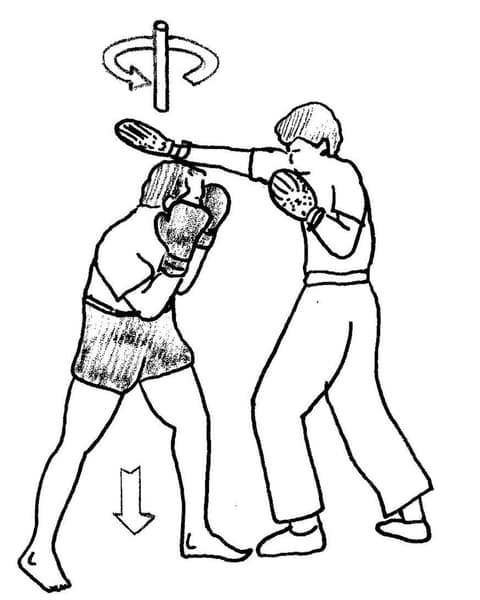
Satori's coaches are filming every technique, full speed and slow motion from two angles. Until it's up, the diagram shows the movement step by step.
Watch it
How to do it
Start: Your stance at mid-range, facing straight punches such as the jab and cross. Weight centred, knees soft, eyes on your opponent's chest and shoulders.
- 1Watch the chest and shoulders so you see the punch start.
- 2As it comes, bend your knees slightly and turn your shoulders so your head moves a few centimetres off the line.
- 3To slip outside a jab (orthodox against orthodox), turn your upper body to the right and let your weight settle onto the rear leg.
- 4To slip inside a jab, turn to the left and let your weight settle onto the lead leg, with your rear hand up for the hook.
- 5Keep both hands at your face and your eyes on your opponent throughout.
- 6Let the punch pass your ear by a few centimetres, no more.
- 7Come back to centre with a counter while their arm is still out: a cross, a hook or a body shot.
- Small: just off the line.
- Knees and shoulders, not the waist.
- Eyes on the chest.
- Slip and hit, don't slip and wait.
- Hands stay home.
- Slipping too early, so every feint moves you. Fix: wait for the shoulder to commit before you move.
- Slipping too wide or bending at the waist. Fix: move your head only a few centimetres, using your knees and shoulders.
- Moving only the neck. Fix: turn your shoulders and hips with your head.
- Slipping inside the opponent's cross, into their hook. Fix: slip the cross to the outside unless you've trained the inside slip.
- Dropping your hands while slipping. Fix: keep both gloves at your face; a slip is not a replacement for a guard.
Safety: Start with slow, light punches from a trusted partner and build speed gradually. Wear headgear and a mouthguard once punches have any speed.
When to use it
- Against a jab or cross, especially from an opponent who keeps throwing the same one.
- When you want to stay in range to counter instead of stepping back.
- Against a taller opponent, to get past the jab without taking it.
- Draw the jab by feinting your own, then slip the reply.
- Decide your counter before the punch comes, so the slip and the counter are one movement.
- Take a small step back to bring the opponent onto your slip-and-counter range.
- A cross over the jab after an outside slip
- A lead hook or body shot after an inside slip
- An angle step off the line
- Doubling the jab: the second jab lands where you slipped to.
- A straight followed by a hook to the side you slip toward.
- Feints that make you slip too early, then a real punch as you come back.
- Throw combinations instead of single straight punches, so a slip leads into the next punch.
- Aim at the body, which a head slip doesn't move out of the way.
- Feint to draw the slip, then time a hook or an uppercut to where the head goes.
The physics
A slip moves your head just outside the path of a straight punch while your feet stay planted. Turn the shoulders and bend a little at the knees and hips so the head shifts to one side while your centre of mass stays over your base; the punch passes over your shoulder and you are still in position to counter.
Straight punches travel along a line, so moving just enough to clear the fist, using the legs as well as the upper body, makes them miss completely, while an oversized movement costs time and balance. The timing has to come from reading the start of the punch, since the fist itself arrives too quickly to see and then react to. Even a slip that is slightly late helps: a punch that glances off at an angle pushes the head far less than one that lands square.
- Myth: slipping is a neck movement. Turning the shoulders and bending the knees moves the head with the body; bending only the neck leaves the chin exposed and the body square to the punch.
Masters and famous moments

Before the fight, trainer Eddie Futch praised how Mayweather could slip along the ropes and avoid punches. Corrales averaged about six landed punches a round, and Mayweather dropped him five times before Corrales's corner stopped it.

Canelo dominated with head movement and power: Trout was the busier fighter but landed only 154 of 769 punches. Canelo dropped him with a straight right in round 7 and won a unanimous decision.
 1984–2001
Whitaker, a master of making opponents miss, frustrated the pound-for-pound number one and out-landed him 311 to 220. The judges still called it a majority draw.
Across the arts
Moving your head to the outside of the punching arm: for an orthodox boxer facing an orthodox opponent, to the right against the jab and to the left against the cross. It takes you away from the other hand.
Moving inside the punching arm, between the opponent's hands. It opens short counters but leaves you in range of their other hand.
Leaning the upper body back over the rear leg so the punch falls short; Floyd Mayweather Jr. built his pull counter on it.
Head movement is used more sparingly, because a slip that goes low or wide can meet a knee or a high kick.
History
Slipping gained importance after the Queensberry Rules brought in gloves, when defensive skills such as slipping, bobbing, countering and angling came to the fore. By 1911, R. G. Allanson-Winn's book Boxing had a chapter on 'Guarding & Slipping'. It is counted among boxing's basic defensive strategies, with blocking, holding and clinching. Sugar Ray Robinson, Pernell Whitaker and Floyd Mayweather Jr. all built their defence on it.
Drills
Swing a small slip bag and slip it each time it comes back toward your head, staying in one spot. Once the timing is reliable, add a punch after every slip.
Your partner throws slow jabs with a glove while holding a mitt in the other hand. Slip outside and counter with a cross to the mitt. After three rounds, switch to slipping the cross.
Shadowbox in front of a mirror, slipping imaginary jabs and crosses. Check that your head moves only a few centimetres and your hands never leave your face.
Legends known for it








We teach it in Boxing. A coach will fix the details you can't see yourself. Join now and book your first class for $20, paid online.
Related techniques
Bobbing and weaving takes your head down and under a hook, then across and up on the other side of the punch. The drop comes from bending your…
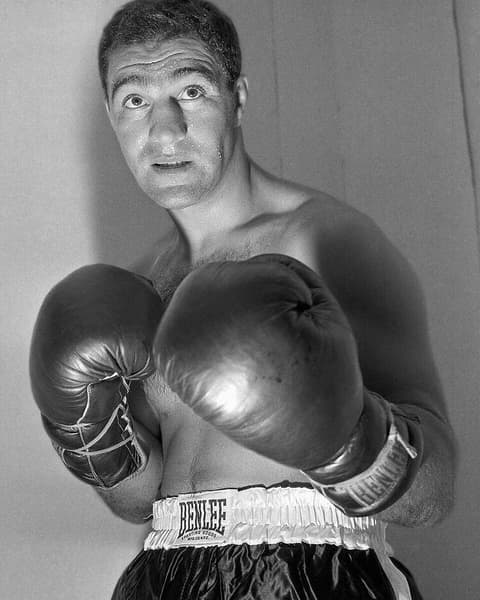
A parry is a short, sharp tap with the open glove that knocks an incoming straight punch off line, most often the jab. Unlike a block, it doesn't…
Counterpunching means letting the opponent attack first, making the attack miss or land on your guard, and hitting back into the opening it leaves…

The pull counter shifts your weight back so the opponent's jab or lead punch falls just short, then fires your rear hand straight down the middle…

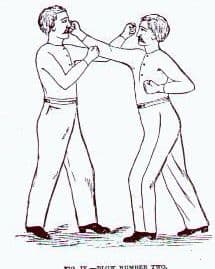
The shoulder roll turns your upper body away from a straight punch so it glances off your raised lead shoulder, then turns you back with a counter.…
The high guard brings both gloves up to your forehead and your forearms together in front of your face, so punches land on gloves and arms instead…