Also called Counterpunch, Countering, Counter-striking, Counters
Counterpunching means letting the opponent attack first, making the attack miss or land on your guard, and hitting back into the opening it leaves while they are out of position. It rests on four skills: drawing the attack, defending with the smallest movement that works, timing the return, and reading habits. Counterpunchers win with timing rather than volume.
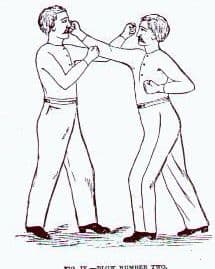
Satori's coaches are filming every technique, full speed and slow motion from two angles. Until it's up, the diagram shows the movement step by step.
How to do it
Start: At a distance where the opponent must step or reach to hit you, in a balanced stance with your hands ready to catch or parry. Before you counter, study what they throw first and what their other hand does.
- 1Set the range so the opponent has to commit to reach you.
- 2Read the lead: which punch comes first, and where the other hand goes when it does.
- 3Draw the attack by showing a small opening or a feint that invites the punch you want.
- 4Defend with the smallest movement that works: a slip, catch, parry, block or half-step back.
- 5Fire back at once, as their punch misses or lands on your guard and before it returns.
- 6Hit the side their punch just left open: a jab leaves the chin open to a right, a right hand leaves room for a hook.
- 7Move off the line after the counter, then reset.
- Make them miss, make them pay.
- Small defence, fast return.
- Hit the hole the punch leaves.
- Counter on their way in, not after they reset.
- Waiting so long for the perfect counter that the opponent wins the rounds. Fix: stay busy with the jab; countering is not standing still.
- Moving so far to defend that you end up out of range to counter. Fix: use the smallest defence that works.
- Countering with the same punch every time. Fix: build two or three answers for each lead.
- Countering late, after they have reset. Fix: drill the defence and the return as one motion.
Safety: Build counters at half speed with headgear, and spar them live only with a partner your coach approves.
When to use it
- Against aggressive fighters who lunge, overreach or keep leading with the same punch.
- Against an opponent who is faster but predictable.
- Late in a fight against a tiring pressure fighter.
- When you are behind and need one clean, heavy shot.
- Draw: carry a hand low or lift an elbow to invite a punch, and counter what it brings.
- Catch and counter: catch the jab in the rear glove and return a jab or cross.
- Slip and counter: slip inside or outside a straight punch and counter to the head or body.
- Timing: hit them as they step in, so their forward motion adds to your punch.
- A second counter or a short combination
- Angle step out
- Reset the draw
- Constant feints, which make the counterpuncher react to nothing.
- Pressure behind a high guard with head movement, cutting off the ring.
- Double and triple jabs that don't leave the expected gap.
- Feint and disguise your attacks so the counterpuncher can't read them.
- Punch in combinations and finish each one with defence.
- Never lead with the same punch the same way twice in a row.
The physics
A counterpunch lands while the opponent is committed to his own attack. When he throws, his weight moves forward and one hand leaves his face, so your fist and his head close on each other and the impact speed is higher than either of you could make alone.
A punch is too quick to answer once the fist is already flying, so good counterpunchers react to the start of the attack, or to a habit they have spotted, and defend and hit in one motion. You need a stable base for this, because the slip, block or step and the counter all push off the floor. Wait too long and his hand is already back on guard; reach too far and you become the one who is committed.
- Myth: great counterpunchers just have faster reflexes. Karate experts were no quicker than novices on a simple reaction test; their edge was reading where an attack was going from its first moments (Mori, Ohtani & Imanaka 2002).
Masters and famous moments
Behind on the scorecards, with one second left in the sixth round, Márquez met Pacquiao's jab with a counter right hand that sent him face first to the canvas, out cold. The Ring named it both Fight and Knockout of the Year.
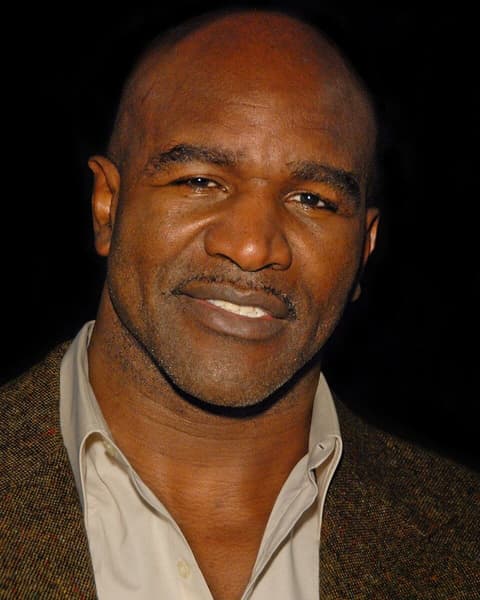
Douglas tried to start a combination with a big, telegraphed right uppercut; Holyfield countered with a straight right hand and Douglas went down for the count, making Holyfield undisputed champion.

Behind on the cards, Louis waited for Conn to gamble on a knockout. When Conn threw a left hook, Louis moved under it, landed his own left hook and a right, and kept landing rights until Conn was counted out.
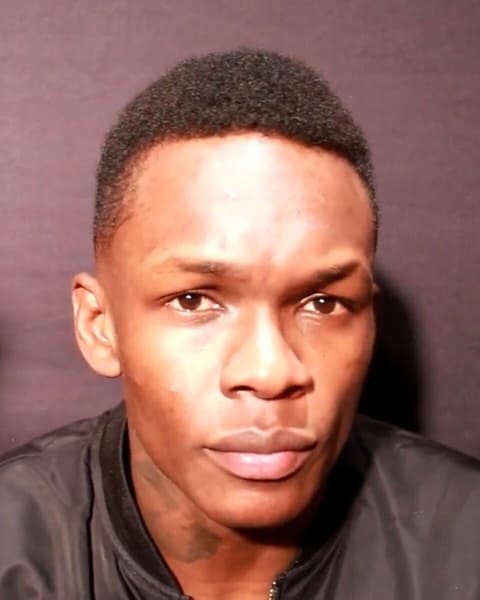
With Pereira pinning him on the fence and throwing combinations, Adesanya was, in his own words, "playing possum": he countered with a heavy right hand, a second right and a left hook that put Pereira down and regained the title.
Across the arts
Offer a false opening, such as a low hand, a raised elbow or even pretending to be tired against the ropes, then counter the punch it invites.
Catch the jab in the rear palm and return a jab or cross before their hand gets home.
Slip inside or outside a straight punch and return to the head or body.
Shift back so the punch falls short, then fire the rear straight as their arm returns. See pull counter.
Hook and pivot off the line as a rusher comes in. See check hook.
A rear hand thrown over the opponent's jab. See cross-counter.
History
Gloves changed boxing after the Marquess of Queensberry Rules of 1867: bouts became longer and more strategic, with more weight on slipping, bobbing, countering and angling. Counterpunchers need sharp reflexes, accuracy and hand speed, and their opponents must keep feinting and disguising attacks to avoid being read. Noted counterpunchers include Willie Pep, Salvador Sánchez, James Toney, Pernell Whitaker, Bernard Hopkins, Juan Manuel Márquez, Floyd Mayweather Jr. and Canelo Álvarez.
In the rules
Drills
Your partner leads with one agreed punch at half speed; defend and counter with an agreed answer. Then add a second option so you have to read which punch is coming.
Shadowbox against an imaginary opponent: slip a jab and return a cross, catch a jab and return a jab, roll under a hook and return a hook. Three rounds.
Drop your rear hand slightly to invite your partner's jab, then slip or catch it and counter to the body. Swap roles each round.
Legends known for it
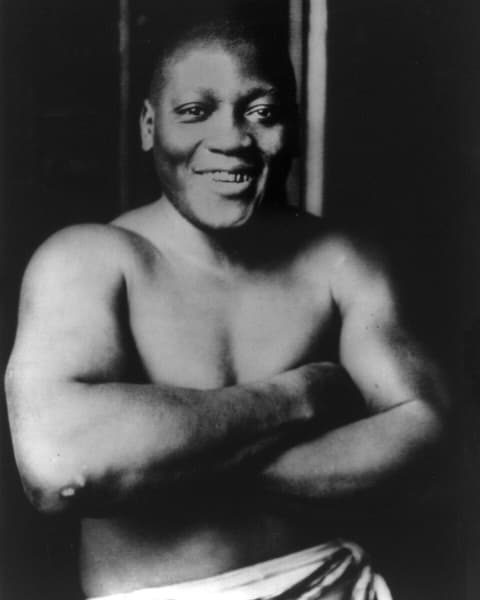

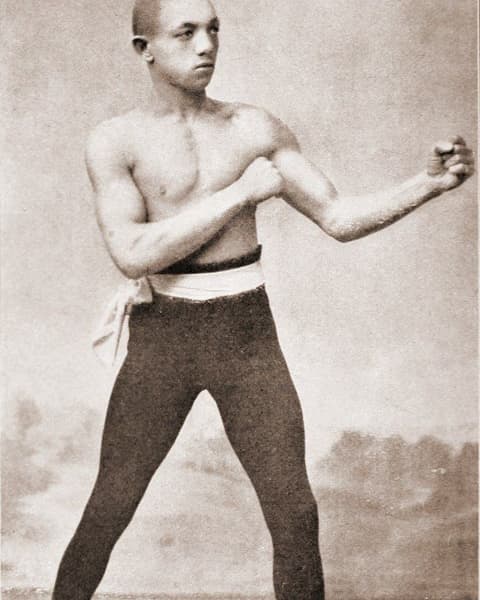

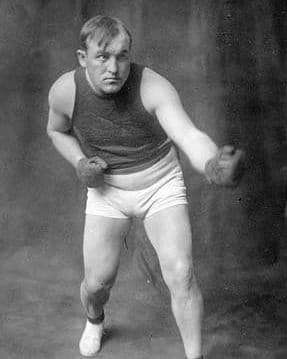




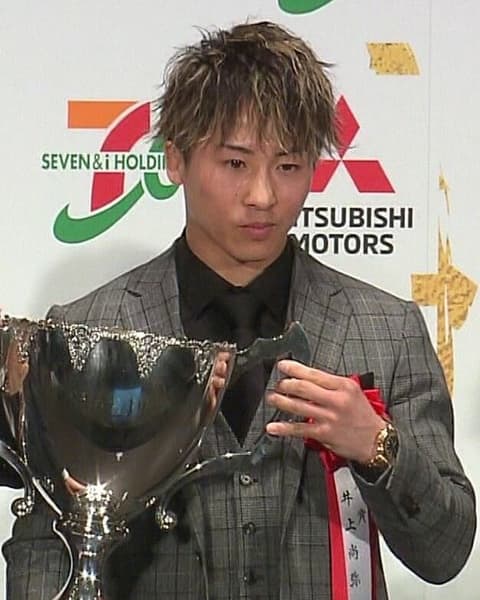

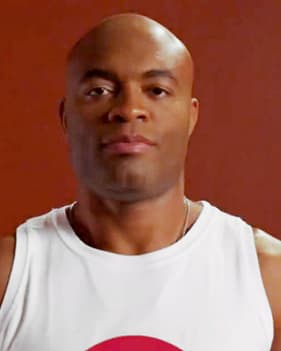


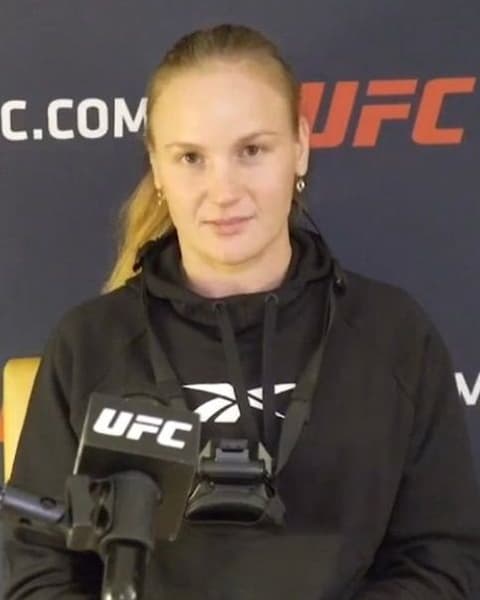



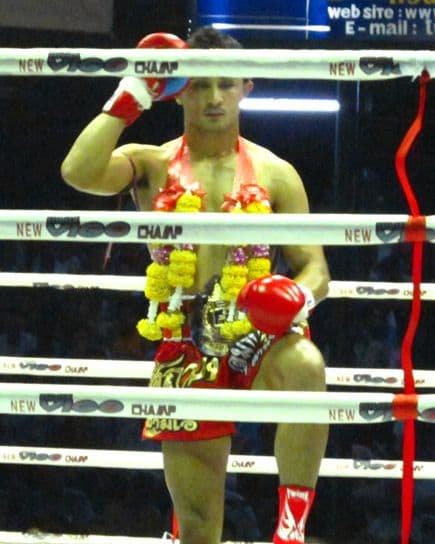


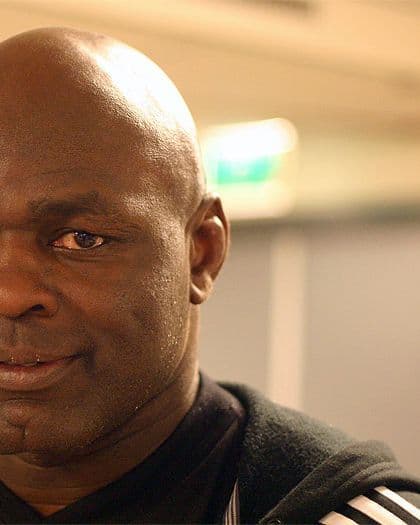


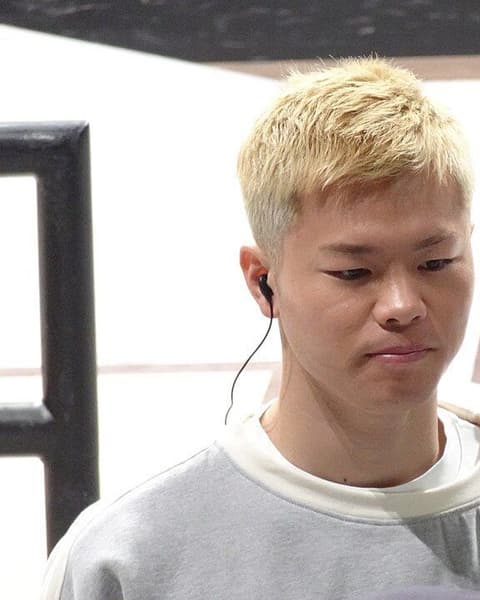
 2002–now
We teach it in Boxing. A coach will fix the details you can't see yourself. Join now and book your first class for $20, paid online.
Related techniques
The cross-counter is a rear-hand punch thrown the instant the opponent jabs: you slip your head inside the jab and drive a straight right over…
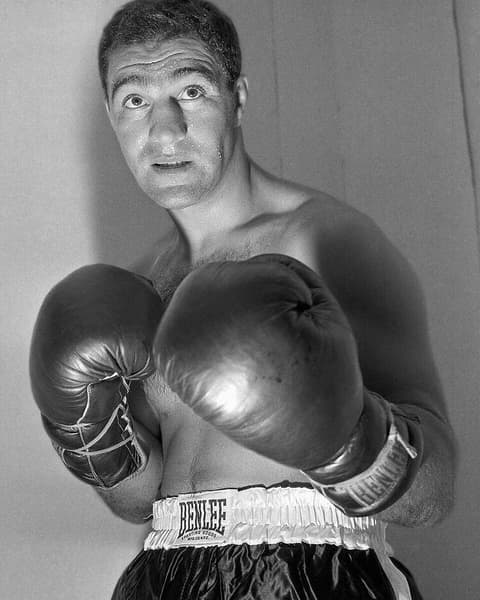
The pull counter shifts your weight back so the opponent's jab or lead punch falls just short, then fires your rear hand straight down the middle…

The check hook is a lead hook thrown as the opponent rushes in, combined with a pivot that takes you off their line. They run onto the punch and…
A feint is a threatened punch that you never throw: a twitch of the lead shoulder, a half-jab, a shift of the eyes or a dip of the knees. When the…
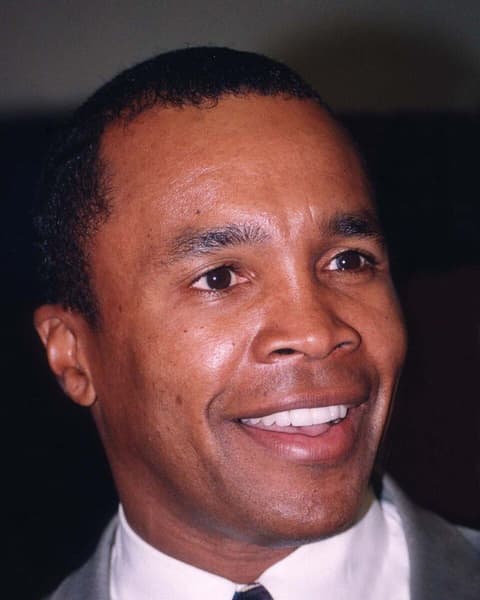
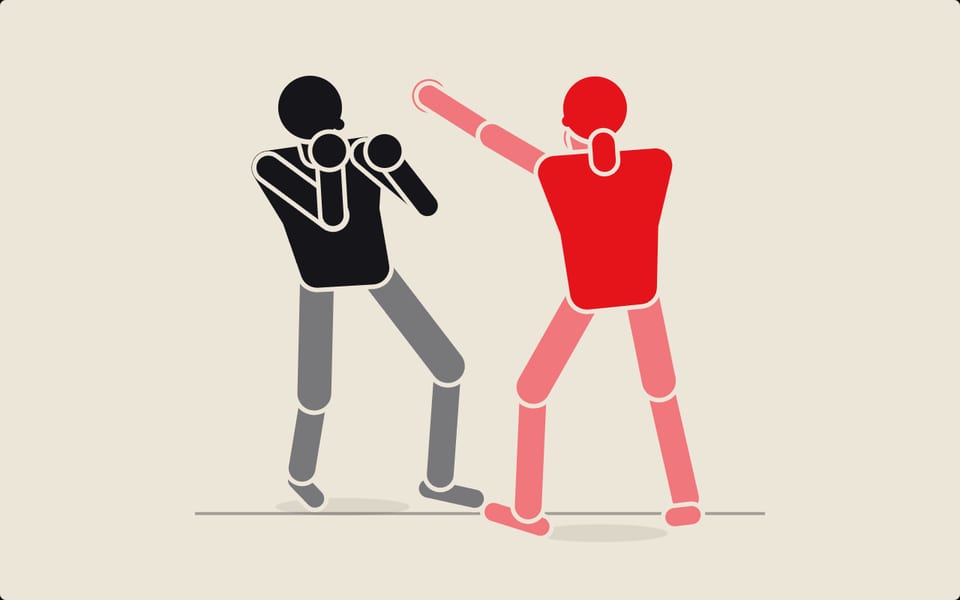
A slip moves your head just off the line of a straight punch, so it misses by centimetres while you stay in range to hit back. The movement comes…
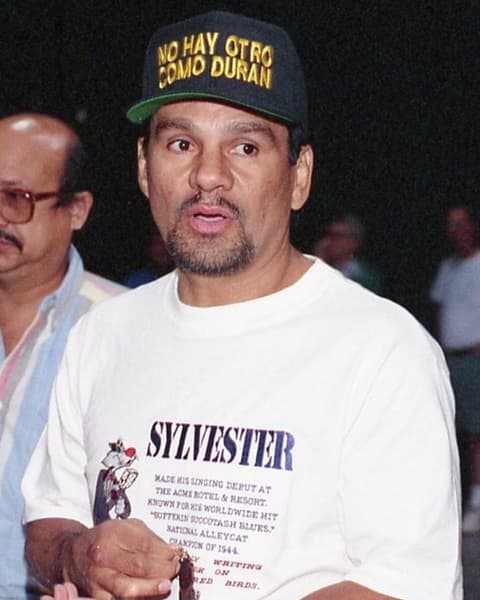
The shoulder roll turns your upper body away from a straight punch so it glances off your raised lead shoulder, then turns you back with a counter.…
