出足払De-ashi-barai · say “deh-AH-shee BAH-rye” · “advancing foot sweep”
Sambo: боковая подсечка Bokovaya podsechka (“side sweep”)
Also called Advancing foot sweep, Forward foot sweep, De-ashi-harai
De-ashi-barai is the 'advancing foot sweep'. You wait for your partner to take a step, then sweep that foot along its path at the instant their weight is about to land on it. No strength is needed, only timing, so it is one of the first sweeps judoka learn and one of the hardest to master.
Satori's coaches are filming every technique, full speed and slow motion from two angles. Until it's up, the diagram shows the movement step by step.
How to do it
Start: Stand in a relaxed sleeve-and-lapel grip with soft knees, moving so your partner is stepping. In the Kodokan's description your partner steps forward with their right foot and you sweep it with your left foot (left-handers mirror everything).
- 1Grip: sleeve in one hand, lapel in the other. Keep your knees soft and your feet light so you can move with your partner.
- 2Kuzushi (off-balance): step back or sideways so your partner takes a step toward you. Draw them along the line of that step with both hands, so their weight is about to go onto the stepping foot.
- 3Tsukuri (fit-in): stay balanced on your supporting leg with a soft knee and your chest close. Do not lean back or reach.
- 4Kake (finish), part one: as the foot lands, or an instant before the weight arrives, place the sole of your free foot against the side or back of the ankle.
- 5Kake, part two: sweep the foot sharply along the way it is already travelling, across the mat toward their other foot, while your hands keep pulling their upper body in the same direction.
- 6With no foot under them, your partner's body carries on and falls. Keep hold of the sleeve all the way down.
- 7Step after them and finish on top, in control.
- Catch the foot as it lands.
- Sweep with the path, not against it.
- Hands pull while the foot sweeps.
- Soft knees, light feet.
- Sole of the foot, not the toe.
- Sweeping after the foot is planted and heavy. Sweep as it lands or just before the weight arrives, or the foot will not move.
- Sweeping against the direction of travel. Go with the path the foot is already taking.
- Forgetting the hands. Keep pulling your partner's upper body along the same line as the sweep.
- Locking your supporting knee. Bend it a little so you stay balanced.
- Kicking at the ankle bone. Use the sole of your foot with a brushing action.
Safety: De-ashi-barai can drop your partner sideways or backward without warning, so they need a solid break-fall before you try it for real. Keep hold of the sleeve through the fall. Sweep with the sole in a brushing motion and never stamp on the ankle bone. Practise on mats and start at half speed.
When to use it
- When your partner walks forward in steady steps or steps into a new position after a grip change.
- When they step back to escape your pressure and lift a foot to do it.
- As a fast finish or a distraction that makes them shift before a bigger throw.
- Walk backward in small steps so your partner chases, then sweep a stepping foot.
- Circle with grip pressure until they take a large step, or push or pull hard and sweep the foot that moves to rebalance.
- Go straight in on the first exchange. Christa Deguchi threw immediately with de-ashi-barai in a 2023 Worlds semi-final, per the IJF.
- Fake a big attack such as seoi-nage, so they step back to defend, then sweep the stepping foot.
- O-uchi-gari on the other leg. Deguchi followed her de-ashi-barai with the o-uchi-gari she had used earlier that day, per the IJF.
- A hold-down as they land.
- Uchi-mata or another throw if they hop free.
- Tsubame-gaeshi: they fend off the sweep and counter-sweep with the same foot (the Kodokan lists this counter to foot sweeps).
- Hold the stepping foot in the air a moment, then place it down after the sweep has passed.
- Step in close and press your chest into theirs so the sweeping foot has no room to travel.
- Take short steps and keep your weight over your hips, not on the stepping foot.
- Stay tall with bent knees and do not plant a long step while they hold a grip.
- If you do go over, tuck your chin and slap the mat.
The physics
De-ashi-barai is a couple applied by arm and leg, and the clearest lesson in friction in judo. The friction that holds a foot in place is proportional to the weight pressing it down, so a stepping foot that is not yet carrying your partner's weight can be moved with very little force.
You sweep their advancing foot along the path it is already travelling, at the instant it is about to land or is just lifting, while your hands turn their upper body the opposite way, down and to the side. Their centre of mass keeps moving with the momentum of the step, but the support it was heading for is gone. Sacripanti notes that couple throws like this do not need the pair to stop moving, which is why foot sweeps work at walking speed; a sweep a fraction late meets a loaded foot and fails.
- Myth: foot sweeps need powerful legs. A foot carrying little weight has almost no friction holding it down, so a well-timed sweep needs very little force, while the same sweep a moment late bounces off a loaded foot.
Masters and famous moments
Suzuki swept the stepping foot of Russia's Tmenov, a five-time European champion, with de-ashi-barai for ippon at 1:17 of the final and won the Olympic title.
Nakatani already had a waza-ari when he pulled Switzerland's Hänni off his feet with de-ashi-barai. The referee ignored it, the judges stopped the bout for a long discussion, and then the referee awarded a second waza-ari for the sweep and gave Nakatani the gold.
At about half time Giuffrida caught Keldiyorova's advancing foot with de-ashi-barai for waza-ari. She then managed the lead to win her first world title.
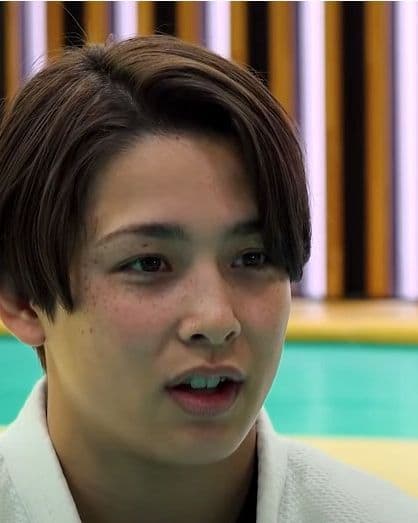
Deguchi threw immediately with de-ashi-barai and later scored again with o-uchi-gari, says the IJF. She went on to win her second world title that day.
Across the arts
In modern competition it is a timing attack during grip fights. The IJF reported Christa Deguchi scoring with it immediately in the 2023 Worlds semi-final, and Odette Giuffrida catching an advancing foot with it in the 2024 world final.
The IJF describes sweeping the stepping foot from the rear, the side or the front. The Kodokan's own example sweeps the foot sideways as it lands.
Danzan-ryu jujutsu has a version in which you step to the opposite side of your partner and sweep their far leg with a pushing and pulling action, powered by the hips.
Russian-language sources call it a bokovaya podsechka, a sweep under the foot that has just been put forward. Sport sambo scores it like any other throw.
Wrestlers sweep a stepping foot from a collar tie. Leg trips are legal in freestyle and illegal in Greco-Roman wrestling.
In Brazilian jiu-jitsu it scores 2 points when you land on top and hold for three seconds (IBJJF). In MMA the ABC foul list does not ban foot sweeps or trips, and judges count takedowns as effective grappling.
History
De-ashi-barai sits in the first group of the Kodokan's Gokyo list, both in the 1895 version and in the 1920 revision to forty throws. The Kodokan describes it as sweeping the foot of an opponent who steps forward, at the moment he loads it. Olympedia tells of an odd finish to the 1964 Olympic lightweight final, where Japan's Takehide Nakatani won after a referee first ignored, then awarded, a de-ashi-barai. Keiji Suzuki won the 2004 heavyweight final with it in 1:17.
In the rules
Drills
Hold a wall for balance. Sweep an imaginary stepping foot with a brushing arc of your sole, keep your hips level, and reset. Twenty reps each side.
Your partner walks slowly forward and back. Touch the side of their ankle with the sole of your foot as it lands, with no sweep. Do ten minutes, both sides, then add a light sweep.
Walk in a circle in a sleeve-and-lapel grip. Every few steps, sweep a stepping foot lightly and stay in control of the sleeve. Two rounds of two minutes.
Legends known for it

We teach it in Throws. A coach will fix the details you can't see yourself. Join now and book your first class for $20, paid online.
Related techniques
Okuri-ashi-barai is the 'sliding foot sweep'. You herd your partner sideways until their feet come together, then sweep both feet in the direction…

Kosoto-gari is the 'minor outer reap'. You drive your partner's weight back onto one heel, then sweep that heel away with the sole of your foot…
 2005–2019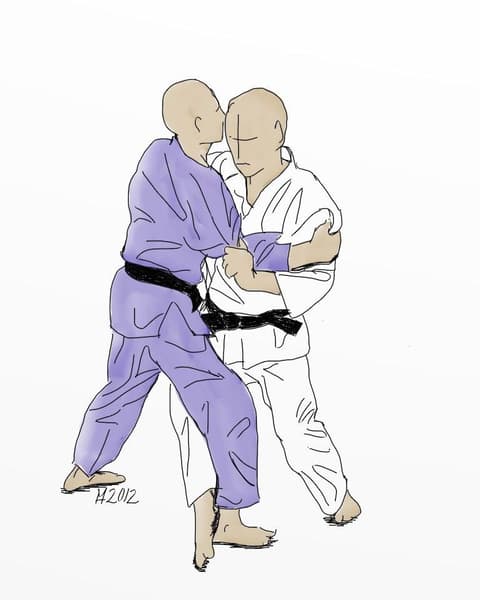
Kouchi-gari is the 'minor inner reap'. You catch your partner's heel from the inside with the sole of your foot and flick it forward just as their…
 1996–2014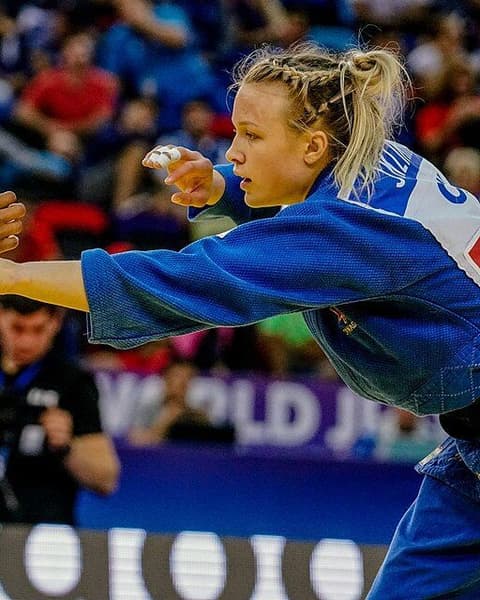
Harai-tsurikomi-ashi is the 'lift-pull foot sweep'. You lift and pull your partner forward onto their toes, then sweep their front ankle backward…

Sasae-tsurikomi-ashi is the 'supporting-foot lift-pull throw'. You pull your partner forward in a circle, block the leg they are stepping onto with…


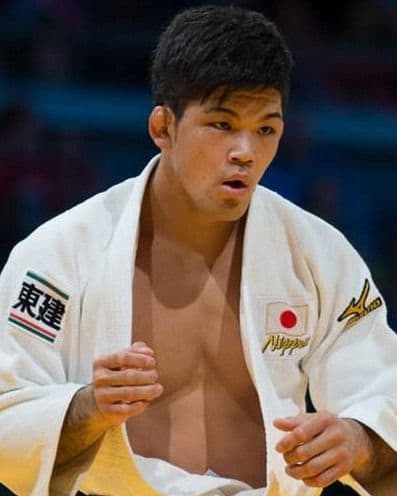
Kuzushi is breaking your partner's balance so they cannot resist your throw. In judo it is the first of three parts of every throw: kuzushi (break…