Also called Double arm cover, Double cover, Dutch guard, Covering up
The high guard brings both gloves up to your forehead and your forearms together in front of your face, so punches land on gloves and arms instead of your head. From it you block hooks with your gloves and forearms, catch straight punches and take body shots on your elbows. It is simple, strong and one of the first defences boxers learn, but it only works if you punch back from it.
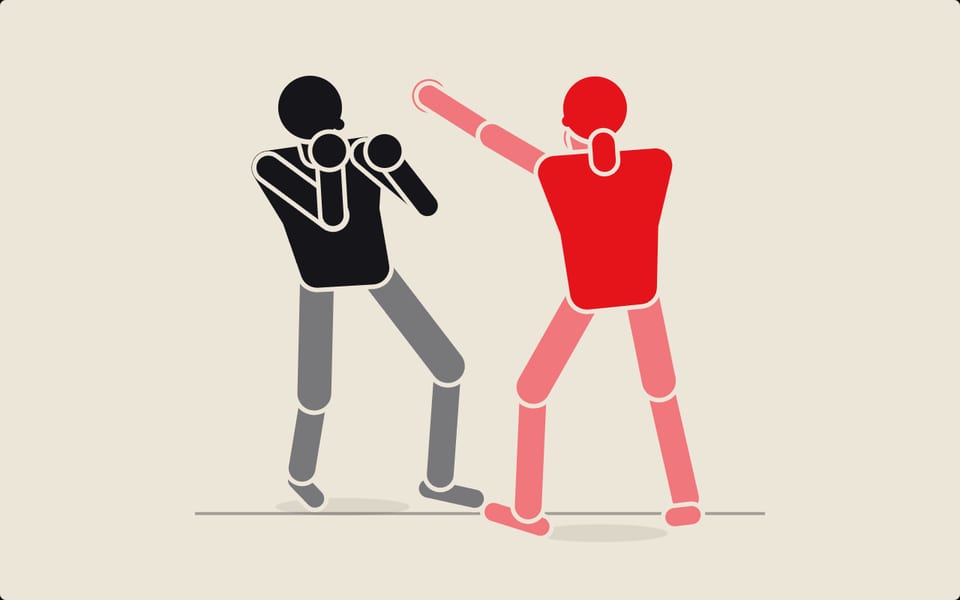
Satori's coaches are filming every technique, full speed and slow motion from two angles. Until it's up, the diagram shows the movement step by step.
How to do it
Start: Your stance at mid or close range, when punches are coming faster than you can slip them.
- 1Raise both gloves to about eyebrow level, just in front of your forehead.
- 2Bring your elbows in and close together to cover your chin and body.
- 3Tuck your chin and raise your shoulders slightly.
- 4Against a hook, lift that side's glove and forearm to your temple, like answering a phone, and turn slightly into it.
- 5Against a straight punch, catch it in the palm of your rear glove in front of your chin, keeping the arm firm.
- 6Against a body shot, drop the elbow on that side and turn slightly to take it on the forearm.
- 7Keep watching your opponent between your gloves.
- 8Punch back as soon as their combination ends, or move.
- Gloves to the eyebrows, elbows to the ribs.
- Firm arms, relaxed shoulders.
- Eyes open between the gloves.
- Block, then answer.
- Covering and never punching back. Fix: answer every combination you block.
- Closing your eyes behind the gloves. Fix: keep a gap to see through and watch the chest.
- Loose arms, so punches knock your gloves into your face. Fix: keep the arms firm at impact.
- Standing still in front of your opponent. Fix: move your feet or pivot once you've covered.
- Letting the elbows flare. Fix: keep them tucked to protect the ribs and liver.
Safety: The high guard reduces damage but doesn't stop it: punches still pass force through your arms. Keep partner work light, wear headgear and a mouthguard in sparring, and don't rely on covering up for long spells.
When to use it
- When you're caught in a flurry and can't slip or move away.
- At close range against hooks and uppercuts.
- While walking forward to close the distance on a longer puncher.
- Walk forward behind the guard to pressure an opponent who likes to punch in bunches.
- Take a punch on the guard to draw your opponent close, then counter.
- Show the high guard to invite a combination, then pull back and counter.
- A counter hook or uppercut from the guard
- A pull counter
- A pivot off the ropes
- Body shots under the raised elbows.
- Uppercuts that split the gloves, and punches around the side to the ear and temple.
- Trapping or pulling down the guard with the hands.
- Go to the body, then back to the head.
- Uppercut through the middle.
- Move to the side so the guard points at empty space, then punch around it.
The physics
The high guard puts gloves and forearms between the punch and your head, so the blow lands on padding, muscle and bone that can spread and absorb it.
A punch delivers a sudden impulse; the guard stretches the time over which that impulse reaches your head and spreads it over a bigger area, which lowers the peak force and how fast your head is accelerated. Keep the elbows in and the forearms firm so the arms don't collapse into your face, and catch straight punches in the rear glove with a little give, the way you'd catch a ball. Tuck the chin and brace the neck, because a braced neck makes the head move with the trunk instead of whipping on its own. A guard is not a wall: a hard punch driven through it still moves your head, and standing still behind it lets the opponent hit you as often as he likes.
- Myth: a tight guard means you can stand still. Blocked punches still push the head and body; the guard works with a braced neck, a tucked chin and feet that keep moving.
Masters and famous moments
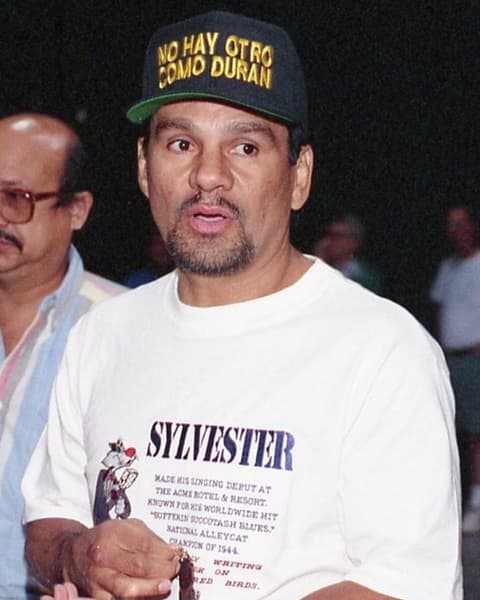
Wright, known for his tight high guard, blocked most of Trinidad's punches while jabbing steadily, and won a lopsided unanimous decision (120–107, 119–108, 119–108).

Pacquiao opened round 6 with a flurry; Mayweather blocked or avoided all of it, but staying covered let Pacquiao land a solid left a beat later. The lesson: cover up, then answer or move.
Across the arts
The lead hand sits a little further out and the rear hand by the chin; it gives better vision and room for parries, but less passive cover than the high guard.
Kickboxing's name for the high guard, from its use by Dutch fighters. It covers the head against kicks and knees but leaves the midsection to be defended actively.
Cus D'Amato's tight guard, with the gloves at the cheeks and constant head movement.
The forearms stacked across the face, used by Archie Moore and by George Foreman in his comeback.
History
The modern classic guards, the high guard among them, took shape after the Queensberry Rules made gloves compulsory, because padded gloves could now take punches for you. Bare-knuckle boxers had held their forearms out in front instead. The high guard became a staple of amateur boxing and, under the name 'Dutch guard', of kickboxing. Winky Wright, a two-time light middleweight world champion, was one of its best-known professional exponents.
In the rules
Drills
A partner throws light three-punch combinations at your guard. Cover each one, then answer with your own two-punch counter. Three rounds.
Hold your high guard for 1-minute spells while shadowboxing footwork, to build shoulder endurance.
In front of a mirror, call out punches (lead hook, rear hook, jab, body) and snap into the right block for each, returning to the guard every time.
Legends known for it


We teach it in Boxing. A coach will fix the details you can't see yourself. Join now and book your first class for $20, paid online.
Related techniques
A parry is a short, sharp tap with the open glove that knocks an incoming straight punch off line, most often the jab. Unlike a block, it doesn't…
Peek-a-boo is the tight, attacking defence taught by trainer Cus D'Amato: gloves held by the cheeks, elbows tucked to the body, and constant…
The rope-a-dope is a tactic, not a single technique: you lean on the ropes behind a tight guard, let a big puncher wear himself out and counter…
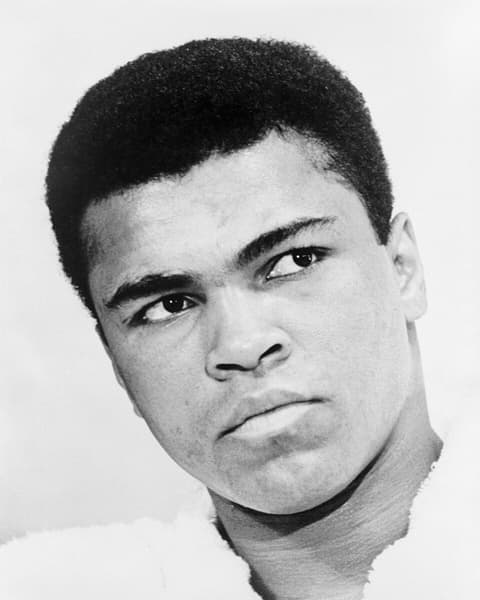

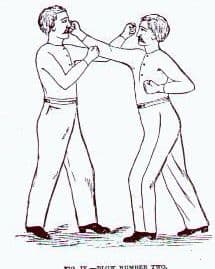
The shoulder roll turns your upper body away from a straight punch so it glances off your raised lead shoulder, then turns you back with a counter.…

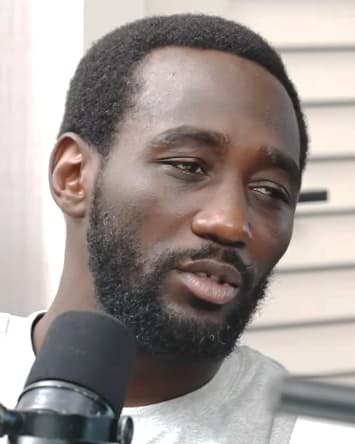
A boxing clinch ties up your opponent's arms at close range so neither of you can punch until the referee breaks it. Boxers use it to stop a…
A slip moves your head just off the line of a straight punch, so it misses by centimetres while you stay in range to hit back. The movement comes…