Also called Switch stance, Switch-hitting, Stance switching, Changing stance
Switching stances means changing from orthodox to southpaw, or back, on purpose during a fight. It changes your angles, puts a different hand in front and gives an opponent who prepared for one stance a new problem. Done well it creates openings; done badly it just swaps your best stance for your worst.
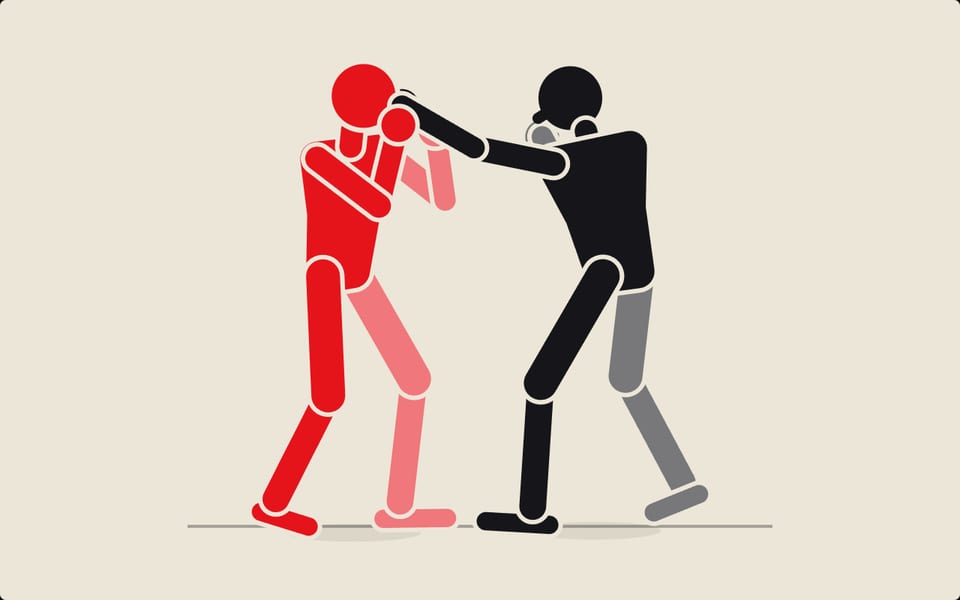
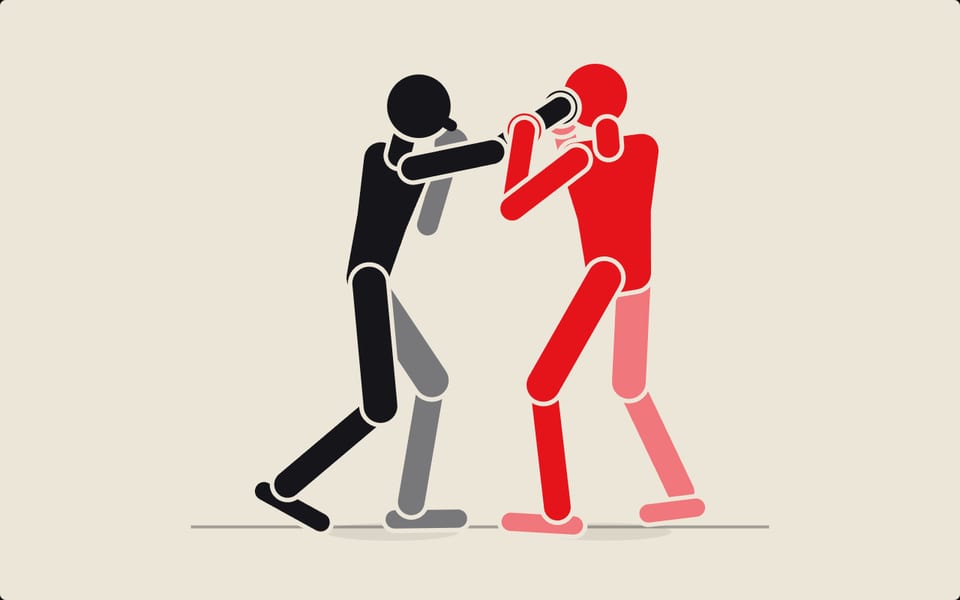
Satori's coaches are filming every technique, full speed and slow motion from two angles. Until it's up, the diagram shows the movement step by step.
How to do it
Start: Your normal stance at medium or long range, with room to move. Before you use it with a partner, you need a working jab, cross, guard and step and slide in your second stance.
- 1Train your jab, cross, guard and footwork in your second stance until they feel natural.
- 2Pick a safe moment to switch: out of range, or as your last punch lands.
- 3Swap your feet with a small hop so both change at once, keeping the same stance width.
- 4Keep your hands up and your chin down while your feet change.
- 5Land balanced, with your new lead foot and lead hand in front.
- 6Attack at once from the new stance, before your opponent adjusts.
- 7If the new stance isn't working, switch back.
- Switch out of range, or behind a punch.
- Same width, new lead.
- Hands stay home while the feet change.
- Know what the new stance gives you before you switch.
- Switching in range with no cover. Fix: switch only out of range or behind a punch.
- A weak second stance, so the switch removes your best weapons. Fix: build the other side on pads and the bag before sparring with it.
- Switching so often you're never set to punch. Fix: switch with a purpose, then stay long enough to use the new angle.
- Feet ending too narrow or crossed after the switch. Fix: drill it slowly in a mirror and check your stance width every time.
Safety: Switching itself is low risk, but a weak second stance gets you hit in sparring. Drill the new side on pads and the bag first, and keep sparring light until your guard and footwork hold up in both stances.
When to use it
- When your opponent has worked out your main stance and you need new angles.
- When one side of their guard is weak, to line up your jab or straight on that side.
- To win the lead-foot position in an open-stance fight.
- Finish a combination with a rear-hand punch and let the rear foot step through into the new stance.
- Feint in your normal stance, then switch while they react.
- Switch as you step back out of range, then come forward from the new side.
- A jab with your new lead hand
- A straight from your new rear hand
- An angle step off their lead foot
- Punching on the switch: a jab or cross timed to the moment your feet change.
- Pressure that never gives you a safe moment to switch.
- Attacking your weaker side once you have switched.
- Watch the feet, not the gloves, so you see the switch start.
- Throw a straight punch as their feet change.
- Keep your own lead foot outside theirs, whichever stance they choose.
The physics
Switching stance swaps which hand and foot lead, and the physics of every punch swaps with them. The lead hand starts close to the target, so it is quick but carries less drive, while the rear hand has a longer path, a bigger push from the rear foot and a fuller hip turn, so it hits harder.
A switch therefore moves your power to the other side and changes the angle between your lead foot and the opponent's, which opens different straight lines to his head and body. The switch itself is a moment of weakness: while the feet change places the base narrows, so do it at a safe distance or inside a step, never standing square in front of him. Practise both stances until your balance and footwork feel the same on either side, or the switch will cost you more than it gains.
- Myth: switching gives you two power hands at once. In either stance only the rear hand gets the full leg drive and hip turn; switching moves your power, it doesn't double it.
Masters and famous moments

Gamboa's speed won the early rounds until Crawford adjusted; he said afterwards that Gamboa kept dropping his left hand, so he went after him with the jab from the southpaw stance. Crawford dropped him in rounds 5 and 8 and twice in round 9.
After a cagey first round, Crawford switched to southpaw in its final seconds and dropped the Montreal-based challenger with a left and a right hook. He stopped him in the tenth.
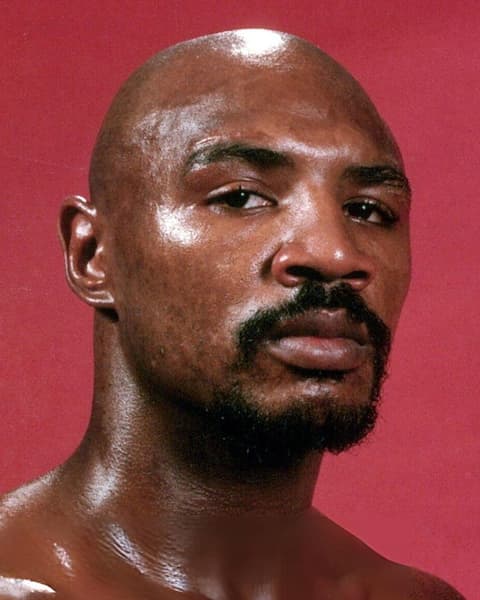
The cautionary one: Hagler, normally a southpaw, opened in the orthodox stance and lost the first two rounds on all three scorecards. He started rounds as a southpaw from the third on, but Leonard won a split decision.
Across the arts
Both feet change at once on a small jump. It is quick and keeps your stance width.
The rear foot steps past the lead to become the new lead, often as part of a rear-hand punch. It covers ground but takes longer.
A quick swap of the feet so the lead leg can kick with more power; Buakaw Banchamek is known for it.
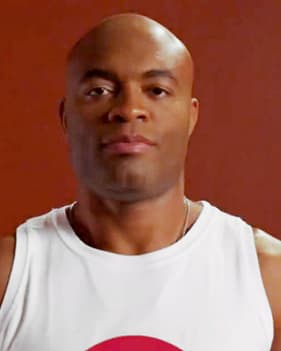
Anderson Silva and Israel Adesanya switched stances to change their striking and kicking angles. Switching also changes which leg faces the opponent's low kicks.
History
Switch-hitting is not new: the list of noted switch-hitters includes Willie Pep, who held the world featherweight title twice between 1942 and 1950. Marvin Hagler fought mostly southpaw but sometimes boxed orthodox, not always with success, as when he opened his 1987 fight with Sugar Ray Leonard in the orthodox stance and lost the first two rounds. Terence Crawford made fluent switch-hitting his trademark and became undisputed champion in more than one weight class. Unless a boxer is naturally ambidextrous, the second stance takes long training.
Drills
In front of a mirror, switch stance on a small hop, freeze, and check your width, hands and chin. Three 2-minute rounds.
Shadowbox and switch stance after every third combination, starting the next combination from the new lead.
Your pad holder calls 'switch'; change stance and throw a jab and a cross from the new side. Speed up only when every landing is clean and balanced.
Legends known for it







We teach it in Boxing. A coach will fix the details you can't see yourself. Join now and book your first class for $20, paid online.
Related techniques
The boxing stance is the ready position every punch, defence and step starts from and returns to. Orthodox boxers lead with the left foot and hand,…


 2002–now
An angle step moves you off your opponent's centre line so you can hit them while their punches point at empty space. It is a short step out to the…



A pivot turns your whole body around your lead foot, like a door on its hinge. The ball of the lead foot stays planted while the rear foot swings…

The jab is a fast, straight punch with your lead hand. It starts closest to the target and needs the least commitment, so it is the most-used punch…

The cross is the straight punch with your rear hand: the right for an orthodox fighter, the left for a southpaw. The rear foot, hips and shoulders…