Also called Fake, Feinting, Shoulder feint, Draw
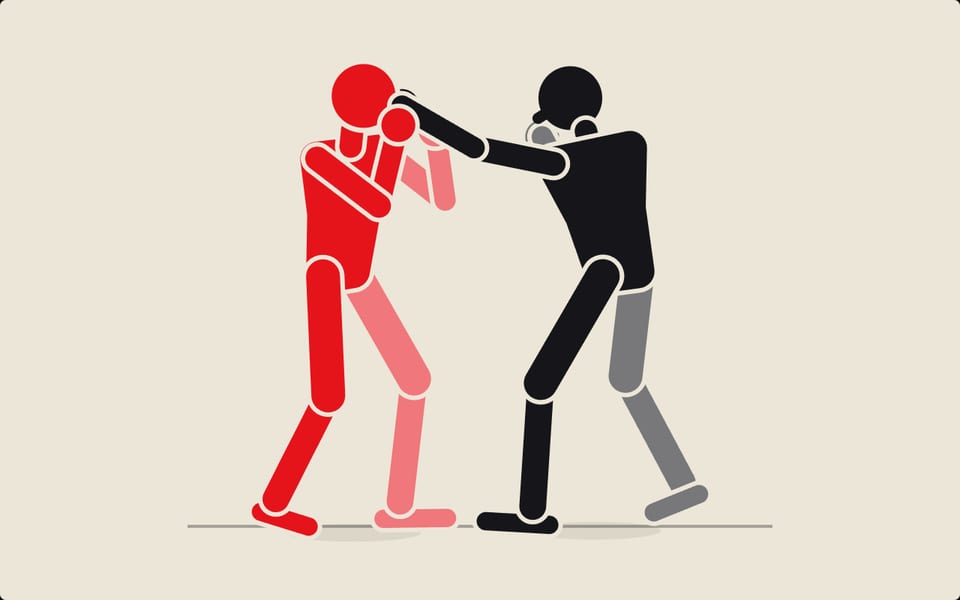
A feint is a threatened punch that you never throw: a twitch of the lead shoulder, a half-jab, a shift of the eyes or a dip of the knees. When the opponent reacts by raising the guard, flinching or countering at nothing, you land the real punch in the gap, or you learn how they defend. Its close cousin is the draw, where you show a false opening so the opponent attacks where you are ready to counter.
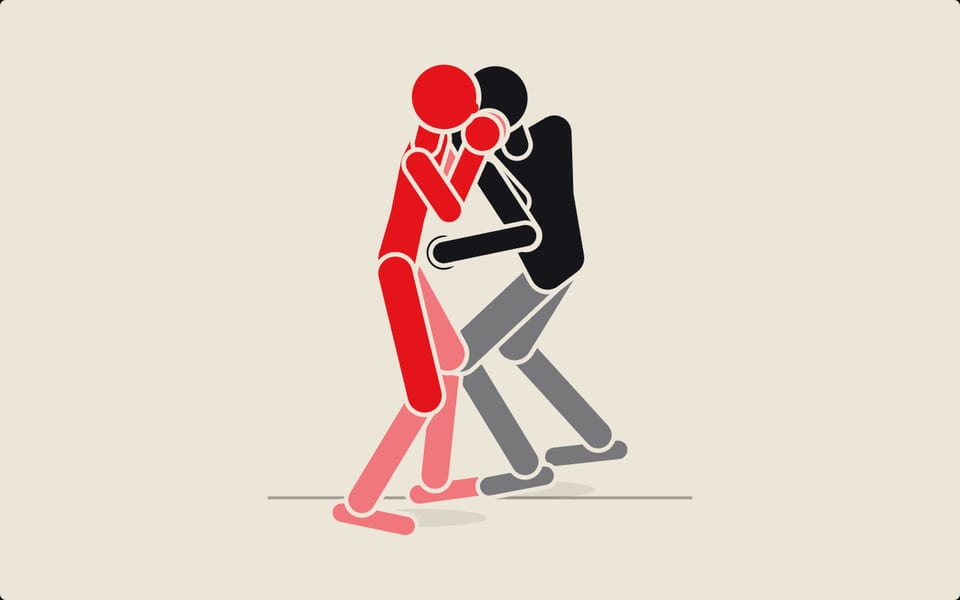
Satori's coaches are filming every technique, full speed and slow motion from two angles. Until it's up, the diagram shows the movement step by step.
How to do it
Start: Your normal stance at the edge of range, balanced so you can attack, defend or move straight after the fake. Watch the opponent's hands, shoulders and feet.
- 1Make the feint look exactly like the start of your real punch: same stance, same first movement.
- 2Keep it small and sharp: a shoulder, a half-extended jab, a knee bend or an eye shift toward the target.
- 3Stay balanced: don't lean in or lift your front foot.
- 4Watch the reaction: guard up, guard down, a step back or a counter.
- 5Throw the real punch into the opening that reaction created, on the very next beat.
- 6Vary it, sometimes feinting and sometimes punching for real, so the opponent can't ignore either.
- Sell it with the shoulder.
- Feint high to hit low; feint low to hit high.
- Small and sharp, then go.
- Every feint has a follow-up.
- Big, slow feints that look nothing like real punches. Fix: feint with the exact first few centimetres of your real punch.
- Feinting with no follow-up. Fix: attach every feint to a real punch, or it stops working.
- Stamping the lead foot or leaning in to feint. Fix: foot feints disturb your balance; use shoulder and hand feints from a stable stance.
- Reaching too far on a body feint. Fix: keep it short so your head stays covered.
- Feinting in a fixed rhythm. Fix: vary the timing.
Safety: Keep reactions natural but punches light; this is a timing drill, not a sparring war.
When to use it
- Against a counterpuncher who waits for you to lead.
- Against a tight guard that stops single punches.
- To find out how the opponent defends (block, parry, slip or counter) before committing.
- To stop an opponent from setting their feet to punch.
- Feint the jab, then jab for real as their parry comes too early.
- Feint to the body and punch to the head, or the reverse.
- Wind up one hand as if to throw a big punch, then land with the other.
- In MMA, feint a level change to bring the hands down, then punch over the top.
- Overhand or cross through the opening
- Body hook when the guard rises
- Jab when they freeze
- Ignoring small feints and punching on the feint itself.
- Countering a feint that brings the feinter into range.
- Constant pressure, so there is no time to feint.
- Keep your guard and your base, and answer with footwork rather than big flinches.
- Watch the chest and hips rather than the hands.
- Punish lazy feints with a jab.
The physics
A feint exploits the delay between what the opponent sees and what he can do about it. Experienced boxers don't wait for the fist; they read early signs such as a dip of the knees, a twitch of the shoulder or a step, and start their defence from those.
A feint shows those signs without the punch, so he commits: the guard moves, the weight shifts or the head leans, and a body already moving one way needs time and force to stop and reverse. Your real attack then lands in the gap he opened, or while he is still recovering. Feints cost little energy and keep you balanced because you never fully extend, but a feint with no follow-up, or one repeated the same way every time, teaches him to ignore it.
- Myth: only big, obvious fakes work. Lab studies of basketball head fakes found that even a head turned the wrong way slowed observers' decisions, because it disturbs how they read the real movement (Kunde, Skirde & Weigelt 2011).
Masters and famous moments

Canelo feinted a jab to the body and Khan parried it with both hands, leaving himself off balance with his guard down; Canelo then feinted another jab and landed an overhand right that knocked him unconscious.
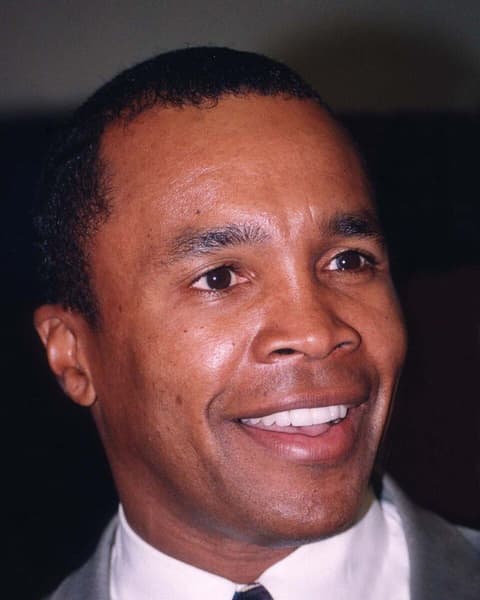
In the seventh round Leonard wound up his right hand as if to throw a bolo punch and, with Durán watching it, snapped a left jab flush into his face. Out-boxed and frustrated, Durán quit near the end of the eighth.
In the third round Márquez went to the body with left hooks, then feinted to the body again and landed a looping right that dropped Pacquiao for the first time in their four fights; he knocked him out in the sixth.
Across the arts
A sharp roll or twitch of the lead or rear shoulder. Jack Dempsey called shoulder feints the safest and best.
A half-jab or the start of a cross that stops short. Keep it short so your head stays covered.
A glance at the body or a quick bend of the knees. Dempsey noted that even a shift of the eyes can make an opponent react.
Instead of faking a punch, fake an opening: carry a hand low to invite the jab, or lift an elbow to invite a body shot, and counter the moment they commit.
A level change as if shooting for a takedown brings the opponent's hands down and opens the way for an overhand or a knee.
History
The word came into English from swordsmanship and fencing, where a feint is a move meant to mislead. Jack Dempsey's 1950 manual defined the feint as a threatened punch that is not delivered and the draw as a faked opening left for the opponent to punch at. He preferred feints to light jabs for making openings, rated shoulder feints the safest and warned against stamping the lead foot. In 1980 Sugar Ray Leonard wound up his right hand as if to throw a bolo punch and snapped a jab into Roberto Durán's face.
In the rules
Drills
In front of a mirror, alternate a real jab with a shoulder feint that starts the same way. If you can tell them apart in the mirror, so can your opponent. Three rounds.
Your partner holds mitts and reacts honestly to your feints. Show a jab feint, see which way they cover, then land on the open mitt. Swap roles every two minutes.
Light touch sparring in which a punch only counts if a feint came before it. It keeps both fighters reading reactions.
Legends known for it


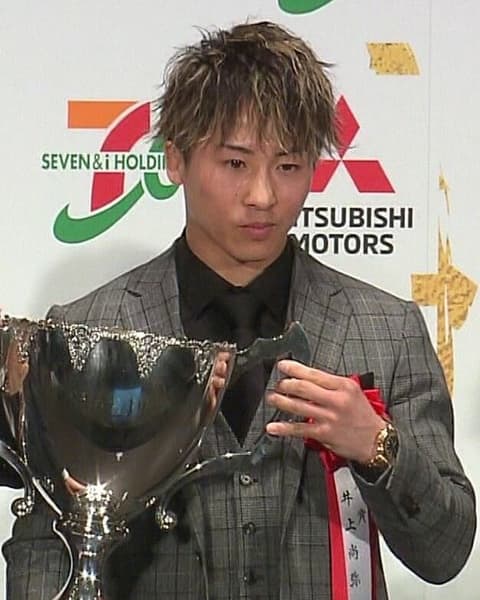

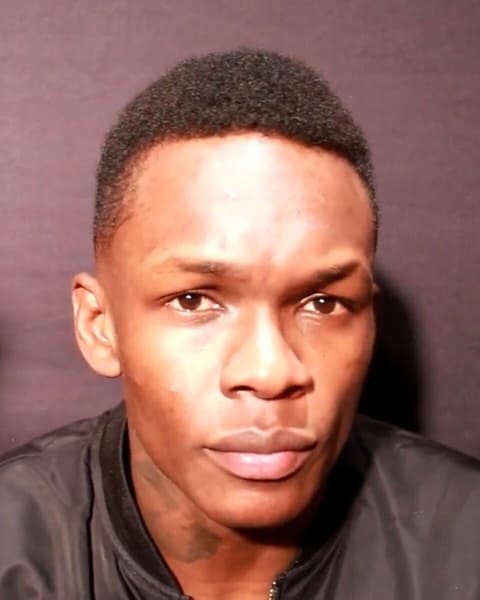




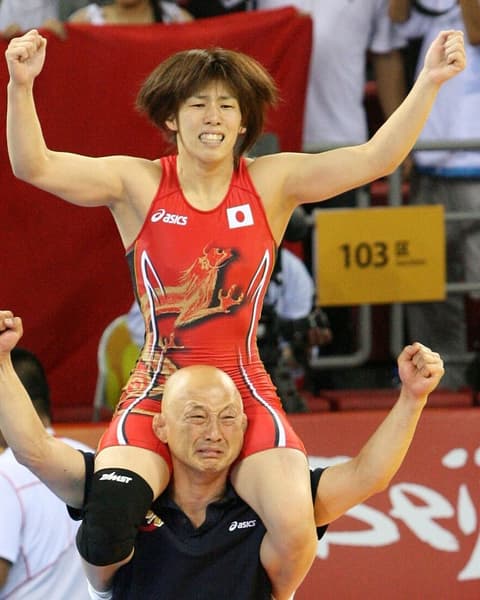
 c. 2014–2023
We teach it in Striking. A coach will fix the details you can't see yourself. Join now and book your first class for $20, paid online.
Related techniques
The jab is a fast, straight punch with your lead hand. It starts closest to the target and needs the least commitment, so it is the most-used punch…


Counterpunching means letting the opponent attack first, making the attack miss or land on your guard, and hitting back into the opening it leaves…
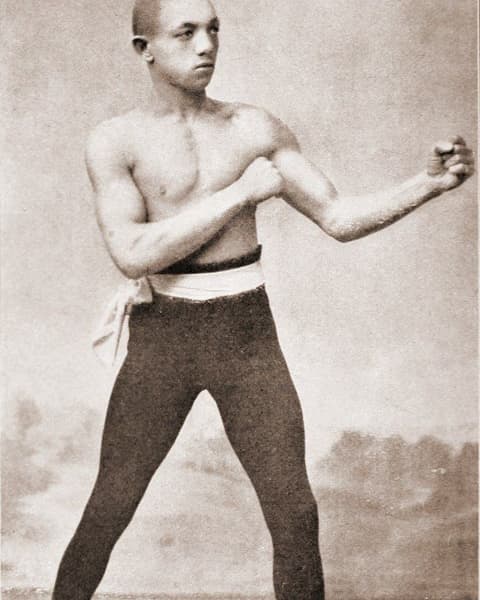
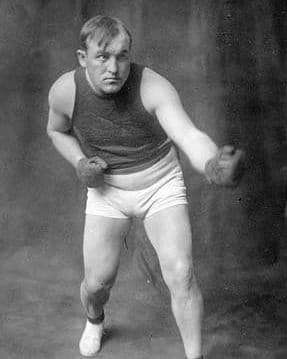
The overhand is a looping rear-hand punch that arcs over the opponent's lead hand or jab and drops onto the head from above. Dropping your body…
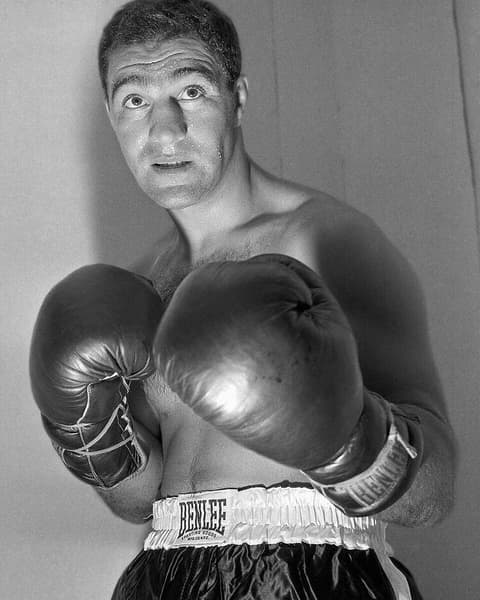
The body hook is a hook driven into the side of the ribcage. The classic version is the lead hook to the liver, which sits under the ribs on the…
A combination is a planned chain of punches in which each one sets up the next: the jab blinds and measures, the cross turns the hips, and that…
The cross-counter is a rear-hand punch thrown the instant the opponent jabs: you slip your head inside the jab and drive a straight right over…