The Greatest Judoka of All Time
Judo, "the gentle way", wins contests by breaking an opponent's balance and throwing them flat on their back, or by pinning, choking or arm-locking them on the mat. This guide gathers the judoka most often named among the greatest, from Yasuhiro Yamashita and Ryoko Tani to Teddy Riner, along with Canada's Olympic champion Christa Deguchi. It also covers how Kanō Jigorō's art became an Olympic sport, how matches are scored today and the milestones since 1882.


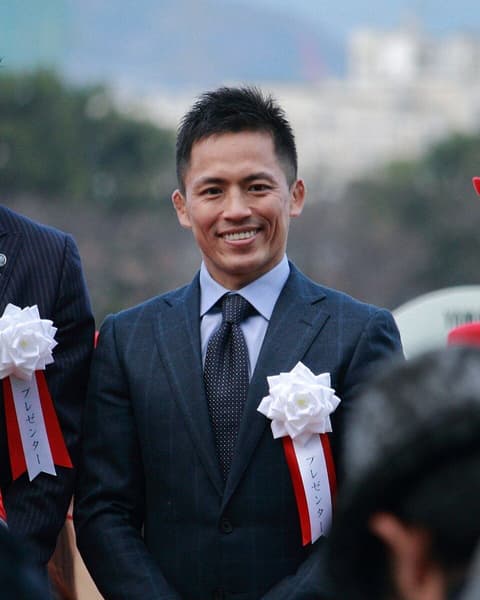
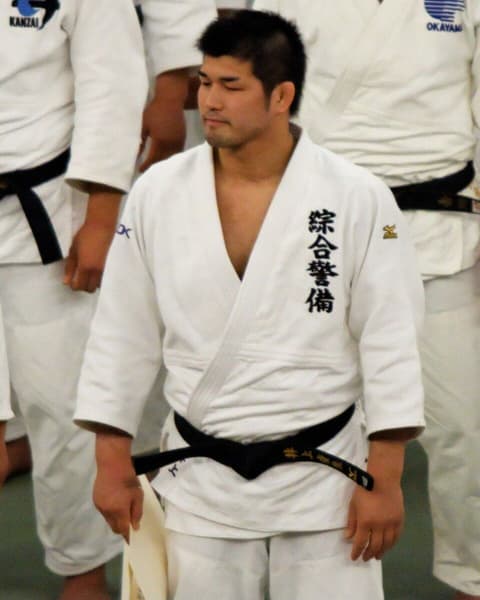
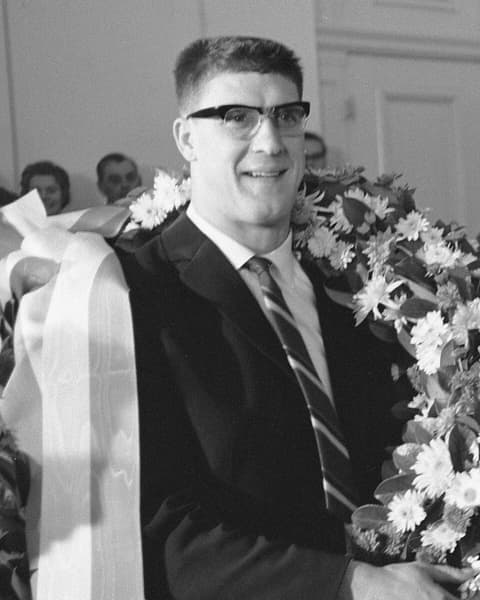
The legends


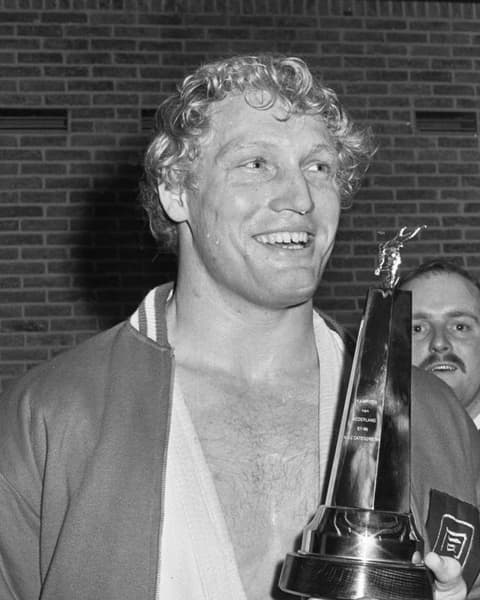

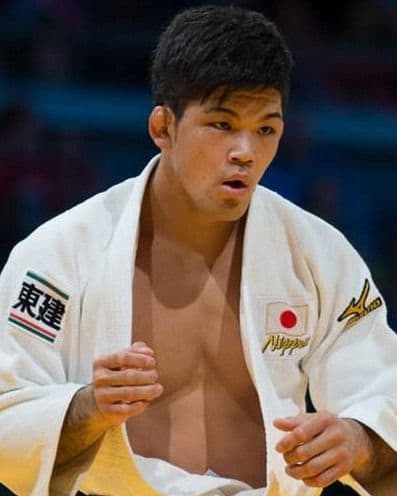
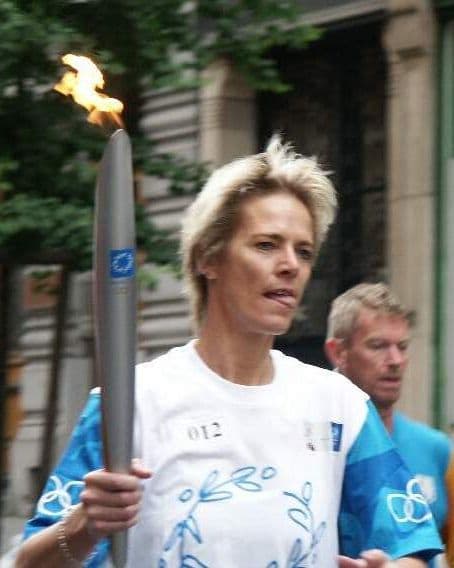






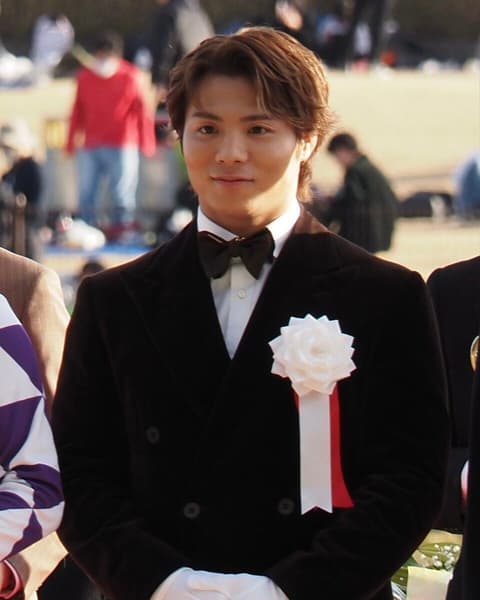
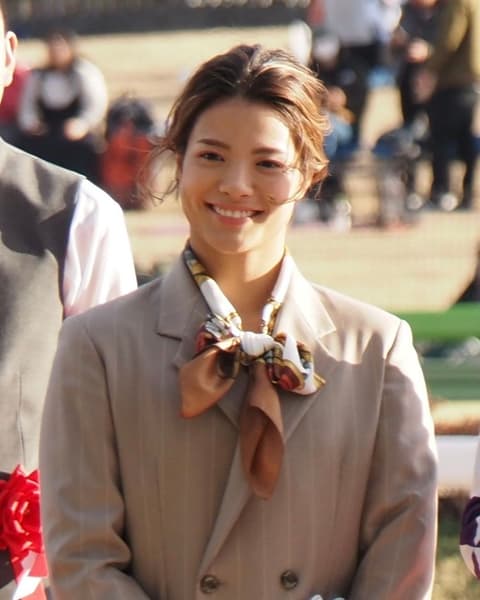




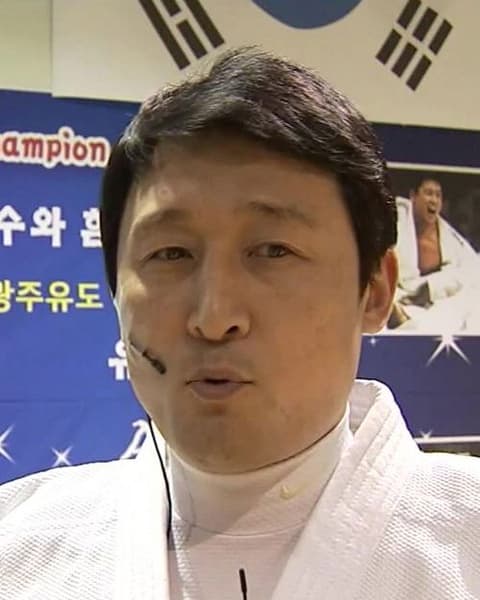

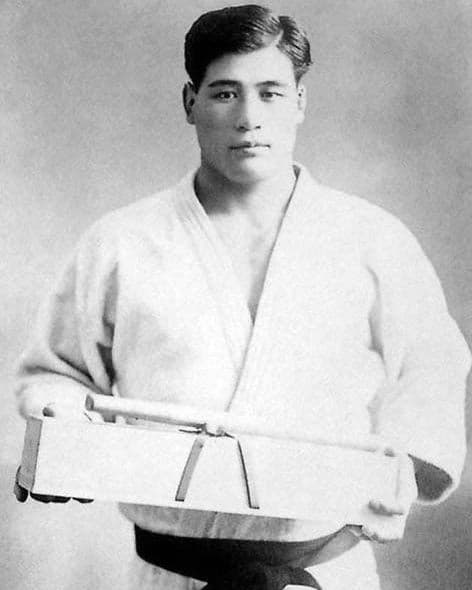
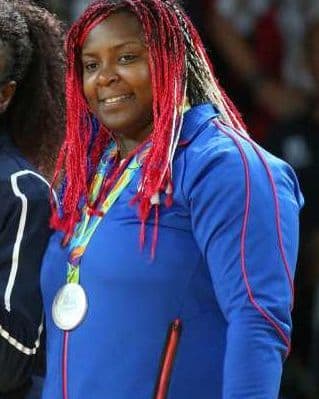

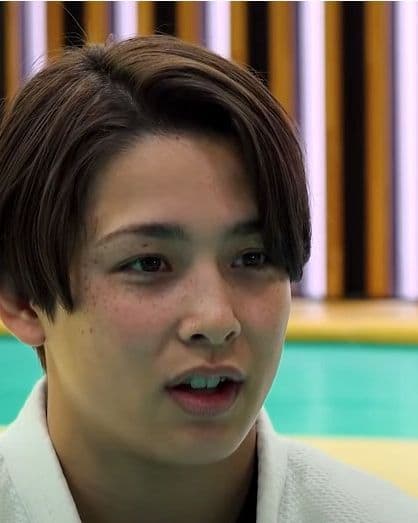


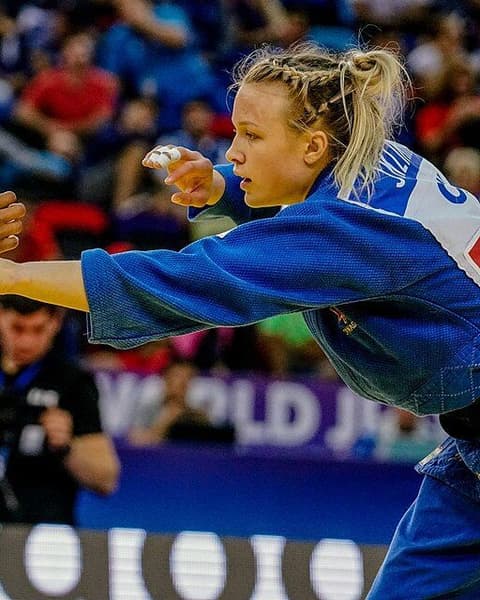
A short history of Judo
Kanō Jigorō, who had been small and bullied as a schoolboy, studied jujutsu and then created his own method, judo, in 1882, opening the Kodokan, "the place where the way is studied". He removed the most dangerous jujutsu techniques, stressed safe falling and free practice, or randori, and summed up his philosophy in two maxims: best use of energy, and mutual welfare and benefit. In 1899 he chaired the committee that drew up the first formal rules for jujutsu contests.
Judo spread through Japanese emigrant communities in countries such as the United States, Brazil and Canada, and through Kanō's own travels. In 1909 he became the first Asian member of the International Olympic Committee, coloured belts were developed in England in the mid-1920s, and the European Judo Union was created in 1932. Judo was chosen as a demonstration sport for the 1940 Tokyo Olympics, which were cancelled because of the Second World War.
The International Judo Federation was founded in London in 1951, and the first World Championships followed in Tokyo in 1956, with no weight categories. Judo joined the Olympics at Tokyo in 1964, where Dutchman Anton Geesink beat Japan's Akio Kaminaga for the open-category gold. Women held their first world championships in 1980, competed as a demonstration event at the 1988 Olympics and became Olympic medallists in 1992.
Recent rule changes have simplified scoring. The IJF removed decisions by the judges (hantei) in 2013, so tied bouts continue in golden score until someone scores or is penalized, and in 2017 it dropped the yuko score, leaving only ippon and waza-ari. A mixed team event joined the Olympic program at the Tokyo 2020 Games, and in 2024 Christa Deguchi became the first Canadian to win Olympic gold in judo.
- An ippon wins at once: a controlled throw flat onto the back, a 20-second pin or a submission.
- A lesser throw scores waza-ari, and two waza-ari add up to ippon.
- Pins held for more than 10 but less than 20 seconds score waza-ari.
- Submissions come from strangles and elbow locks; strikes are not allowed in competition.
- Tied bouts go to golden score with no time limit: the first score, or a penalty, decides.
- Three shido penalties lose the match (hansoku-make); a serious foul can mean immediate disqualification.
Milestones
- 1882Kanō Jigorō creates judo and opens the Kodokan
- 1909Kanō Jigorō becomes the first Asian member of the International Olympic Committee
- 1951The International Judo Federation is founded in London on 11 July
- 1956The first World Judo Championships are held in Tokyo, with no weight categories
- 1964Judo debuts at the Tokyo Olympics; Anton Geesink wins the open category
- 1980The first women's World Judo Championships are held in New York
- 1992Women's judo becomes a full Olympic medal sport at the Barcelona Games
- 2013The IJF scraps judges' decisions; golden score continues until someone scores
- 2017The IJF drops the yuko score, leaving only ippon and waza-ari
- 2024Christa Deguchi wins at 57 kg in Paris, Canada's first Olympic judo gold
Techniques to steal
Uchi-mata is judo's inner thigh throw. You open your partner's feet, break their balance forward, turn in and swing…
TakedownHarai-goshi is judo's sweeping hip throw. You pull your partner onto their toes, turn in with your hip against theirs…
TakedownOsoto-gari is the 'major outer reap'. You break your partner's balance back onto one heel, step deep beside that leg…
TakedownOuchi-gari is the 'major inner reap'. You step in chest to chest, hook your leg around the inside of one of your…
TakedownKouchi-gari is the 'minor inner reap'. You catch your partner's heel from the inside with the sole of your foot and…
TakedownSeoi-nage is judo's shoulder throw. You turn your back into your partner, tuck an arm under theirs, load them onto…
TakedownO-goshi is judo's major hip throw. You turn in with your hips lower than your partner's, wrap an arm around their…
TakedownSode-tsurikomi-goshi is a hip throw from sleeve grips. You stretch one of your partner's arms up and forward by the…
GroundThe mount is the top position where you sit astride your partner's torso with a knee on each side. In judo it becomes…
GroundSide control pins your partner flat on their back from the side. You lie across them chest to chest, one arm under…
GroundThe armbar traps your partner's arm between your thighs, holds their wrist against your chest and lifts your hips so…
GroundThe rear naked choke is a strangle applied from behind. One arm wraps the neck with the crook of the elbow under the…
Questions people ask
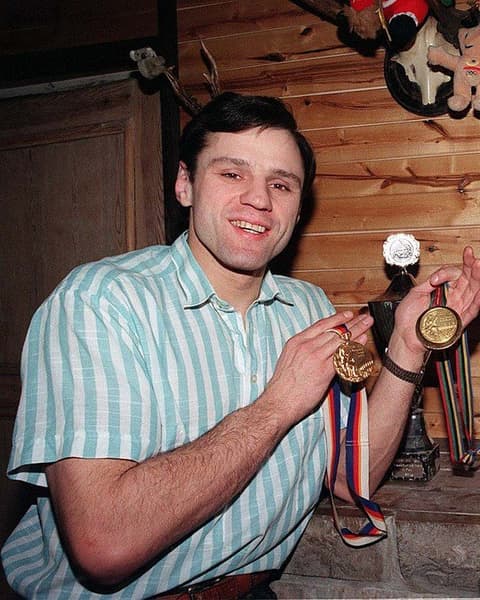
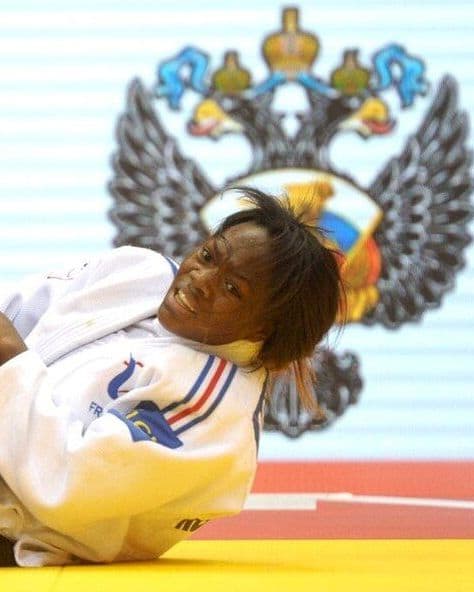
The usual shortlist spans several eras. Yasuhiro Yamashita won 203 straight contests and the 1984 Olympic open-category gold. Teddy Riner has won three individual Olympic golds and 11 individual world titles. Tadahiro Nomura won three straight Olympic golds at 60 kg from 1996 to 2004, and Ryoko Tani won seven world titles and five Olympic medals, two of them gold.
Judo was first seen as a self-defence system, and its skills still carry over: breaking an opponent's balance, throwing and controlling them and, just as useful, falling safely. Randori, or free practice against a resisting partner, teaches you to apply technique under pressure. Competition judo bans strikes, so it works best alongside awareness and some striking defence.
Yes. Judo made its Olympic debut at Tokyo in 1964 and has been on the program at every Games since except 1968. Women's judo was a demonstration event in 1988 and became a full medal sport at Barcelona in 1992. A mixed team event was added at the Tokyo 2020 Games, and in 2024 Christa Deguchi won Canada's first Olympic judo gold.
BJJ grew out of the judo Mitsuyo Maeda taught in Brazil, but the two now reward different skills. In judo a clean throw or a 20-second pin wins outright, so contests are fought mostly on the feet, and only elbow locks and strangles are allowed as submissions. BJJ gives its top points for dominant ground positions and is built around the guard.
Belts show a judoka's level. Under the widely used system, beginners progress from white through yellow, orange, green, blue and brown, then pass a special examination for black belt, or first dan; dan grades run up to 10th. The coloured belt system was developed in England in the mid-1920s and spread through the Kawaishi method in France.
More disciplines
Greco-Roman, freestyle and judo throws from the clinch. Join now and book your first class for $20, paid online. A coach calls you within a day to answer questions.