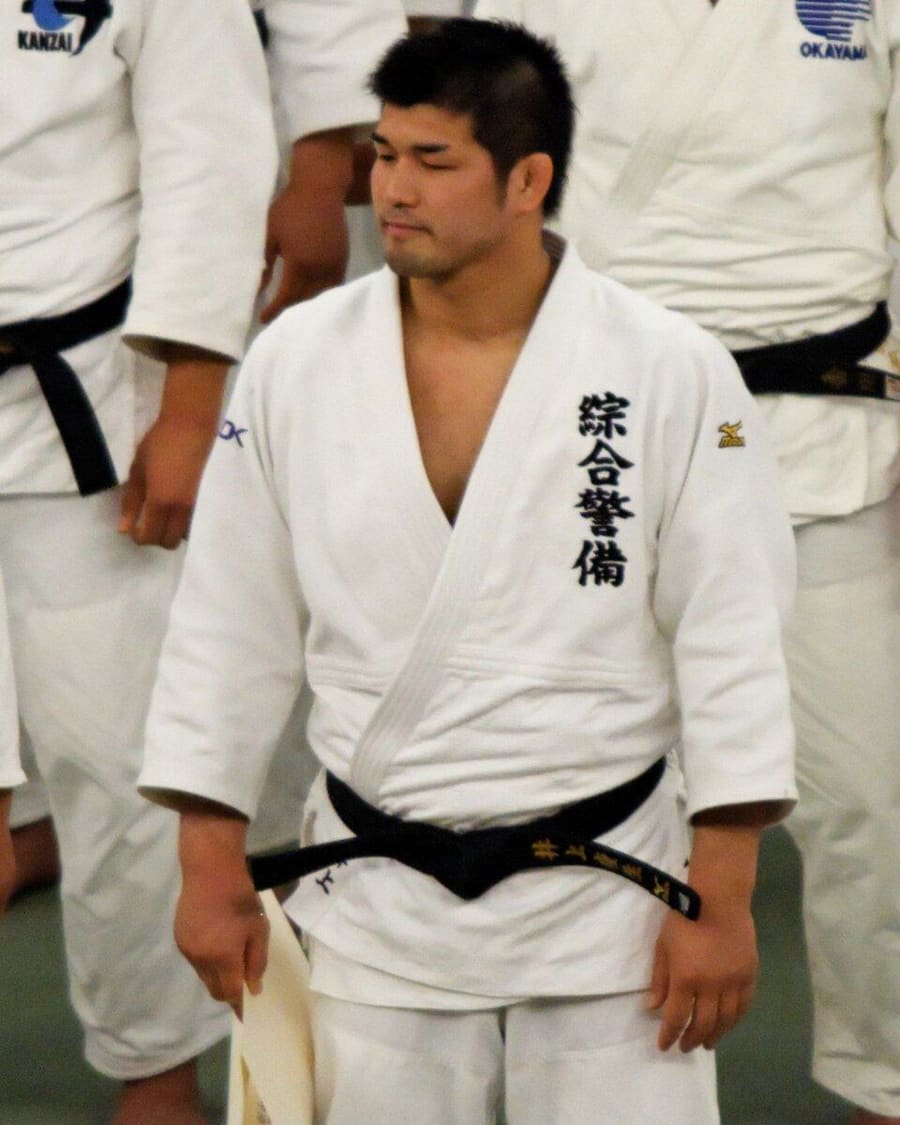
Kosei Inoue
Won Olympic gold with ippon in every match
- Born
- May 15, 1978, Miyakonojō, Miyazaki, Japan
- Nationality
 Japan
Japan- Height
- 183 cm (6′0″)
- Style
- Uchi mata specialist
- Weight
- 100 kg, +100 kg, Open
- Active
- 1995–2008
- Status
- Retired · age 48
The medals
2000 Olympic gold, 3 world titles
The story
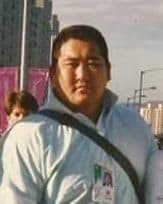
osei Inoue produced one of the cleanest Olympic runs in judo history: at Sydney 2000 he won every bout in the 100 kg class by ippon, beating Canada's Nicolas Gill in the final and carrying a photo of his late mother onto the podium. Built around a fast uchi mata, often set up with ouchi gari, he won world titles in 1999, 2001 and 2003 and the open-weight All-Japan Championships three years running. Favoured again in Athens, he was upset by Elco van der Geest's drop seoi nage. Shoulder trouble and a move up to heavyweight followed, and he retired after losing at the 2008 All-Japan. After a spell in Britain that included a year teaching at London's Budokwai, he led Japan's national team as head coach from 2012 to 2021.
Tap a technique with an arrow to learn how it works.
- Olympic champion, 100 kg (2000)
- World champion, 100 kg (1999, 2001, 2003)
- All-Japan champion (2001, 2002, 2003)
- Asian Games champion (1998 100 kg, 2002 open)
- IJF Hall of Fame (2013)
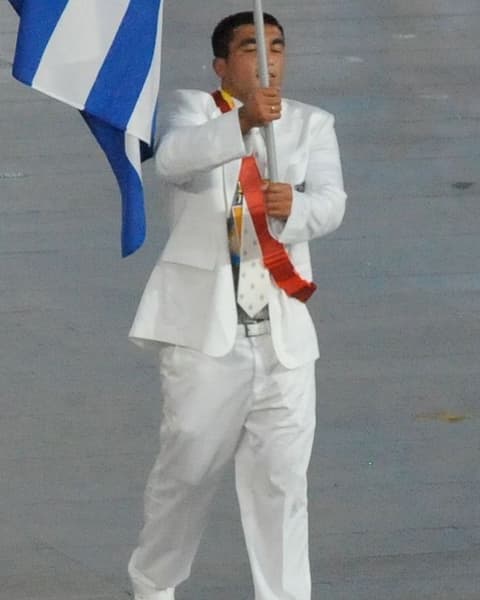
- Japan's flag bearer, Sydney 2000 opening ceremony
Defining matches
- 2000WINvs Nicolas Gill (Sydney Olympic 100 kg final; every win of the event by ippon)
- 2004LOSSvs Elco van der Geest (Athens Olympic quarter-final, drop seoi nage)
- 2007LOSSvs Teddy Riner (World Championships +100 kg semi-final)
- 2008LOSSvs Yohei Takai (All-Japan Championships; retired afterwards)
Inoue's uchi mata came off an ouchi gari threat: reap inside so the opponent steps their leg back and wide, then load them onto your hip as they recover. Drill the two as one combination until the switch takes no time.