The Greatest Karate and Taekwondo Fighters of All Time
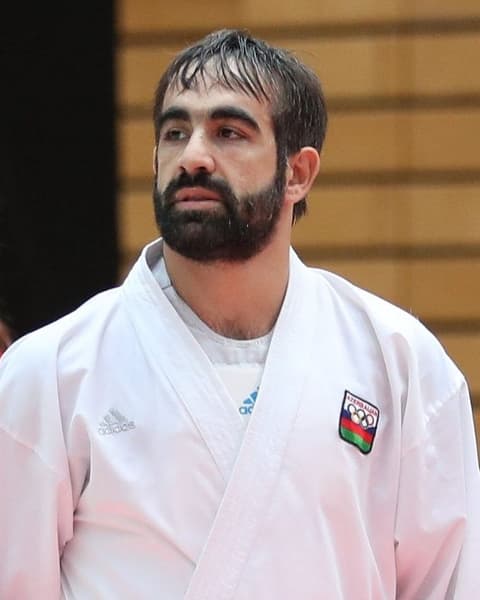
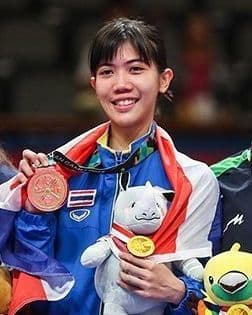
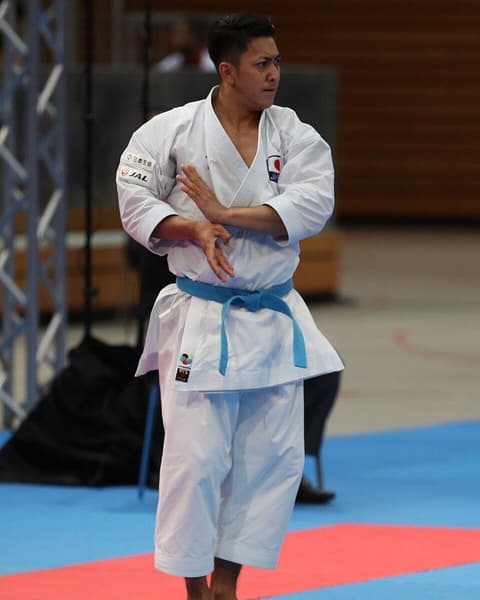
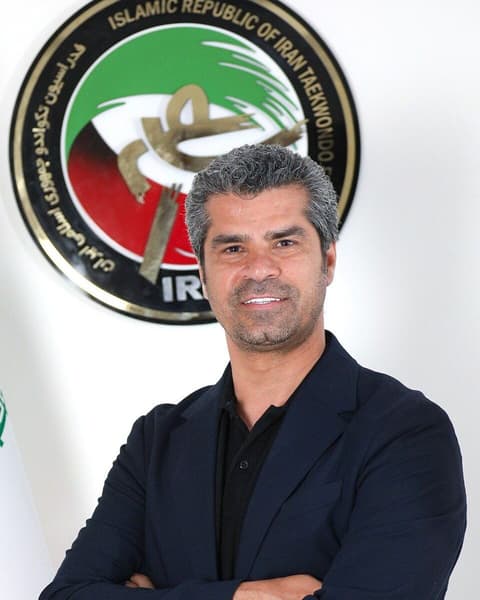
Karate and taekwondo are the great kicking and striking arts of East Asia: karate from Okinawa, taekwondo from Korea. This guide profiles the fighters most often named among the best in both, from karate world champions Rafael Aghayev and Ryo Kiyuna to double Olympic taekwondo champions Hadi Saei and Panipak Wongpattanakit. It also explains how each art grew from local schools into an international sport, how modern bouts are scored and the milestones from the 1920s to the Tokyo Olympics.
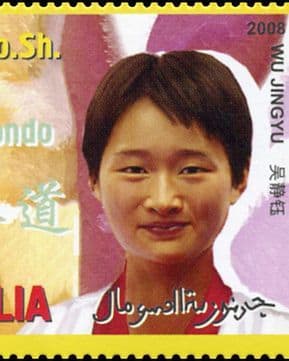
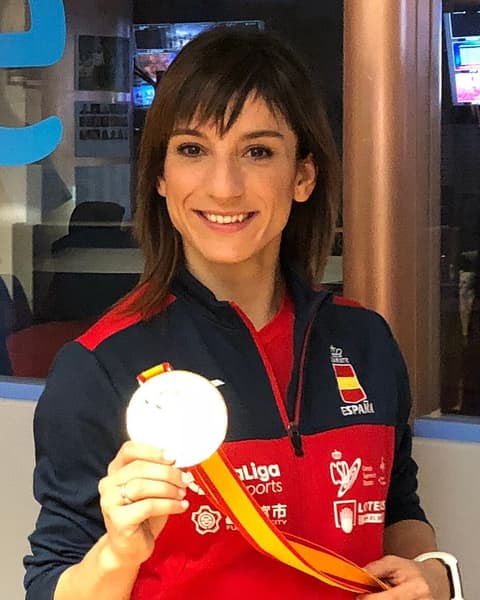
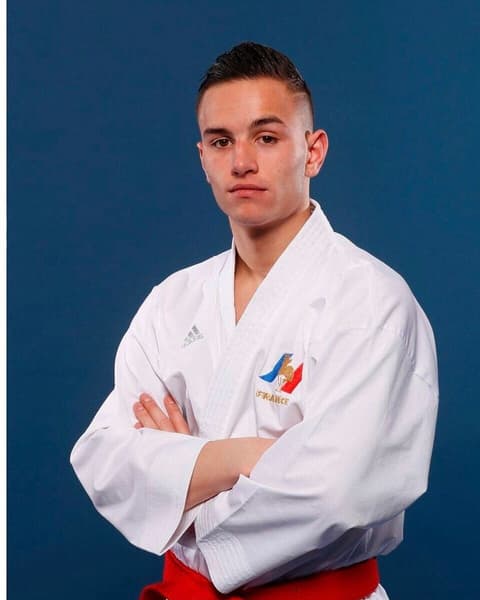
The legends


 2002–2016




 1966–1983



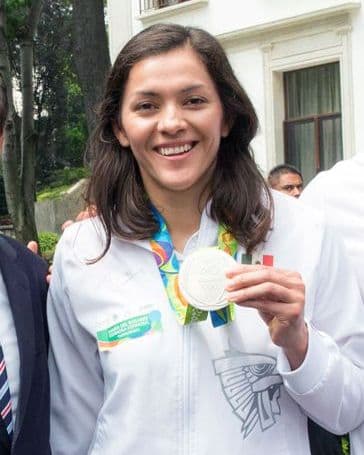

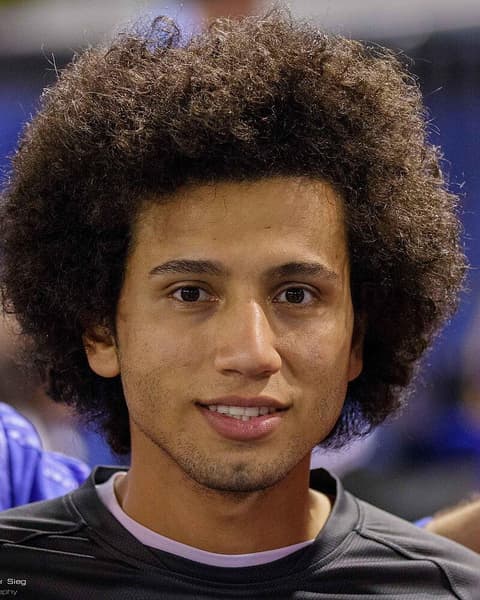

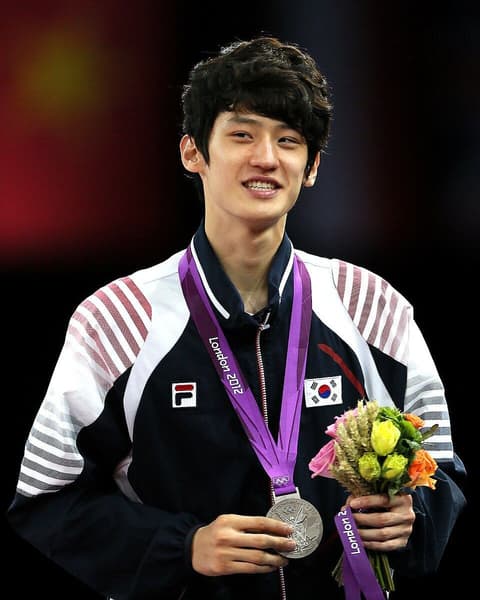
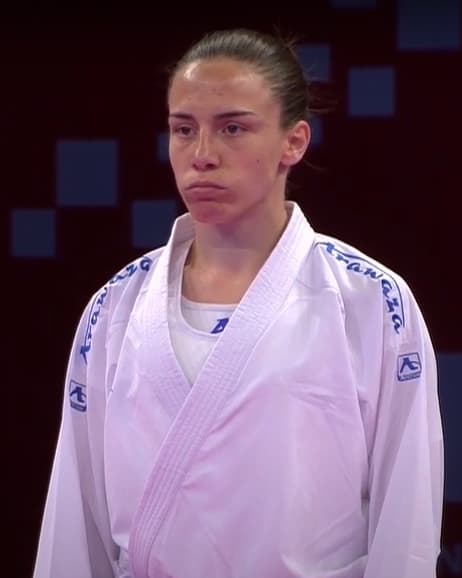
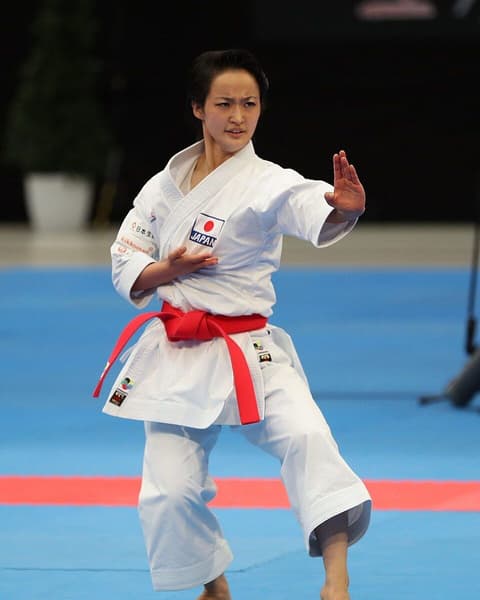
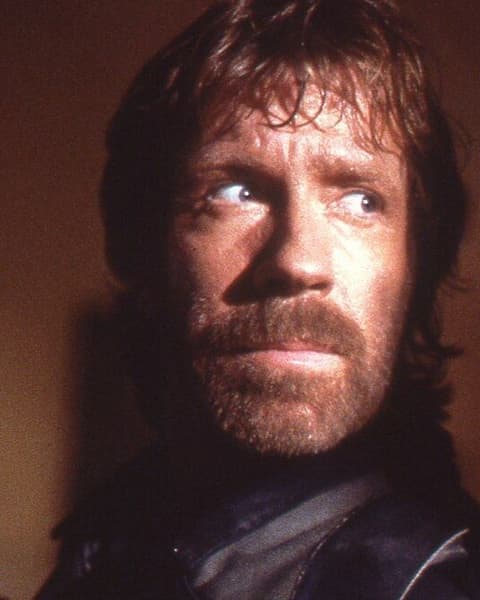
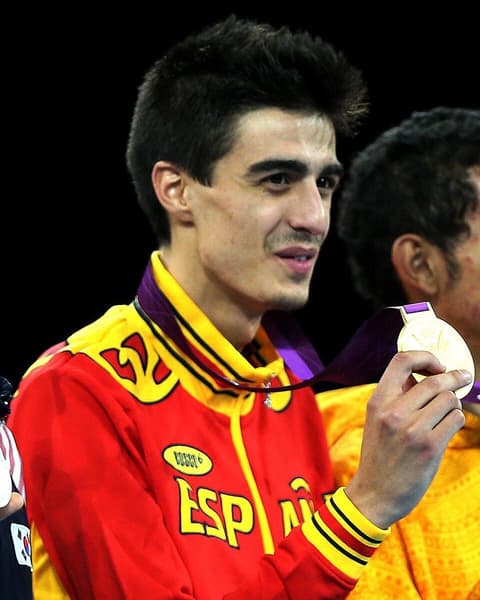
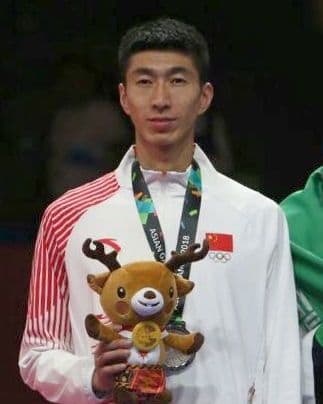
 2014–now
A short history of Karate & Taekwondo
Karate developed in the Ryukyu Kingdom, today's Okinawa, from local fighting methods shaped by Chinese martial arts. It was taught in Okinawan schools from 1905, and in 1922 Gichin Funakoshi, the founder of Shotokan, introduced it to mainland Japan, borrowing judo's training uniform, coloured belts and ranks. At a meeting in Naha on 25 October 1936, Okinawan masters formally adopted the name karate in the sense of "empty hand".
Sport karate then divided along rule sets. Mas Oyama founded Kyokushin in 1964 around full-contact knockdown fighting, while the World Union of Karate-do Organizations, today's World Karate Federation, was formed in 1970 and held the first world championships in Tokyo that year. Women joined the world championships in 1980, and in 1999 the IOC recognized the WKF as karate's governing body. Karate made its Olympic debut at the Tokyo 2020 Games, held at the Nippon Budokan in August 2021, but it was left off the 2024 and 2028 programs.
Taekwondo emerged in Korea after 1945, when new schools called kwans opened in Seoul, led by teachers with backgrounds in Japanese and Chinese martial arts; karate was the main influence. Army officer Choi Hong-hi founded the International Taekwon-Do Federation in 1966; after South Korea withdrew its support in 1972, the ITF was headquartered in Toronto. South Korea established the Kukkiwon as its national academy in 1972, and the World Taekwondo Federation was founded there in 1973, holding its first world championships in Seoul that year.
Olympic-style taekwondo was a demonstration sport at Seoul in 1988 and Barcelona in 1992 and became a full medal sport at Sydney in 2000. The federation renamed itself World Taekwondo in 2017, and major tournaments now score kicks with electronic body protectors, head guards and foot sensors, awarding extra points for kicks to the head and spinning techniques.
- WKF karate: punches score one point, body kicks two, and head kicks or techniques on a downed opponent three.
- A WKF bout ends at an eight-point lead or after three minutes; a tie goes to the first scorer, otherwise the judges decide.
- Kyokushin knockdown karate is full contact but bans punches and elbow strikes to the head and neck.
- World Taekwondo bouts are three two-minute rounds, with electronic sensors registering kicks to the trunk protector and headgear.
- Taekwondo awards extra points for head kicks and spinning kicks; punches to the head are illegal.
- Each taekwondo penalty (gam-jeom) gives the opponent a point, and 10 penalties mean defeat.
Milestones
- 1922Gichin Funakoshi introduces Okinawan karate to mainland Japan
- 1936Okinawan masters meeting in Naha formally adopt the name karate, "empty hand"
- 1964Mas Oyama founds the Kyokushin organization, home of full-contact knockdown karate
- 1966Choi Hong-hi founds the International Taekwon-Do Federation
- 1970The first Karate World Championships are held in Tokyo
- 1973The first World Taekwondo Championships are held at the Kukkiwon in Seoul
- 1988Taekwondo is a demonstration sport at the Seoul Olympics
- 2000Taekwondo becomes a full Olympic medal sport at the Sydney Games
- 2021Karate makes its Olympic debut at the Nippon Budokan during the Tokyo 2020 Games
Techniques to steal
The jab is a fast, straight punch with your lead hand. It starts closest to the target and needs the least…
RangeThe cross is the straight punch with your rear hand: the right for an orthodox fighter, the left for a southpaw. The…
RangeThe roundhouse kick swings the leg in an arc into the opponent's side, powered by turning the standing foot and the…
RangeThe head kick is a roundhouse kick aimed at the neck or jaw, usually with the rear leg. It needs hip flexibility and…
RangeThe front kick lifts the knee, then snaps the leg straight out to strike with the ball of the foot or the heel. Where…
RangeThe side kick thrusts the leg out sideways and strikes with the heel or outer edge of the foot. With the hips turned…
RangeThe spinning back kick turns your back to the opponent and drives the heel straight back into their body. The…
RangeThe hook kick extends the leg just past the side of the opponent's head, then snaps the heel back into it from an…
RangeThe axe kick lifts a nearly straight leg high above the opponent's guard, then drives the heel straight down onto the…
RangeThe boxing stance is the ready position every punch, defence and step starts from and returns to. Orthodox boxers…
RangeSwitching stances means changing from orthodox to southpaw, or back, on purpose during a fight. It changes your…
RangeA feint is a threatened punch that you never throw: a twitch of the lead shoulder, a half-jab, a shift of the eyes or…
Questions people ask
It depends on the rule set, but a few names stand out. In karate, Azerbaijan's Rafael Aghayev won five world kumite titles, and Japan's Ryo Kiyuna won four world kata titles and Olympic gold at the Tokyo 2020 Games. In taekwondo, Iran's Hadi Saei won Olympic gold in 2004 and 2008 plus bronze in 2000, and Thailand's Panipak Wongpattanakit won gold at Tokyo 2020 and Paris 2024.
Karate comes from Okinawa and is mainly a striking art of punches and kicks, taught in many styles with both point-fighting and full-contact competition. Taekwondo comes from Korea and is known for head-height, jumping and spinning kicks, which Olympic scoring rewards with extra points. Both practise set patterns: kata in karate, and poomsae or tul in taekwondo.
Taekwondo has been a full Olympic sport since Sydney 2000, after demonstration appearances in 1988 and 1992. Karate has appeared only once, at the Tokyo 2020 Games held in 2021, with kata and kumite events; it was not included at Paris 2024 and is not on the Los Angeles 2028 program. Karate remains part of the World Games.
Karate began in Okinawa as a system of unarmed combat, and training builds distance control, fast punches and kicks and the habit of staying composed. How well it transfers depends on the school: full-contact styles such as Kyokushin include hard sparring, while point-fighting clubs focus on speed and control. Adding some grappling helps fill the gaps.
Kyokushin is a full-contact style founded by Masutatsu "Mas" Oyama, whose organization was established in 1964. Its knockdown rules allow full-power kicks, knees and body punches but ban hand and elbow strikes to the head, and the aim is to put an opponent down. Its hardest test is the 100-man kumite, 100 consecutive rounds against fresh opponents, completed by only a few fighters, including Oyama himself and Brazil's Francisco Filho.
More disciplines
Karate and Taekwondo: blitz entries, long-range kicking, timing. Join now and book your first class for $20, paid online. A coach calls you within a day to answer questions.