The Greatest Kickboxers of All Time
Kickboxing blends boxing's hands with the kicks of karate and Muay Thai, and its best fighters combined heavy punching with sharp kicking and ring craft. This guide profiles the kickboxers most often named among the greatest, from K-1 Grand Prix champions Ernesto Hoost, Peter Aerts and Semmy Schilt to Giorgio Petrosyan and Canada's Jean-Yves Thériault. It also explains where the sport came from, how its main rule sets differ and the dates that shaped it.
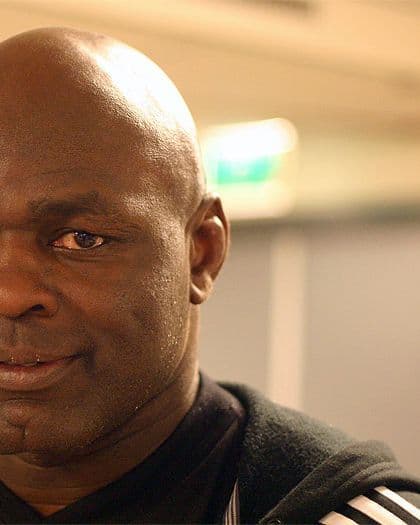
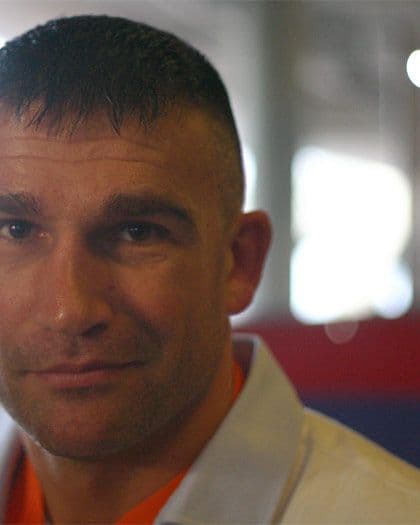
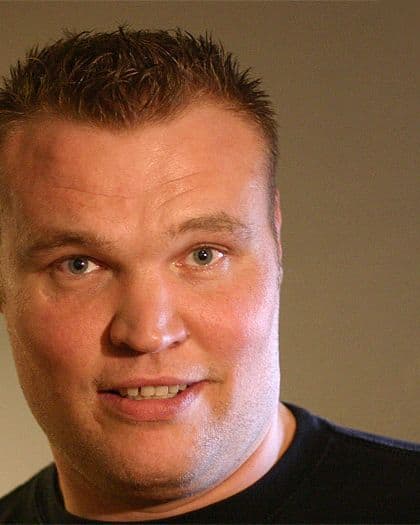
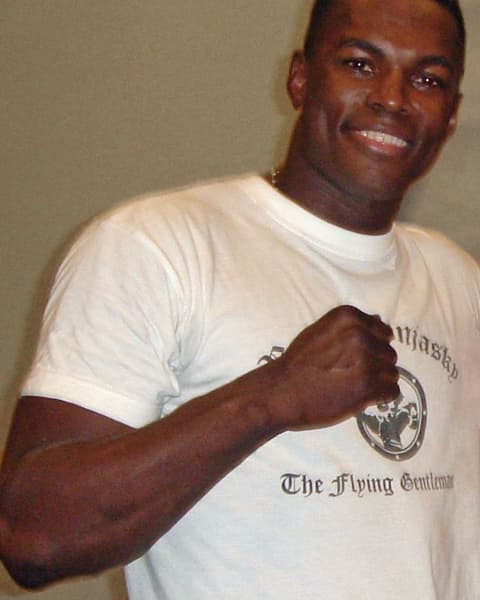
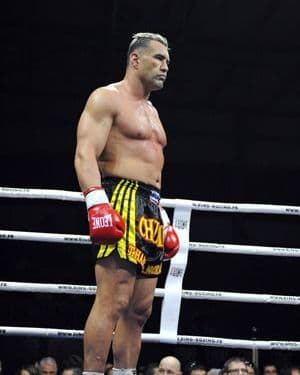
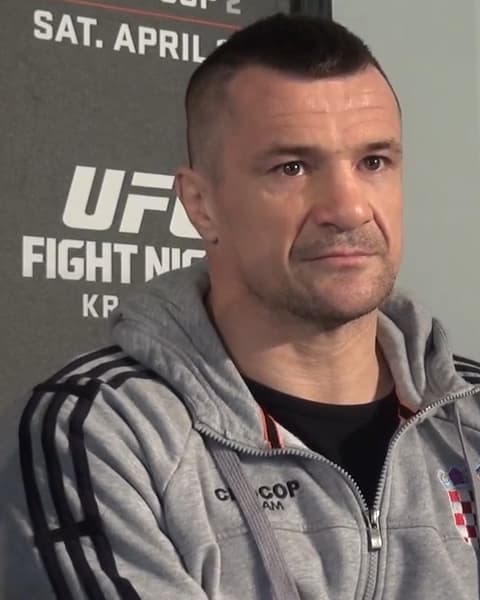
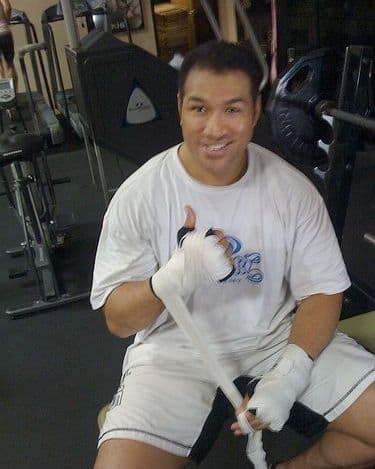
The legends

 1977–2000


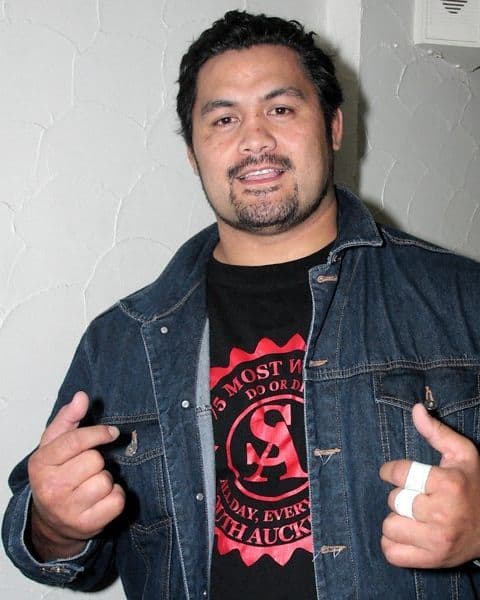
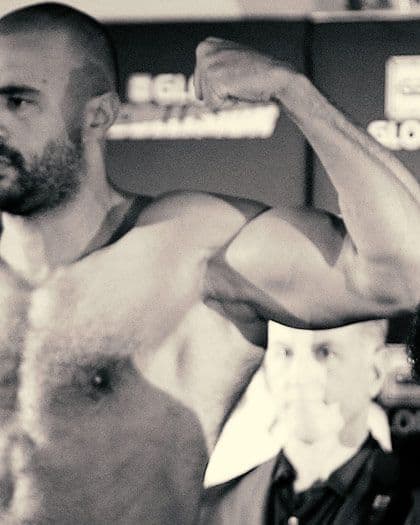

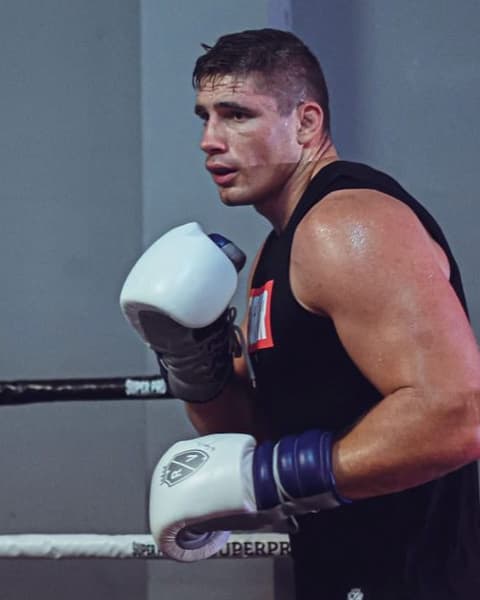

 1997–2009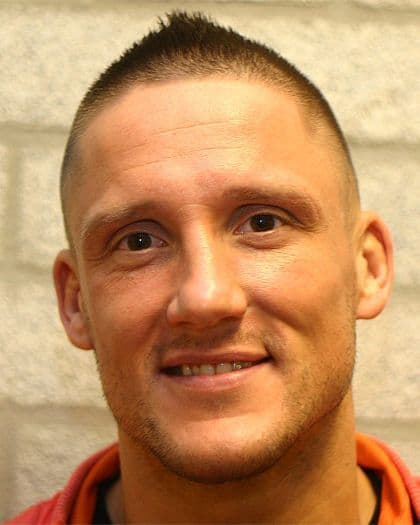


 2005–now
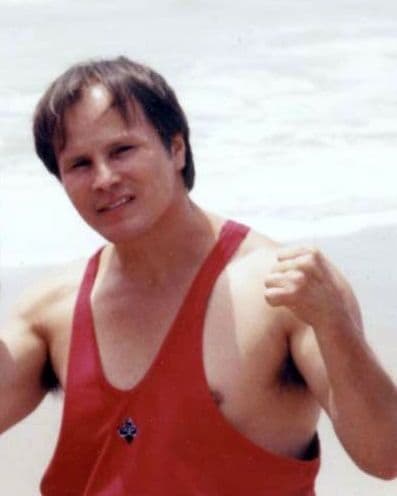

 1976–1995
A short history of Kickboxing
The word kickboxing was coined in Japan. Boxing promoter Osamu Noguchi and karate teacher Tatsuo Yamada blended karate with Muay Thai after Japanese karateka fought Thai boxers, including a 1963 series at Lumpinee Stadium that Japan won 2–1. Noguchi founded the Kickboxing Association in 1966, and the first kickboxing event was held in Osaka on April 11 that year. By 1970 the sport was on Japanese television three times a week.
In North America the sport grew out of full-contact karate. The Professional Karate Association held its first world championships at the Los Angeles Sports Arena in September 1974, crowning Joe Lewis, Jeff Smith and Bill Wallace among others, under rules that allowed kicks only above the waist. Canada's Jean-Yves Thériault later held the PKA middleweight title from 1980 to 1995. In Europe, Jan Plas and Thom Harinck founded the Dutch kickboxing association NKBB in 1976, and Dutch rules generally banned elbows and knees to the head.
The Japanese promotion K-1, founded by karate teacher Kazuyoshi Ishii, held its first World Grand Prix on April 30, 1993, and Croatia's Branko Cikatić won it. K-1's rules allowed knees but banned elbows and cut clinching short, and Dutch fighters won 15 of its 19 World Grand Prix titles through 2012. A 70 kg series, K-1 World MAX, followed in 2002.
K-1's organizer went bankrupt in 2012, the year the Glory promotion was founded, and Glory and ONE Championship both adopted K-1-style rules. Amateur kickboxing is governed by the World Association of Kickboxing Organizations (WAKO), which runs events from point fighting to full contact. The International Olympic Committee fully recognized WAKO in July 2021.
- K-1-style rules, used by Glory and ONE, allow punches, kicks and knees but ban elbows, throws and headbutts.
- Clinching is limited, usually to about five seconds, before the referee separates the fighters.
- Standard K-1 fights are three three-minute rounds, with an extension round if the judges see a draw.
- A knocked-down fighter gets an eight count, and three knockdowns in one round end the fight by technical knockout.
- American full-contact rules allow only kicks above the waist; low-kick rules also allow kicks to the thighs.
- In WAKO's point-fighting events, strikes must be controlled and clean scoring matters more than power.
Milestones
- 1963Three karate fighters from Mas Oyama's dojo face Thai boxers at Lumpinee Stadium; Japan wins 2–1
- 1966The first event billed as kickboxing is held in Osaka on April 11
- 1974The Professional Karate Association holds its first full-contact world championships in Los Angeles
- 1976Jan Plas and Thom Harinck found the Dutch kickboxing association NKBB
- 1993Branko Cikatić wins the first K-1 World Grand Prix at Tokyo's Yoyogi National Gymnasium
- 2002K-1 launches World MAX, a tournament series for 70 kg fighters
- 2012The Glory promotion is founded, filling the gap left by K-1's financial troubles
- 2021The IOC fully recognizes kickboxing and its governing body, WAKO
Techniques to steal
The jab is a fast, straight punch with your lead hand. It starts closest to the target and needs the least…
RangeThe cross is the straight punch with your rear hand: the right for an orthodox fighter, the left for a southpaw. The…
RangeThe hook is a bent-arm punch that travels on a short horizontal arc into the side of the jaw or the body. Its power…
RangeThe uppercut is a close-range punch that rises vertically from below the opponent's line of sight into the chin or…
RangeThe overhand is a looping rear-hand punch that arcs over the opponent's lead hand or jab and drops onto the head from…
RangeThe body hook is a hook driven into the side of the ribcage. The classic version is the lead hook to the liver, which…
RangeA combination is a planned chain of punches in which each one sets up the next: the jab blinds and measures, the…
RangeThe spinning backfist turns the body a full circle and lands the back of the fist on the side of the head. The spin…
RangeThe teep is a straight push kick with the ball of the foot to the belly, hips or thigh. Thai boxers call it the foot…
RangeThe roundhouse kick swings the leg in an arc into the opponent's side, powered by turning the standing foot and the…
RangeThe low kick is a roundhouse kick with the shin to the opponent's thigh or calf. It is hard to see, costs little…
RangeThe head kick is a roundhouse kick aimed at the neck or jaw, usually with the rear leg. It needs hip flexibility and…
Questions people ask
There is no single answer, but a few careers stand apart. Ernesto Hoost won the K-1 World Grand Prix four times, in 1997, 1999, 2000 and 2002, and Semmy Schilt also won it four times, three of them in a row from 2005 to 2007. Giorgio Petrosyan finished with 109 wins against three losses, and Canada's Jean-Yves Thériault held the PKA world middleweight title from 1980 to 1995.
Kickboxing is a family of rule sets rather than a single sport. Under the K-1 rules used by Glory and ONE, fighters punch, kick and knee, but elbows are banned and clinching is cut short. Muay Thai allows elbows and sustained clinch work with knees. American full-contact kickboxing is the most restricted, with kicks allowed only above the waist.
Not yet. In July 2021 the International Olympic Committee recognized the World Association of Kickboxing Organizations (WAKO) as the sport's world governing body, which brings kickboxing into the Olympic movement but does not put it on the Games program. WAKO runs amateur world championships in several styles, from point fighting and light contact to full contact and K1-style bouts.
Kickboxing builds sharp punching, kicks that keep an attacker at range and the fitness to keep moving under pressure, and regular sparring teaches you to take a shot and stay calm. It does not cover grappling or fighting on the ground, so many students add wrestling or jiu-jitsu, and awareness and avoiding a fight still come first.
K-1 rules come from the Japanese promotion founded in 1993 and are now used by Glory, ONE Championship and others. Fighters may punch, kick and knee, but elbows, throws and headbutts are illegal and clinching is allowed for only a few seconds. Bouts are three three-minute rounds, and three knockdowns in a round end the fight.
More disciplines
Muay Thai and kickboxing: punches, kicks, knees, elbows and the clinch. Join now and book your first class for $20, paid online. A coach calls you within a day to answer questions.