払腰Harai-goshi · say “hah-RYE GOH-shee” · “sweeping hip”
Also called Sweeping hip throw, Hip sweep
Harai-goshi is judo's sweeping hip throw. You pull your partner onto their toes, turn in with your hip against theirs and sweep your straight leg back through their thigh, so they rotate over you. It is a big, classic forward throw that works well with o-soto-gari: threaten backward, then sweep forward when they resist. Heavyweights Wim Ruska and Teddy Riner both won Olympic finals with it.
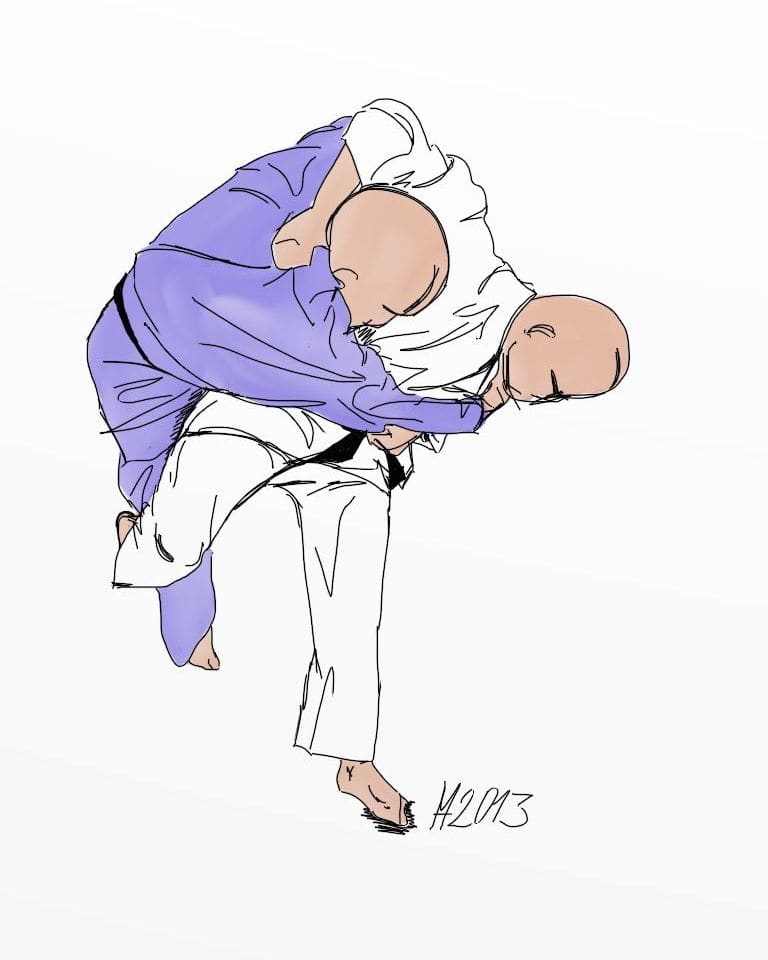
Satori's coaches are filming every technique, full speed and slow motion from two angles. Until it's up, the diagram shows the movement step by step.
How to do it
Start: Take the classic right-handed grip: left hand on their right sleeve, right hand on their left lapel or high collar. Stand a step apart in a natural stance. Your partner should be upright and pushing forward against you, with their weight on the right foot.
- 1Grip. Sleeve in your left hand, lapel in your right. Keep your elbows loose.
- 2Kuzushi. Push them back. When they step back, step your right foot in between theirs and press down on their upper body. They push forward to recover. As they do, ease the pressure, lift and pull with your right hand and pull up and out with your left. Their weight goes toward their right front corner.
- 3Tsukuri, feet. Bend your knees and carry your weight on the right leg. Open your body to the left and step your left foot back and round, just outside the front of their left foot.
- 4Tsukuri, turn. As they step forward with the right foot, pivot on your left foot to face the same way as they do. Pull them close so the right side of your body presses against the left side of theirs, with their left arm clamped under your right armpit.
- 5Tsukuri, base. Stand tall on your left leg, slightly bent, and lift them toward their right front corner again. Raise your right leg straight behind you with your toes pointed.
- 6Kake. Swing the straight right leg up and back in one big, sharp motion so the back of your thigh sweeps up the front of their right leg. Your hip lifts them as you straighten the left knee and twist to the left.
- 7Finish. Keep the sleeve through the landing so they fall in a wide circle onto their back, then control them or move into a hold.
- Get them on your hip first. The sweep comes second.
- Sweep with a straight leg and pointed toes, the back of your thigh against theirs.
- Keep your left foot just outside the front of their left foot so you have room to sweep.
- Chest tight to theirs, their arm under your armpit, head and shoulders turning left.
- Sweeping before their balance is broken forward. Fix: pull them onto your hip first.
- Entering too deep, with the left foot inside theirs. Fix: keep it just outside the front of their left foot, or they can push you over and your sweep cuts through empty space.
- Bending the sweeping leg. Fix: sweep with a straight leg. If the right foot stays planted and you only lift them over your hip with a belt grip, the Kodokan calls it tsuri-goshi instead.
- Leaving space between your hip and theirs. Fix: pull them tight before you sweep.
- Letting go of the sleeve. Fix: keep it so they land on their back.
Safety: Learn breakfalls first and throw only onto mats with a partner who can fall. Keep the sleeve so they land on their back, and never dive head-first. Sweep the thigh, not the knee joint.
When to use it
- When they push forward against you and their right foot is stepping in.
- After an o-soto-gari threat makes them resist backward: sweep forward as they push back.
- When a belt grip lets you lift and control their upper body.
- Threaten o-soto-gari, then sweep forward when they resist.
- Press them down with your lapel hand, then ease off and lift as they push back up. This is the Kodokan's own sequence.
- Take a belt grip and use it to lift them onto your hip before you sweep.
- A hold-down such as kesa-gatame. After a real attack that doesn't score, the IJF rules let you go straight to the ground.
- Uchi-mata or hane-goshi: they start from the same forward break of balance, with the leg going between theirs or springing up from underneath.
- Harai-goshi-gaeshi: block the sweep and throw them as they lift. The Kodokan and the IJF both list it as a counter-throw.
- Push them over if they enter too deep. The Kodokan notes that a thrower whose left foot goes inside yours can be pushed off balance over that foot.
- Ura-nage, lifting them as they turn in. The Kodokan teaches it as an answer to a hip throw.
- Keep your hips back and your chest upright so they can't get their hip against yours.
- Pull your left arm out of the armpit clamp before they turn in fully.
- Step your right foot back or away so the sweep catches air.
The physics
Harai-goshi is a couple of forces, not a lever. Your trunk and hands turn your partner's upper body forward and down around you while your sweeping leg drives their thigh backward and up, and two opposite forces like these spin them around their own centre of mass.
The distance between the two contacts, your chest high on their body and your leg on their thigh, is the arm of the couple: the longer it is, the less force each side needs. In one lab study the thrower's hips turned in first and the shoulders then whipped around with the sweep, which the authors think pre-stretches the trunk muscles for a faster turn. How fast the leg sweeps depends on how hard the standing leg pushes against the floor, so the support leg is part of the throw. Among three throws measured in another lab study, harai-goshi put the largest average force on the thrown person's centre of mass.
- Myth: harai-goshi means lifting your partner over your hip. Mechanically it is a couple like uchi-mata and osoto-gari: your trunk and sweeping leg push in opposite directions and spin the partner about their own centre of mass, so you do not have to carry their weight (Sacripanti 1987, 2016).
Masters and famous moments

Riner beat South Korea's Kim by ippon with harai-goshi. It was his third Olympic heavyweight title, matching the three golds Tadahiro Nomura won at extra-lightweight.

Ruska, world champion in 1967 and 1971, was expected to win. He controlled the final against Germany's Glahn and finished it with harai-goshi for ippon in 1:43.
Cuba's Azcuy started fast and scored three kokas with sode-tsurikomi-goshi. Röthlisberger answered with a harai-goshi for a yuko and won the gold medal for Switzerland.
Across the arts
The form in the steps: sleeve and lapel, a turn in with their arm under your armpit, and a straight-leg sweep.
The Kodokan notes a recent increase in harai-goshi where you lift them by gripping the belt at the front, side or back, similar to sambo judo. If the sweeping foot stays on the mat and you just throw them over your hip, it counts as tsuri-goshi instead.
You sweep them up with your arm wrapped round their neck. The Kodokan classes this as harai-goshi, not harai-makikomi.
The counter: you block their sweeping leg and throw them as they lift. It is listed separately in the Kodokan and IJF technique lists.
It still scores on the biggest stages: Teddy Riner finished the 2024 Olympic heavyweight final with it. Current IJF rules let you attack with collar-and-lapel, one-side, cross, belt or pocket grips, as long as you really attack with them and don't use them only to force your opponent into a bent, defensive posture.
History
Harai-goshi is one of the original forty throws of Jigoro Kano's Gokyo, in the second group, and the second of the three hip throws in the Nage-no-kata. It also appears in the Danzan-ryu Nagete list of 20 techniques and in the 18 throws of Kar-do-Jitsu-Ryu. Wim Ruska won the 1972 Olympic heavyweight final with it. Teddy Riner won the 2024 Olympic heavyweight final with it.
In the rules
Drills
Hold a wall or post with your left hand, stand on a slightly bent left leg and swing your straight right leg up and back, toes pointed. Ten slow swings, then ten sharp ones, each side.
Fit in to the turned position with their arm under your armpit and the sweep leg raised, without throwing. Ten reps each side, holding the top position for a count of two.
Throw at half speed with a trained partner, five reps each side, keeping the sleeve through the landing.
Legends known for it


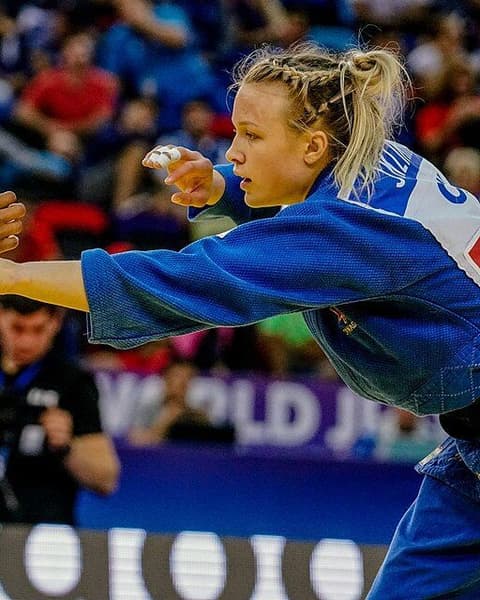


We teach it in Throws. A coach will fix the details you can't see yourself. Join now and book your first class for $20, paid online.
Related techniques
Hane-goshi is the spring hip throw. You pull your partner tight against your side, then spring your leg and hip up from underneath their body so…
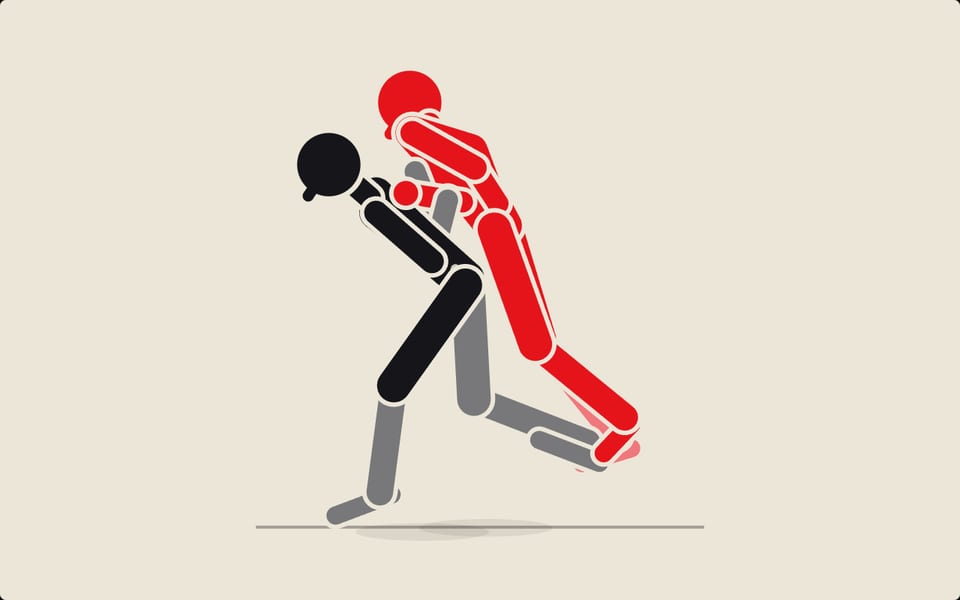
Uchi-mata is judo's inner thigh throw. You open your partner's feet, break their balance forward, turn in and swing your leg up between theirs,…


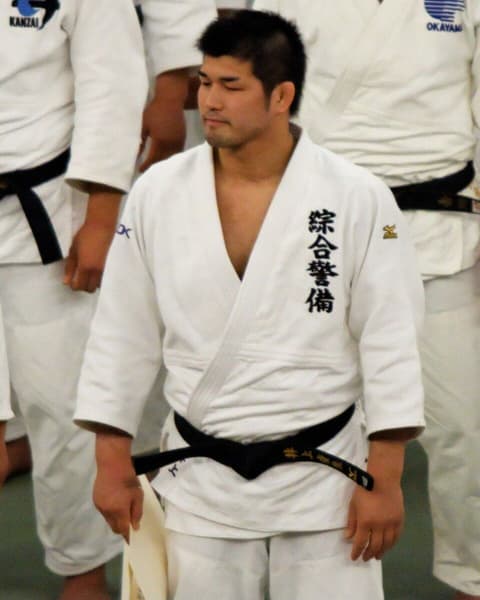

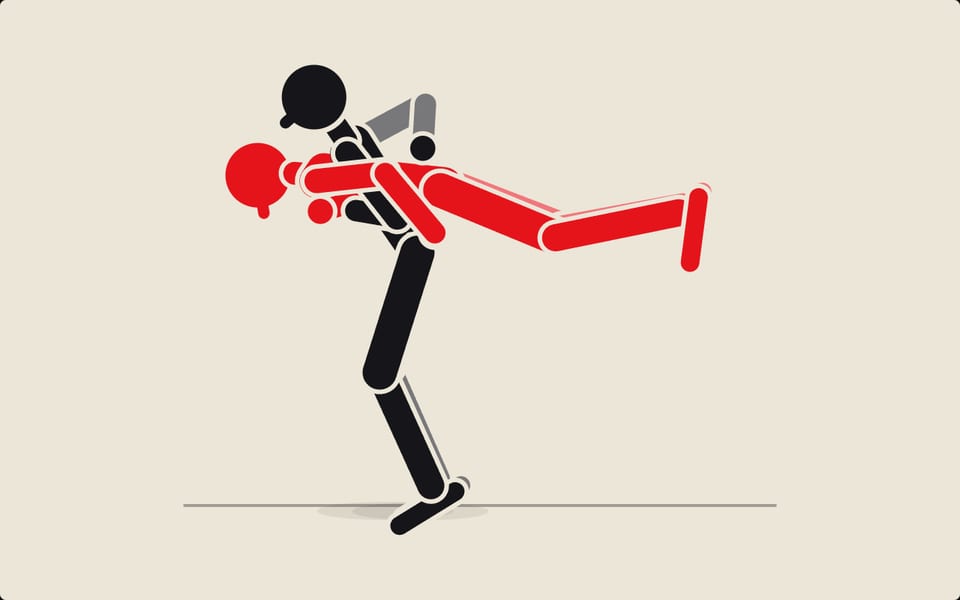
O-goshi is judo's major hip throw. You turn in with your hips lower than your partner's, wrap an arm around their back, load them onto your hips…



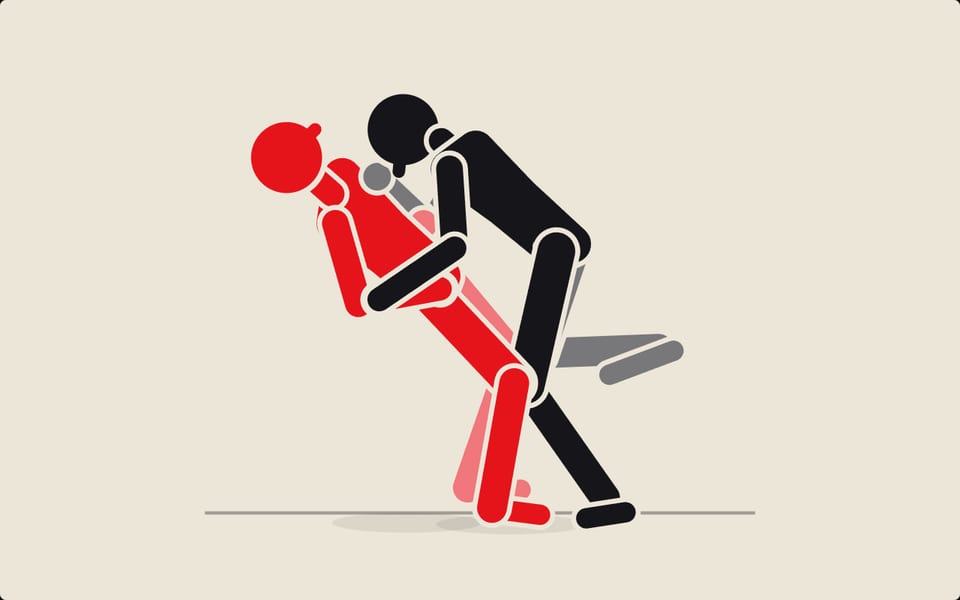
Osoto-gari is the 'major outer reap'. You break your partner's balance back onto one heel, step deep beside that leg and reap it away from behind…
Tsurikomi-goshi is the lift-pull hip throw. You drop your hips to the level of your partner's thighs, then rise again while your lapel-side arm…
Kuzushi is breaking your partner's balance so they cannot resist your throw. In judo it is the first of three parts of every throw: kuzushi (break…