The Greatest Muay Thai Fighters of All Time
Muay Thai, the art of eight limbs, uses fists, elbows, knees and shins, and it rewards the fighter who controls the clinch as much as the one who hits hardest. This guide gathers the fighters most often named among the greatest, from Lumpinee and Rajadamnern champions such as Samart Payakaroon, Dieselnoi Chor Thanasukarn and Saenchai to international stars such as Ramon Dekkers. It also covers the sport's history, today's rules and the milestones that took it around the world.
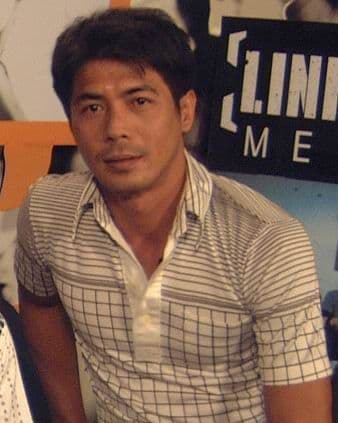
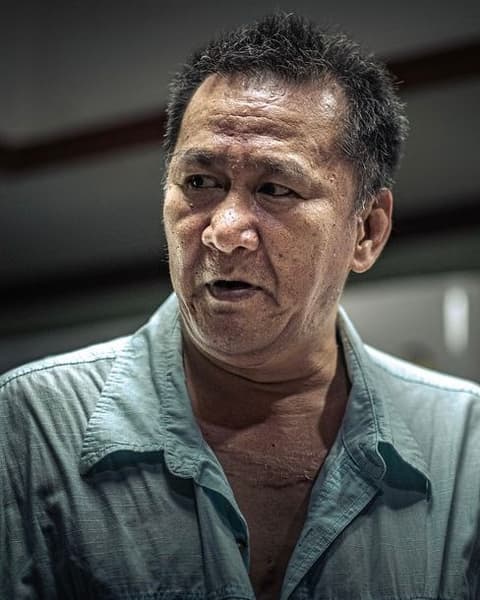
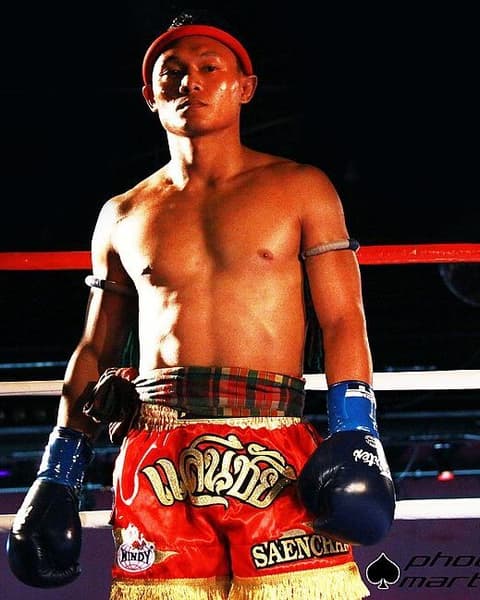
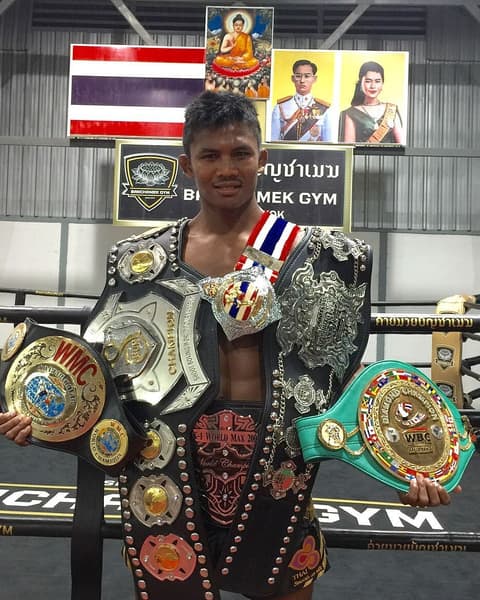
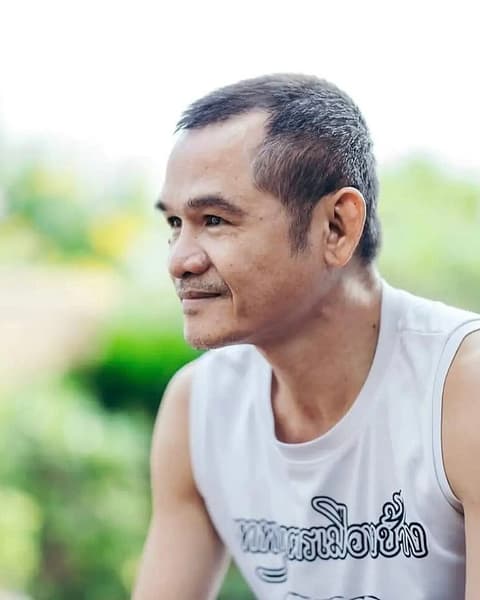
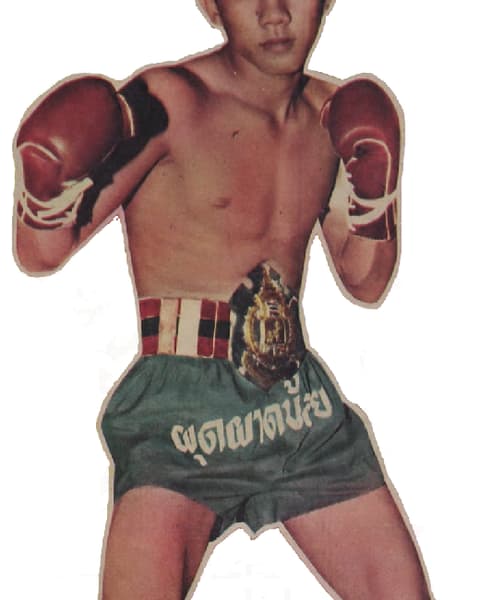
The legends

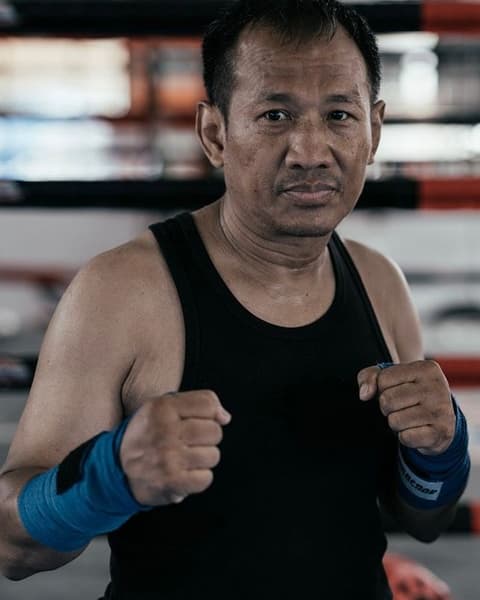
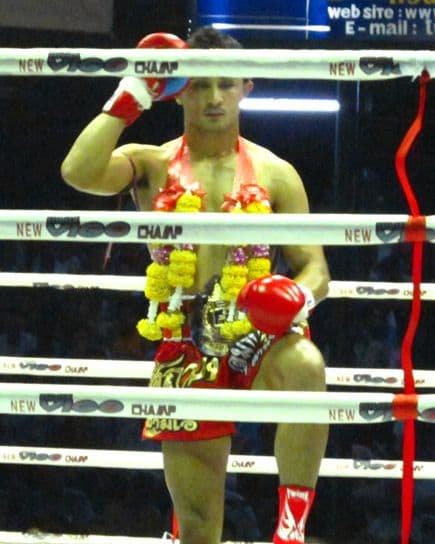
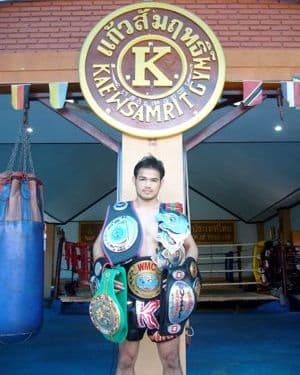



 2016–now

A short history of Muay Thai
Muay Thai grew out of older Siamese bare-hand fighting known simply as muay, and Thai royal chronicles record kings and soldiers who boxed. Thailand marks March 17 as Muay Thai Day in honour of Nai Khanom Tom, a war captive said to have beaten a string of Burmese fighters after 1767, although scholars suggest the story owes more to 20th-century nation-building than to documented fact. The art flourished under King Chulalongkorn (Rama V), who came to the throne in 1868 and staged tournaments across the country.
The modern ring sport took shape in the early 20th century. British boxing entered the curriculum of Suan Kulap College in 1913, the first permanent ring in Siam was built there in 1921, and a three-rope ring with padded corners followed at Suan Sanuk Stadium in 1923. Under King Rama VII (1925–1935) the rules were codified, referees were introduced and rounds were timed. After a death in the ring, fighters also swapped their hardened rope bindings for gloves.
Two national stadiums became the centre of the sport. Rajadamnern Stadium staged its first bouts on 23 December 1945, and Lumpinee Stadium, run by the Royal Thai Army, opened on 8 December 1956; their championship belts carry the most prestige in Muay Thai. Both venues were long closed to women: Lumpinee held its first female fight card in November 2021, and Rajadamnern staged its first women's bouts in July 2022.
International growth came through the amateur federation IFMA, founded in the early 1990s, which adopted the one-word spelling "Muaythai" to satisfy international sport rules on country names. The International Olympic Committee gave the sport provisional recognition in 2016, it made its World Games debut in 2017, and it received full IOC recognition in 2021. Muay Thai is not on the Olympic program, but it now sits inside the Olympic movement alongside Thailand's professional stadium circuit.
- Fighters strike with fists, elbows, knees, shins and feet, and may use sweeps and the clinch.
- Clinches are not broken up quickly as in boxing; much of the knee and elbow work happens there.
- Bouts are won by knockout, technical knockout or on points if the fight goes the distance.
- Under IFMA amateur rules a strike scores only if it lands clean, not on the opponent's glove, forearm, shin or foot.
- Before the bout, fighters perform the wai kru ritual, often wearing the mongkol headband presented by their trainer.
Milestones
- 1921Siam's first permanent boxing ring is built at Suan Kulap College
- 1945Rajadamnern, Thailand's first national boxing stadium, stages its first bouts on 23 December
- 1956Lumpinee Stadium opens on 8 December, operated by the Royal Thai Army
- 2014Lumpinee Stadium moves from Rama IV Road to a new home on Ram Inthra Road
- 2016The IOC grants provisional recognition to muaythai and its federation, IFMA
- 2017Muaythai makes its World Games debut in Wrocław, Poland
- 2021The IOC grants muaythai full recognition at its 138th Session in Tokyo
- 2021Lumpinee Stadium holds its first female fight card on 13 November
- 2022Rajadamnern Stadium stages its first women's bouts, on 22 July
Techniques to steal
The jab is a fast, straight punch with your lead hand. It starts closest to the target and needs the least…
RangeThe cross is the straight punch with your rear hand: the right for an orthodox fighter, the left for a southpaw. The…
RangeThe hook is a bent-arm punch that travels on a short horizontal arc into the side of the jaw or the body. Its power…
RangeThe uppercut is a close-range punch that rises vertically from below the opponent's line of sight into the chin or…
RangeThe body hook is a hook driven into the side of the ribcage. The classic version is the lead hook to the liver, which…
RangeA combination is a planned chain of punches in which each one sets up the next: the jab blinds and measures, the…
RangeThe spinning backfist turns the body a full circle and lands the back of the fist on the side of the head. The spin…
RangeThe teep is a straight push kick with the ball of the foot to the belly, hips or thigh. Thai boxers call it the foot…
RangeThe roundhouse kick swings the leg in an arc into the opponent's side, powered by turning the standing foot and the…
RangeThe low kick is a roundhouse kick with the shin to the opponent's thigh or calf. It is hard to see, costs little…
RangeThe head kick is a roundhouse kick aimed at the neck or jaw, usually with the rear leg. It needs hip flexibility and…
RangeA slip moves your head just off the line of a straight punch, so it misses by centimetres while you stay in range to…
Questions people ask
No list settles it, but several names recur. Samart Payakaroon won Lumpinee titles in four divisions and later a WBC world boxing title. Apidej Sit-Hirun held welterweight titles at both Rajadamnern and Lumpinee and was hailed as Muay Thai Fighter of the Century by King Bhumibol. Saenchai won Lumpinee belts six times across four divisions, and Dieselnoi Chor Thanasukarn held the Lumpinee lightweight title from 1981 to 1985.
Muay Thai allows elbows and long exchanges in the clinch, where fighters trade knees and try to off-balance each other. Most kickboxing today follows K-1-style rules: punches, kicks and knees are allowed, but elbows and throws are banned and clinching is limited to a few seconds. American full-contact kickboxing goes further and allows only kicks above the waist.
Muay Thai trains powerful, simple strikes, a strong clinch and the conditioning to keep working when tired, and those skills carry over well to a real confrontation. Its gaps are ground fighting and defending takedowns, so many students add wrestling or jiu-jitsu. As with any martial art, awareness and avoiding a fight come first.
Not yet. The International Olympic Committee gave muaythai and its amateur federation, IFMA, provisional recognition in 2016 and full recognition in July 2021, which places the sport inside the Olympic movement. Recognition is not the same as a place on the Games program, and Muay Thai has never been a medal sport at the Summer Olympics. It has been on the World Games program since 2017.
Because a fighter strikes with eight points of contact: two fists, two elbows, two knees and two shins. Western boxing uses only the fists, and most kickboxing adds the feet and sometimes the knees, so Muay Thai's elbows and clinch knees give it a wider arsenal. Lethwei, Myanmar's bare-knuckle relative, adds headbutts and is called the art of nine limbs.
More disciplines
Muay Thai and kickboxing: punches, kicks, knees, elbows and the clinch. Join now and book your first class for $20, paid online. A coach calls you within a day to answer questions.