The Greatest BJJ Fighters and Grapplers of All Time
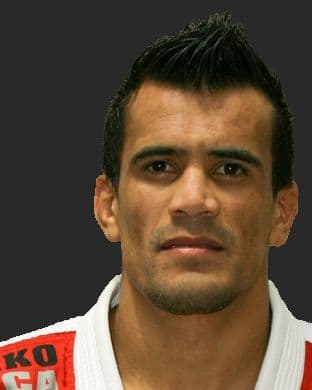
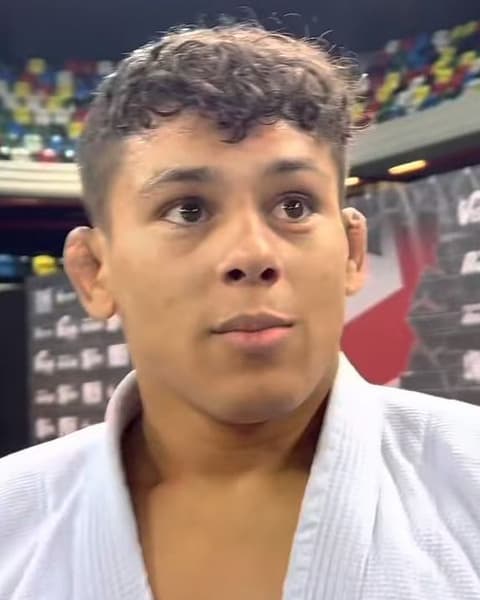
Grappling is the art of controlling an opponent without striking, and Brazilian jiu-jitsu has made the submission, a choke or joint lock that forces a tap, its centrepiece. This guide profiles the grapplers most often named among the greatest, from the Gracie family and the catch wrestlers who came before them to modern champions such as Roger Gracie, Marcus Almeida, Marcelo Garcia and Gordon Ryan. It also covers the sport's history, IBJJF scoring and key dates.


The legends





 1948–1982


A short history of Grappling & BJJ
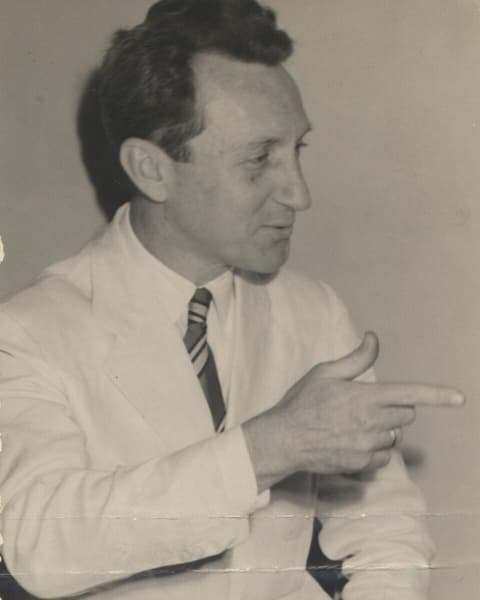
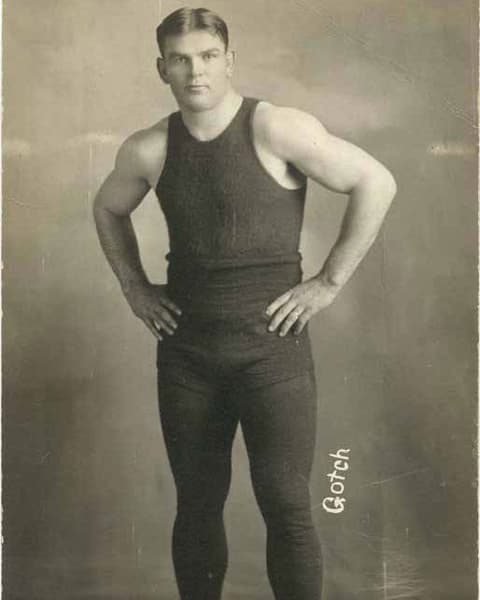
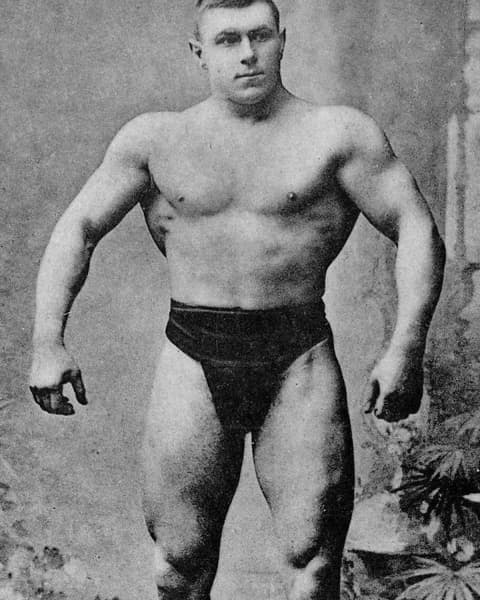
Submission grappling has deep roots in catch-as-catch-can wrestling, which, unlike amateur freestyle, allowed submission holds. Its professional champions were among the best-known athletes of their day: on April 3, 1908, in Chicago, Frank Gotch beat Estonia's George Hackenschmidt, the "Russian Lion", and he held the world heavyweight title until 1913.
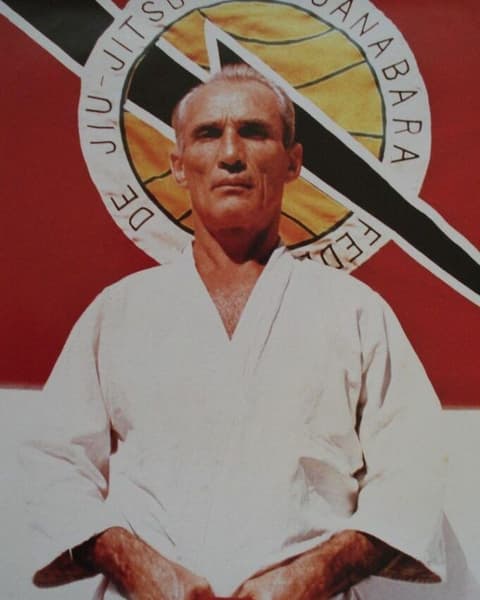
Brazilian jiu-jitsu began with Mitsuyo Maeda, a Kodokan judo expert who left Japan in 1904 and reached Brazil by 1914. In 1917, in Belém, Carlos Gracie watched one of Maeda's demonstrations and began training, either with Maeda himself or with his student Jacyntho Ferro. Carlos and his brothers built their own system around 1925, and Hélio Gracie, who had a smaller build, refined it to rely on ground fighting and leverage rather than strength.
The Gracies promoted their art through open challenge matches. One of the best known ended in defeat: in 1951, judo champion Masahiko Kimura beat Hélio at the Maracanã Stadium in front of about 20,000 people, including Brazil's president, and the arm lock he used is still called the kimura. Four decades later Royce Gracie won UFC 1 in 1993 by submitting three opponents, and jiu-jitsu's reputation spread worldwide.
Organized competition grew quickly. The first World Jiu-Jitsu Championship was held in Rio de Janeiro in February 1996, women's divisions followed in 1998, and the event moved to Long Beach, California, in 2007. The ADCC Submission Fighting World Championship, first held in Abu Dhabi in 1998, became one of the most prestigious no-gi tournaments. Today the sport is split between gi and no-gi, and IBJJF rules permit heel hooks in no-gi but not in the gi.
- A submission wins outright: tapping twice or saying you give up ends the match.
- IBJJF points: takedown, sweep or knee on belly 2; guard pass 3; mount, back mount or back control 4.
- A position must be held for three seconds before the referee awards points.
- Tied scores are decided by advantages, then penalties, then the referee's decision.
- Slams are banned, and heel hooks are illegal in the gi but allowed under IBJJF no-gi rules.
Milestones
- 1908Frank Gotch beats George Hackenschmidt in Chicago to become world heavyweight wrestling champion
- 1914Kodokan judoka Mitsuyo Maeda arrives in Brazil, where his teaching seeds Brazilian jiu-jitsu
- 1951Masahiko Kimura beats Hélio Gracie at the Maracanã; his arm lock becomes known as the kimura
- 1996The first World Jiu-Jitsu Championship is held at Tijuca Tênis Clube in Rio de Janeiro
- 1998The first ADCC Submission Fighting World Championship is held in Abu Dhabi
- 1998Women's divisions are added to the World Jiu-Jitsu Championship
- 2007The World Jiu-Jitsu Championship moves from Rio de Janeiro to Long Beach, California
Techniques to steal
An underhook slides your arm under the opponent's armpit and around their back. It lifts their shoulder, turns their…
ClinchThe arm drag pulls the opponent's arm across their body while you step to the side, so they stumble forward past you…
ClinchThe snap down pulls the opponent's head sharply toward the mat from a tie-up, so they fall forward onto their hands…
TakedownA body lock wraps both arms around the opponent's torso and locks the hands, pulling their hips tight to yours. From…
TakedownThe double-leg takedown drops under the opponent's guard, wraps both legs and drives them to the mat. It is one of…
TakedownThe single-leg takedown captures one of the opponent's legs and uses it to take away their balance, then finishes by…
TakedownThe fireman's carry drops under the opponent's arm, takes their thigh and rolls them across your shoulders to the…
TakedownThe sprawl stops a leg takedown by throwing your legs back, dropping your hips onto the attacker's head and shoulders…
TakedownA suplex lifts the opponent from a tight body lock and throws them over by arching back and turning, so they land on…
TakedownOsoto-gari is the 'major outer reap'. You break your partner's balance back onto one heel, step deep beside that leg…
TakedownOuchi-gari is the 'major inner reap'. You step in chest to chest, hook your leg around the inside of one of your…
TakedownKouchi-gari is the 'minor inner reap'. You catch your partner's heel from the inside with the sole of your foot and…
Questions people ask
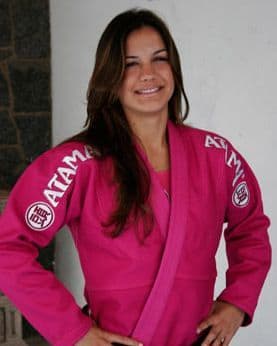
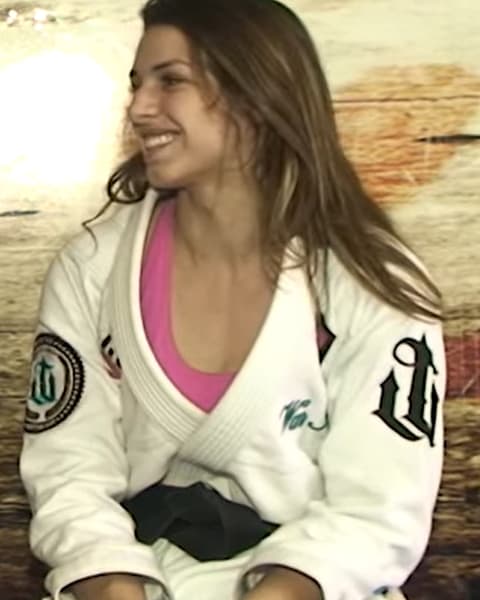
Several champions have a strong claim. Roger Gracie won 10 IBJJF world titles and took double gold at ADCC 2005, winning all eight matches by submission. Marcus Almeida holds the men's record with 13 IBJJF world titles, and in no-gi Gordon Ryan has seven ADCC titles, counting superfights. Beatriz Mesquita leads the women with 10 IBJJF world titles.
Both come from Kodokan judo, but they reward different things. Judo scores throws most highly, and a clean throw can win a match outright. Brazilian jiu-jitsu gives its biggest points for dominant ground positions such as mount and back control, and matches revolve around the guard and submissions. BJJ also allows leg locks, which judo competition prohibits, including heel hooks in no-gi.
BJJ is built on the idea that a smaller, weaker person can control a bigger opponent through leverage, which makes it useful if a confrontation ends up on the ground. Live sparring, called rolling, also teaches you to stay calm under pressure. It is less complete standing up, so many students add wrestling or striking, and avoiding a fight remains the best defence.
In gi jiu-jitsu both athletes wear a heavy jacket and trousers, and gripping the cloth is central to controlling, sweeping and choking an opponent. No-gi athletes wear a rash guard and shorts, uniform grips are not allowed, and wrestling holds and takedowns become more common. IBJJF rules also permit heel hooks in no-gi, while they are illegal in the gi.
Catch-as-catch-can was a British and American style of the 19th and early 20th centuries that allowed submissions, which amateur freestyle later banned. Its amateur side became Olympic freestyle and its professional side became modern pro wrestling. Champions such as Frank Gotch were among the most popular athletes of their time, and teachers such as Karl Gotch carried the style into Japanese pro wrestling.
More disciplines
Takedowns, control, submissions. Catch wrestling on Fridays. Join now and book your first class for $20, paid online. A coach calls you within a day to answer questions.