The Greatest Boxers of All Time
Boxing strips fighting down to fists, footwork and nerve, and that simplicity has produced some of sport's longest arguments. This guide gathers the boxers most often named among the greatest of all time, from Muhammad Ali and Sugar Ray Robinson to Joe Louis, Henry Armstrong and today's champions. It also traces how prizefighting moved from bare knuckles to gloves and the Queensberry Rules, explains how bouts are won and scored, and lists the dates that shaped the sport.


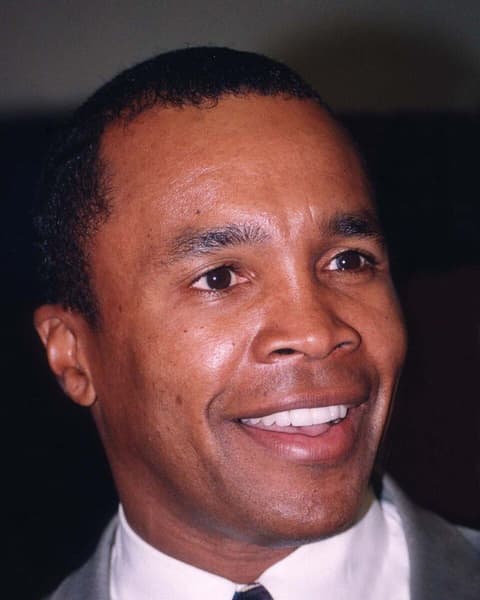
The legends

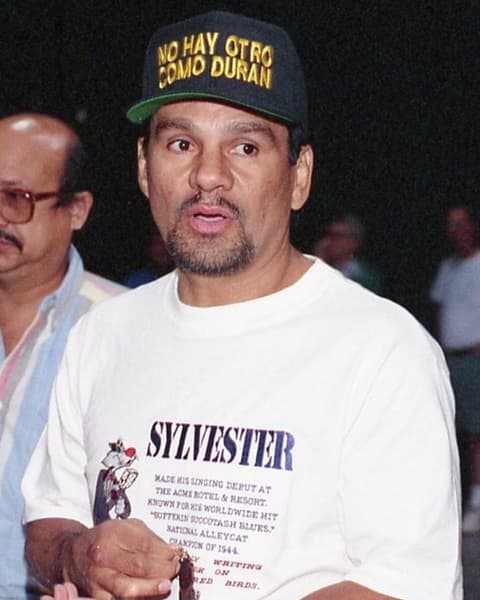

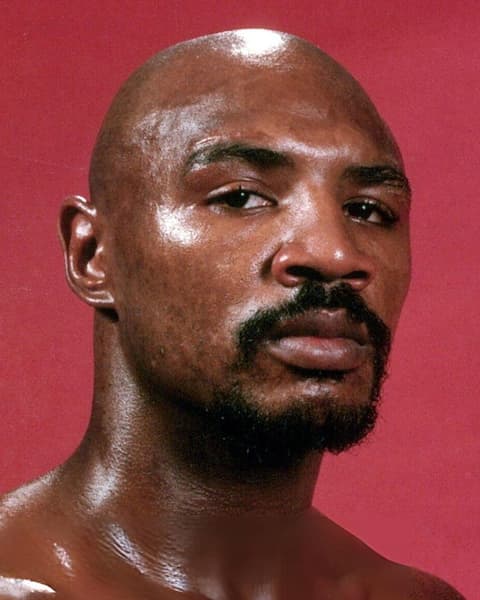
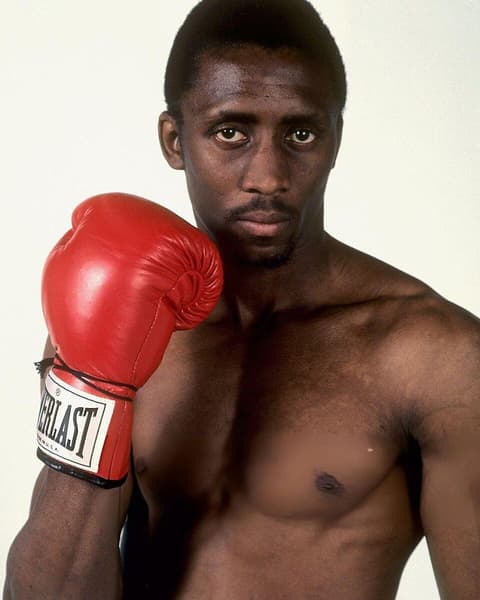



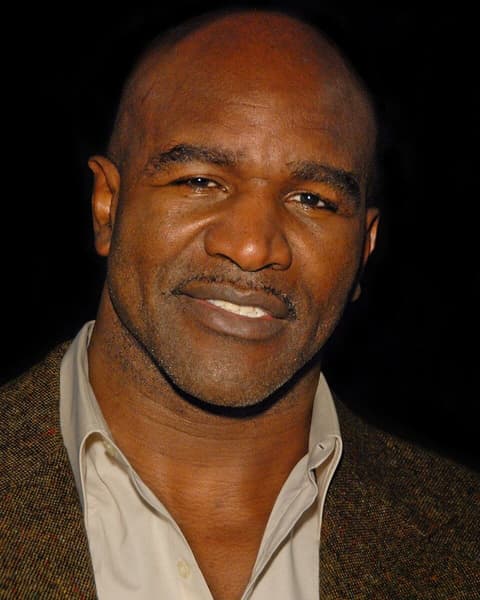
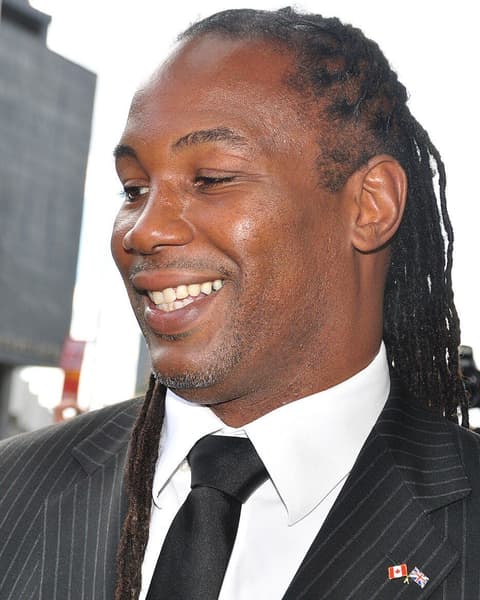

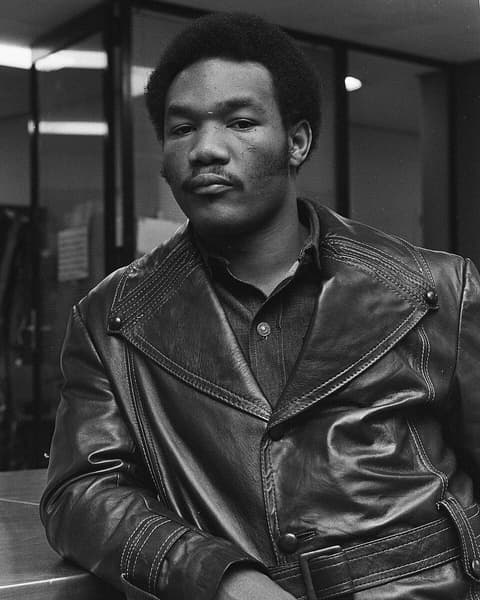
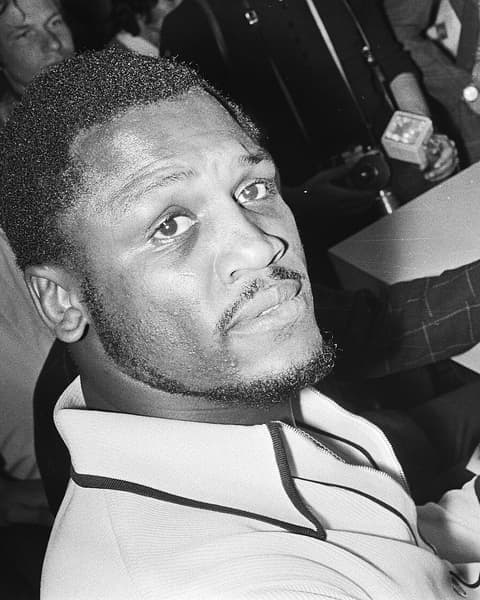




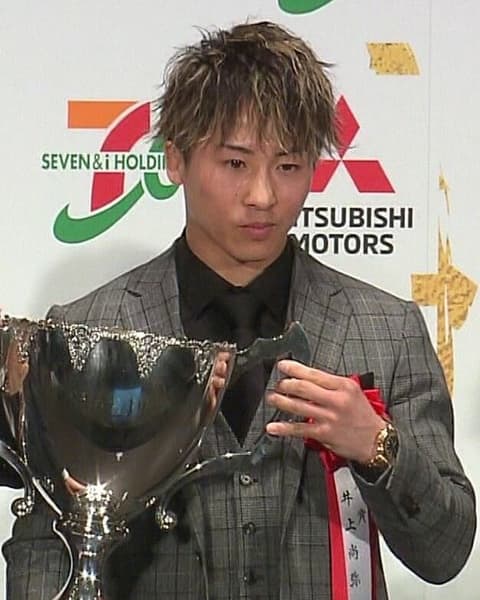

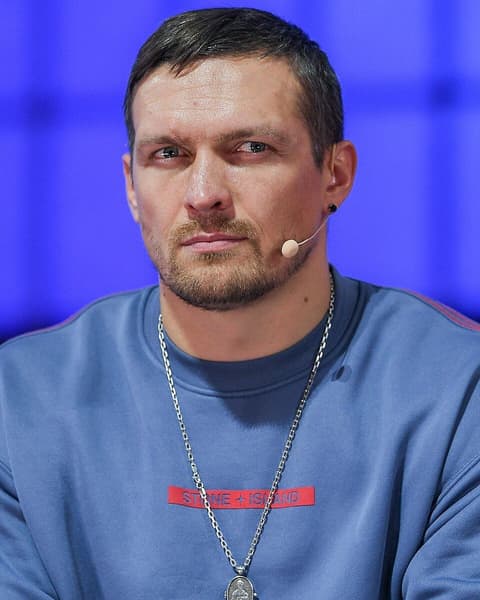

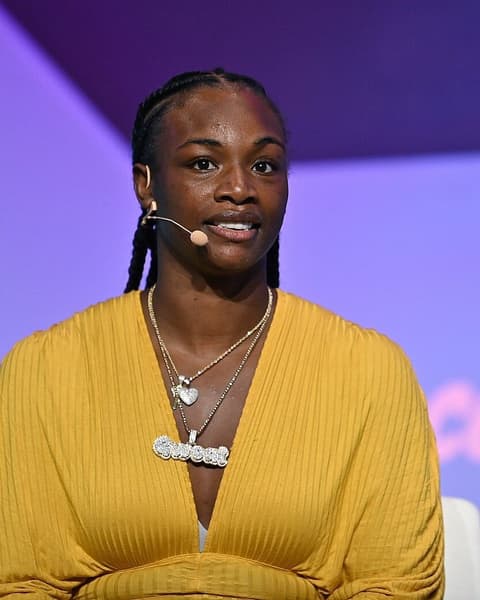
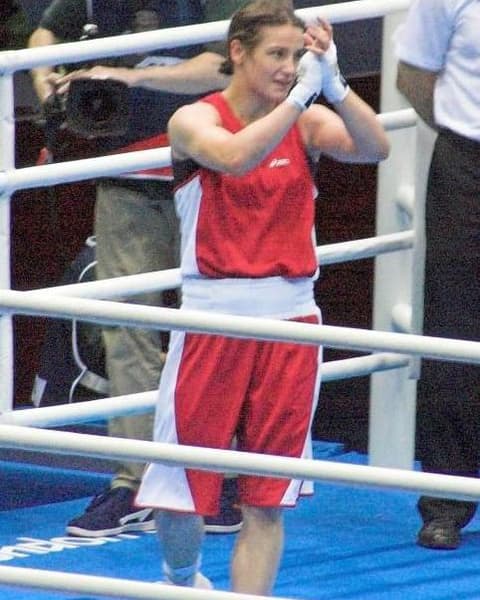




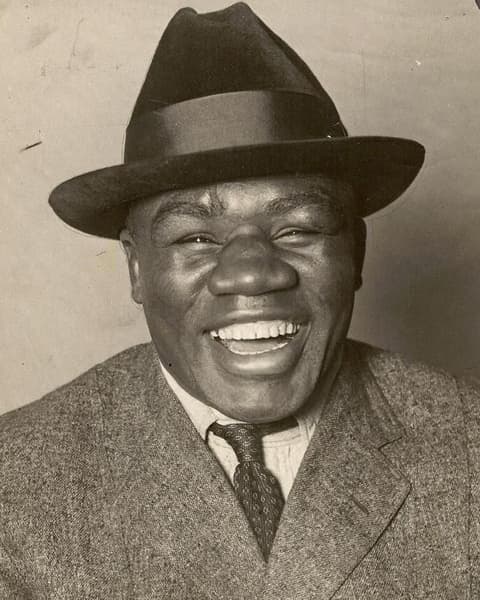

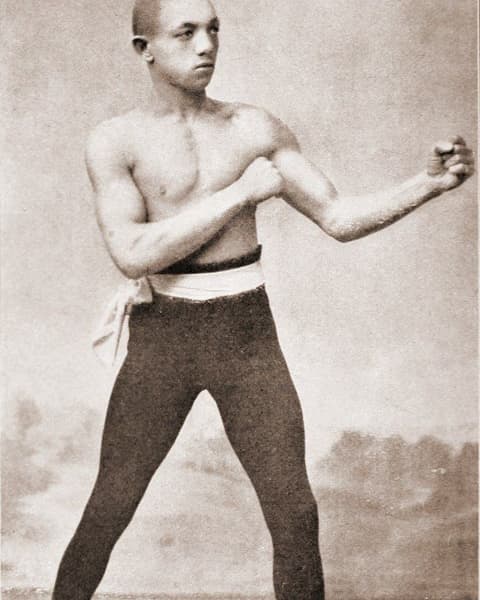
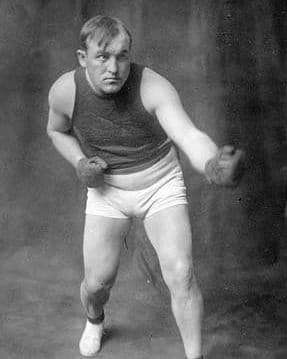
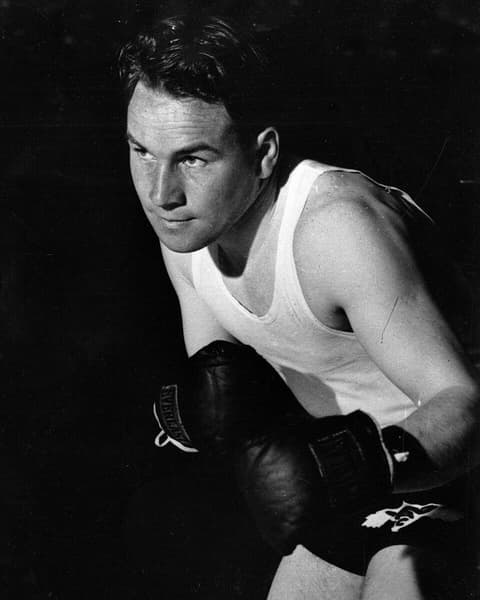


A short history of Boxing
Fist fighting is ancient, and boxing was added to the Olympic Games of Greece in 688 BC. The modern sport grew out of English bare-knuckle prizefighting, first documented in 1681. In 1743 champion Jack Broughton wrote its first rules: a fighter who went down and could not continue after 30 seconds had lost, and hitting a downed man or grabbing below the waist was banned. The later London Prize Ring Rules outlawed butting, gouging, kicking and hitting a man while he was down.
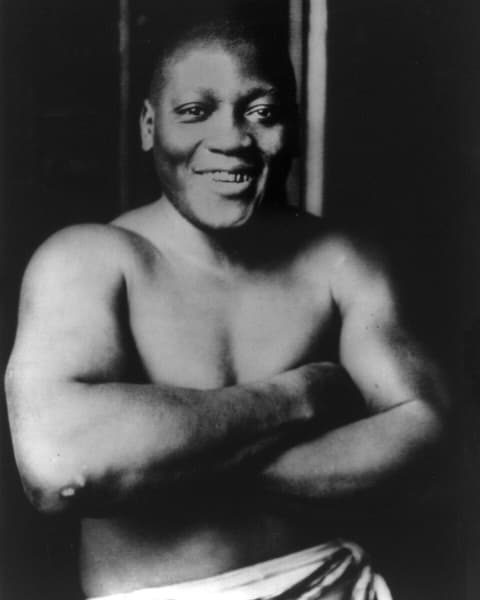
The decisive change came with the Marquess of Queensberry Rules, drafted by Welsh sportsman John Graham Chambers in 1865 and published in 1867. They required gloves, three-minute rounds with a minute of rest and a 10-second count after a knockdown. In 1892 James J. Corbett beat John L. Sullivan in New Orleans to become the first world heavyweight champion under those rules, and in 1908 Jack Johnson took the title from Canada's Tommy Burns in Sydney, becoming the first Black world heavyweight champion.
The 20th century made boxing a mass-media sport. Fights were broadcast on radio from 1920, Joe Louis held the heavyweight title from 1937 to 1949, and Muhammad Ali dominated the 1960s and 1970s. The World Boxing Council was founded in Mexico City in 1963, and after the death of Kim Duk-koo in the early 1980s the sanctioning bodies cut championship fights from 15 rounds to 12. Today the WBA, WBC, IBF and WBO all crown world champions.
Amateur boxing has been on the modern Olympic program since 1904, missing only Stockholm 1912, when Swedish law banned it. Women's events were added in 2012, and professionals became eligible in 2016. After years of governance problems, the International Olympic Committee withdrew recognition from the International Boxing Association in 2023. In 2025 it voted to keep boxing for Los Angeles 2028, run by the new federation World Boxing, with seven weight classes each for men and women.
- Win by knockout (failing to beat the referee's count of 10), technical knockout, disqualification or the judges' decision.
- Professional rounds last three minutes with a minute's rest; world title fights are scheduled for 12 rounds.
- Up to three ringside judges score the bout; the fighter ahead on the cards wins, and draws are possible.
- Punch only with the knuckles of a closed glove; no blows below the belt, to the back of the head or to the kidneys.
- Holding, pushing, tripping, biting and headbutting are fouls that can bring warnings, point deductions or disqualification.
- Olympic bouts are three three-minute rounds on the 10-point must system; men have boxed without headgear since 2016.
Milestones
- 1867Marquess of Queensberry Rules published, requiring gloves, three-minute rounds and a 10-second count
- 1892James J. Corbett beats John L. Sullivan to become the first Queensberry-rules world heavyweight champion
- 1904Boxing joins the modern Olympic program; only North American boxers compete
- 1908Jack Johnson beats Canada's Tommy Burns in Sydney, becoming the first Black world heavyweight champion
- 1963The World Boxing Council is founded at a meeting in Mexico City
- 1974Muhammad Ali knocks out George Foreman in the eighth round in Kinshasa: the Rumble in the Jungle
- 2012Women's boxing is added to the Olympic program for the 2012 Games
- 2016Professional boxers become eligible for the Olympics, and men's Olympic bouts drop headgear
- 2023The IOC withdraws recognition from the International Boxing Association; World Boxing forms as a new federation
- 2025The IOC votes boxing onto the Los Angeles 2028 program, with World Boxing in charge
Techniques to steal
The jab is a fast, straight punch with your lead hand. It starts closest to the target and needs the least…
RangeThe cross is the straight punch with your rear hand: the right for an orthodox fighter, the left for a southpaw. The…
RangeThe hook is a bent-arm punch that travels on a short horizontal arc into the side of the jaw or the body. Its power…
RangeThe uppercut is a close-range punch that rises vertically from below the opponent's line of sight into the chin or…
RangeThe overhand is a looping rear-hand punch that arcs over the opponent's lead hand or jab and drops onto the head from…
RangeThe body hook is a hook driven into the side of the ribcage. The classic version is the lead hook to the liver, which…
RangeA combination is a planned chain of punches in which each one sets up the next: the jab blinds and measures, the…
RangeA slip moves your head just off the line of a straight punch, so it misses by centimetres while you stay in range to…
RangeBobbing and weaving takes your head down and under a hook, then across and up on the other side of the punch. The…
RangeThe shoulder roll turns your upper body away from a straight punch so it glances off your raised lead shoulder, then…
RangeThe pull counter shifts your weight back so the opponent's jab or lead punch falls just short, then fires your rear…
RangeCounterpunching means letting the opponent attack first, making the attack miss or land on your guard, and hitting…
Questions people ask
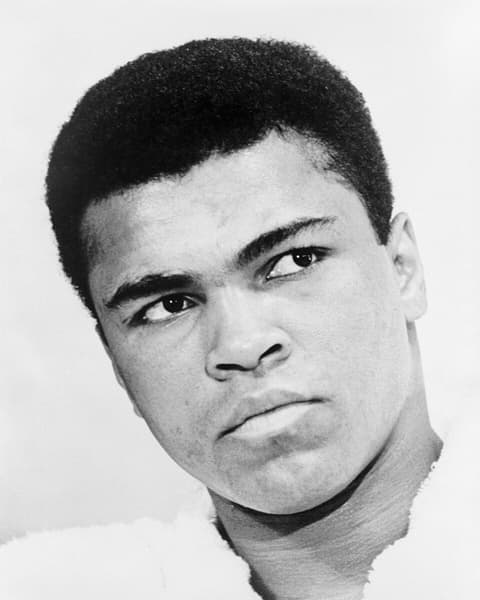
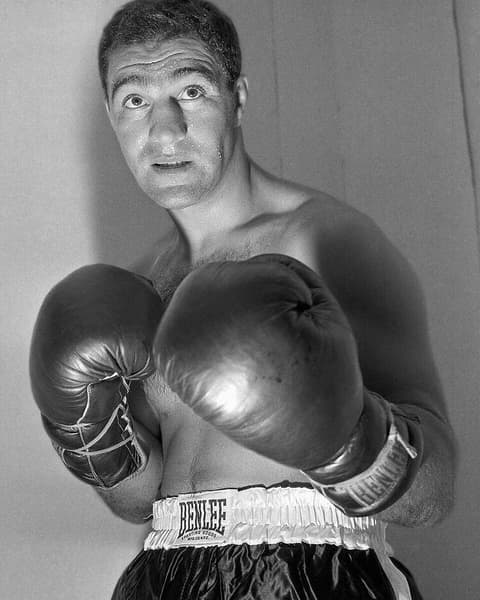
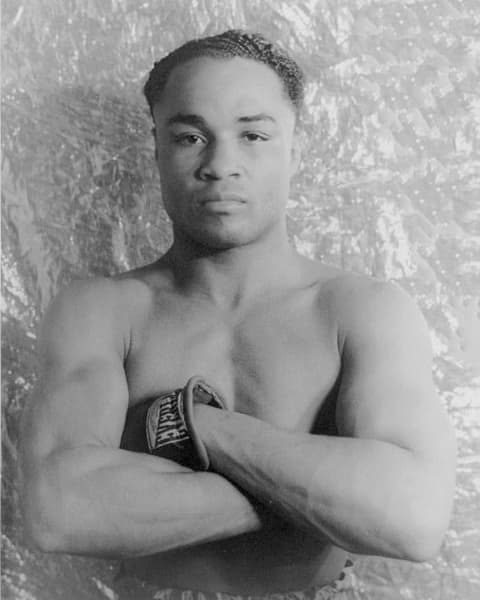
Opinions differ, but these four are among the most widely cited. Muhammad Ali was the first man to win the heavyweight title three times. Sugar Ray Robinson was the first boxer to win a divisional world title five times, at middleweight. Joe Louis made a record 25 successful heavyweight title defences, and Henry Armstrong remains the only boxer to hold three world titles at the same time.
Boxing teaches footwork, head movement, a tight guard and straight, efficient punches, and regular sparring gets you used to staying calm under pressure. It does not cover kicks, clinch grappling or fighting on the ground, so many people pair it with wrestling, jiu-jitsu or Muay Thai. As with any combat sport, avoiding a fight is still the best defence.
Yes. Boxing has been part of every modern Summer Games since 1904 except Stockholm 1912, when Swedish law banned it, and women's events were added in 2012. The International Olympic Committee withdrew recognition from the International Boxing Association in 2023, but boxing stays on the program for Los Angeles 2028 under the new federation World Boxing, with 14 medal events split evenly between men and women.
Olympic-style amateur bouts are short, usually three rounds of three minutes, and have traditionally rewarded clean punches landed rather than damage done. Professional fights run up to 12 rounds, headgear is not allowed, and fighters can take more punishment before a bout is stopped. Most boxers start as amateurs, and many turn professional after one Olympic cycle.
They are the code that created modern boxing. Drafted by John Graham Chambers in 1865 and published in 1867 under the name of the Marquess of Queensberry, they were the first rules to require gloves. They also introduced three-minute rounds with a minute of rest, banned wrestling, and gave a fallen fighter 10 seconds to get up unaided or lose by knockout.
More disciplines
Hands, feet, head movement, distance. The most measurable skill in fighting. Join now and book your first class for $20, paid online. A coach calls you within a day to answer questions.