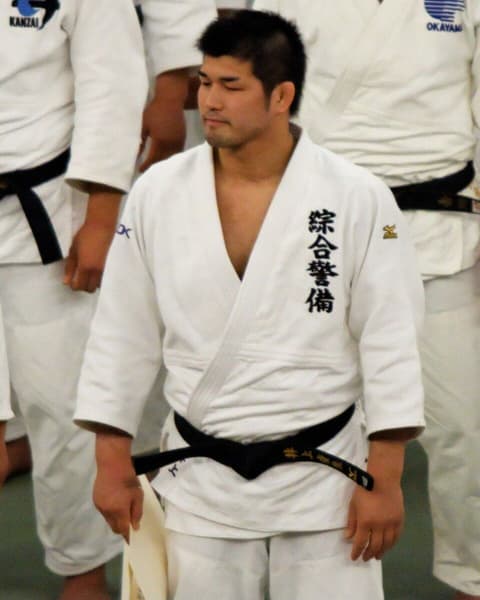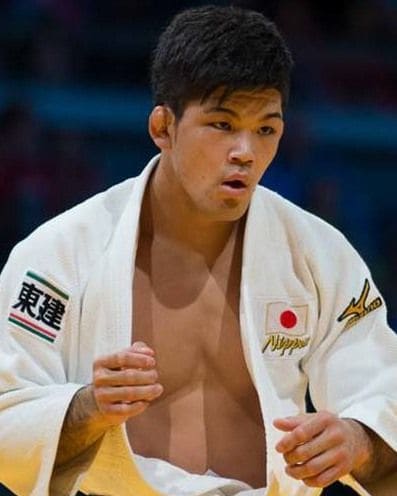
Shohei Ono
Proof that classical, ippon-first judo still wins
- Born
- February 3, 1992, Yamaguchi, Japan
- Nationality
 Japan
Japan- Height
- 170 cm (5′7″)
- Stance
- Right
- Style
- Classical ippon thrower
- Weight
- 73 kg
- Active
- 2012–2023
- Status
- Retired · age 34
The record
6+ years unbeatenNo international losses from December 2014 until the Tokyo 2020 mixed-team event in 2021; Wikipedia lists his competition record to August 2021 as 101-10, with 73 wins by ippon.
2 Olympic golds (+ mixed-team silver), 3 world titles
The story
hohei Ono of Yamaguchi became the benchmark for classical Japanese judo in the 2010s. He announced himself by throwing reigning world champion Riki Nakaya for ippon with osoto gari in the 2012 Tokyo Grand Slam final, then won the 2013 world title in Rio with hane goshi. His main weapons were osoto gari, the subject of his master's thesis, and uchi mata, thrown from classical grips with a high ippon rate. After a December 2014 defeat he did not lose an individual international match for more than six years, adding world titles in 2015 and 2019 and Olympic gold in Rio in 2016 and Tokyo in 2021. He stepped away from competition in 2023 to train as a coach through a programme in Britain.
Tap a technique with an arrow to learn how it works.
- Olympic champion, 73 kg (2016, 2020)
- World champion, 73 kg (2013, 2015, 2019)
- Asian Games champion, 73 kg (2018)
Defining matches
- 2012WINvs Riki Nakaya (Tokyo Grand Slam final, osoto gari ippon)
- 2013WINvs Ugo Legrand (World Championships final, Rio, hane goshi ippon)
- 2016WINvs Rustam Orujov (Rio Olympic 73 kg final)
- 2021WINvs Lasha Shavdatuashvili (Tokyo 2020 Olympic final, golden score)
Ono's osoto gari works because he breaks balance to the rear corner first, stepping deep beside the opponent before the reap. Drill the step and the lapel-hand drive until the reap is almost a formality, and switch to uchi mata when they brace backward.