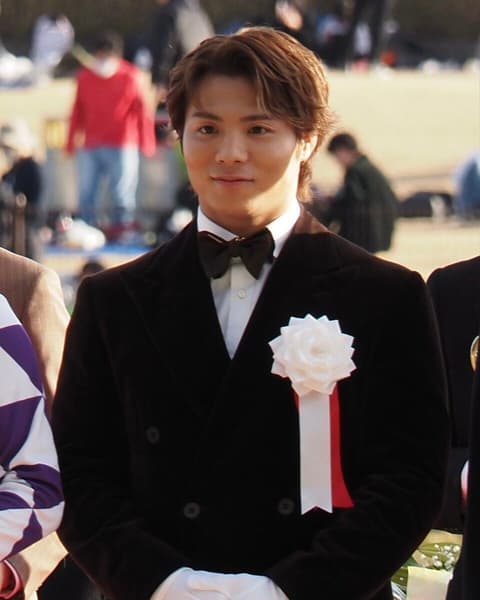
Tadahiro Nomura
First judoka to win three Olympic titles
- Born
- December 10, 1974, Kōryō, Nara, Japan
- Nationality
 Japan
Japan- Height
- 164 cm (5′5″)
- Style
- Seoi nage specialist
- Weight
- 60 kg
- Active
- 1996–2015
- Status
- Retired · age 51
The medals
3 consecutive Olympic golds, 1997 world title
The story
adahiro Nomura grew up in a judo family: his grandfather ran a dojo, his father coached 1984 Olympic champion Shinji Hosokawa and his uncle Toyokazu won Olympic gold in 1972. Little known abroad, he won the 60 kg title at the 1996 Atlanta Games with seoi nage, added the 1997 world title, and came back from a knee injury to win again in Sydney in 2000, throwing Korea's Jung Bu-kyung within seconds of the start. In Athens in 2004 he beat Georgia's Nestor Khergiani to become the first judoka with three Olympic golds, all consecutive and all in one division. Japan's brutal selection trials limited him to a single world title. He chased a fourth Games but retired in 2015, saying his body could no longer compete.
Tap a technique with an arrow to learn how it works.
- Olympic champion, 60 kg (1996, 2000, 2004)
- World champion, 60 kg (1997)
- All-Japan Selected Weight champion (6 times)
- Torchbearer at the Tokyo 2020 Olympic opening ceremony
Defining matches
- 1996WINvs Girolamo Giovinazzo (Atlanta Olympic 60 kg final, seoi nage)
- 2000WINvs Manolo Poulot (Sydney Olympic semi-final, decided by a drop seoi nage score)
- 2000WINvs Jung Bu-kyung (Sydney Olympic final, thrown inside the first 15 seconds)
- 2004WINvs Nestor Khergiani (Athens Olympic final, third straight gold)
Nomura's seoi nage worked because he turned in low and fast, under the opponent's centre, before they could square up. Drill standing and dropping entries, and keep a second direction ready, as he did with sumi otoshi, so opponents cannot just lean back.