The Greatest Savate Fighters of All Time
Savate, or French boxing, is the kicking art of the streets of Paris and Marseille turned into a ring sport. Fighters wear shoes, kick only with the foot and combine those kicks with boxing punches. This guide profiles the savate fighters most often named among the greatest, from Charles Lecour and the Charlemonts to modern world champions such as Fabrice Aurieng and Silvia La Notte, and traces the sport from Paris halls to world championships.
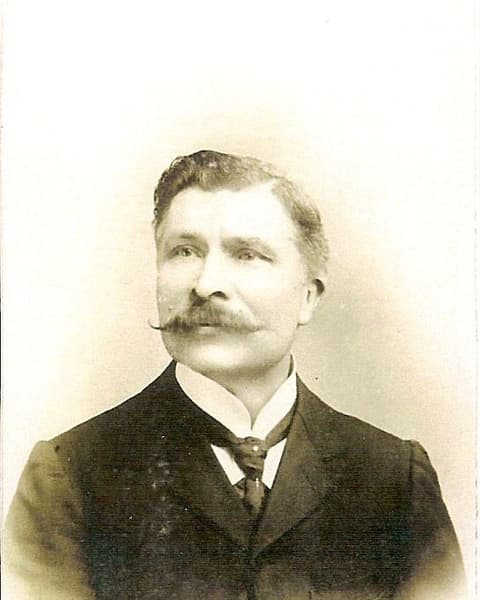
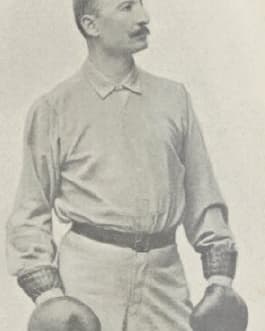
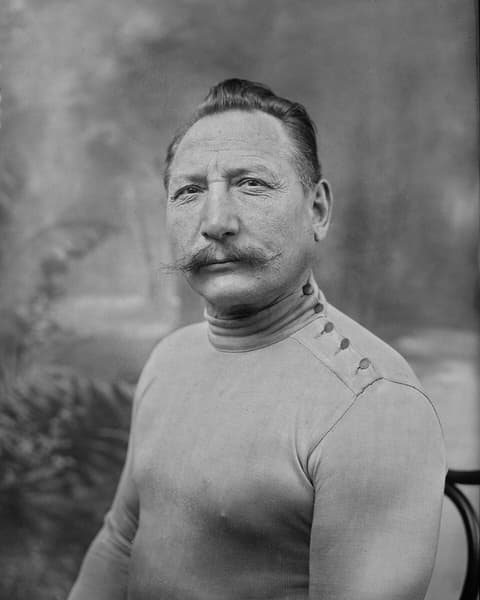
The legends

 2015–now
A short history of Savate
Savate began as street fighting in France, where disputes were settled with kicks, punches and sticks. Sailors in Marseille practised a kicking game called chausson, while in Paris the style was fought in heavy shoes; the name savate means "old shoe". In the 1820s Michel Casseux opened the first hall teaching a regulated version that banned headbutting, eye gouging and grappling.
Charles Lecour turned it into a sport. After watching an English boxing match in 1838, he combined boxing punches with savate kicks, brought boxing gloves into training and created what became known as French boxing. Joseph Charlemont codified its techniques in an 1877 treatise, and in 1899 his son Charles fought English boxer Jerry Driscoll in a bout that ended in a disputed stoppage and, according to the international federation's history, a conviction for both men for assault.
The federation calls the years around 1900 French boxing's golden age. Georges Carpentier was French savate champion in 1907 before his fame in English boxing, and French boxing appeared as a demonstration sport at the 1924 Paris Olympics. English boxing then eclipsed it, and Count Pierre Baruzy, an 11-time French champion, kept it alive through the lean decades.
A revival began in 1965 with the founding of France's Comité National de Boxe Française, and the first European championships were held in Paris in 1970. The international federation was founded on 23 March 1985 and took the name Fédération Internationale de Savate in 1999. It now runs world championships in savate assaut, savate combat and canne de combat, and in 2015 savate was added to France's inventory of intangible cultural heritage.
- Kicks must land with the foot, in savate boots; shin and knee strikes are not allowed in competition.
- Four kicks are allowed: fouetté (roundhouse), chassé (front or side), revers (hooking) and coup de pied bas (low kick).
- Four punches are allowed: the jab, cross, hook and uppercut, thrown in boxing gloves.
- Assaut rewards technique and control and penalizes excessive force; combat is full contact with little protective gear.
- Glove colours, not belts, show a savate practitioner's level.
Milestones
- 1838Charles Lecour watches English boxing and begins blending it with savate, creating French boxing
- 1877Joseph Charlemont publishes a treatise that codifies French boxing's strikes and positions
- 1899Charles Charlemont beats English boxer Jerry Driscoll in a disputed savate-versus-boxing contest
- 1907Georges Carpentier becomes French savate champion before turning to English boxing
- 1924French boxing is a demonstration sport at the Paris Olympics
- 1965France's Comité National de Boxe Française is founded
- 1970The first European savate championships are held at the Mutualité in Paris
- 1985The international savate federation is founded on 23 March
- 2008FISU, the international university sport federation, recognizes savate
- 2015Savate is added to France's inventory of intangible cultural heritage
Techniques to steal
The jab is a fast, straight punch with your lead hand. It starts closest to the target and needs the least…
RangeThe cross is the straight punch with your rear hand: the right for an orthodox fighter, the left for a southpaw. The…
RangeThe hook is a bent-arm punch that travels on a short horizontal arc into the side of the jaw or the body. Its power…
RangeThe uppercut is a close-range punch that rises vertically from below the opponent's line of sight into the chin or…
RangeThe body hook is a hook driven into the side of the ribcage. The classic version is the lead hook to the liver, which…
RangeA combination is a planned chain of punches in which each one sets up the next: the jab blinds and measures, the…
RangeThe roundhouse kick swings the leg in an arc into the opponent's side, powered by turning the standing foot and the…
RangeThe side kick thrusts the leg out sideways and strikes with the heel or outer edge of the foot. With the hips turned…
RangeThe hook kick extends the leg just past the side of the opponent's head, then snaps the heel back into it from an…
RangeA slip moves your head just off the line of a straight punch, so it misses by centimetres while you stay in range to…
RangeCounterpunching means letting the opponent attack first, making the attack miss or land on your guard, and hitting…
RangeThe boxing stance is the ready position every punch, defence and step starts from and returns to. Orthodox boxers…
Questions people ask
Savate's greats come from two eras. Charles Lecour created French boxing in the 1830s, and Charles Charlemont beat English boxer Jerry Driscoll in 1899, in a bout the international federation calls the fight of the century. Since the international federation was founded in 1985, greatness is measured in world titles: France's Fabrice Aurieng won in 2009 and 2013, and Italy's Silvia La Notte in 2003 and 2009.
Savate fighters wear shoes and may kick only with the foot, striking with the sole, toe, heel or top of the foot, while most kickboxing is fought barefoot with shin kicks. Competition savate also bans knees and elbows and allows a set list of four kicks and four punches, so it rewards precise kicking and punching at range.
No. Savate's only Olympic appearance was as a demonstration sport at the 1924 Paris Games. Today the Fédération Internationale de Savate, founded in 1985, runs world and continental championships, and the sport gained university-sport recognition from FISU in 2008, which led to the first University World Championships in Nantes in 2010.
Because the art grew up in the streets and ports of France, where people fought in their footwear; the name savate means "old shoe". The sport kept the shoe, and competitors today wear savate boots, which let them strike with the sole, the toe, the heel or the top of the foot. It is one of the only kickboxing styles fought in footwear.
The original street form, savate de rue, was built for self-defence and adds knees, elbows, joint locks, sweeps, throws and headbutts to the sport's kicks and punches. Sport savate still trains fast, well-aimed kicks and solid boxing, and fighting in shoes suits real situations, but grappling and awareness remain important gaps to fill.
More disciplines
Muay Thai and kickboxing: punches, kicks, knees, elbows and the clinch. Join now and book your first class for $20, paid online. A coach calls you within a day to answer questions.