The Greatest Greco-Roman Wrestlers of All Time
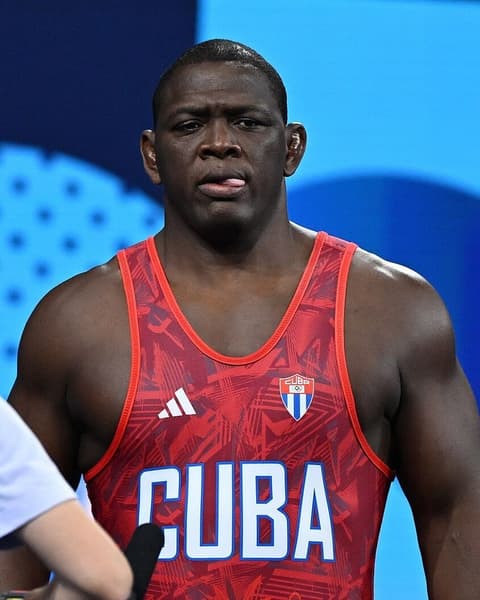
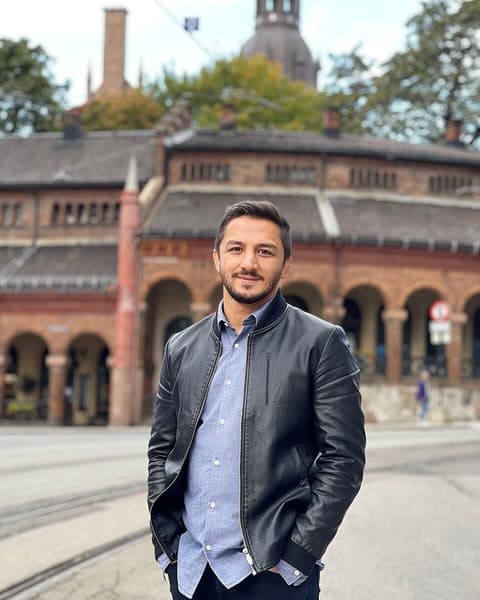
Greco-Roman wrestling bans every hold below the waist, so matches are won with the upper body: pummelling for position, lifting an opponent off the mat and throwing them through the air. This guide gathers the wrestlers most often named among the greatest, including Mijaín López, Carl Westergren and Hamid Sourian. It also explains where the style came from, how it is scored today and the Olympic moments, from Athens in 1896 onward, that shaped it.
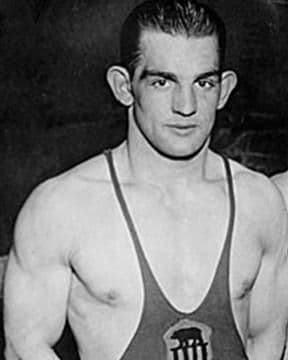
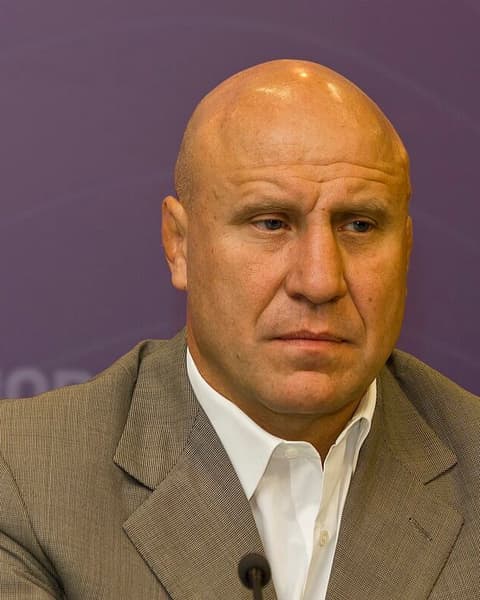
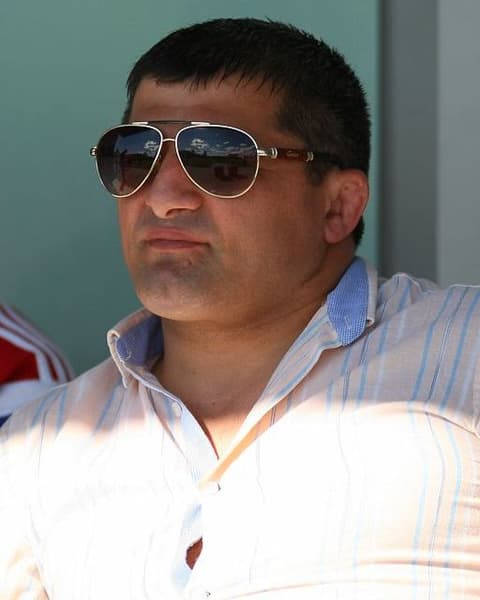
The legends


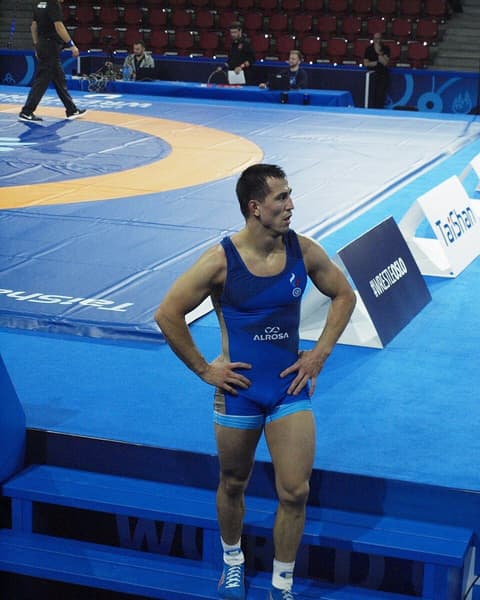

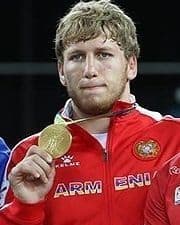
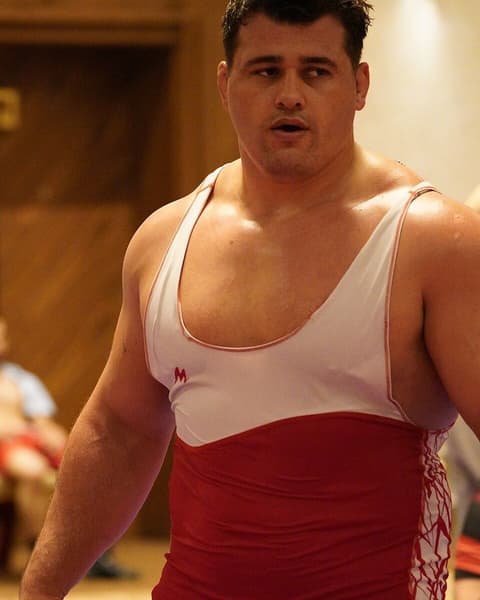



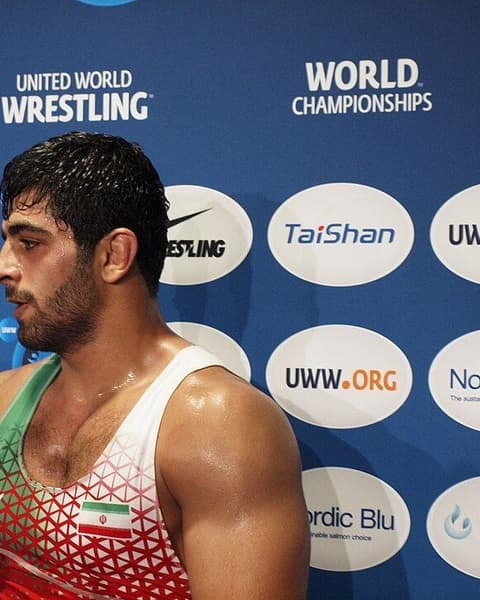
 1980–1996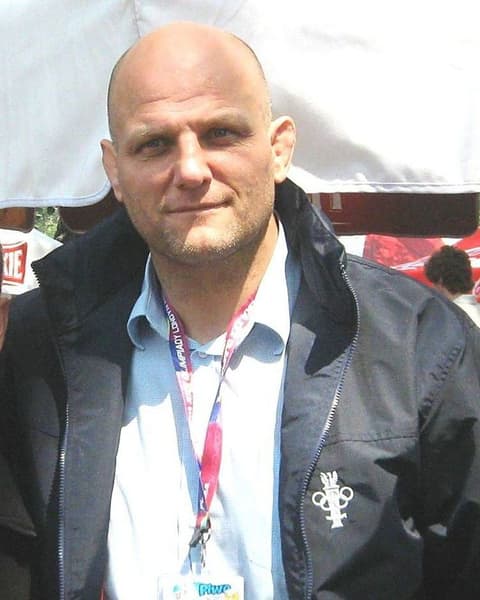

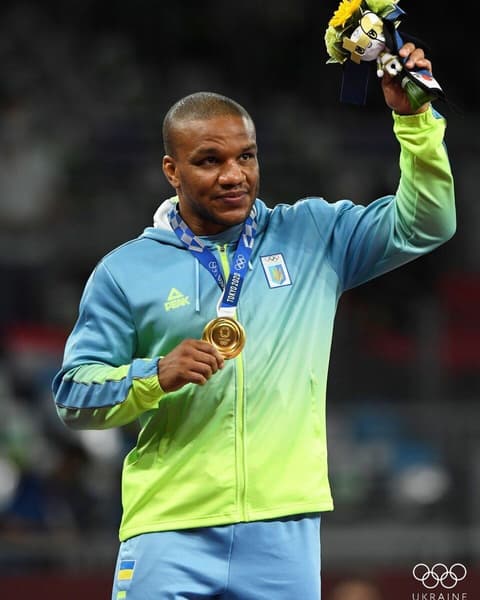

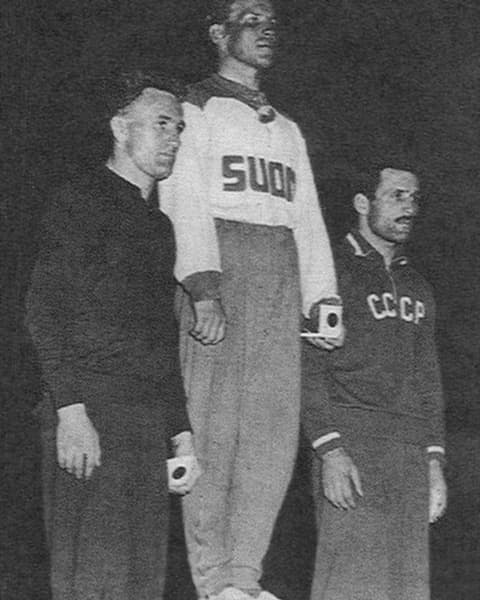

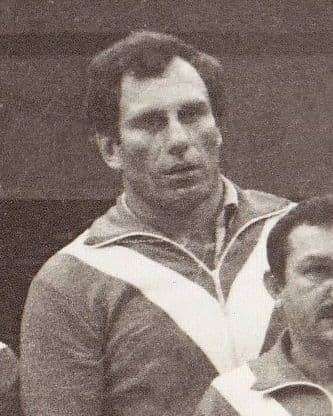
 1990–2000
 1976–1994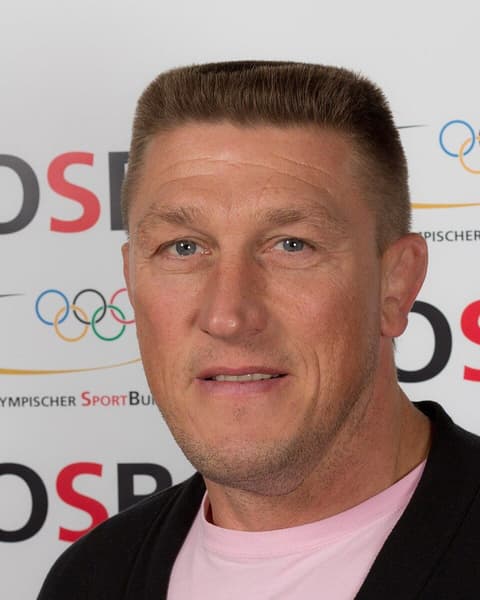

A short history of Greco-Roman Wrestling
Despite its name, Greco-Roman wrestling is a 19th-century European style; the name was chosen to link it with the wrestling of the ancient Mediterranean world. United World Wrestling credits a Napoleonic soldier, Jean Exbrayat, who in 1848 ruled out holds below the waist and painful holds. Known as flat-hand or French wrestling, it spread across Europe, and its best-known 19th-century star was Georg Hackenschmidt, the "Russian Lion".
It was the only wrestling event at the first modern Olympics, in Athens in 1896, where Germany's Carl Schuhmann won, and it has been on the program at every Games since except 1900 and 1904. Matches could last for hours: at the 1912 Olympics in Stockholm, Martin Klein and Alfred Asikainen wrestled for 11 hours and 40 minutes. The international federation was formed in 1921, and the first official world championships were held in Helsinki that year.
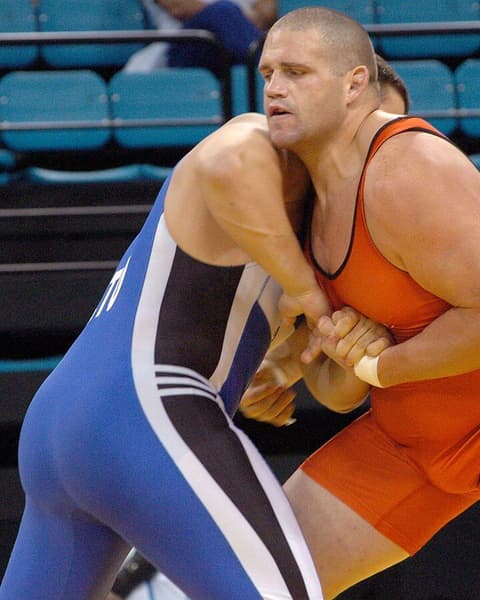
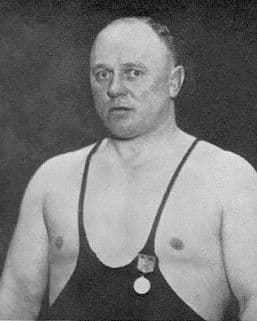
Sweden's Carl Westergren became the first man to win three Olympic golds in Greco-Roman, in 1920, 1924 and 1932, each in a different weight class. The strongest nations have included the former Soviet Union, Bulgaria, Turkey, Sweden and Finland, while the United States did not enter Olympic Greco-Roman until 1952. A. K. won Olympic gold in 1988, 1992 and 1996 and went 13 years unbeaten internationally until Rulon Gardner of the United States beat him in the 2000 final.
Modern Greco-Roman is fought in two three-minute periods and rewards throws of grand amplitude. Rule changes have shifted the emphasis to standing wrestling: par terre, the ground position, now comes only after a takedown or a passivity call. Cuba's Mijaín López set the standard for longevity, winning heavyweight gold at five straight Olympics from 2008 to 2024, the first athlete to win five consecutive titles in the same individual event.
- No holds below the waist: wrestlers may not grab the legs or use their own legs to trip, hook or lift.
- Matches are two three-minute periods, and the wrestler with more points wins.
- A fall, pinning both shoulders to the mat, ends the match; so does an eight-point lead, called technical superiority.
- Throws of grand amplitude, which lift the opponent off the mat, score the most points.
- Par terre, wrestling on the ground, follows a takedown or a passivity call against the less active wrestler.
Milestones
- 1896Germany's Carl Schuhmann wins Greco-Roman wrestling at the first modern Olympics in Athens
- 1912Martin Klein and Alfred Asikainen wrestle for 11 hours 40 minutes at the Olympics
- 1921The first official Greco-Roman World Wrestling Championships are held in Helsinki
- 1932Carl Westergren wins his third Olympic gold, the first Greco-Roman wrestler to reach three
- 1952The United States enters Olympic Greco-Roman wrestling for the first time
- 2000Rulon Gardner beats A. K. in the Olympic final, ending A. K.'s 13 years unbeaten
- 2024Mijaín López wins a fifth straight Olympic gold, the first athlete to do so in one individual event
Techniques to steal
An underhook slides your arm under the opponent's armpit and around their back. It lifts their shoulder, turns their…
ClinchThe arm drag pulls the opponent's arm across their body while you step to the side, so they stumble forward past you…
ClinchThe snap down pulls the opponent's head sharply toward the mat from a tie-up, so they fall forward onto their hands…
TakedownA body lock wraps both arms around the opponent's torso and locks the hands, pulling their hips tight to yours. From…
TakedownA suplex lifts the opponent from a tight body lock and throws them over by arching back and turning, so they land on…
TakedownO-goshi is judo's major hip throw. You turn in with your hips lower than your partner's, wrap an arm around their…
GroundThe gut wrench is a par terre turn: lock your arms around the waist of an opponent who is face down on the mat, then…
GroundThe half nelson is wrestling's basic pinning hold: from on top, slide one arm under the opponent's armpit, put your…
GroundThe reverse body lift is a par terre throw: lock around the waist of an opponent lying face down, peel them off the…
Questions people ask
Several wrestlers are widely cited. A. K. won Olympic gold in 1988, 1992 and 1996 and nine world titles, and went 13 years unbeaten in international competition. Cuba's Mijaín López won five straight Olympic golds from 2008 to 2024. Sweden's Carl Westergren won three Olympic titles in three weight classes between 1920 and 1932, and Iran's Hamid Sourian won six world titles and the 2012 Olympic gold.
Greco-Roman allows holds only above the waist, and neither wrestler may use the legs to attack or defend. That rule turns it into a contest of upper-body control, pummelling and lifts. Freestyle permits leg attacks and trips, which leads to more shots and scrambles. Technical superiority also comes sooner in Greco-Roman, at an eight-point lead instead of 10.
Yes. It was the only wrestling event at the first modern Olympics in Athens in 1896 and has been contested at every Summer Games since except 1900 and 1904. At the Olympics it is a men's event, while women compete in freestyle. Wrestling as a whole survived a 2013 vote to drop it from the 2020 program and was reinstated the same year.
The name was chosen in the 19th century to suggest a link with the wrestling of the ancient Mediterranean world, but the style itself is modern. United World Wrestling traces it to a French soldier of the Napoleonic era, Jean Exbrayat, who in 1848 banned holds below the waist. For much of the 1800s it was simply known as French wrestling.
Yes, especially for clinch fighting. Because Greco-Roman is fought chest to chest, it builds the grip fighting, body locks and throws that decide exchanges against the cage. Randy Couture and Dan Henderson were Olympic-level Greco-Roman wrestlers before their MMA careers. Most fighters also add freestyle leg attacks to round out their takedown game.
More disciplines
Greco-Roman, freestyle and judo throws from the clinch. Join now and book your first class for $20, paid online. A coach calls you within a day to answer questions.