The Greatest Sambo Fighters of All Time
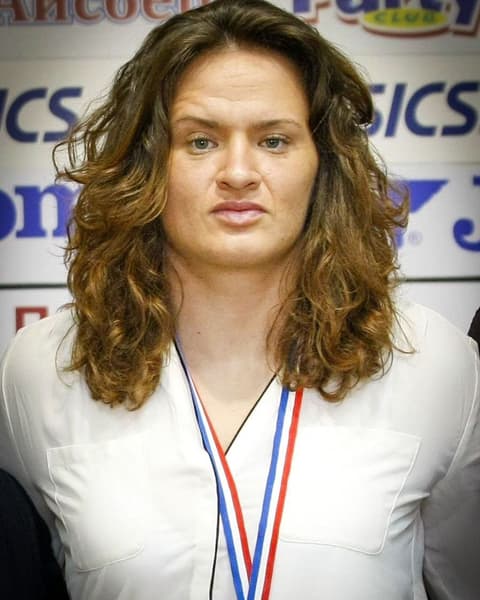
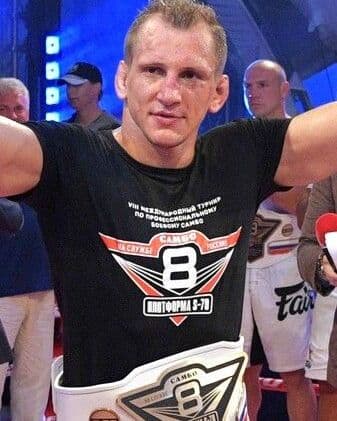
Sambo is a Soviet-born grappling art built for close combat and known for its throws and leg locks. This guide profiles the sambists most often named among the greatest, from world champions such as Irina Rodina and Mariya Oryashkova to MMA stars Fedor Emelianenko and Khabib Nurmagomedov, who both won combat sambo world titles. It also explains how the art was born in the 1920s and 1930s, how sport and combat sambo differ, and the milestones on its road to Olympic recognition.
The legends
 1992–2013

A short history of Sambo
Sambo is a Russian acronym meaning "self-defence without weapons". It grew out of efforts in the early 1920s to improve the Soviet Red Army's hand-to-hand combat. Vasili Oshchepkov, who had studied judo in Japan under its founder Kanō Jigorō, and Viktor Spiridonov, a wrestler whose war wound pushed him toward a softer, less strength-dependent method, developed separate systems that later merged as their students cross-trained.
Oshchepkov died in the purges of 1937, and his student Anatoly Kharlampiev steered the new sport to official status: the USSR sports committee recognized it on 16 November 1938, which the international federation still treats as sambo's birth date. The first tournament followed in Leningrad in 1939, and the name sambo became official in 1947.
Sambo went international during the Cold War. FILA, the world wrestling body, recognized it in 1966, the first European championship was held in Riga in 1972, and the first world championship took place in Tehran in 1973 with athletes from 11 countries. In 1984 a FILA assembly decided to create an independent federation, FIAS. A popular story says sambo was a demonstration sport at the 1980 Moscow Olympics, but it never formally was.
Today there are two main forms. Sport sambo is jacket wrestling built on throws, pins and leg locks, without chokes; combat sambo adds strikes and chokes, and FIAS held its first combat sambo world championships in 2001. The International Olympic Committee gave FIAS provisional recognition in 2018 and full recognition in 2021, though sambo is not on the Olympic program. Combat sambo world champions Fedor Emelianenko and Khabib Nurmagomedov carried its methods to the top of MMA.
- Sport sambo allows throws, pins and arm and leg locks, but no chokeholds.
- A total victory ends the bout early, for example a clean throw of a standing opponent onto their back, or a submission.
- Otherwise points decide: a throw scores according to how the opponent lands and whether the thrower stays on their feet.
- Adult bouts last five minutes; competitors wear a red or blue kurtka jacket, shorts and sambo shoes.
- Combat sambo adds punches, kicks, knees, elbows and headbutts, plus chokes, with gloves and headgear.
Milestones
- 1938USSR sports committee Order No. 633 makes sambo an official sport on 16 November
- 1939The first sambo tournament is held at Leningrad's Red Star Stadium
- 1966FILA, wrestling's world body, officially recognizes sambo as an international sport
- 1973The first World Sambo Championship is held in Tehran, with athletes from 11 countries
- 1984A FILA assembly decides to create FIAS, an independent international sambo federation
- 2001FIAS holds its first World Combat Sambo Championships
- 2018The IOC grants sambo provisional recognition
- 2021The IOC grants full recognition to sambo's federation, FIAS, at its Tokyo session
Techniques to steal
The double-leg takedown drops under the opponent's guard, wraps both legs and drives them to the mat. It is one of…
TakedownThe single-leg takedown captures one of the opponent's legs and uses it to take away their balance, then finishes by…
TakedownUchi-mata is judo's inner thigh throw. You open your partner's feet, break their balance forward, turn in and swing…
TakedownHarai-goshi is judo's sweeping hip throw. You pull your partner onto their toes, turn in with your hip against theirs…
TakedownOsoto-gari is the 'major outer reap'. You break your partner's balance back onto one heel, step deep beside that leg…
TakedownOuchi-gari is the 'major inner reap'. You step in chest to chest, hook your leg around the inside of one of your…
TakedownKouchi-gari is the 'minor inner reap'. You catch your partner's heel from the inside with the sole of your foot and…
TakedownSeoi-nage is judo's shoulder throw. You turn your back into your partner, tuck an arm under theirs, load them onto…
TakedownO-goshi is judo's major hip throw. You turn in with your hips lower than your partner's, wrap an arm around their…
TakedownSode-tsurikomi-goshi is a hip throw from sleeve grips. You stretch one of your partner's arms up and forward by the…
GroundSide control pins your partner flat on their back from the side. You lie across them chest to chest, one arm under…
GroundThe armbar traps your partner's arm between your thighs, holds their wrist against your chest and lifts your hips so…
Questions people ask
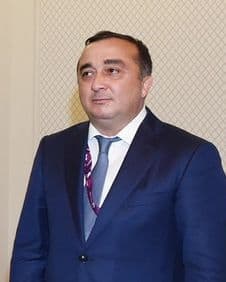
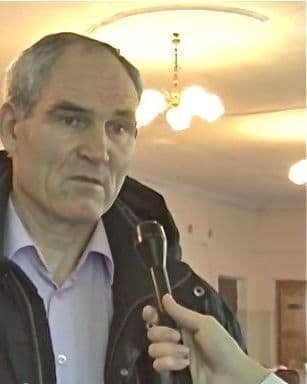
Sambo greatness is measured mostly in world titles. Russia's Irina Rodina won 11 at +80 kg between 1997 and 2010, and Bulgaria's Mariya Oryashkova took six titles among 15 world medals. David Rudman won at the first world championships in 1973, and Fedor Emelianenko, a four-time combat sambo world champion, went on to hold the PRIDE heavyweight title in MMA.
Both are jacket-wrestling arts built around throws, and sambo borrowed heavily from judo. The biggest differences are on the ground: sport sambo allows leg locks, which judo competition bans, but it forbids the chokes that judo allows. Sambo athletes also wear shorts and wrestling-style shoes rather than a full judo uniform.
Combat sambo is the military-style version. On top of throws, pins and locks, it allows punches, kicks, elbows, knees and headbutts, as well as chokes and leg locks such as heel hooks, with fighters in jackets, gloves and protective gear. FIAS has held world championships since 2001, and MMA champions Fedor Emelianenko and Khabib Nurmagomedov both won combat sambo world titles.
Not yet. The International Olympic Committee gave the international federation, FIAS, provisional recognition in 2018 and full recognition in 2021, which places sambo inside the Olympic movement but not on the Games program. Despite a common story, sambo was never formally a demonstration sport at the 1980 Moscow Olympics; the organizers' official documents do not list it.
Two of MMA's most decorated fighters came from sambo. Fedor Emelianenko, a four-time combat sambo world champion, held the PRIDE heavyweight title from 2003 to 2007, and Khabib Nurmagomedov, combat sambo world champion in 2009 and 2010, won the UFC lightweight title and finished his career 29-0. Sambo's mix of throws, top control and leg locks carries over directly to the cage.
More disciplines
Takedowns, control, submissions. Catch wrestling on Fridays. Join now and book your first class for $20, paid online. A coach calls you within a day to answer questions.