The Greatest Freestyle Wrestlers of All Time
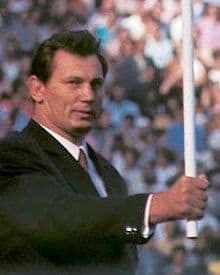
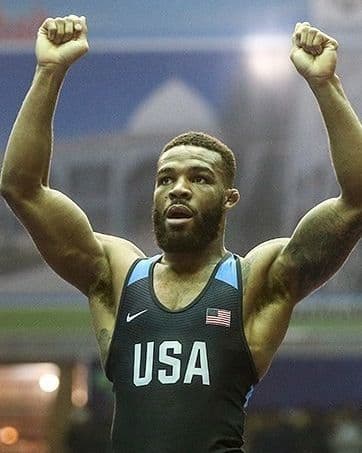
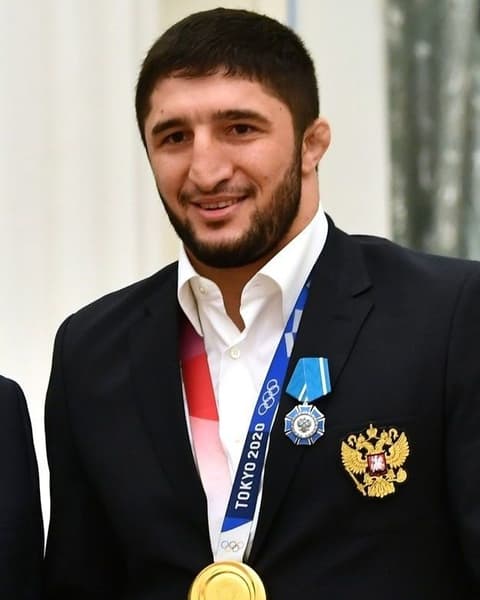
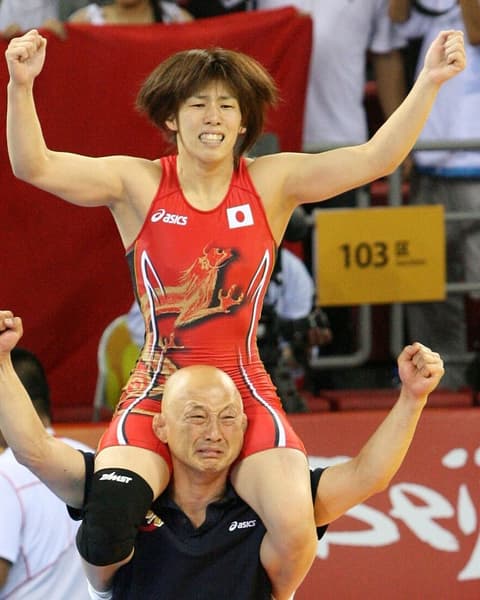
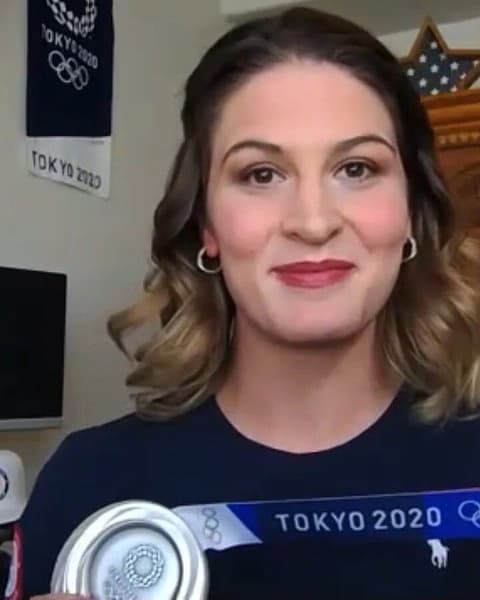
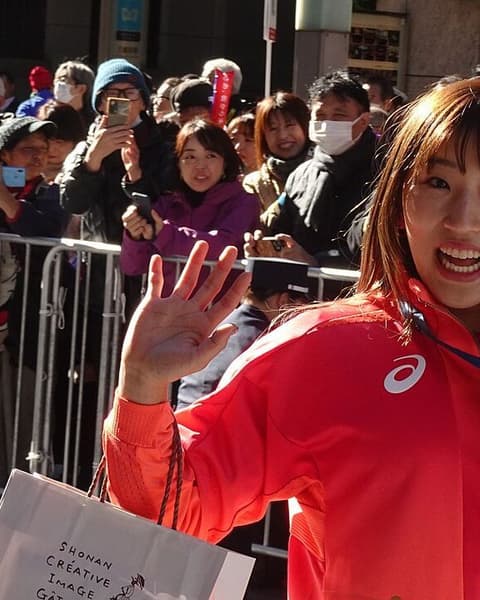
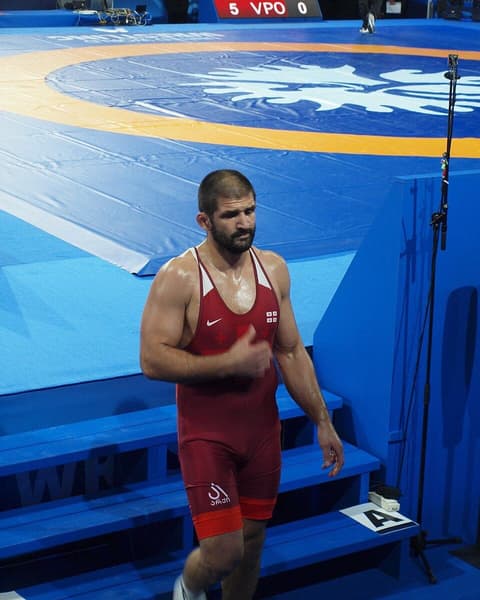
Freestyle wrestling lets athletes attack the legs as well as the upper body, which makes it a sport of explosive shots, scrambles and big throws. This guide gathers the wrestlers most often named among the greatest, from the Soviet Union's Aleksandr Medved and Russia's Buvaisar Saitiev to Japan's Saori Yoshida and Kaori Icho and Canada's Daniel Igali. It also covers the style's roots in catch-as-catch-can, today's Olympic rules and the milestones since 1904.



The legends


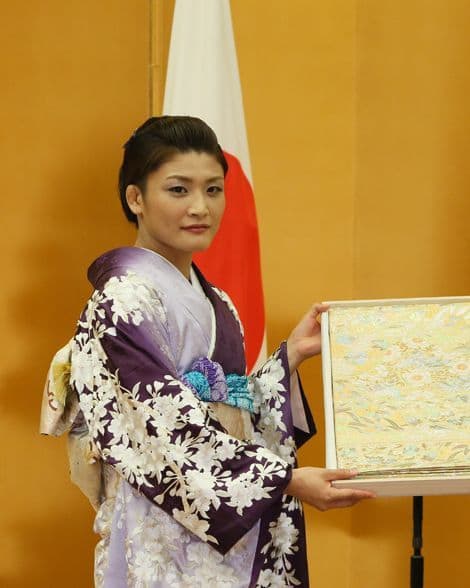

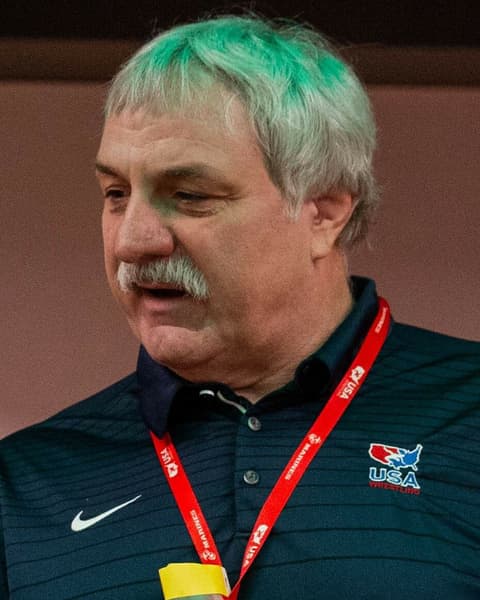
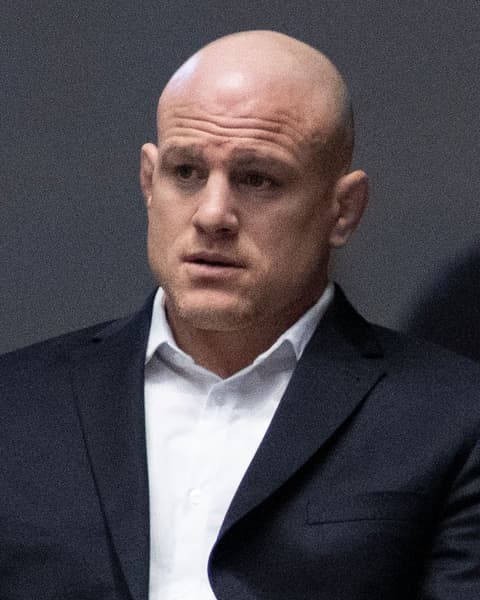
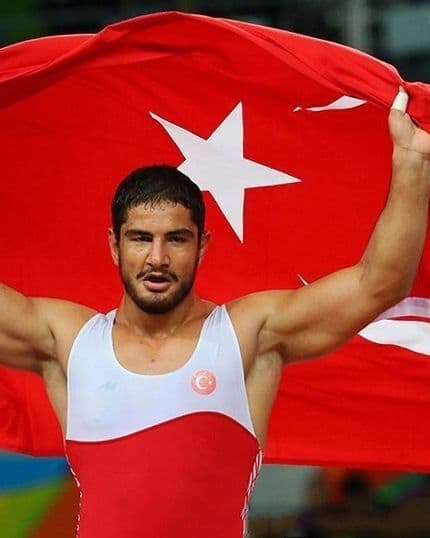

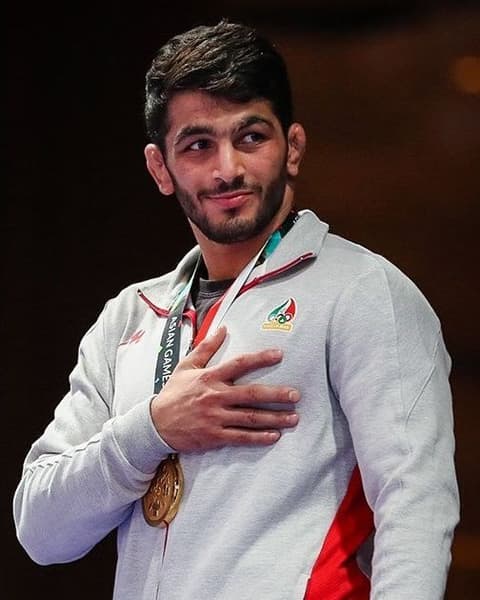

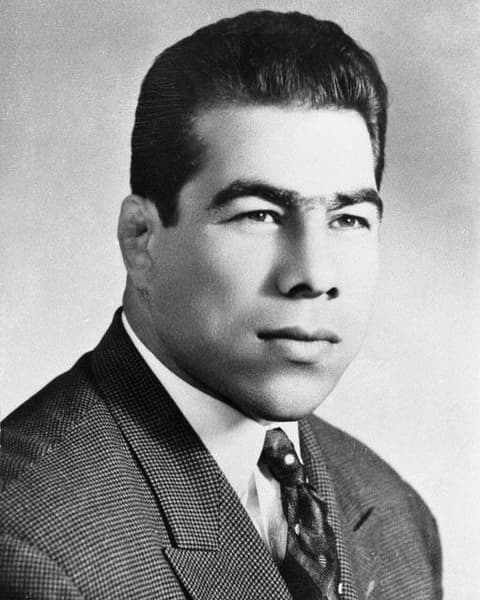
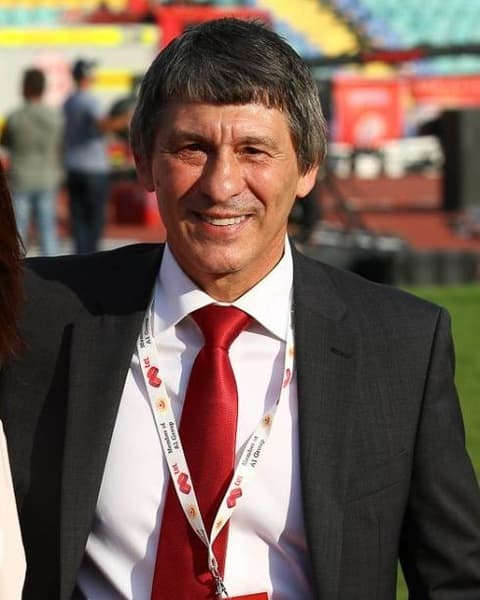

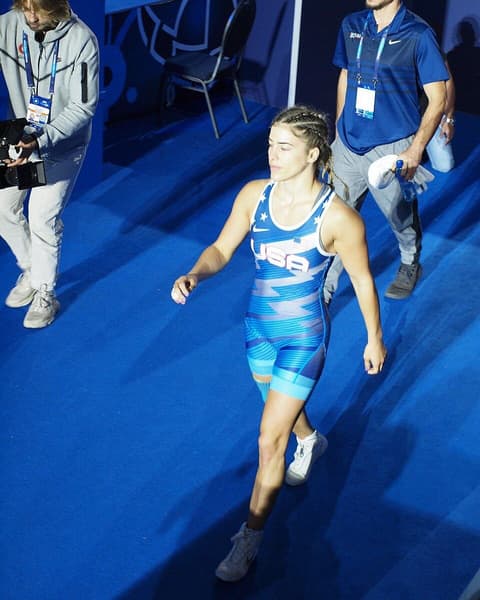


 1990–2004
A short history of Freestyle Wrestling
Freestyle descends from catch-as-catch-can, a style that drew crowds at fairs and festivals in 19th-century Britain and the United States; the version from Lancashire was especially influential. Bouts began standing, and if no fall was scored they continued on the ground, where almost any hold was allowed. The style spread widely in the United States, where at least half a dozen presidents, Abraham Lincoln among them, wrestled catch-as-catch-can.
Freestyle entered the Olympics at St. Louis in 1904, where all 40 wrestlers were American, and those Games introduced weight classes to Olympic wrestling. Since 1921 the international federation now called United World Wrestling has written the rules. Scoring evolved slowly: a point system from Oklahoma State coach Art Griffith gained acceptance in 1941, and visible scoring later replaced judges' secret paddles. The first freestyle world championships were held in Helsinki in 1951.
Wrestlers from the former Soviet states, Iran, the United States, Bulgaria, Cuba, Turkey and Japan have had the strongest showings. Aleksandr Medved won three Olympic titles from 1964 to 1972, and Dan Gable won gold at Munich in 1972 without giving up a point. Women's world championships began in Norway in 1987, and women's freestyle joined the Olympics at Athens in 2004, where Japan's Saori Yoshida and Kaori Icho began long runs of Olympic titles.
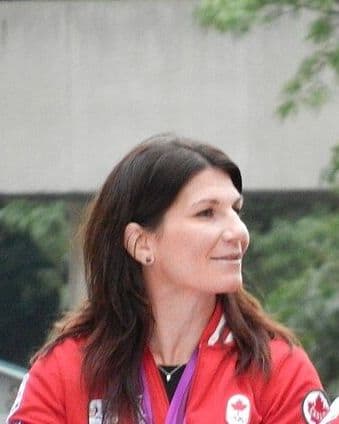
In February 2013 the International Olympic Committee voted to drop wrestling from the core program for 2020. Under new president Nenad Lalović the federation changed its rules to make bouts faster and added women's weight classes, and on 8 September 2013 wrestling was reinstated. The federation took the name United World Wrestling in 2014. For Canada, a high point came at Sydney in 2000, when Nigerian-born Daniel Igali won Olympic gold at 69 kg.
- Matches are two three-minute periods; the wrestler with more points at the end wins.
- Pinning both of the opponent's shoulders to the mat, a fall, ends the match immediately.
- A 10-point lead ends the match early by technical superiority.
- Unlike Greco-Roman, wrestlers may attack the legs and use their own legs to trip, lift and defend.
- Points reward explosive action and risk, so big throws that expose an opponent's back score the most.
- A passive wrestler gets 30 seconds to score; if they do not, the opponent receives a point.
Milestones
- 1904Freestyle wrestling debuts at the St. Louis Olympics; all 40 wrestlers are American
- 1951The first freestyle World Wrestling Championships are held in Helsinki; Turkey wins the team title
- 1972Dan Gable wins Olympic gold in Munich without giving up a single point
- 1987The first women's World Wrestling Championships are held in Lørenskog, Norway
- 2000Nigerian-born Daniel Igali wins Olympic freestyle gold for Canada at Sydney, at 69 kg
- 2004Women's freestyle wrestling makes its Olympic debut
- 2013IOC votes wrestling off the 2020 core program in February, then reinstates it in September
- 2014FILA, wrestling's world governing body, renames itself United World Wrestling
Techniques to steal
A feint is a threatened punch that you never throw: a twitch of the lead shoulder, a half-jab, a shift of the eyes or…
ClinchAn underhook slides your arm under the opponent's armpit and around their back. It lifts their shoulder, turns their…
ClinchThe arm drag pulls the opponent's arm across their body while you step to the side, so they stumble forward past you…
ClinchThe snap down pulls the opponent's head sharply toward the mat from a tie-up, so they fall forward onto their hands…
TakedownA body lock wraps both arms around the opponent's torso and locks the hands, pulling their hips tight to yours. From…
TakedownThe double-leg takedown drops under the opponent's guard, wraps both legs and drives them to the mat. It is one of…
TakedownThe single-leg takedown captures one of the opponent's legs and uses it to take away their balance, then finishes by…
TakedownThe fireman's carry drops under the opponent's arm, takes their thigh and rolls them across your shoulders to the…
TakedownThe sprawl stops a leg takedown by throwing your legs back, dropping your hips onto the attacker's head and shoulders…
TakedownA suplex lifts the opponent from a tight body lock and throws them over by arching back and turning, so they land on…
TakedownOuchi-gari is the 'major inner reap'. You step in chest to chest, hook your leg around the inside of one of your…
GroundThe gut wrench is a par terre turn: lock your arms around the waist of an opponent who is face down on the mat, then…
Questions people ask
The usual contenders come from several eras. Aleksandr Medved won three Olympic golds, in 1964, 1968 and 1972, and seven world titles for the Soviet Union. Buvaisar Saitiev also won three Olympic titles and six world titles for Russia. Among women, Saori Yoshida won 13 world titles and three Olympic golds, and Kaori Icho won four straight Olympic golds from 2004 to 2016.
In freestyle, wrestlers can grab and attack the legs and use their own legs to trip, block and lift. Greco-Roman forbids any hold below the waist, so it is fought almost entirely with the upper body and is known for big lifts and throws. Freestyle also needs a bigger lead for technical superiority: 10 points, against eight in Greco-Roman.
Yes. Men's freestyle has been an Olympic sport since 1904, and women's freestyle was added in 2004. Wrestling's place was briefly in doubt in 2013, when the International Olympic Committee voted in February to drop it from the core program, but after rule changes and new leadership at the federation it was reinstated that September.
Both come from catch-as-catch-can, but U.S. high school and men's college wrestling use their own scholastic and collegiate rules, which reward control of an opponent on the mat. Freestyle puts more weight on explosive action, so big throws and exposing an opponent's back score heavily. American women's college wrestling is held under freestyle rules.
It is one of the most useful bases, because wrestlers can decide whether a fight stays standing or goes to the ground. Many American MMA champions were NCAA Division I wrestling champions, and Olympic wrestlers such as Daniel Cormier and Dan Henderson also moved into MMA. Freestyle's leg attacks carry over directly to MMA takedowns.
More disciplines
Takedowns, control, submissions. Catch wrestling on Fridays. Join now and book your first class for $20, paid online. A coach calls you within a day to answer questions.