Imre Polyák
Three Olympic silvers, then gold at the fourth attempt
- Born
- April 16, 1932, Kecskemét, Hungary
- Died
- November 15, 2010 (aged 78)
- Nationality
 Hungary
- Height
- 170 cm (5′7″)
- Weight
- 62 kg, 63 kg, 67 kg
- Active
- 1952–1964
The medals
Olympic gold + 3 silvers; 3 world titles
The story
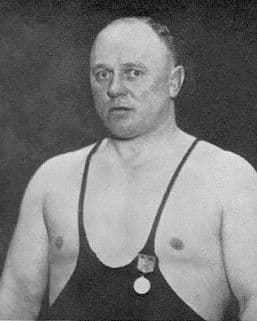
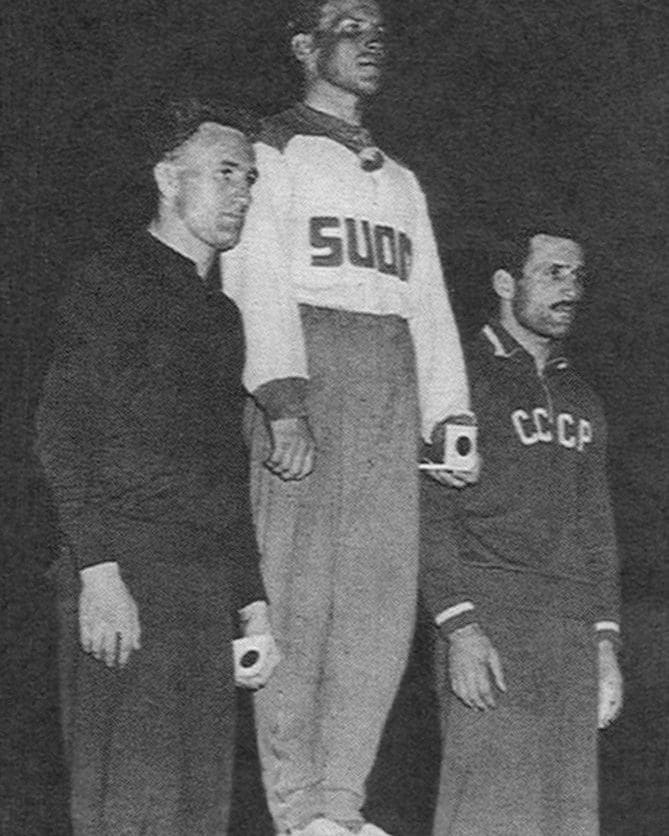
mre Polyák, a police officer from Kecskemét who wrestled for Újpest in Budapest, spent twelve years chasing an Olympic title. He took featherweight silver at Helsinki in 1952, Melbourne in 1956 and Rome in 1960, while winning world titles in 1955 and 1958, the second of them in Budapest. After a third world title in 1962, he finally won Olympic gold in Tokyo in 1964, becoming only the second wrestler, after Finland's Eino Leino, to win medals at four consecutive Olympics. He won 12 Hungarian titles and was named Hungarian Sportsman of the Year in 1958 and 1962. After retiring he coached at Újpest, and in 2003 he was among the first inductees of the FILA Hall of Fame. A memorial tournament in Budapest carries his name.
- Olympic champion, 63 kg (1964)
- Olympic silver medallist (1952, 1956, 1960)
- World champion (1955, 1958, 1962)
- 12 Hungarian titles
- FILA International Wrestling Hall of Fame (2003)
- Hungarian Sportsman of the Year (1958, 1962)
Defining matches
- 1955World title Karlsruhe
- 1958World title Budapest (on home soil)
- 1952Olympic silver Helsinki, 1956 Melbourne and 1960 Rome
- 1964Olympic gold Tokyo (at his fourth Games)
Treat each loss as information: Polyák took silver at three Olympics before winning gold at 32. Keep notes on how every match was lost and drill that exact position until it becomes a strength.
 1998–2012