The rope-a-dope is a tactic, not a single technique: you lean on the ropes behind a tight guard, let a big puncher wear himself out and counter when he slows. The ropes take some of the force of body shots, and most punches land on your arms and gloves. It made history when Muhammad Ali beat George Foreman in 1974, but it only works with an excellent guard, a strong chin and an opponent who tires first.
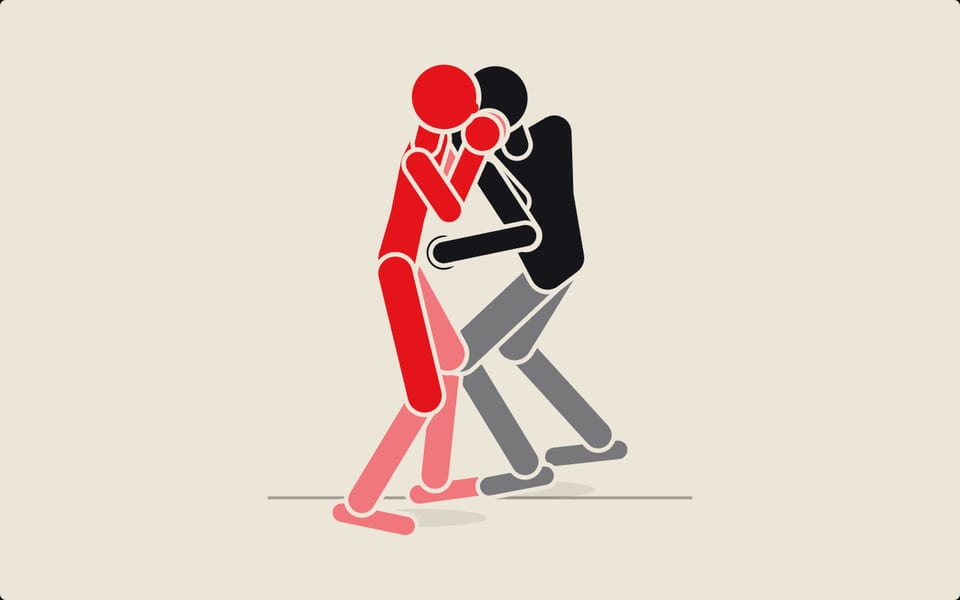
Satori's coaches are filming every technique, full speed and slow motion from two angles. Until it's up, the diagram shows the movement step by step.
How to do it
Start: Your back on the ropes by choice, against an aggressive opponent who is throwing hard. High guard, elbows in, chin down.
- 1Lean back into the ropes so they take some of your weight.
- 2Cover up in a tight high guard: gloves at your head, elbows protecting your body.
- 3Let punches land on your gloves and arms, and slip or roll the ones you can.
- 4Tie up or lean on your opponent when they get too close, making them carry your weight.
- 5Fire short bursts of counters between their attacks, then cover again.
- 6Watch for fatigue: slower punches, lower hands, heavy breathing.
- 7When they tire, come off the ropes and attack.
- Guard tight, chin down.
- Arms and gloves take the punches, not your head.
- Counter in bursts, then cover.
- Only if they're tiring faster than you.
- Using it against someone who isn't tiring. Fix: only go to the ropes when your opponent is burning energy faster than you.
- A loose guard. Fix: elbows in, gloves tight; any gap lets real damage through.
- Never punching back. Fix: counter in short bursts so your opponent has something to fear.
- Staying too long. Fix: pivot off the ropes as soon as punches start getting through or you tire.
- Hanging on the ropes unable to defend. Fix: keep your feet under you and keep defending; otherwise the referee can count it as a knockdown.
Safety: This tactic means taking punches on purpose, so drill it only with light contact, headgear and a mouthguard, under a coach. Never use it in sparring as an excuse to absorb hard shots.
When to use it
- Against a heavy puncher who throws wildly and is likely to tire.
- When their punches are landing on your guard, not your head.
- Briefly, to test an opponent's power.
- Back up to the ropes and show your guard to invite the attack.
- Look trapped, so your opponent commits to power punches.
- Answer their first punches sharply so they keep loading up.
- A pivot to spin off the ropes
- A combination to the head when their hands drop
- A straight right over a tired jab
- Body punching: the guard covers the head, so steady body shots wear the rope-a-doper down, as Joe Frazier showed in Manila.
- Pacing: an opponent who doesn't punch himself out makes the tactic pointless.
- The referee: taking unanswered punches on the ropes can be ruled a knockdown.
- Don't punch yourself out: throw measured combinations and save energy.
- Attack the body, then the head, and step back before they counter.
- Step back to the centre of the ring and make them come off the ropes to you.
The physics
The rope-a-dope trades position for energy: you lean on the ropes behind a tight guard and let the opponent punch himself tired. Each punch costs him energy whether it lands cleanly or not, while most of what reaches you is taken on the gloves, forearms and shoulders, and your braced body and the ropes spread the impacts.
Leaning back also lets the ropes carry part of your weight, so standing there costs you less than punching costs him. Hard punches start from the legs and trunk, so as those tire his punches lose force; that is the moment to come off the ropes with your own attack. It is a high-risk tactic: blocked punches still move your head, the damage adds up, and it only works with strong conditioning, a braced neck and a very good guard.
- Myth: the ropes are a safe place to rest. Blocked punches still pass momentum to your head and body, so the tactic only pays if the opponent tires faster than the damage builds up.
Masters and famous moments
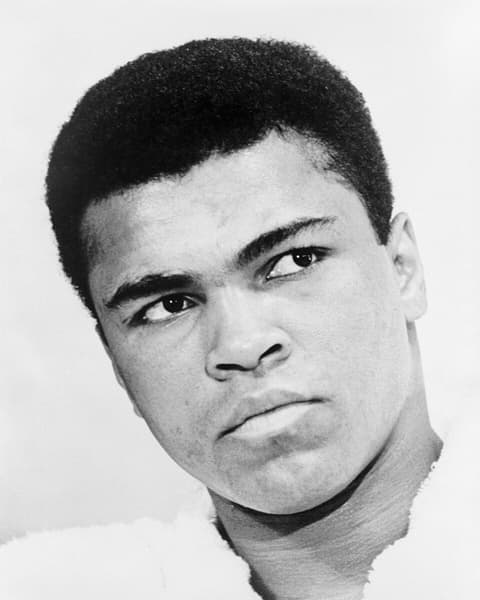
From the second round Ali went to the ropes, covered up and let Foreman throw himself tired while he clinched and countered. In the eighth he dropped the exhausted champion with a combination for the knockout.

Pacquiao later said he let Cotto pin him on the ropes to test his power; he took over from there, and the referee stopped it 55 seconds into round 12.
The cautionary version: Ali went to the ropes from round 3, but there Frazier could reach him with body punches and left hooks. Ali had to get off the ropes and fight, and won when Frazier's trainer stopped it after the 14th.
Across the arts
Leaning far back on the ropes, covering up, clinching and leaning on Foreman, then attacking once he tired.
Going to the ropes briefly to feel an opponent's power, then taking over, as Manny Pacquiao did against Miguel Cotto.
Argentina's Nicolino Locche, 'the Untouchable', made opponents miss almost everything on the ropes, then struck with combinations as they tired.
Covering up and waiting for the opponent to fade, then attacking with the left hook to the body.
History
Muhammad Ali first leaned on the ropes to let Joe Frazier tire in their 1971 Fight of the Century, with little success. The tactic became famous in Kinshasa in 1974, when Ali retreated to the ropes from the second round and let George Foreman punch himself out before knocking him out in the eighth. According to photographer George Kalinsky, the name grew out of his suggestion that Ali act like 'a dope on the ropes', and publicist John Condon made the phrase popular. Ali used it again in Manila in 1975, where Frazier's body punching made it far more costly.
In the rules
Drills
On the ropes, a partner throws light combinations at your guard for 20 seconds. Answer with a three-punch burst every time they pause, then cover again. Swap roles.
From the ropes, cover a short flurry, then pivot out and finish in the centre of the ring with a one-two.
Stand in your cover for 10 seconds, then unload a 3-second burst on the heavy bag. Repeat for a round to train the cover-then-explode rhythm.
Legends known for it


We teach it in Boxing. A coach will fix the details you can't see yourself. Join now and book your first class for $20, paid online.
Related techniques
The high guard brings both gloves up to your forehead and your forearms together in front of your face, so punches land on gloves and arms instead…

A boxing clinch ties up your opponent's arms at close range so neither of you can punch until the referee breaks it. Boxers use it to stop a…
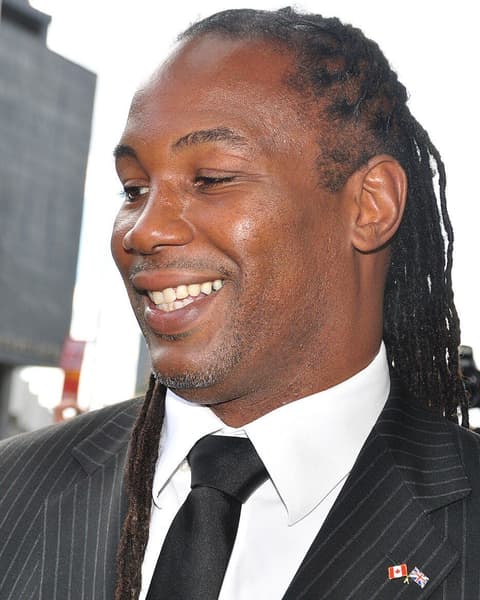

A pivot turns your whole body around your lead foot, like a door on its hinge. The ball of the lead foot stays planted while the rear foot swings…

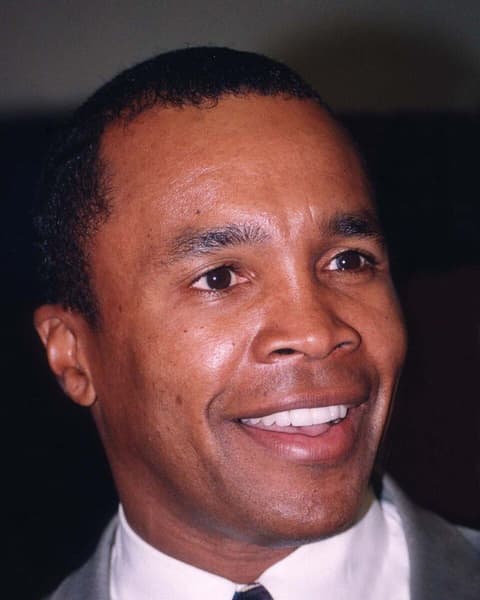
Counterpunching means letting the opponent attack first, making the attack miss or land on your guard, and hitting back into the opening it leaves…
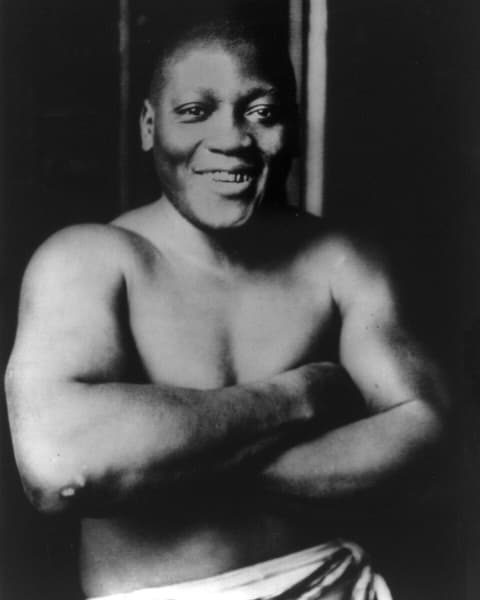

The body hook is a hook driven into the side of the ribcage. The classic version is the lead hook to the liver, which sits under the ribs on the…


A feint is a threatened punch that you never throw: a twitch of the lead shoulder, a half-jab, a shift of the eyes or a dip of the knees. When the…