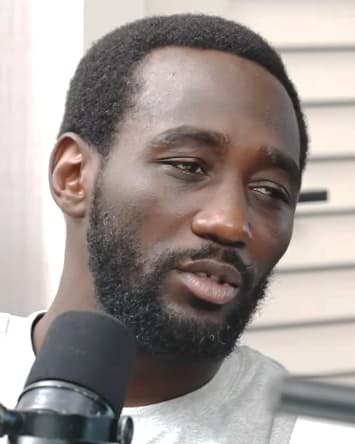
Also called Peekaboo, Peek-a-boo style, Tight defence, D'Amato style
Peek-a-boo is the tight, attacking defence taught by trainer Cus D'Amato: gloves held by the cheeks, elbows tucked to the body, and constant side-to-side head movement while walking forward. The idea is that a fighter who is hard to hit can crowd the opponent and counter with hooks and uppercuts from angles. Floyd Patterson and Mike Tyson both won the heavyweight title with it.
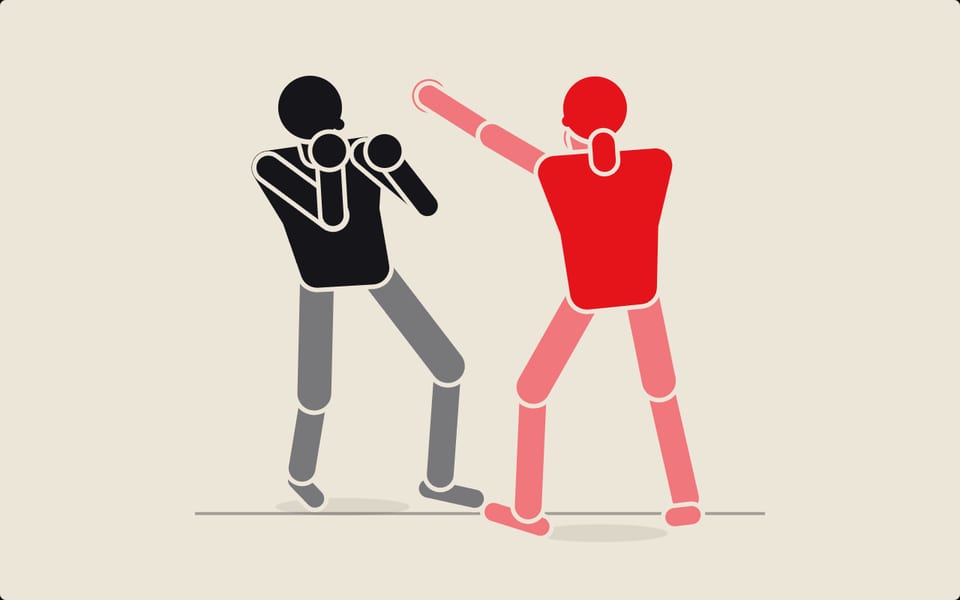
Satori's coaches are filming every technique, full speed and slow motion from two angles. Until it's up, the diagram shows the movement step by step.
How to do it
Start: A slightly squarer, crouched stance at mid-range: gloves against your cheeks, forearms in front of your face, elbows against your ribs, knees bent and loaded.
- 1Hold your gloves against your cheeks, forearms in front of your face and elbows tight to your body.
- 2Crouch a little and square your hips slightly so your head can move from side to side.
- 3Keep your head moving off the centre line, side to side, as you walk forward.
- 4Slip straight punches and roll under hooks as you close the distance.
- 5Step in at an angle to get inside your opponent's reach.
- 6Counter from your loaded legs with hooks and uppercuts, often body then head.
- 7Keep moving; if you stand still in front of your opponent, the style loses its protection.
- Gloves on the cheeks, elbows on the ribs.
- Never still: head moving, feet moving.
- Slip, roll and come up punching.
- 'Bad intentions': every defensive move sets up an attack.
- Standing still behind the gloves. Fix: the guard only works with constant head and foot movement.
- Going too low. Fix: stay above your opponent's belt line; ducking below it is a foul.
- Forgetting to punch. Fix: every slip or roll should lead into a counter.
- Hands drifting forward off the cheeks. Fix: keep your gloves touching your face.
Safety: The constant crouching and head movement are hard on the legs and neck, so build them up gradually. Learn the style under a coach, wear headgear in sparring, and keep your head above your partner's belt line.
When to use it
- Against taller opponents with a longer reach.
- When you want to pressure and fight on the inside.
- Against opponents who rely on straight punches from range.
- Feint and slip to draw a punch, then counter on the way in.
- Walk your opponent toward the ropes with head movement and short steps.
- Go to the body first to bring their guard down, then come up to the head.
- A right hook to the body into a right uppercut, Tyson's signature
- A lead hook after a slip
- An uppercut out of the crouch
- Movement and a long jab that keep the peek-a-boo fighter at range.
- Clinching to smother the inside attack.
- Uppercuts timed to the crouch.
- Keep them at the end of your jab and move sideways.
- Tie them up when they get inside, then reset.
- Punish the crouch with uppercuts and straight punches down the middle.
The physics
Peek-a-boo pairs a tight, high guard with constant head movement from a crouched stance. The gloves sit high at the cheeks and the elbows stay close to the ribs, covering the chin and the body, while bent knees keep your centre of mass low so you can slip, duck and change level without losing balance.
A moving head is hard to hit squarely: punches either miss or land at a glancing angle that transfers less force. Blows to the head tend to strike off its centre and twist it on the neck, so the chin stays tucked behind the gloves at all times. From the crouch your legs are already loaded, so short hooks and uppercuts can explode out of each slip or duck. It fails when the head stops moving, since a static guard can be broken down, or when the crouch gets so deep that your punches lose their leg drive.
- Myth: peek-a-boo is just holding your hands up. The guard only works with the head movement and bent legs that go with it; a still head behind high gloves gets broken down.
Masters and famous moments
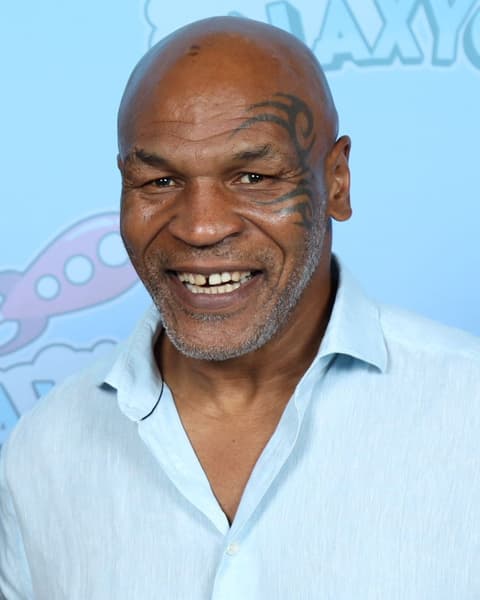
Taught the peek-a-boo by Cus D'Amato, 20-year-old Tyson stopped Berbick in the second round to become the youngest heavyweight champion in history.
Tyson attacked from the first bell; after a first knockdown he turned away from a Spinks right hand and answered with a left-right that ended the fight after 91 seconds.
The first fighter to use D'Amato's style effectively, Patterson knocked Johansson out with a leaping left hook and became the first man to regain the heavyweight title.
Across the arts
Explosive and very aggressive, with a crouch just before hooks and uppercuts for extra power; his favourite combination was a right hook to the body followed by a right uppercut.
Floyd Patterson carried his hands higher than most, in front of his face; sportswriters named his style peek-a-boo, and his leaping left hook was his big weapon.
In a 1976 cross-discipline match against a karate champion, D'Amato's amateur Joe Hadley had to adapt the peek-a-boo to defend against kicks as well as punches.
History
Cus D'Amato, who called it a 'tight defence' rather than peek-a-boo, taught the style to his fighters in New York and later in Catskill. Floyd Patterson, the first fighter to use it effectively, won Olympic gold in 1952, became the youngest heavyweight champion up to that time in 1956 and, in 1960, the first man to regain the heavyweight title. José Torres, another D'Amato fighter, won the world light heavyweight title in 1965. Mike Tyson, trained by D'Amato and then by Kevin Rooney, became the youngest heavyweight champion in history in 1986 and remains the style's most famous user.
In the rules
Drills
Your coach calls numbered punch combinations (for example body-head-body) and you throw them from the peek-a-boo guard, moving your head between each call.
Walk toward a swinging slip bag, moving your head from side to side, then throw a hook to the heavy bag as you arrive.
Your pad holder throws slow straight punches with the mitts. Slip them as you walk forward and counter to the pads.
Legends known for it

We teach it in Boxing. A coach will fix the details you can't see yourself. Join now and book your first class for $20, paid online.
Related techniques
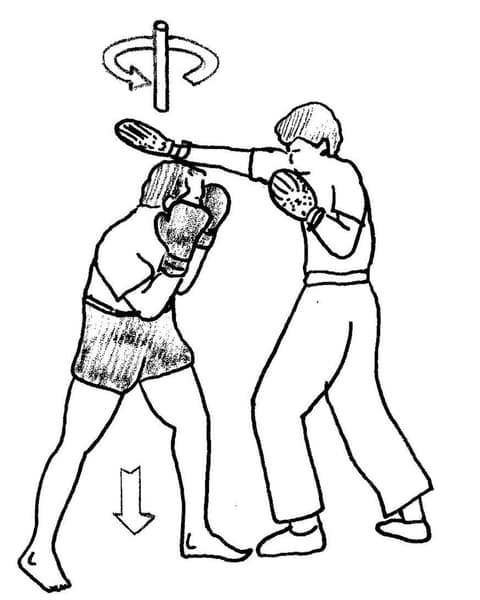
Bobbing and weaving takes your head down and under a hook, then across and up on the other side of the punch. The drop comes from bending your…
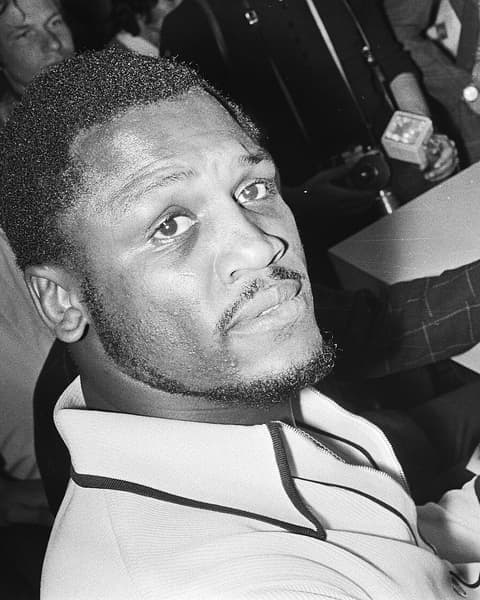
A slip moves your head just off the line of a straight punch, so it misses by centimetres while you stay in range to hit back. The movement comes…


The high guard brings both gloves up to your forehead and your forearms together in front of your face, so punches land on gloves and arms instead…
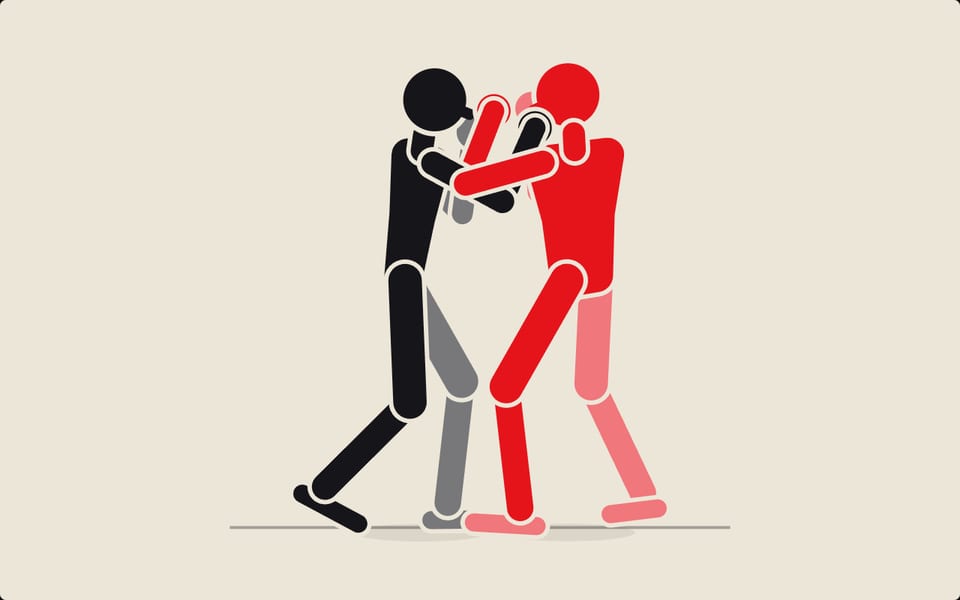
The uppercut is a close-range punch that rises vertically from below the opponent's line of sight into the chin or the solar plexus. It is the…

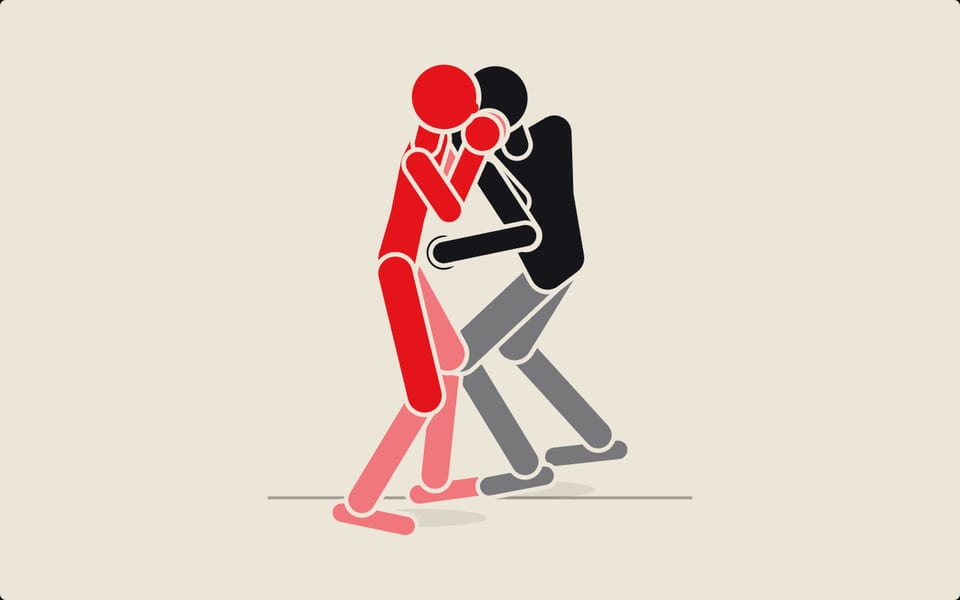
The body hook is a hook driven into the side of the ribcage. The classic version is the lead hook to the liver, which sits under the ribs on the…
The shoulder roll turns your upper body away from a straight punch so it glances off your raised lead shoulder, then turns you back with a counter.…